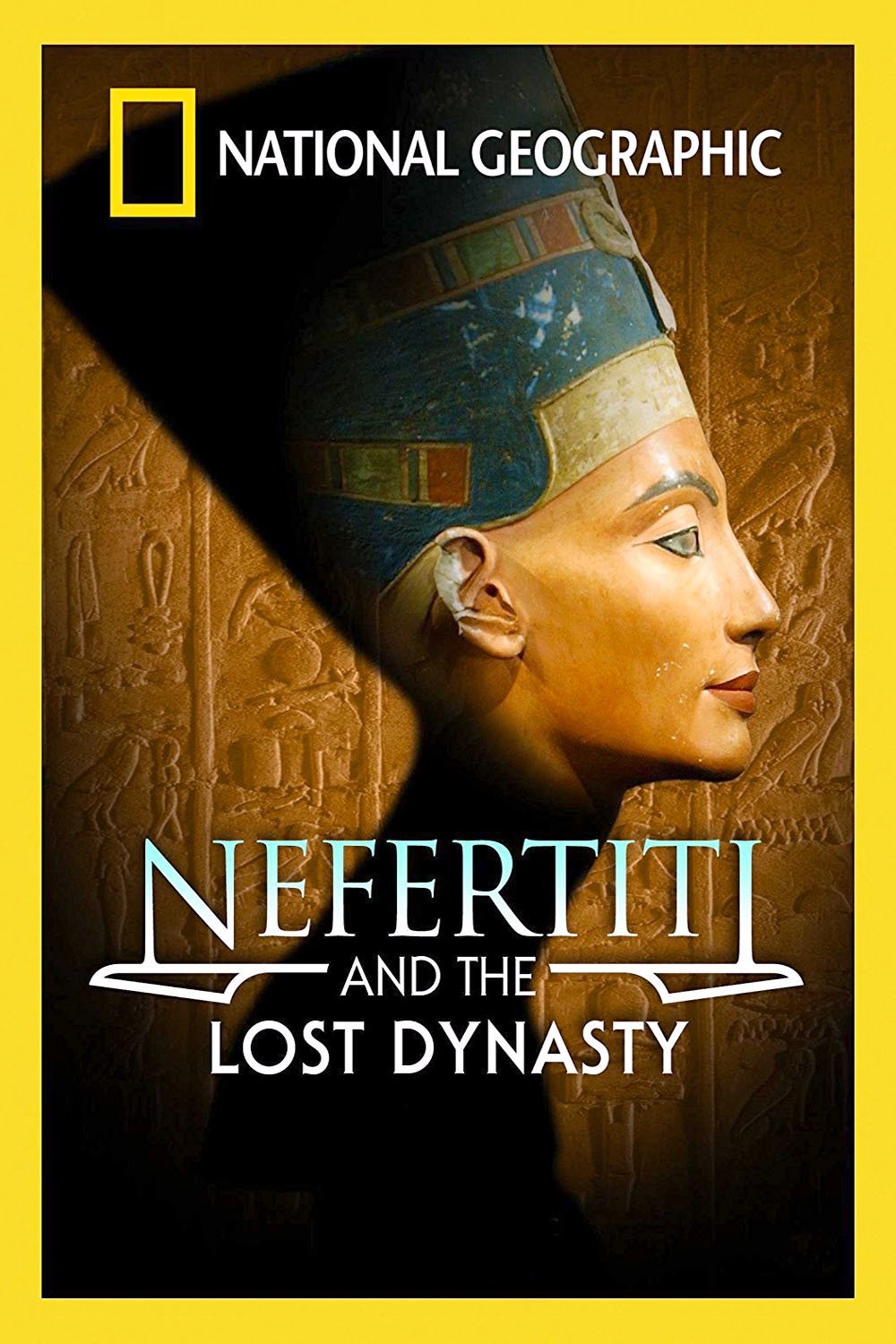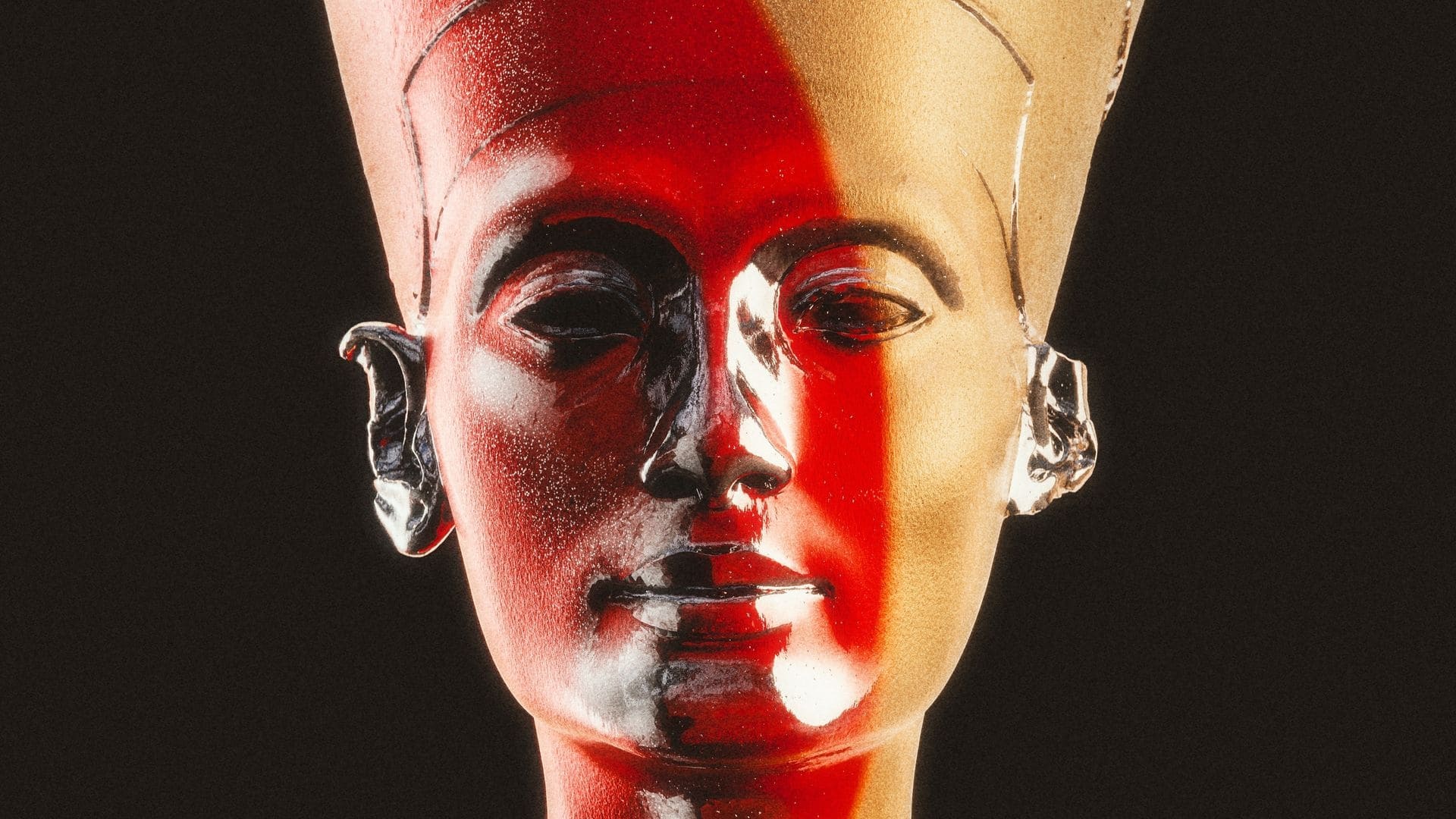
Experts look into the mystery surrounding the lost tomb of Queen Nefertiti, an ancient Egyptian ruler from the 18th dynasty.
Social & External
The people behind it
Raml Station is one of the most famous places in all of Alexandria. This documentary captures the beauty of Raml Station.
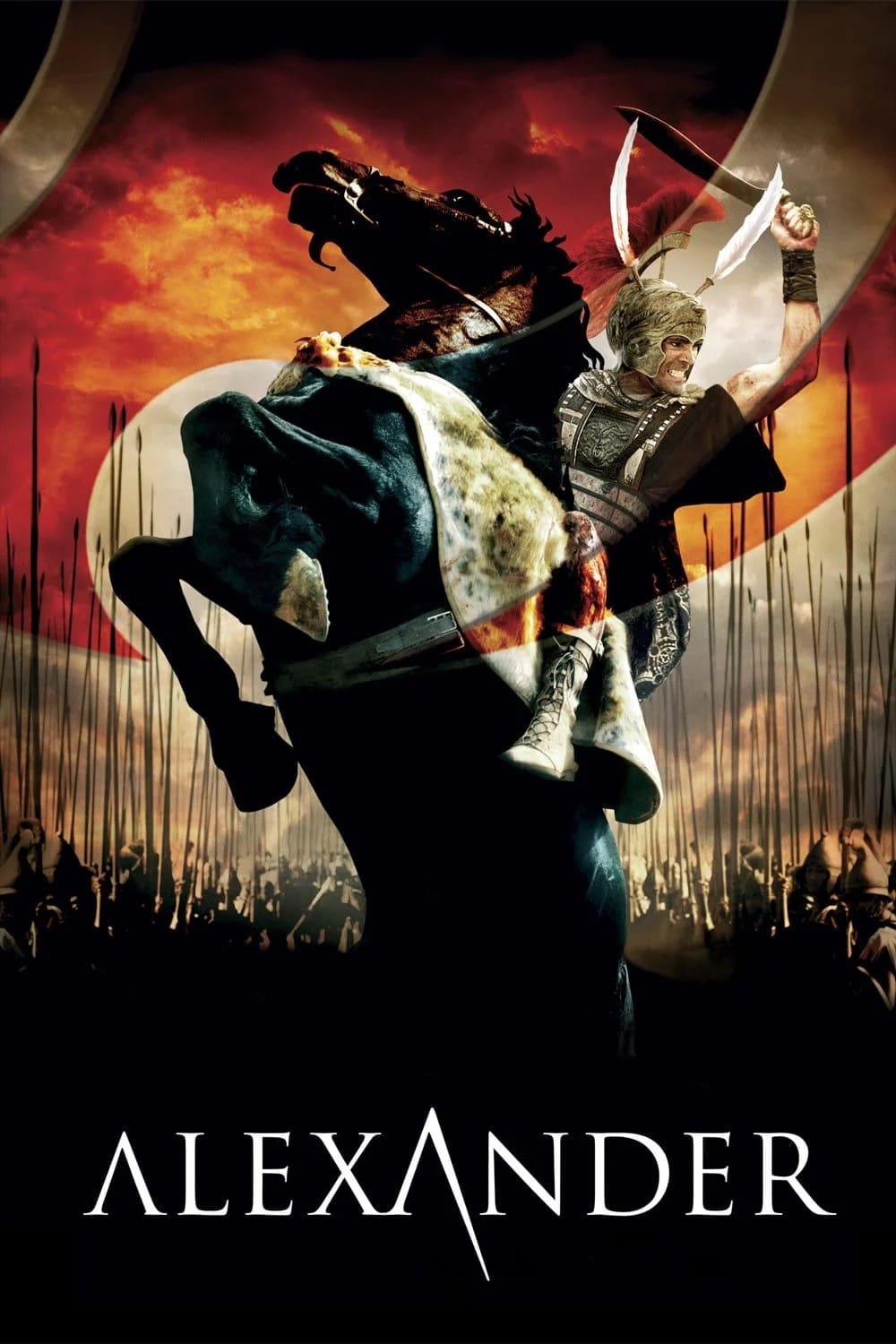
Alexander, the King of Macedonia, leads his legions against the giant Persian Empire. After defeating the Persians, he leads his army across the then known world, venturing farther than any westerner had ever gone, all the way to India.
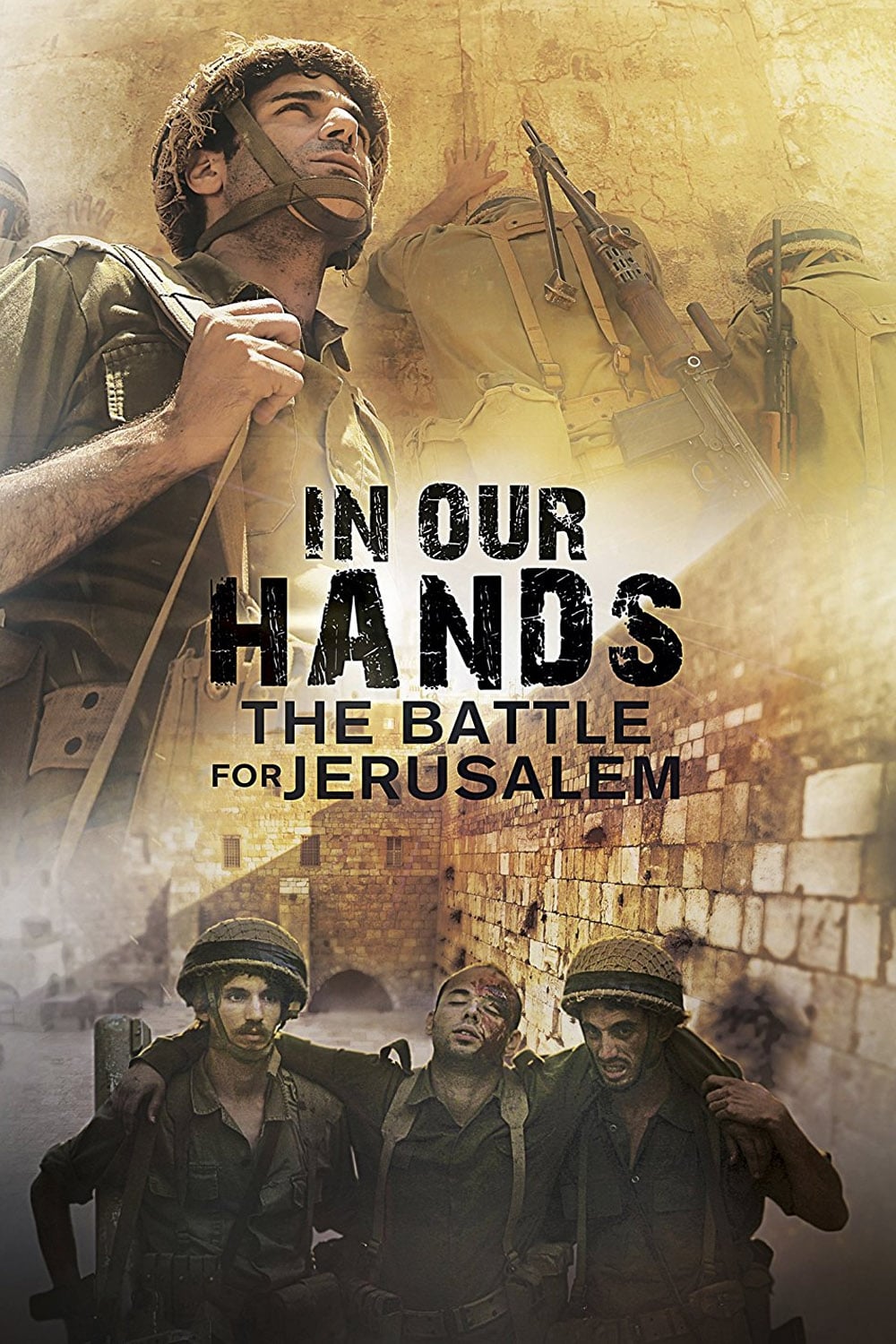
Produced by CBN Documentaries and Biblical Productions, "In Our Hands" tells the story of the Battle of Jerusalem in the Six-Day War through the eyes of the IDF's 55th Paratrooper Brigade
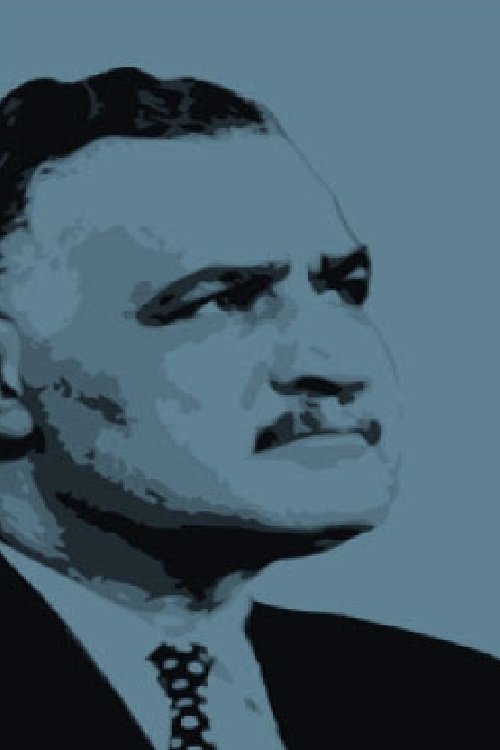
Through eyewitness accounts and archival footage, viewers are taken on a journey through the great battles that defined President Gamal Abdel Nasser's life—from dramatic economic development initiatives to his ambitions for creating a unified Arab nation. The film chronicles his inspiring success and tragic failures while also exploring how he inspired generations of global leaders in both politics and activism.
In the 14 months prior to the revolution, filmmaker Lillie Paquette follows key opposition figures and young activists as they struggle against the odds and at great personal risk to remove an uncompromising US-backed regime.
The Scorpion King: The King before Pharaohs. Learn more about the king who likely united ancient Egypt, organized the world’s earliest phonetic writing system, and inspired the creation of the pyramids. Mace heads, a stone mounted on a wooden shaft, were an early weapon of war. They were used like a club to strike enemies on the head. The scorpion mace head was too large to have been used as a weapon, and was clearly reserved for ceremonial purposes. Archaeologists believe they have found the tomb of the Scorpion King at the ancient burial site of Abydos. He was buried with 700 wine jars, several of which had come from as far away as ancient Palestine. The Scorpion King may have presided over the birth of phonetic writing earlier than any other civilization in the world—200 years before the first pharaohs.
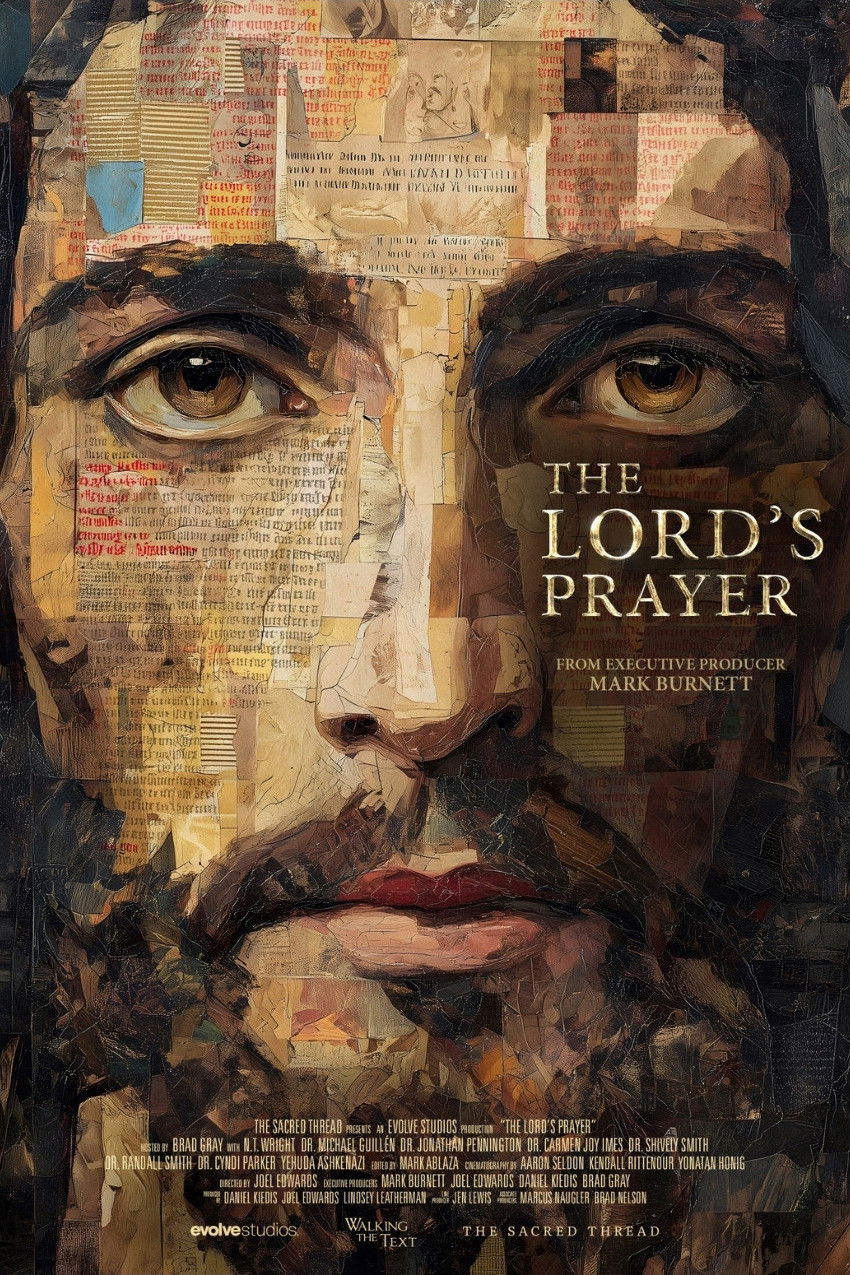
More than a familiar recitation, the Lord’s Prayer is revealed as the very heartbeat of the Gospel: a bold, revolutionary call to live God’s Kingdom here and now. Each line opens a doorway into the world of Scripture, unveiling the cultural, historical, and spiritual depth behind Jesus’s teaching. Through captivating visuals, exceptional scholarship, and powerful storytelling, viewers will rediscover the prayer’s transformative power. It challenges us not merely to say the words, but to embody them—to shape our lives around trust, surrender, forgiveness, and the pursuit of God’s justice and peace.
In the beginning was sex. To the ancient cultures, sexuality, love and sex were inextricably connected with the creation of the earth, the heavens and the underworld. To the citizens of the ancient civilizations that gave birth to ours, sensuality and sexuality were an integral part of society. This series exploration of Egyptian and Roman sexual practice allows viewers the opportunity to see how attitudes and beliefs about sexuality functioned in the early civilizations, and how those attitudes reveal the unspoken rules that defined public and private behavior. Episodes cover human sex and sexuality from a historical perspective, and examines in detail different texts and images which provide us with evidence about sexual practices, beliefs and ideologies in the ancient world – from erotica on pots to legal texts, phallic votive objects, fertility ceremonies, prostitution, female and hermaphroditic creator deities, from religious rituals to sex manuals.
Determined to hold on to the throne, Cleopatra seduces the Roman emperor Julius Caesar. When Caesar is murdered, she redirects her attentions to his general, Marc Antony, who vows to take power—but Caesar’s successor has other plans.
Escaping death, a Hebrew infant is raised in a royal household to become a prince. Upon discovery of his true heritage, Moses embarks on a personal quest to reclaim his destiny as the leader and liberator of the Hebrew people.
Egypt, nicknamed "the mother of the world" by its people, is unrecognizable. Gigantic construction sites have sprung up in the desert at an exponential rate, including roads, bridges, and megaprojects on the Mediterranean coast. This new Egypt is an illusion: in 10 years, the population has sunk into unprecedented poverty. The regime shows no mercy to the poor. Abdel Fattah el-Sisi, the new pharaoh, and his army have set up a pyramid-shaped financial system, built on subsidies from major international institutions—including the European Union—and foreign investment. The most populous nation in the Arab world finds itself on the brink of collapse.
Contrasts ancient and modern methods of irrigation along the Nile. Discusses the benefits of the dam at Aswan. Shows how the Nile brings fertility to Egypt and serves as a vital artery of transportation.
Johan van der Keuken went against the grain in 1980: from Amsterdam (on April 30 with the coronation riots and squatting actions) via Paris, southern France and Italy to Egypt. He made his personal travelogue in three parts for VPRO television. Later, he fused the three parts into one long movie.
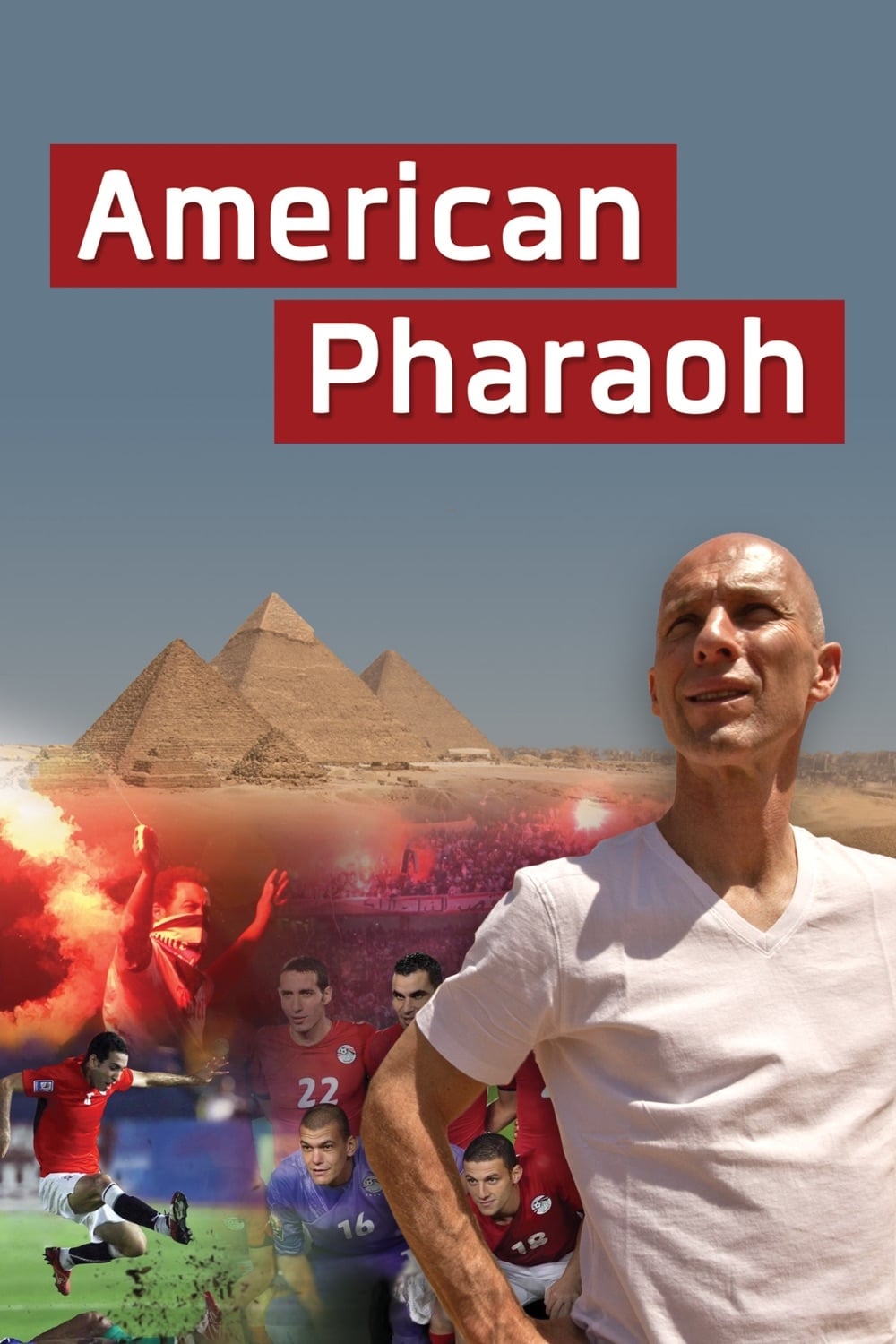
Follows Bradley - only the third American coach to manage a foreign team - his wife, Lindsay, his staff and his players. In gaining access to the training camps and providing in-depth coverage of the Pharaohs' games in Africa, the filmmakers document the team's personal and professional struggles to keep their eyes on the prize of getting to the World Cup while living in and representing a country in turmoil.
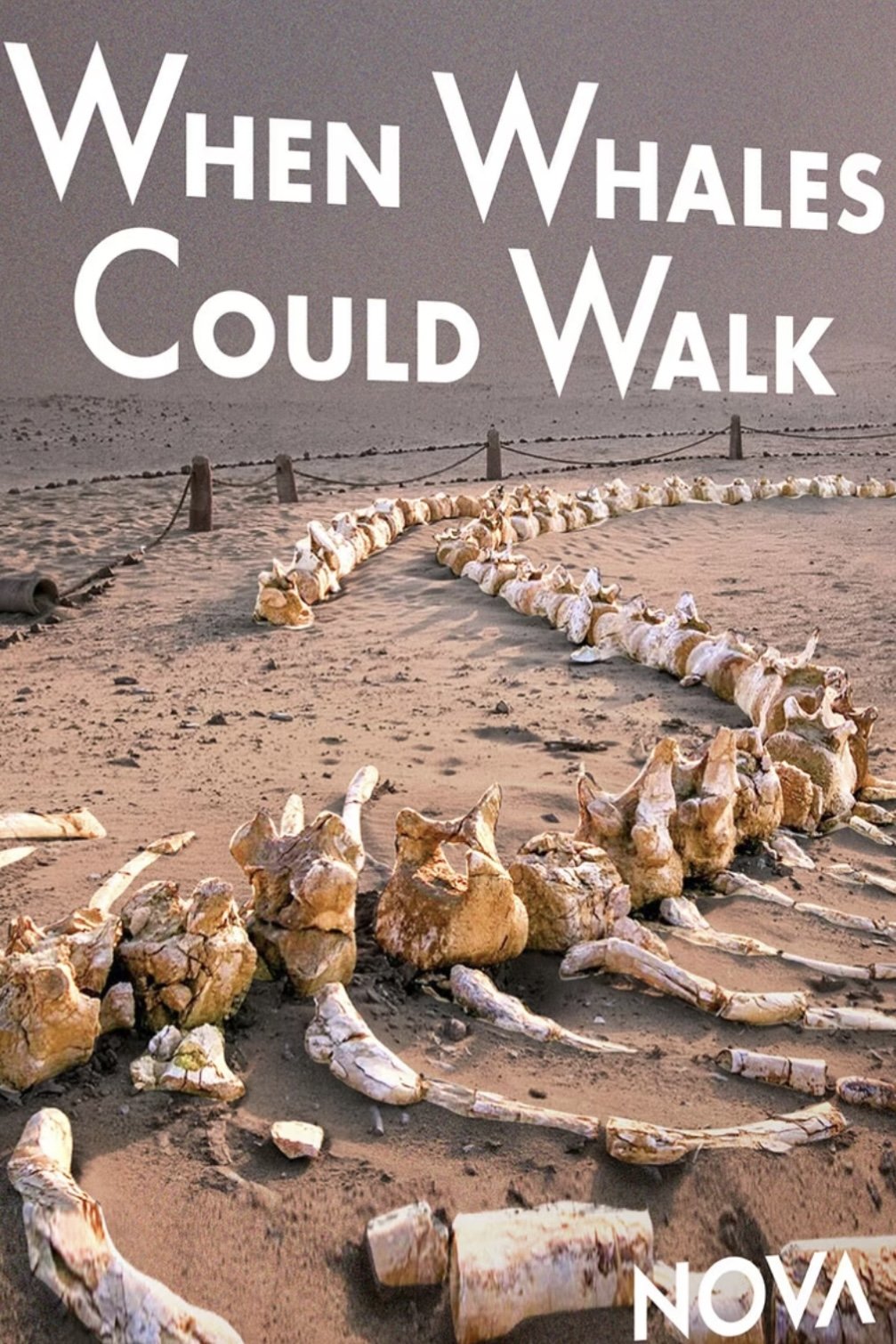
In Egypt's Sahara Desert, massive skeletons with strange skulls and gigantic teeth jut out from the sandy ground. This fossil graveyard, millions of years old, is known as the "Valley of the Whales." Now, paleontologists have unearthed a whole new species of ancient whale dating to 43 million years ago, and this predator wasn't just able to swim – it also had four legs and could walk. Follow scientists as they search for new clues to the winding evolutionary path of mammals that moved from the land into the sea to become the largest animals on Earth.
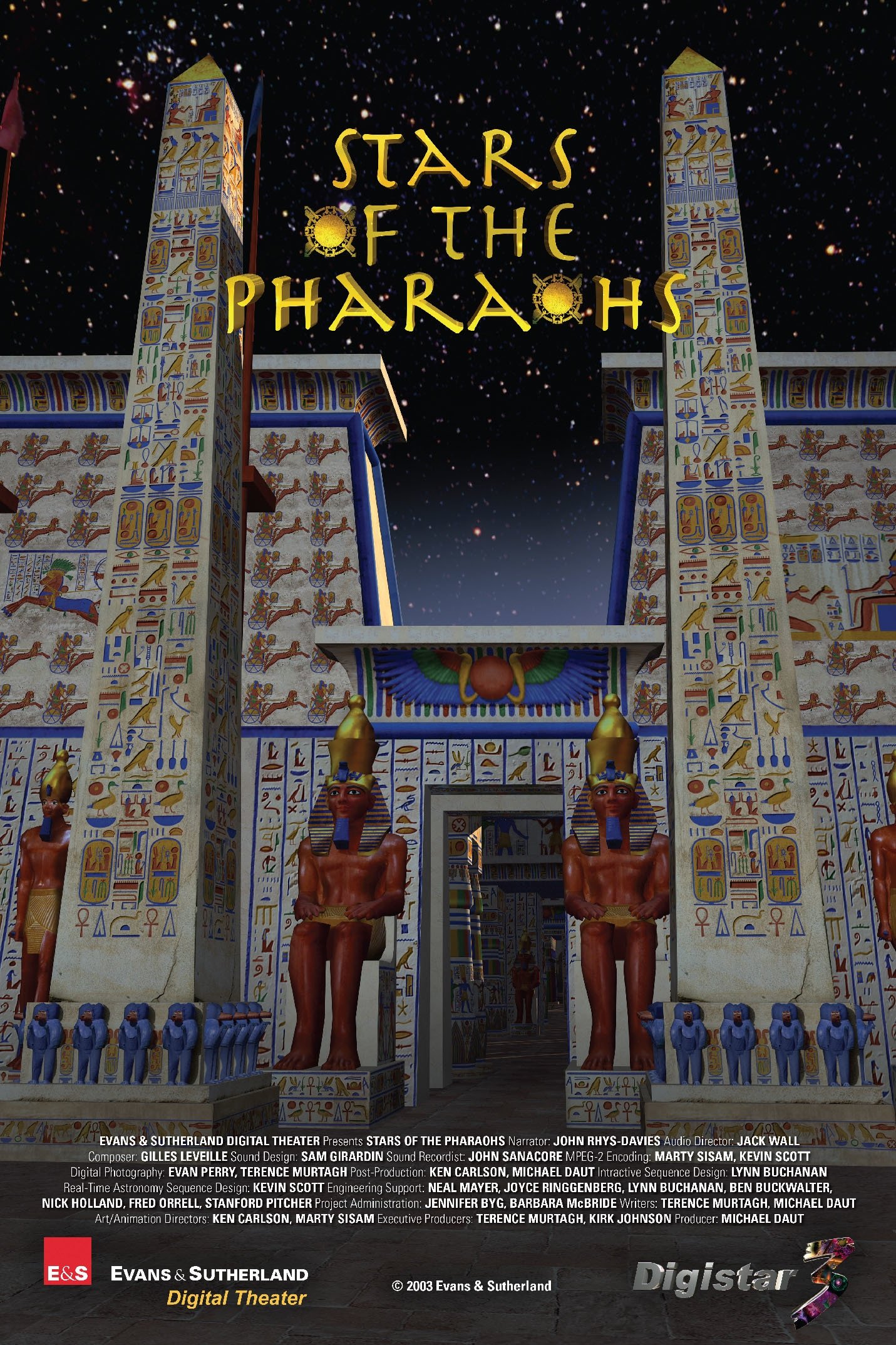
Travel to ancient Egypt to see how science was used to tell time, make a workable calendar, and align huge buildings. You'll learn about the connection the ancient Egyptians felt with the stars and various astronomical phenomena, and experience some of the most spectacular temples and tombs of the ancient world recreated in all of their original splendor. Telly Award winner. Narrated by John Rhys-Davies, of the Indiana Jones films and The Lord of the Rings films.
Go beyond the lost human history! A profile and examination of the recent findings of a highly advanced human settlement submerged at the end of the Ice Age when the sea level rose. The story of Atlantis has its roots in actual historical events!
It is one of Egypt's enduring mysteries. What happened to Nefertiti and her husband, Akhenaten - the radical king, and likely father of King Tut? In a dark and mysterious tomb located in the Valley of the Kings, there is a small chamber with two mummies without sarcophagi or wrappings. At times, both have been identified as Queen Nefertiti by scholars, filmmakers and historians. But the evidence has been circumstantial at best.
The grail is not the gold, nor the books of ancient wisdom, but the 3,000 year old DNA of the mummies, which may lead to a cure for malaria.
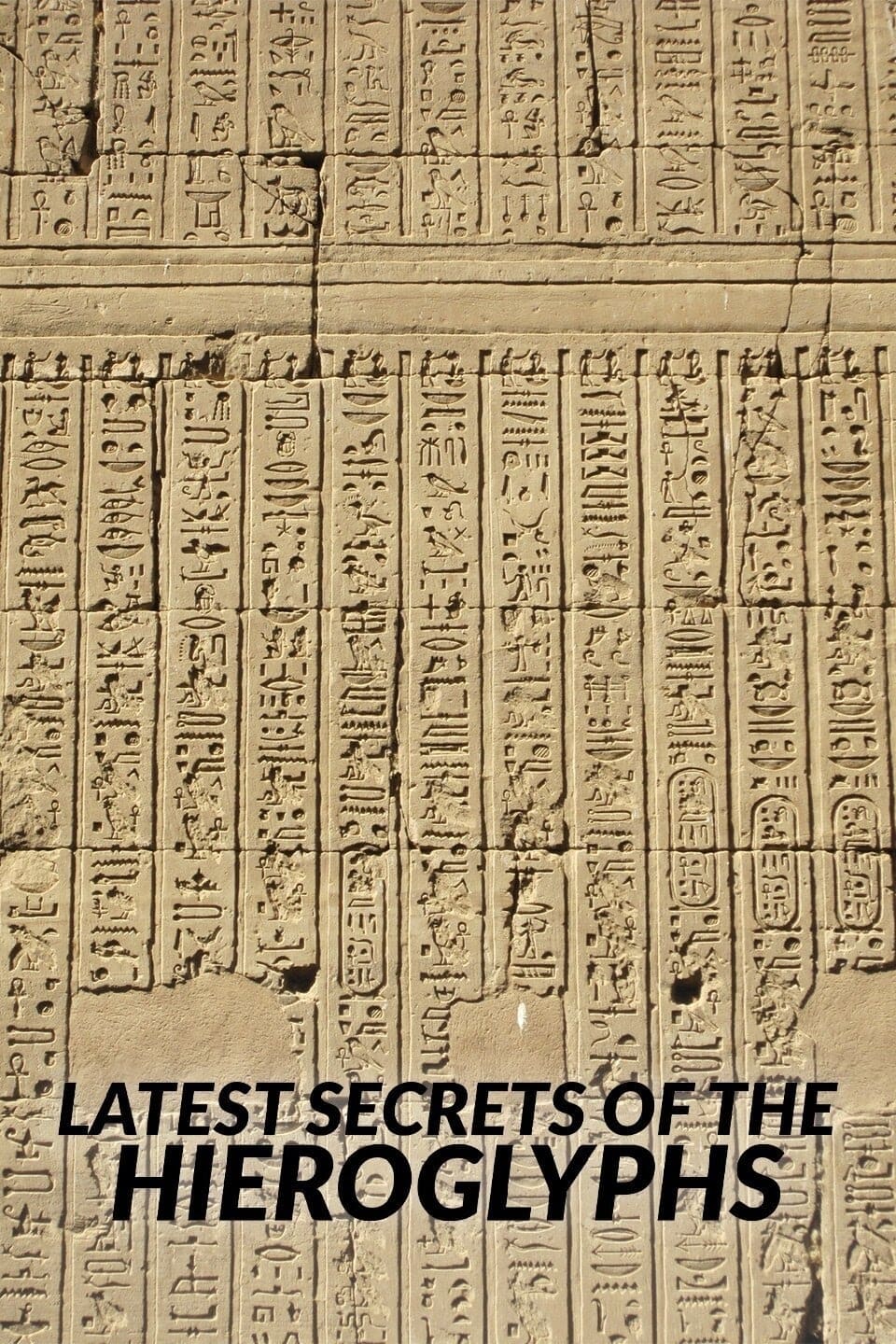
The great history of Egypt is inscribed on its monuments, temples and tombs, but hieroglyphs – the written language of the ancient Egyptians – fell silent until 1822 when a young French scholar, Jean-François Champollion, became the first person to decipher their texts for over a thousand years. Champollion’s insights and the work of other scholars helped bring an entire civilisation back to life. Today, researchers are increasingly interested in the authors who created these hieroglyphic works. Near Luxor, The Latest Secrets of Hieroglyphs follows a new generation of Egyptologists as they unlock the texts inscribed inside a richly adorned tomb, revealing the beliefs and lives of the priests, scribes, painters, engravers and builders who created this grand funerary monument.
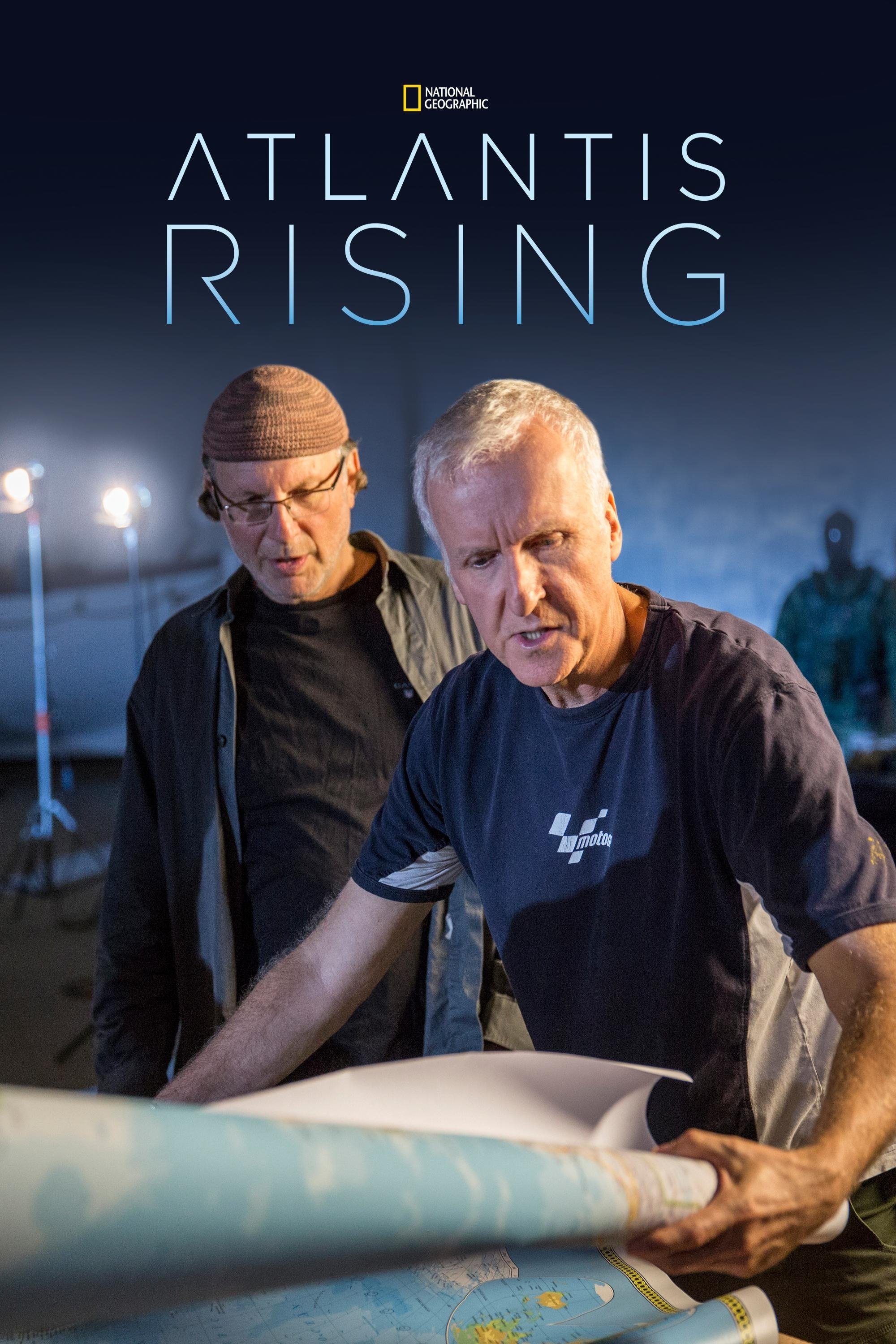
James Cameron and Simcha Jacobovici go on an adventure to find the lost city of Atlantis by using Greek philosopher Plato as a virtual treasure map.
An unprecedented and intimate look at the life, work and enduring legacy of British actress Audrey Hepburn (1929-1993).
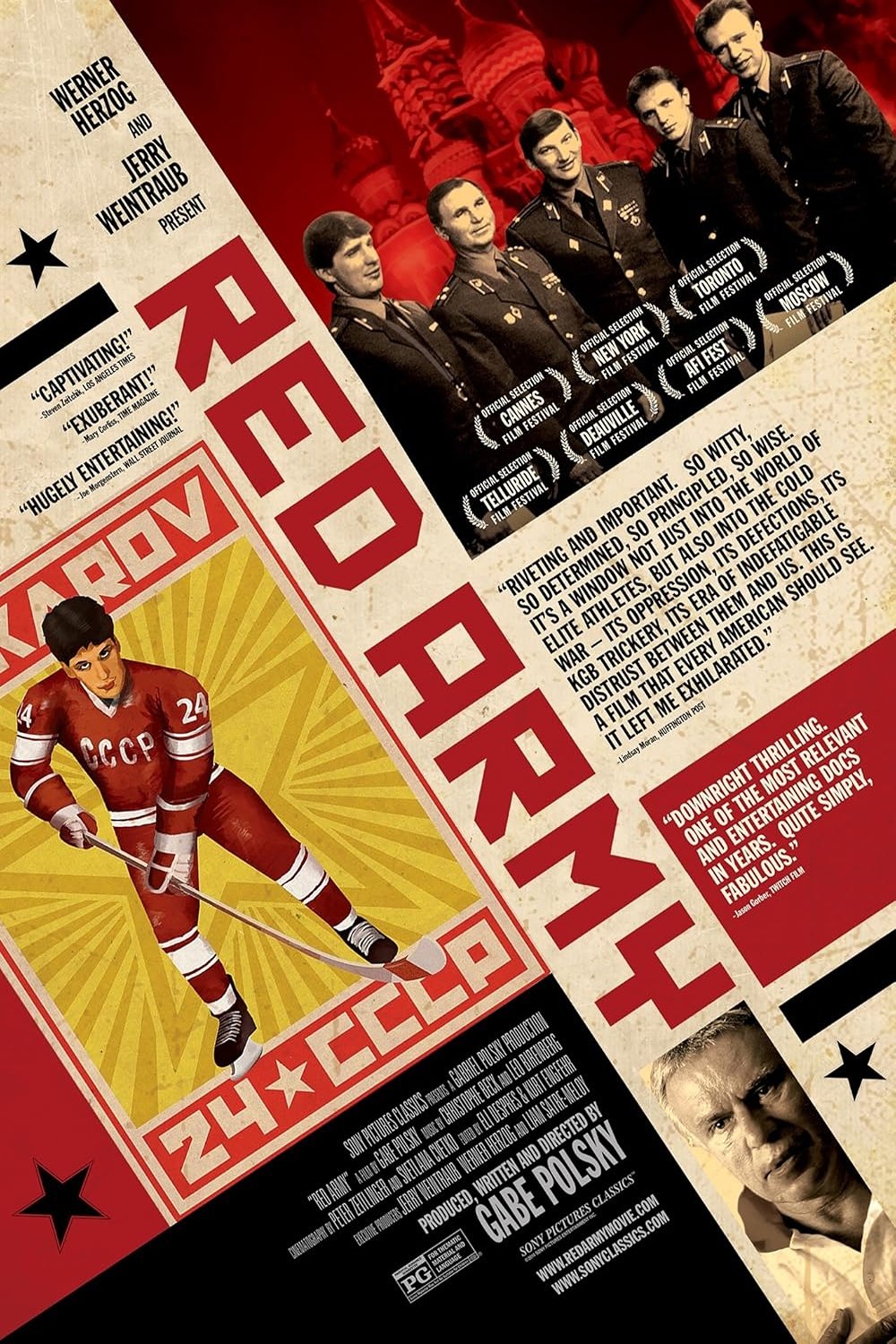
A documentary highlighting the Soviet Union's legendary and enigmatic hockey training culture and world-dominating team through the eyes of the team's Captain Slava Fetisov, following his shift from hockey star and celebrated national hero to political enemy.
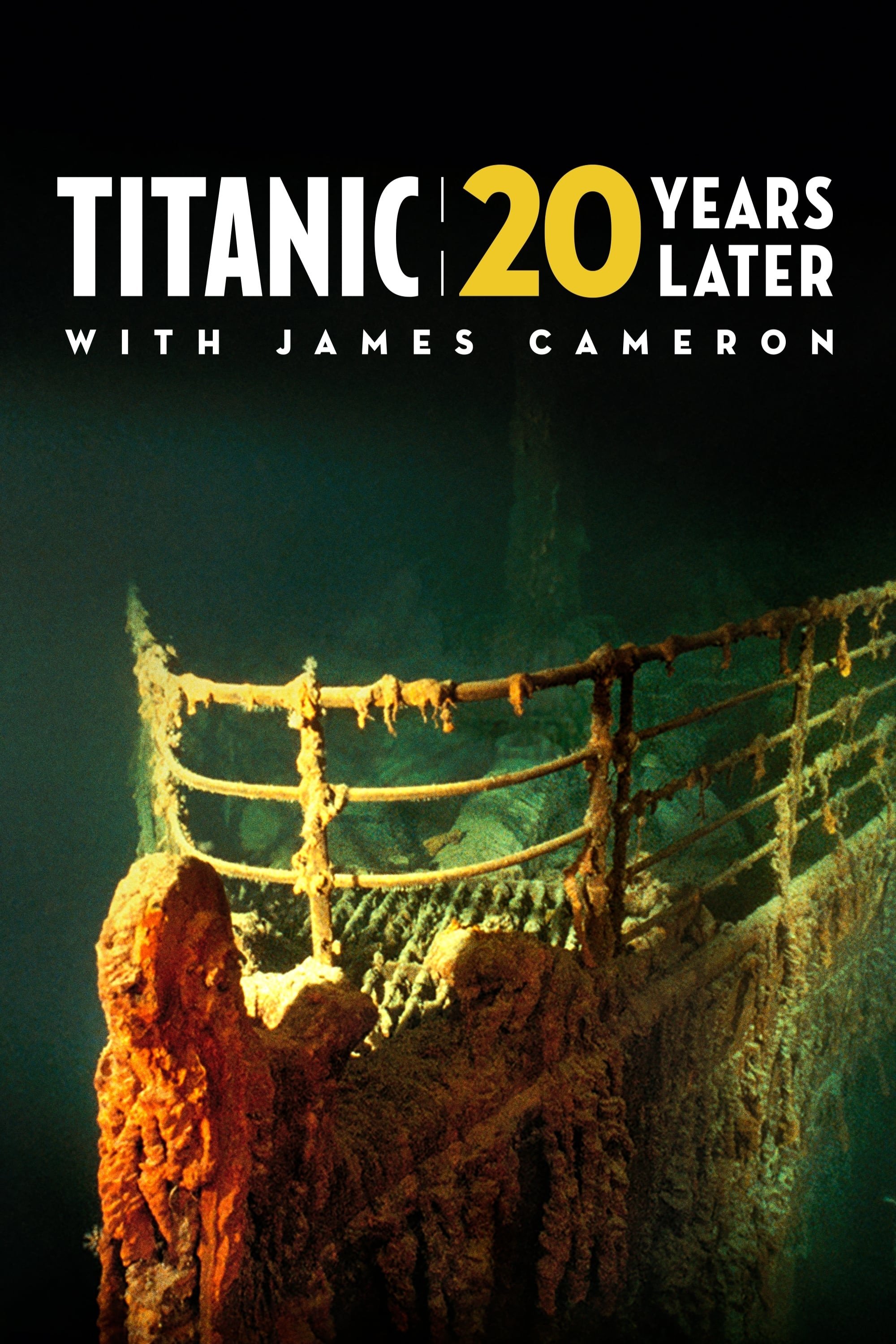
For the 20th anniversary of "Titanic," James Cameron reopens the file on the disaster.
Filmed over 14 months with unprecedented access into the inner circle of the man and the sport, this is the first official and fully authorised film of one of the most celebrated figures in football. For the first time ever, the world gets vividly candid and un-paralleled, behind-closed-doors access to the footballer, father, family-man and friend in this moving & fascinating documentary. Through in-depth conversations, state of the art football footage and never before seen archival footage, the film gives an astonishing insight into the sporting and personal life of triple Ballon D'Or winner Cristiano Ronaldo at the peak of his career. From the makers of ‘Senna’ and ‘Amy’, Ronaldo takes audiences on an intimate and revealing journey of what it’s like to live as an iconic athlete in the eye of the storm.
The history of cinematic sound, told by legendary sound designers and visionary filmmakers.
Oliver Stone charts the history of the United States from the Second World War to the present.
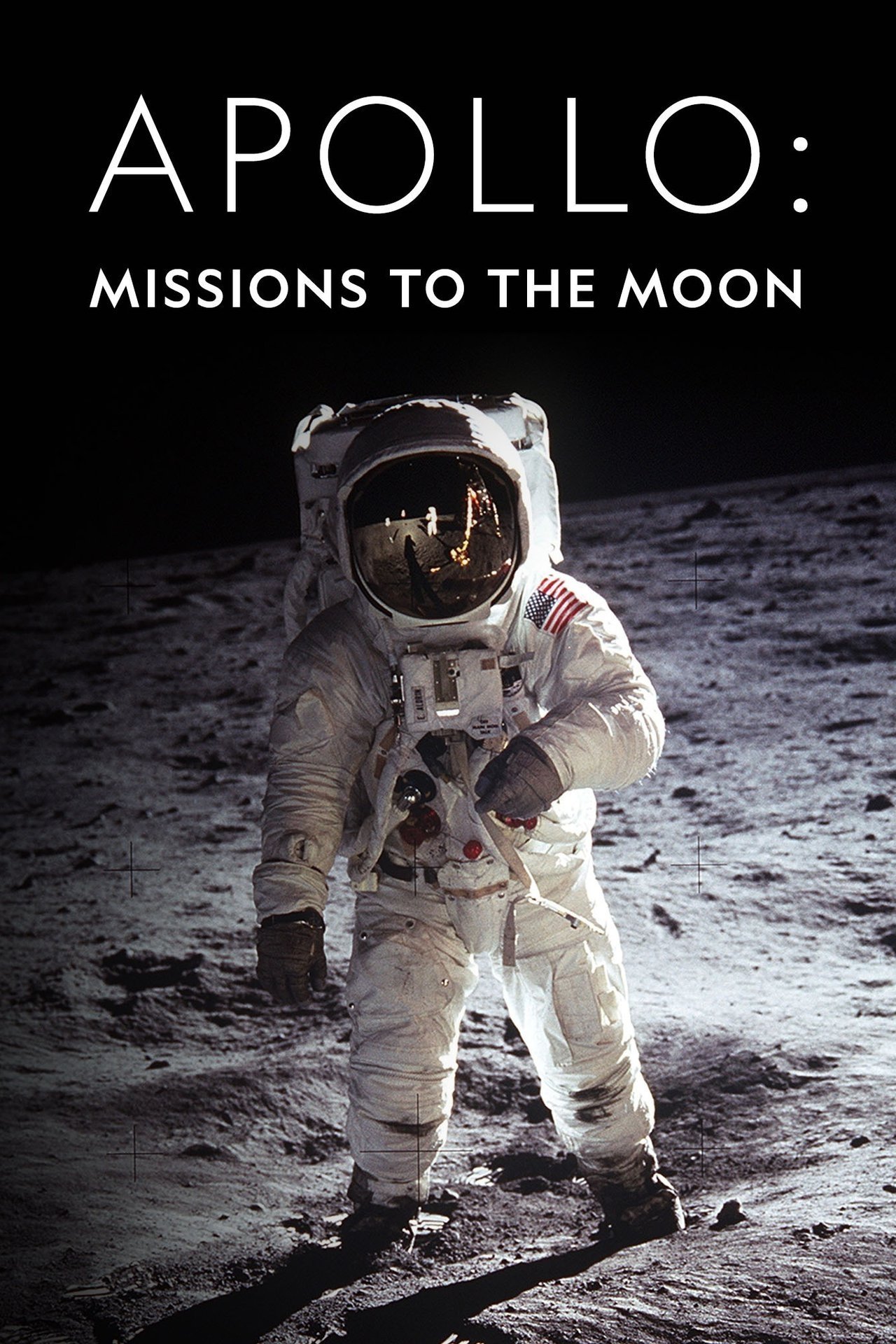
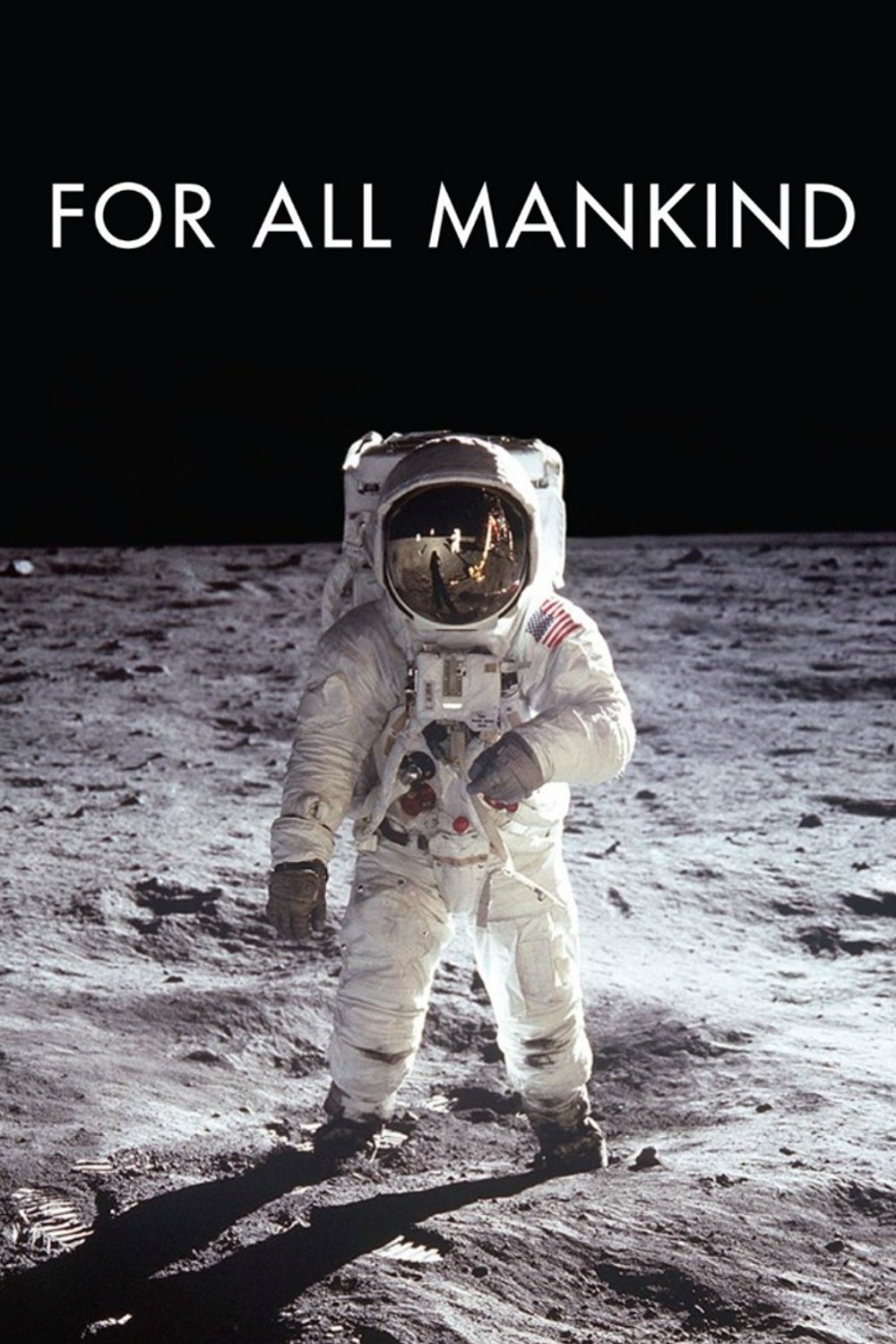
National Geographic's riveting effort recounts all 12 crewed missions using only archival footage, photos and audio.
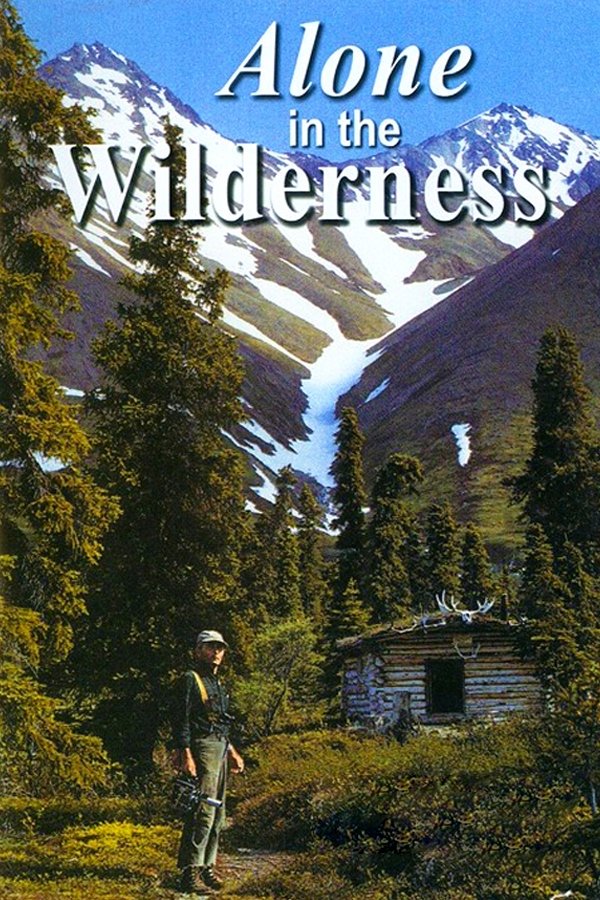
Dick Proenneke retired at age 50 in 1967 and decided to build his own cabin in the wilderness at the base of the Aleutian Peninsula, in what is now Lake Clark National Park. Using color footage he shot himself, Proenneke traces how he came to this remote area, selected a homestead site and built his log cabin completely by himself. The documentary covers his first year in-country, showing his day-to-day activities and the passing of the seasons as he sought to scratch out a living alone in the wilderness.
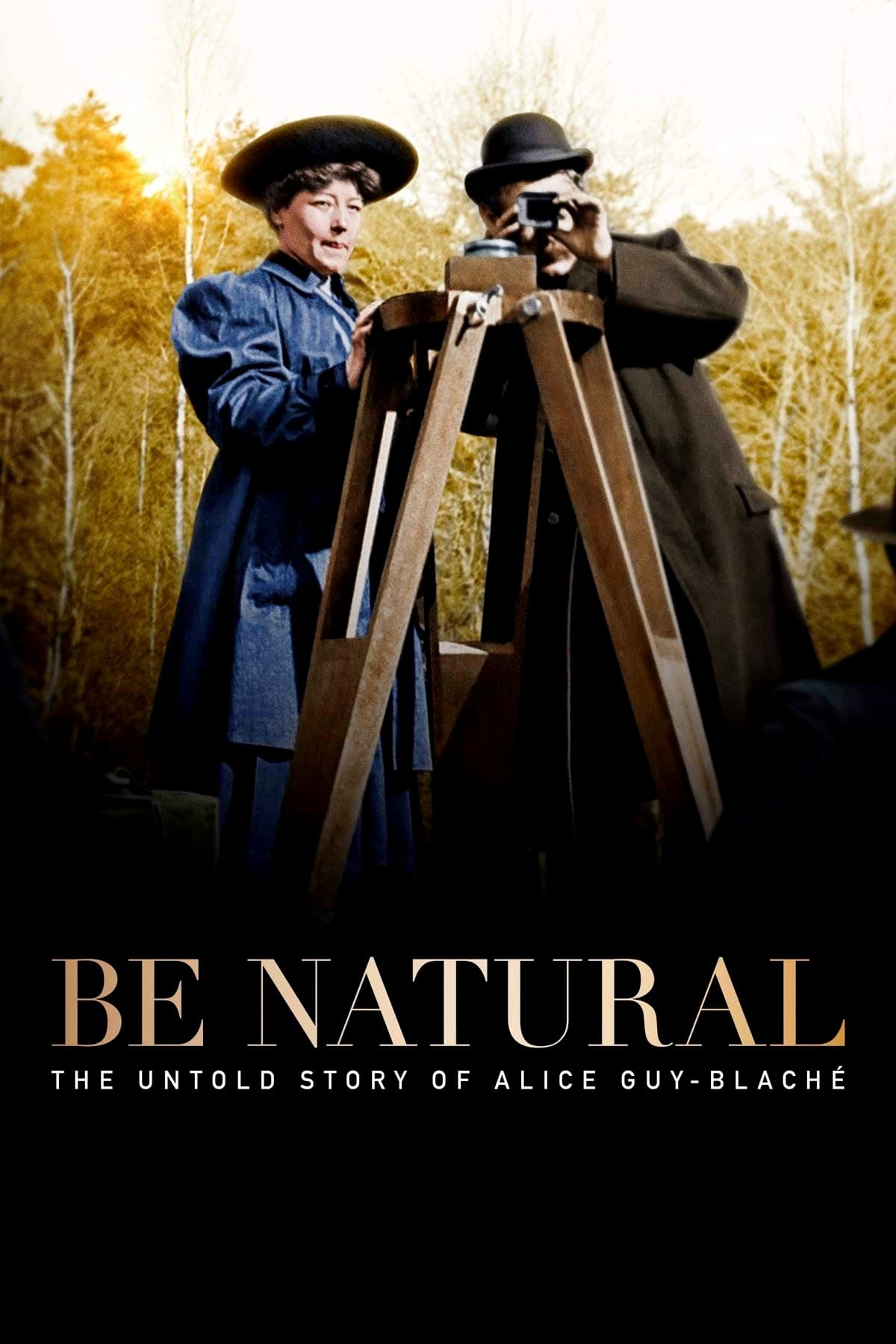
The epic life story of Alice Guy-Blaché (1873–1968), a French screenwriter, director and producer, true pioneer of cinema, the first person who made a narrative fiction film; author of hundreds of movies, but banished from history books. Ignored and forgotten. At last remembered.
In a tiny Alabama town with the curious name of Muscle Shoals, something miraculous sprang from the mud of the Tennessee River. A group of unassuming, yet incredibly talented, locals came together and spawned some of the greatest music of all time: “Mustang Sally,” “I Never Loved a Man,” “Wild Horses,” and many more. During the most incendiary periods of racial hostility, white folks and black folks came together to create music that would last for generations and gave birth to the incomparable “Muscle Shoals sound.”
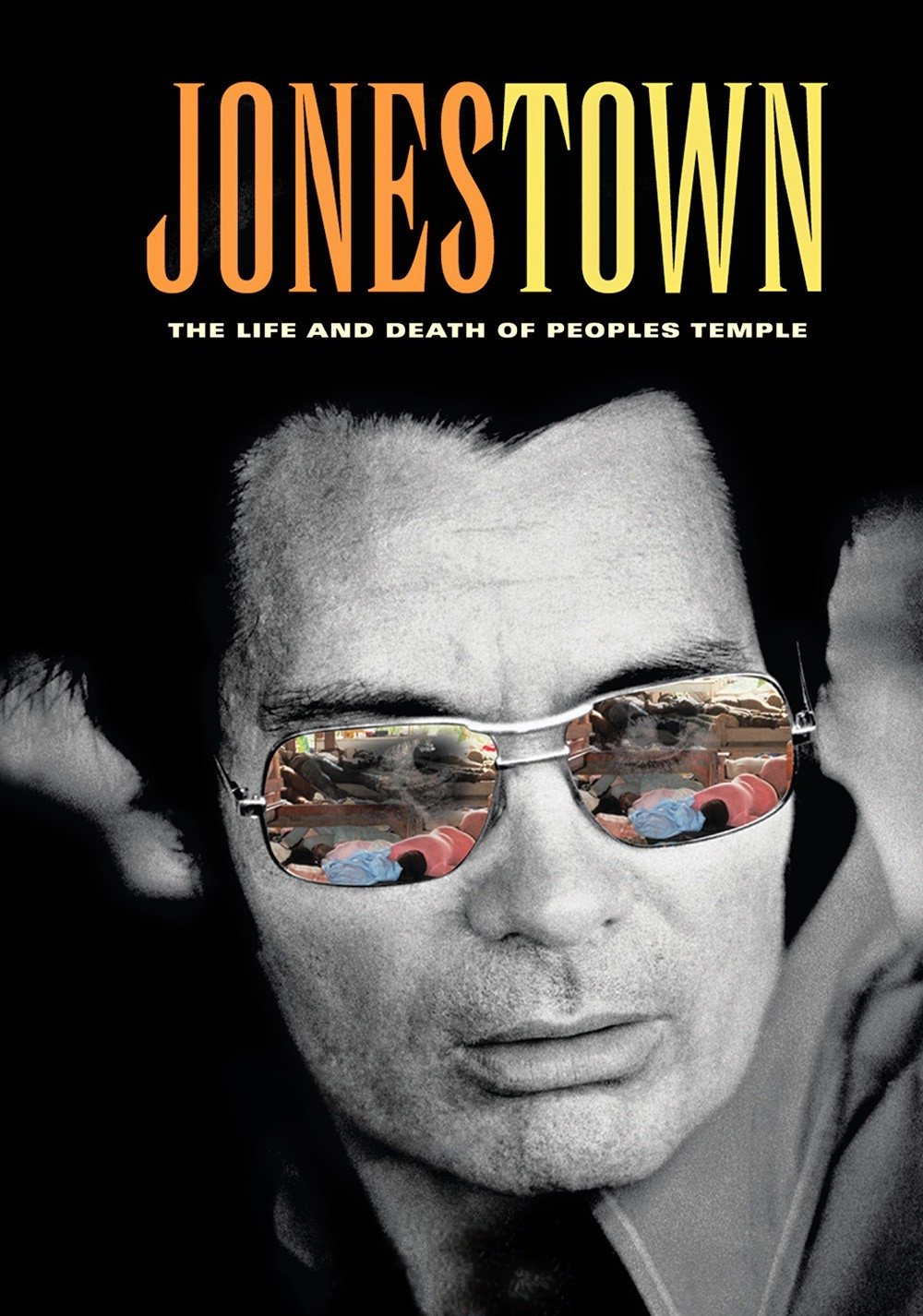
Featuring never-before-seen footage, this documentary delivers a startling new look at the Peoples Temple, headed by preacher Jim Jones who, in 1978, led more than 900 members to Guyana, where he orchestrated a mass suicide via tainted punch.
Archival material from the original NASA film footage – much of it seen for the first time – plus interviews with the surviving astronauts, including Jim Lovell, Dave Scott, John Young, Gene Cernan, Mike Collins, Buzz Aldrin, Alan Bean, Edgar Mitchell, Charlie Duke and Harrison Schmitt.
A testament to NASA's Apollo program of the 1960s and '70s. Composed of actual NASA footage of the missions and astronaut interviews, the documentary offers the viewpoint of the individuals who braved the remarkable journey to the moon and back.
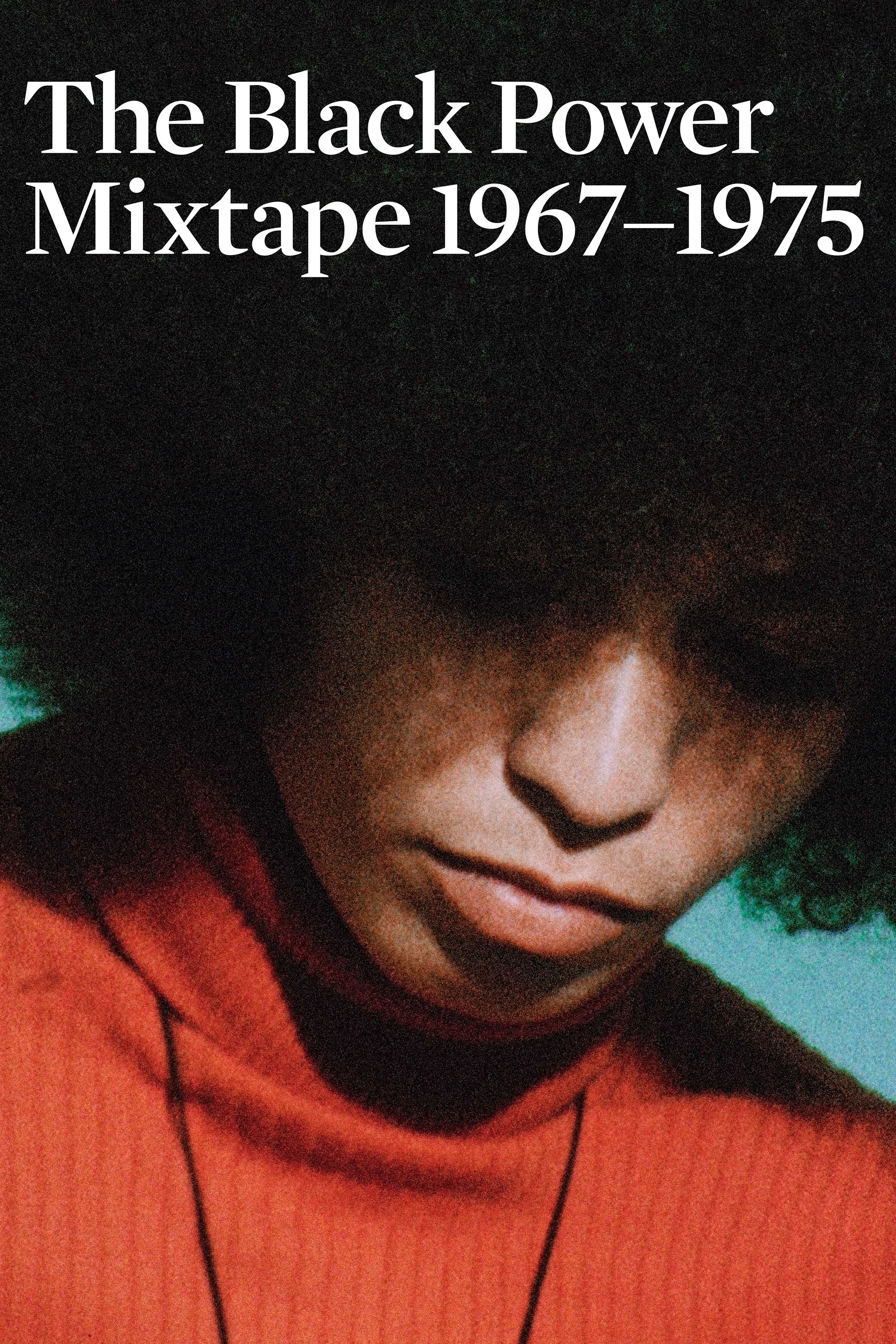
Examines the evolution of the Black Power Movement in US society from 1967 to 1975. It features footage of the movement shot by Swedish journalists in the United States during that period and includes the appearances of Angela Davis, Bobby Seale, Huey P. Newton, Eldridge Cleaver, and other activists, artists, and leaders central to the movement.
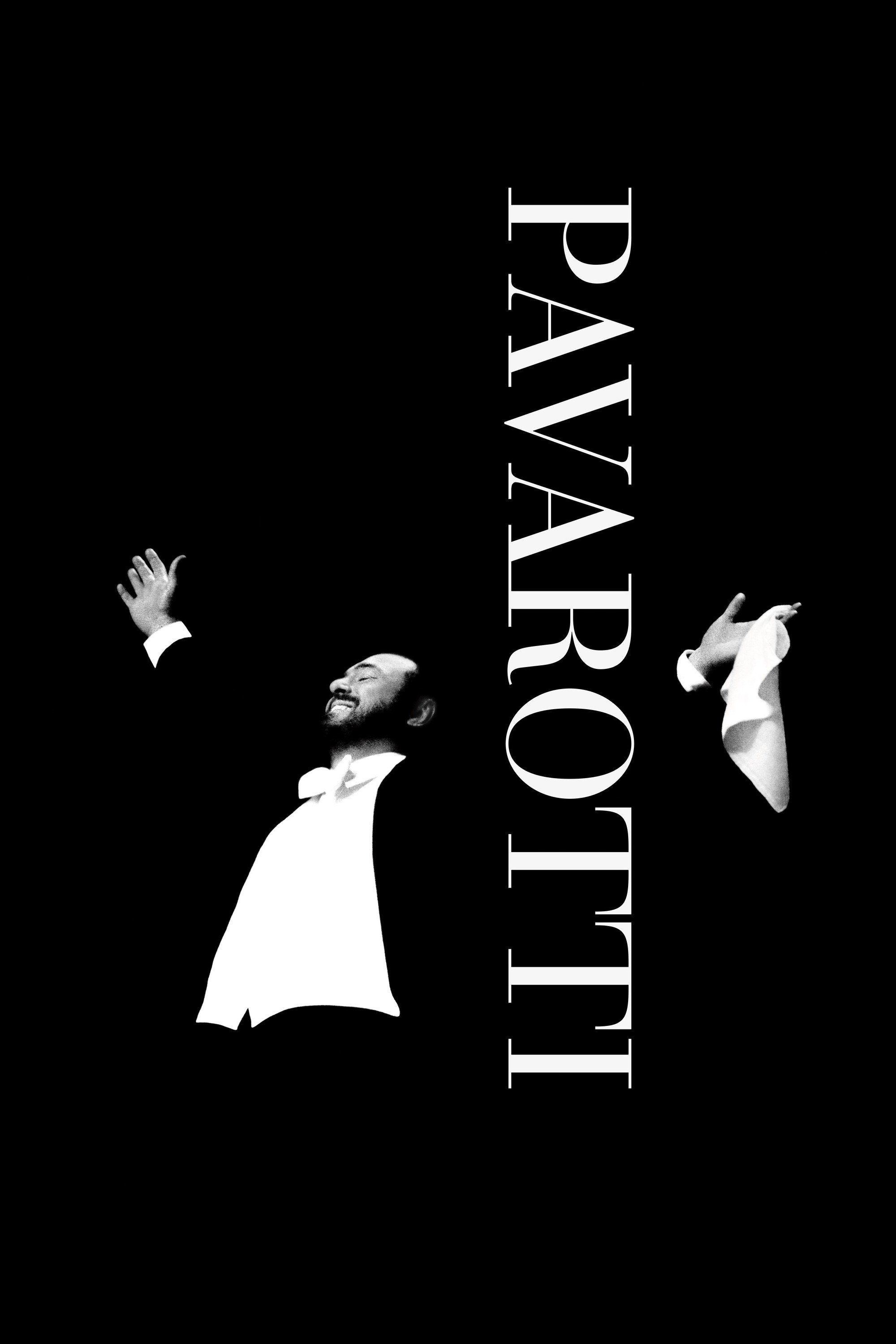
Featuring never-before-seen footage, concert performances and intimate interviews, filmmaker Ron Howard examines the life and career of famed opera tenor Luciano Pavarotti.
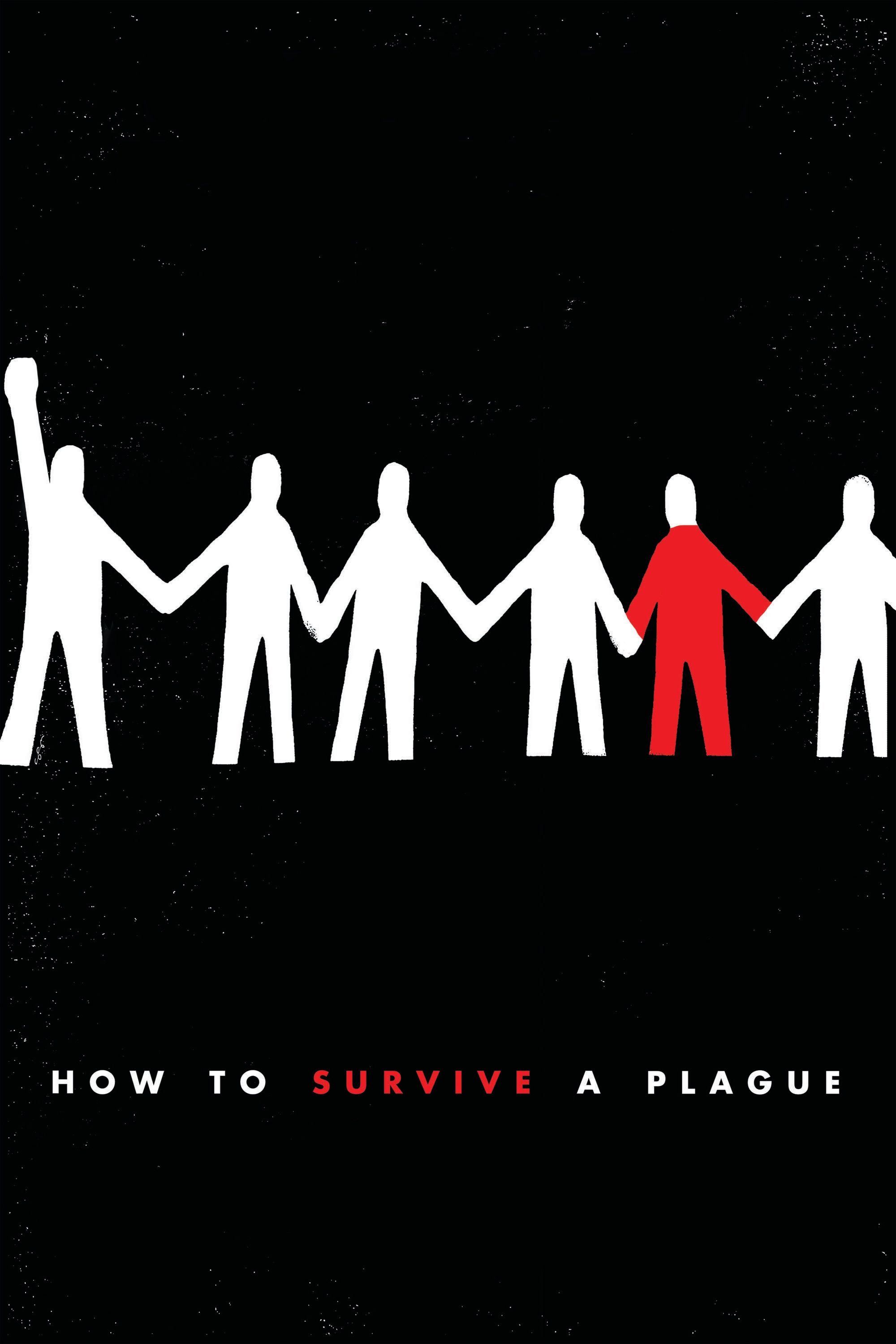
A story of two coalitions – ACT UP and TAG (Treatment Action Group) – whose activism and innovation turned AIDS from a death sentence into a manageable condition. Despite having no scientific training, these self-made activists infiltrated the pharmaceutical industry and helped identify promising new drugs, moving them from experimental trials to patients in record time.
Michael Moore comes home to the issue he's been examining throughout his career: the disastrous impact of corporate dominance on the everyday lives of Americans (and by default, the rest of the world).
This remarkable journey across our planet and universe explores how meteorites, shooting stars, and deep impacts have awoken our wonder about other realms—and make us rethink our destinies.
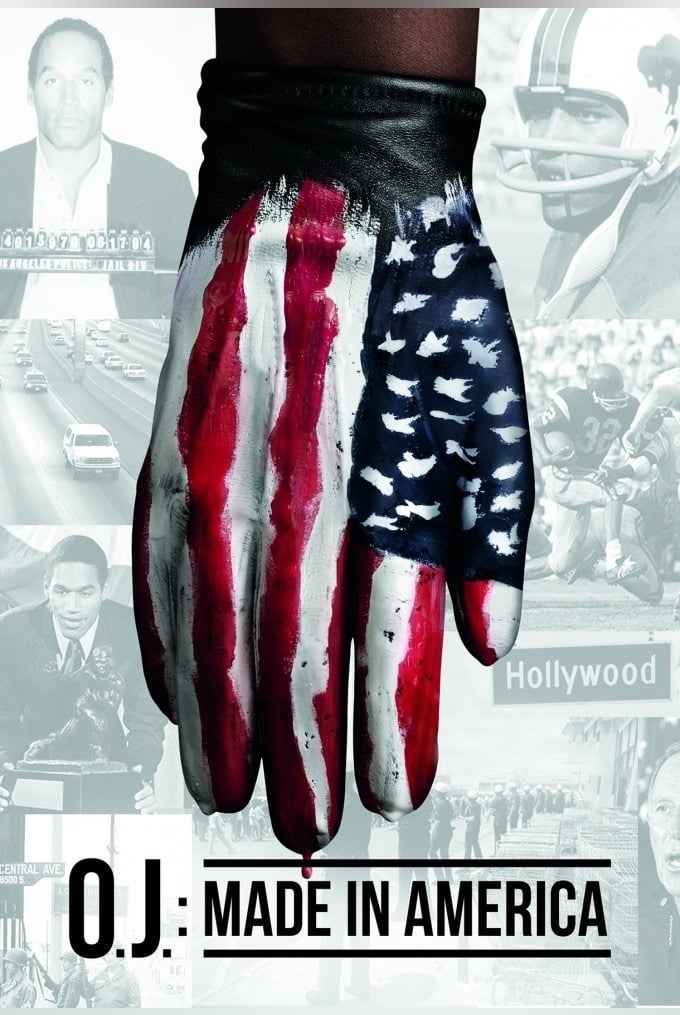
A chronicle of the rise and fall of O.J. Simpson, whose high-profile murder trial exposed the extent of American racial tensions, revealing a fractured and divided nation.