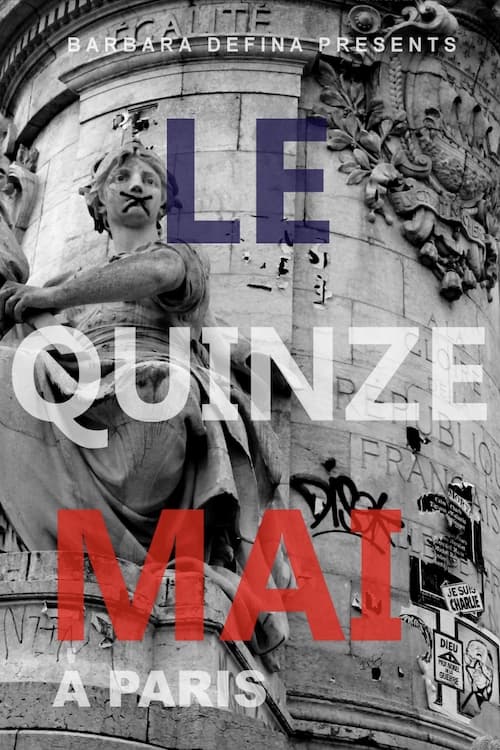
Shots of Paris on May 15, 2016 with a Parisian narrator telling us the story of May 15, 1848, when protesters finally pushed the establishment to let them have a popular vote to elect their ruler.
Social & External
The people behind it
Nathalie Simille
Narration
“In a world that often demands certainty, Dialogues des Carmélites invites us to sit with profound questions that have no easy answers: What makes a life worthy? How can we be truly prepared for our inevitable end? What does security mean when everything familiar is threatened? What sustains us when our institutions crumble? … Rather than imposing answers, the opera creates room for reflection on how faith manifests not as abstract doctrine, but as lived experience under extraordinary pressure.” — Louisa Muller, Director’s Note. Juilliard Opera directed by Louisa Muller. Matthew Aucoin conducts the Juilliard Orchestra. Performed and recorded on April 26, 2025 at the Peter Jay Sharp Theater. Dialogues des Carmélites, an opera by Francis Poulenc. Libretto adapted by the composer.
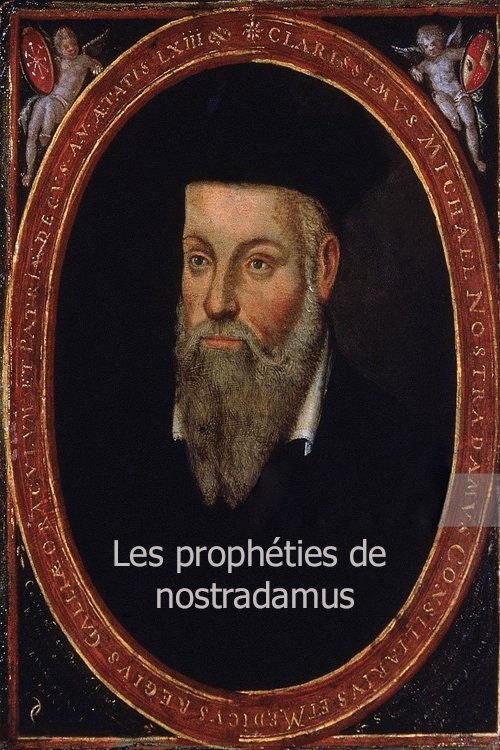
Debunking the mythology surrounding the 16th century French prophet, Nostradamus.
Directed by Jacob Miguel, "PUNK ROCK LOTTERY" embarks on a mission to capture the rapid growth of an annual event known as "The Punk Rock Lottery" in Austin, Texas. What sets this film apart is its self-awareness, playfully breaking the fourth wall and transforming into an immersive journey through history and the creative process. The narrative builds its foundation by featuring insights from punk legends and influential figures who helped shape both the film and Austin itself. As the story unfolds, it delves into the heart of the project as Jacob actively participates in the event, offering an inside look at the frenetic pace of life in a band. Through the experiences of over 30 characters, the film uncovers universal truths about creativity, camaraderie, and the struggles inherent in pursuing one's artistic passion.
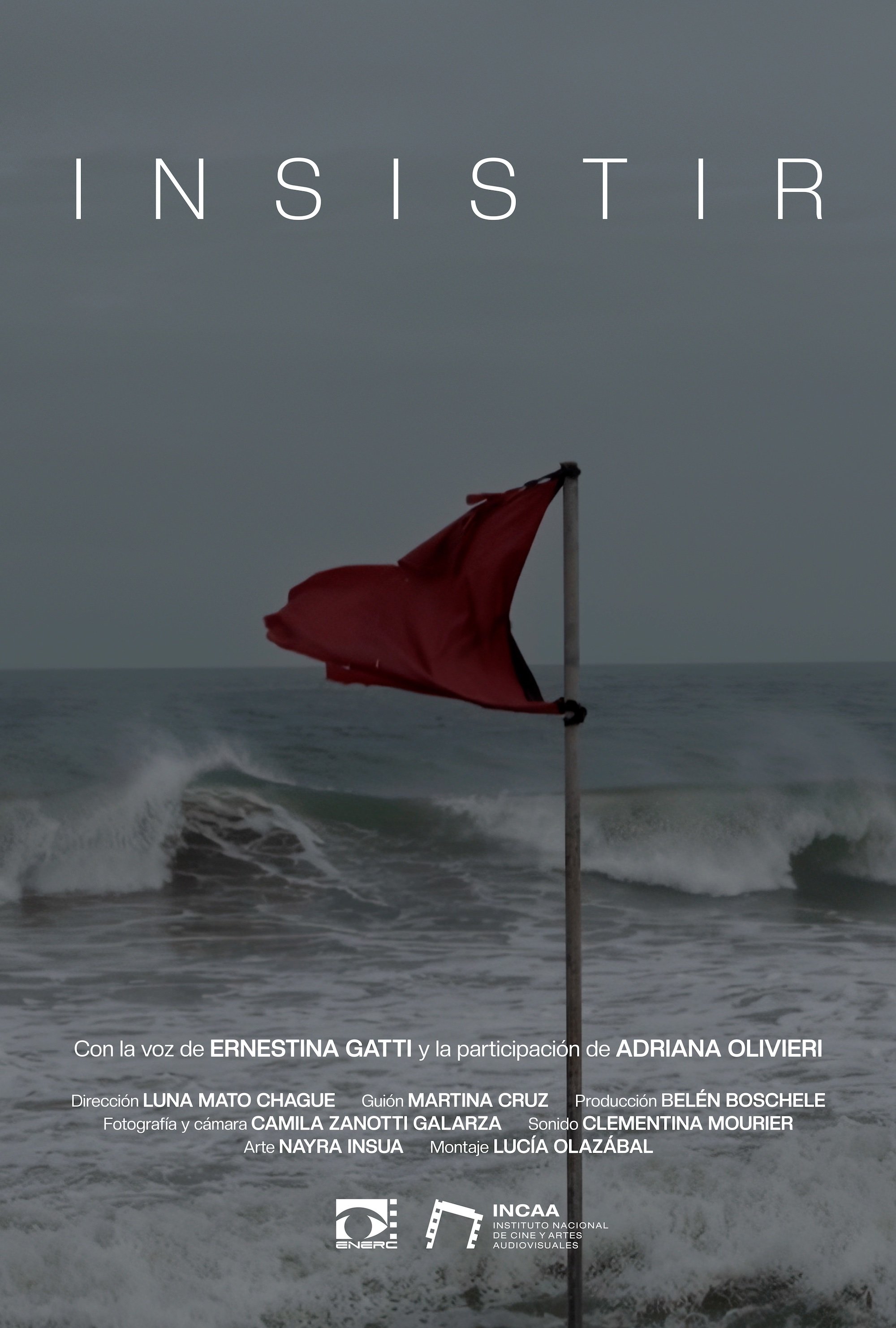
A documentary about the sea and memory. Its movement is its form. Its strength.
A stasis work invoking the memory of the lynching of Mary Turner, a young, pregnant African American woman in South Georgia. Publicly demanding justice after the murder of her husband, Turner was kidnapped by a mob, hung up in a tree, set on fire, her child cut out and killed, and shot hundreds of times before being buried on-site in 1918. Returning to the origins of cinema, filmed on the exact date and time of Turner’s lynching 105-years earlier, # 3 uses form, time, light, shadow, and landscape as metaphor to not only invoke the memory of Mary Turner, but to also ponder perspective relating to racial violence, violence against women, our failure to acknowledge our past, and the racial divide that continues to exist today in the schizophrenia of America life.
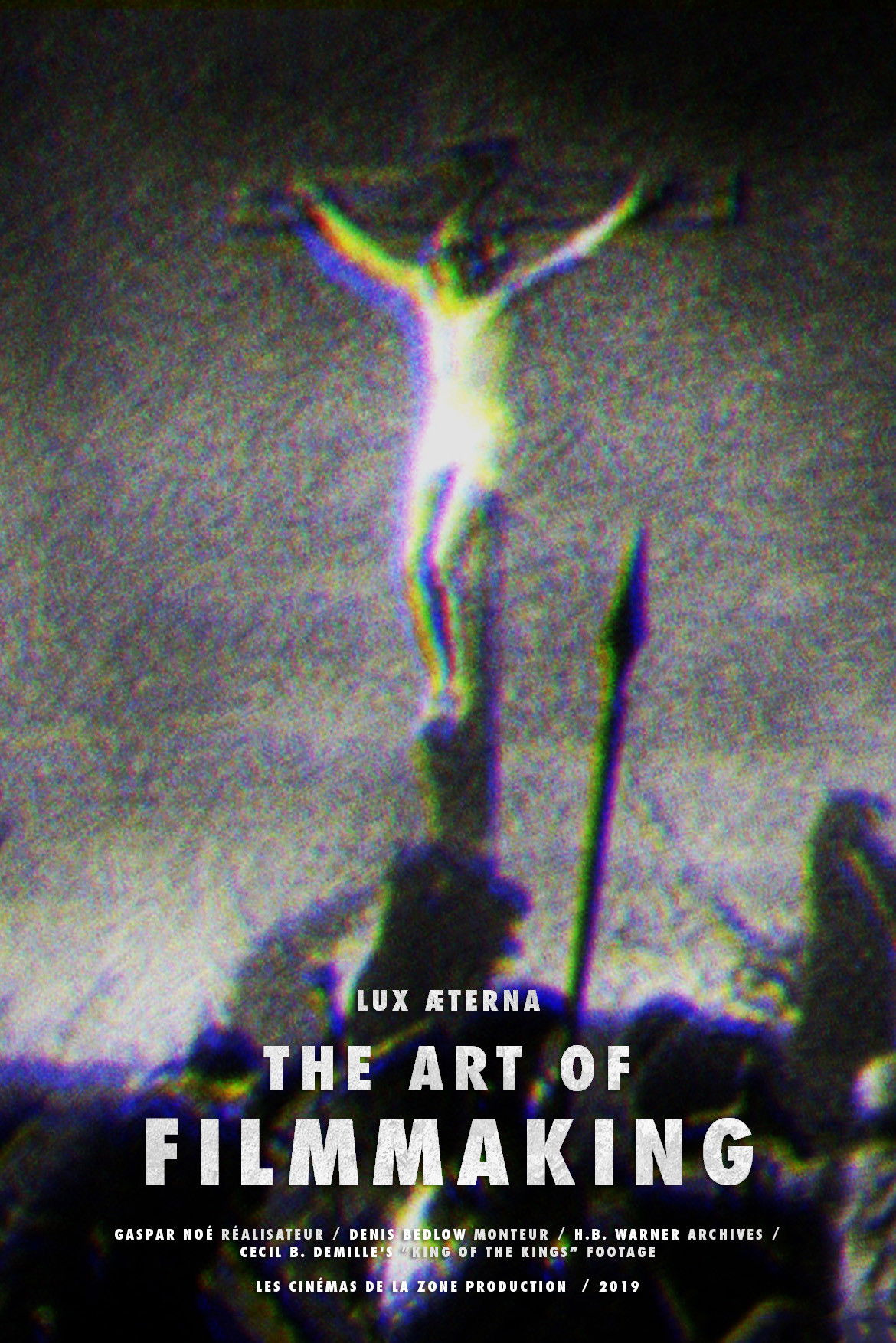
An experimental shortfilm in line with "Lux Æterna", showcasing the footage from Cecil B. DeMille's "King of the Kings". A voiceover pronunces word "Relax" in a hypnotic tone, which was Lux Æterna's working title. It was shown only once in Paris at L'Étrange Festival, at the opening of "Lux Æterna".
After concluding the now-legendary public access TV series, The Pain Factory, Michael Nine embarked on a new and more subversive public access endeavor: a collaboration with Scott Arford called Fuck TV. Whereas The Pain Factory predominantly revolved around experimental music performances, Fuck TV was a comprehensive and experiential audio-visual presentation. Aired to a passive and unsuspecting audience on San Francisco’s public access channel from 1997 to 1998, each episode of Fuck TV was dedicated to a specific topic, combining video collage and cut-up techniques set to a harsh electronic soundtrack. The resultant overload of processed imagery and visceral sound was unlike anything presented on television before or since. EPISODES: Yule Bible, Cults, Riots, Animals, Executions, Static, Media, Haterella (edited version), Self Annihilation Live, Electricity.
Experimental movie, where a man comes home and experiences LSD. His kaleidoscopic visions follow, with readings inspired by the Tibethan Book of the Dead.
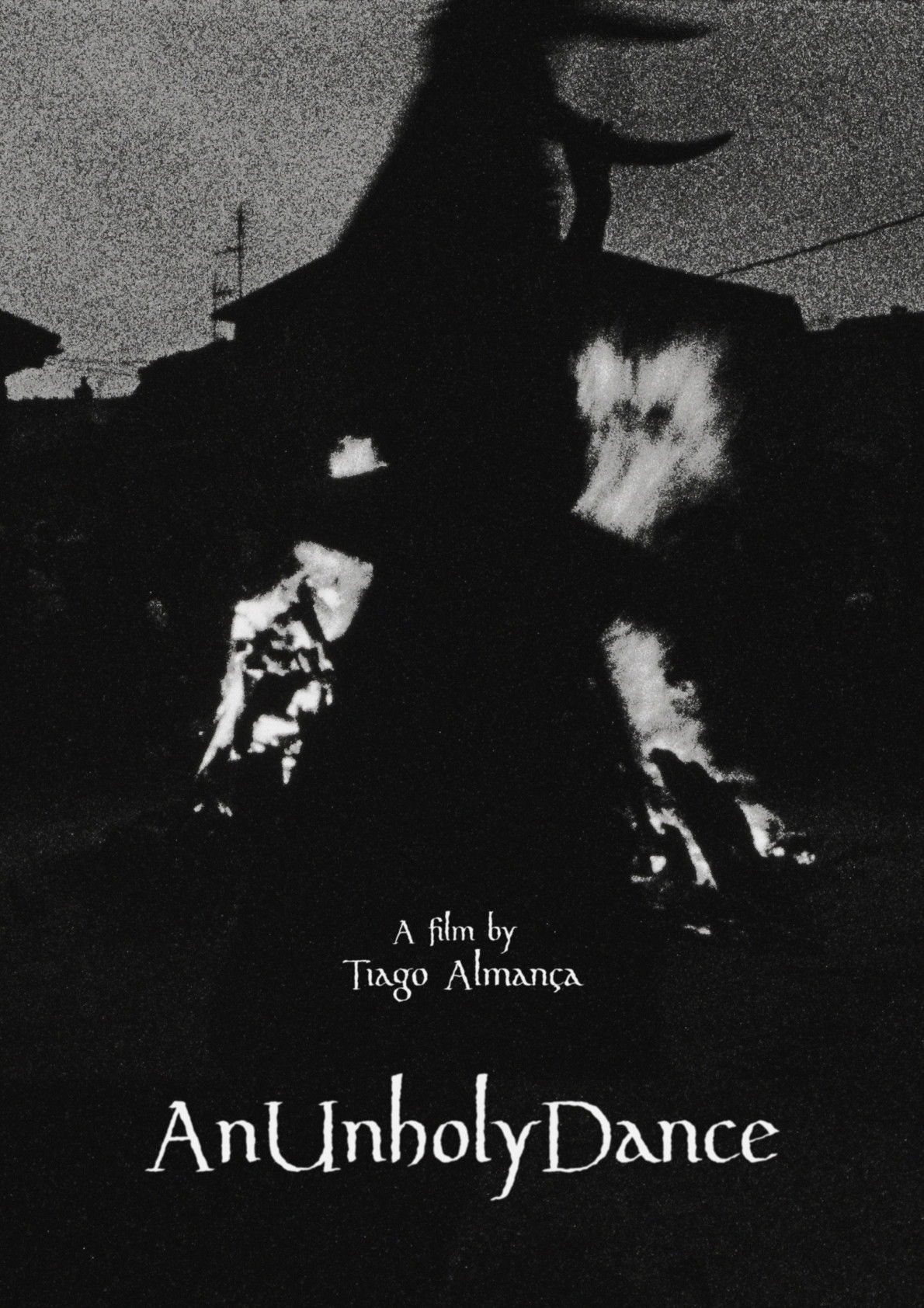
Every winter, a small town in Castilla-La Mancha called Luzón transforms into a little hell. Its inhabitants, dressed as devils, venture into the darkness and roam its streets with horns, bells, and smeared with soot. Una dança non sancta could have been just an anthropological documentary. Instead, it delves into the inferno with the town’s residents to participate in and immortalize this unholy ritual.
In a nightmarish world, dominated by the decline and degradation of Man , Christ resurrected wandering, across three different eras of human history.
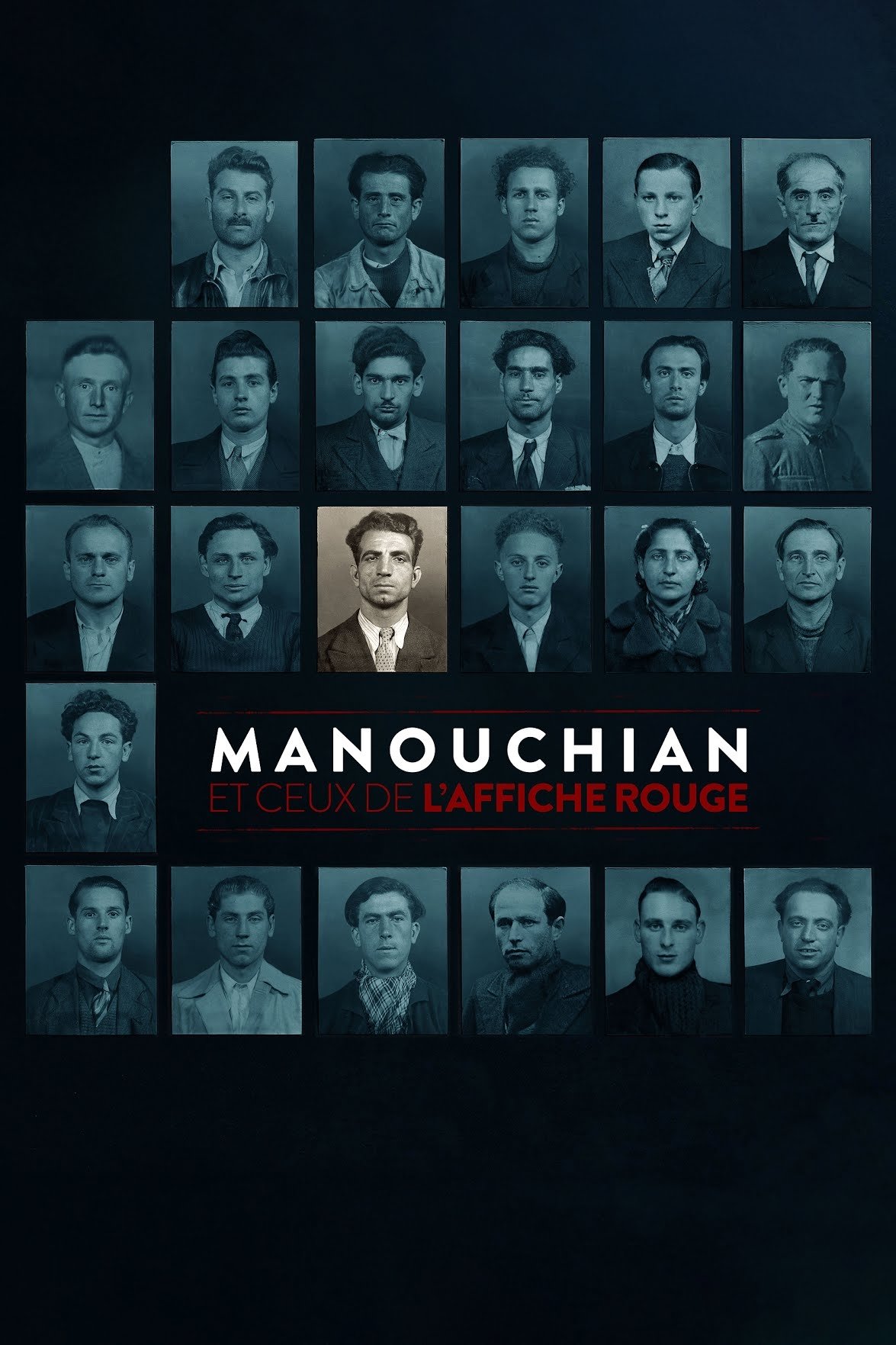
In February 1944, in a courtyard at Fresnes Prison, the Germans staged a spectacle to stigmatize a group of communist resistance fighters—all foreigners and mostly Jewish—who had been arrested a few weeks earlier. The propaganda aimed to discredit these fighters, portraying them as terrorists and criminals, even though they had managed to carry out numerous attacks against the occupiers in Paris. The red poster, plastered in thousands of copies across the country, would immortalize them in legend. They were subsequently executed at Mont-Valérien, near Paris. Missak Manouchian, the Armenian who led these fighters, now embodies this group in the collective memory as he is enshrined in the Panthéon, on behalf of all his comrades, 80 years after their execution.
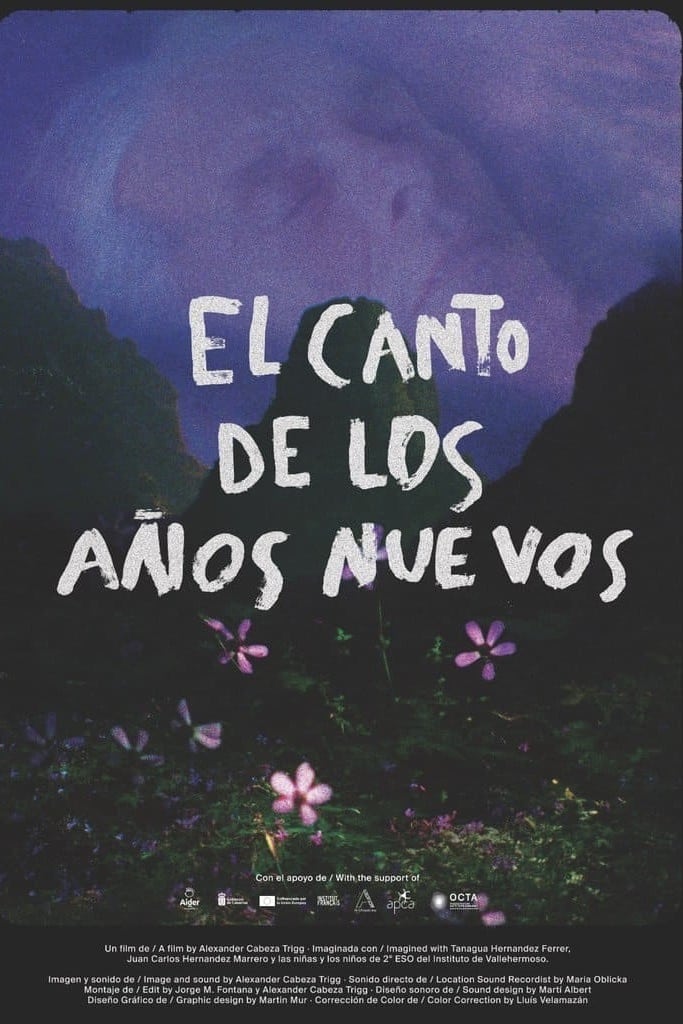
On the island of La Gomera, children imagine stories while they examine archeological remains. An ethno-fictional journey in which past and present coalesce, creating resonances between the volcanic landscape and Silbo, the whistled language of the island.
The story takes place in the year 1977 about the hero fleeing into the forest during the time when soldiers, police suppressed the communists. One day he meets the first villagers, everyone is afraid, but when the hero observes and analyzes that this villager is not disguised. A true villager Little knowledge due to loneliness of having to watch the spot alone, the hero tells the villagers to come back and forth. They are close to each other. It can be seen that only political ideology can divide us. One day the villagers suddenly didn't come as scheduled. The protagonist goes looking for the villagers. making the hero see bad things again
The history and trauma of two men, brought together by war, is exposed when a mysterious visitor treads familiar ground.
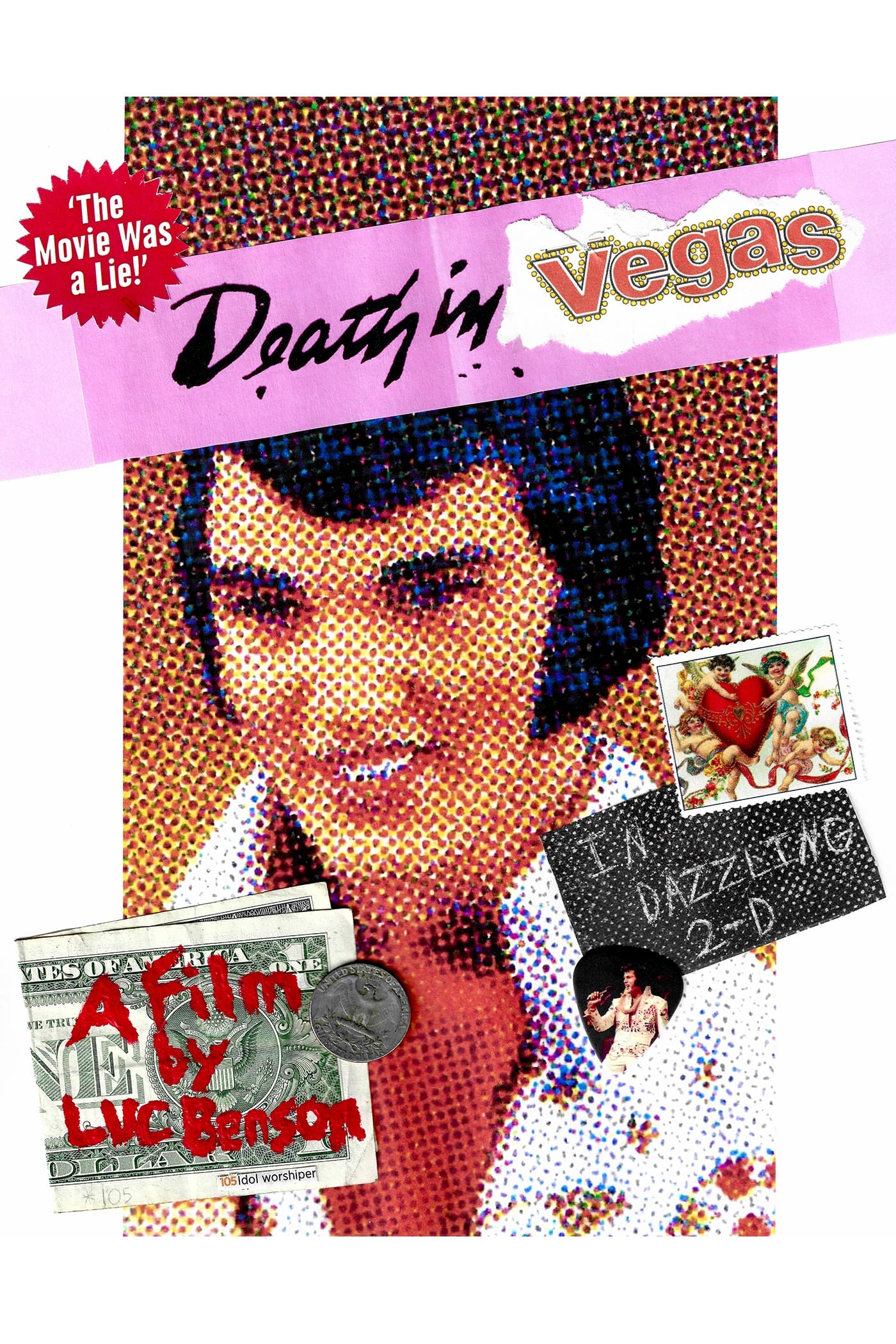
The life, death, and resurrection of Elvis Presley, as he is transformed from man into product. Composed primarily of an illustrated biography filmed with a microscope camera.
A personal experimental exploration of the book of Psalms in the Holy Bible
The amplitude of time recollected. A hasty communion with rapidly desiccating memory, a blend of film and digitalia in which the shapes of living things are made to resemble mere scratches and scrawlings on the face of the void.
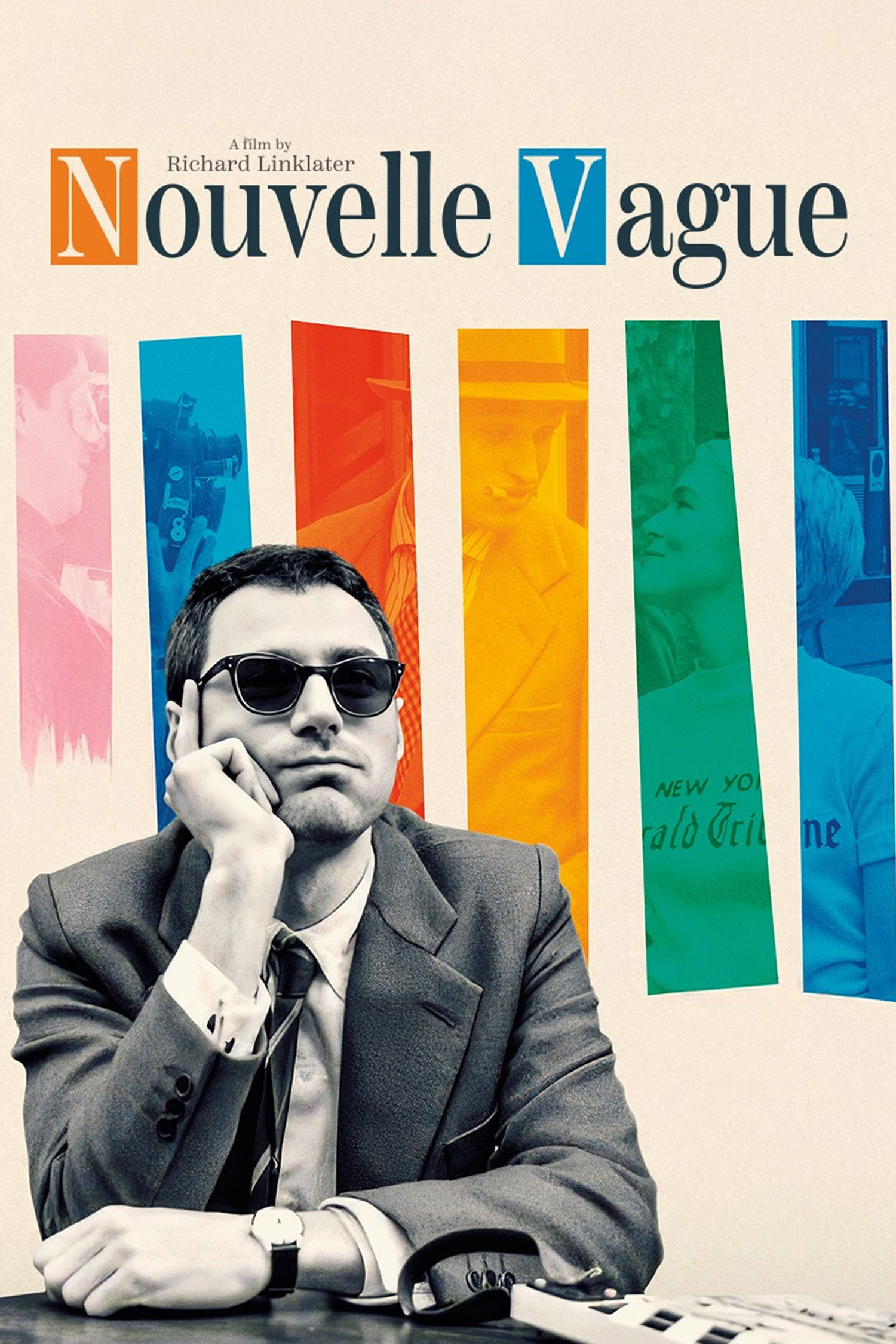
After writing for Cahiers du cinéma, young Godard decides making films is the best film criticism. He gets Beauregard to fund a low-budget feature, creating a treatment with Truffaut about a gangster couple.
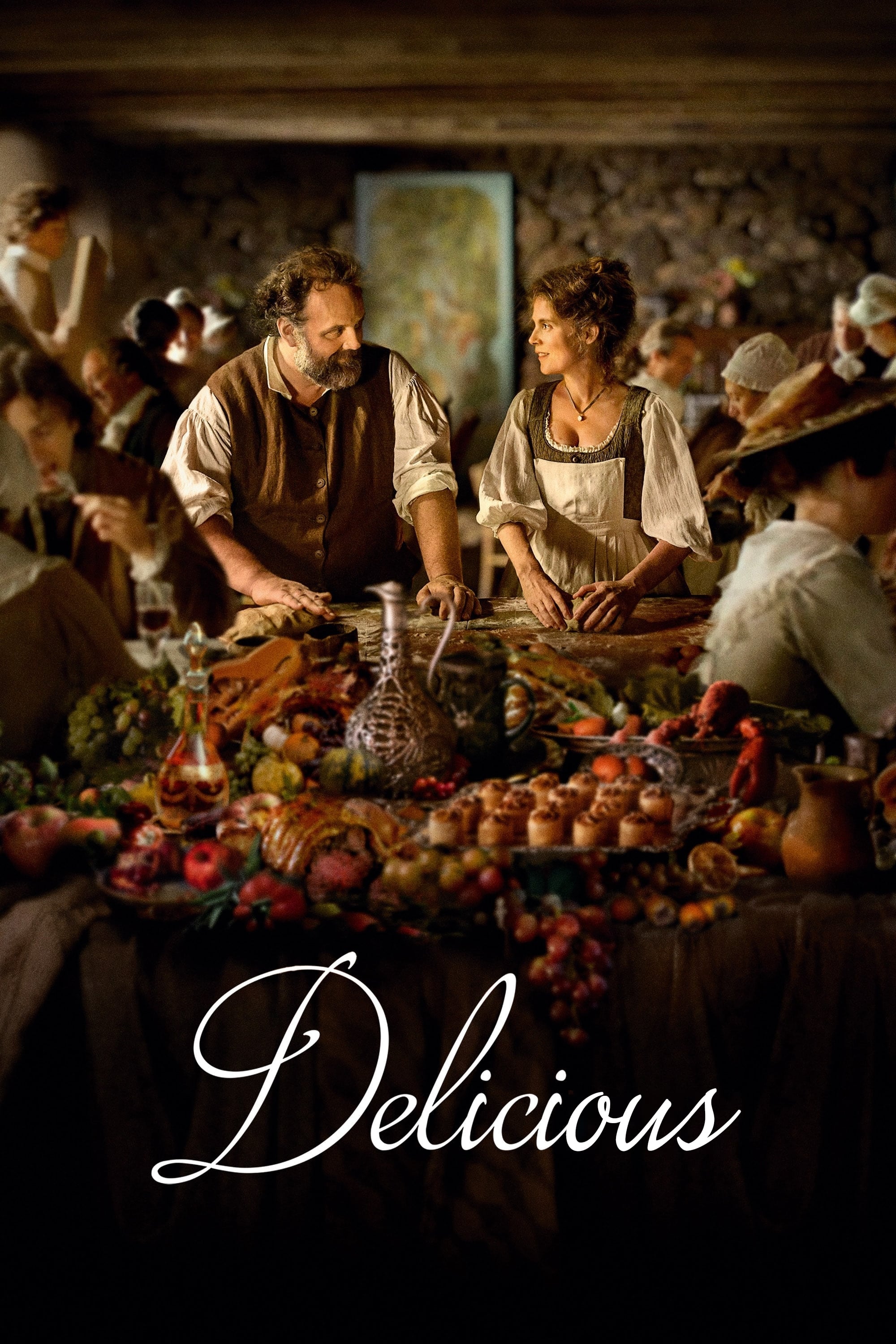
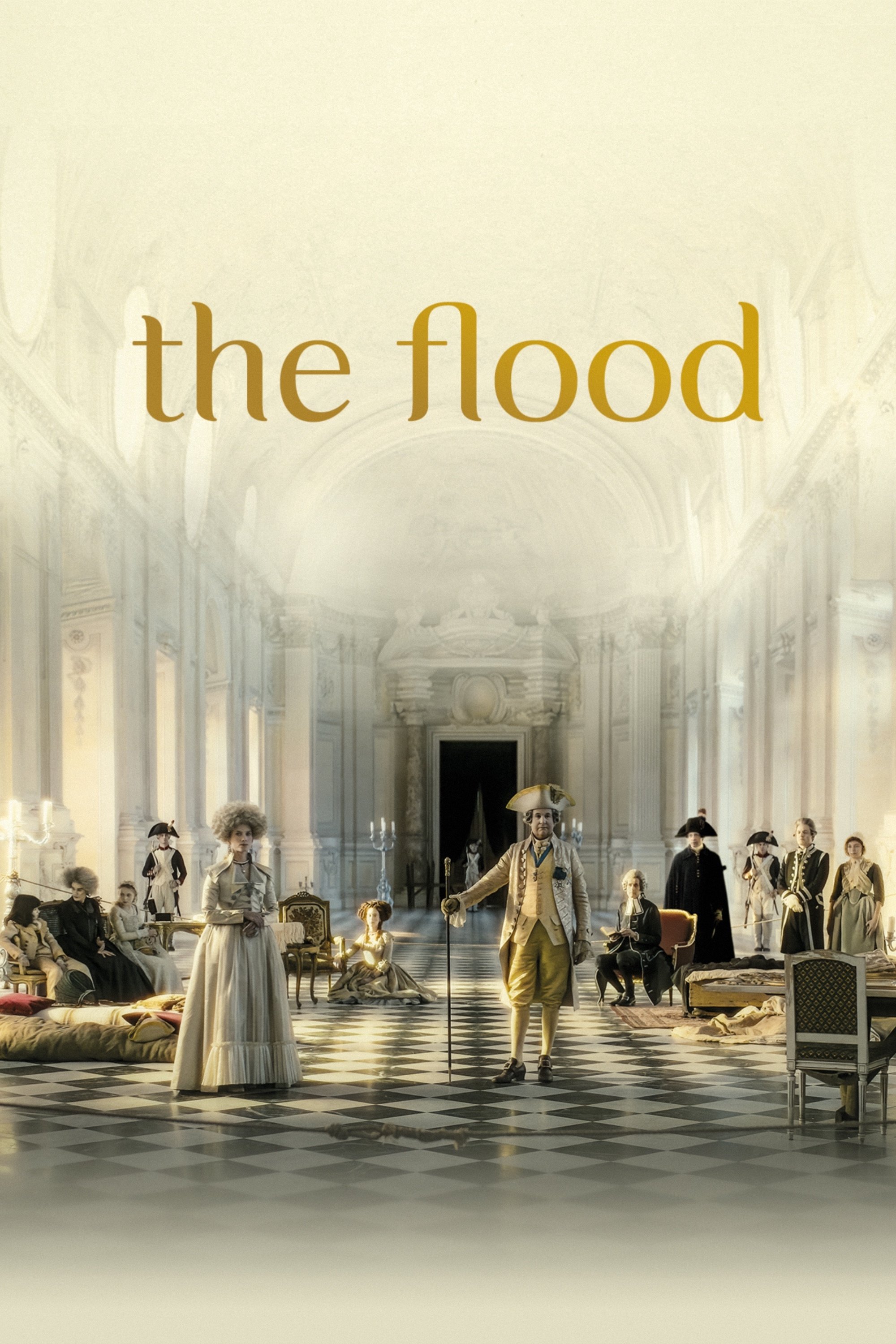
France, 1789 - just before the Revolution. When talented chef Manceron is dismissed from his prestigious position by the Duke of Chamfort, he loses the taste for cooking. But when he meets the mysterious Louise, together they decide to create the very first restaurant in France.
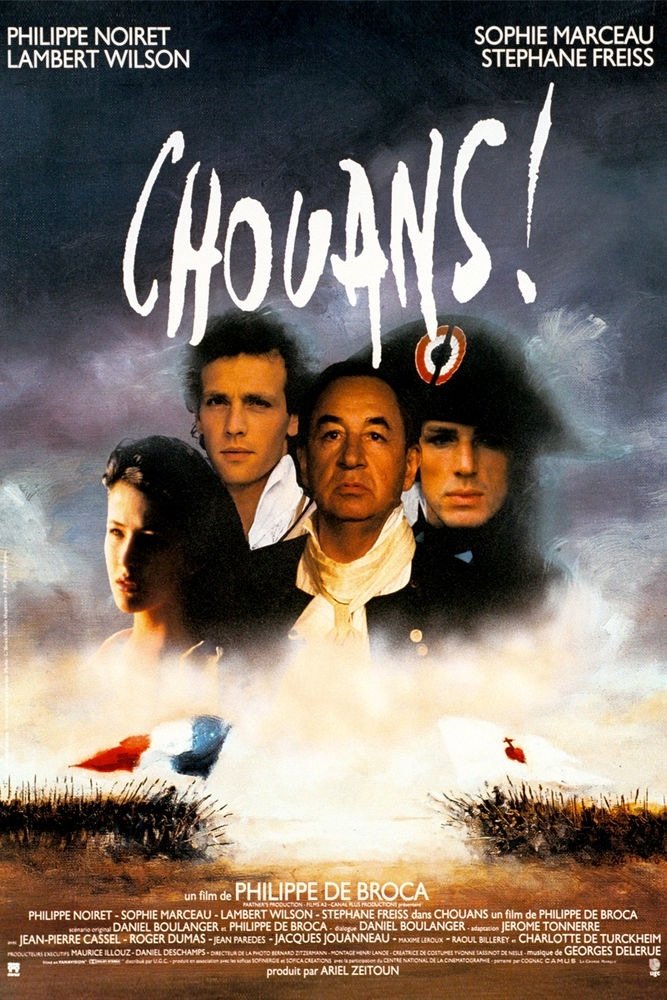
Directed by Philippe de Broca, the film recounts a bloody episode of the French Revolution. 1793, the Terror . In Vendée and in Bretagne, the chouans are revolting against the young Republic and fight for the monarchy restauration. The civil war divides also the family of the Count Savinien de Kerfadec, a liberal and generous noble and a flying machines inventor.
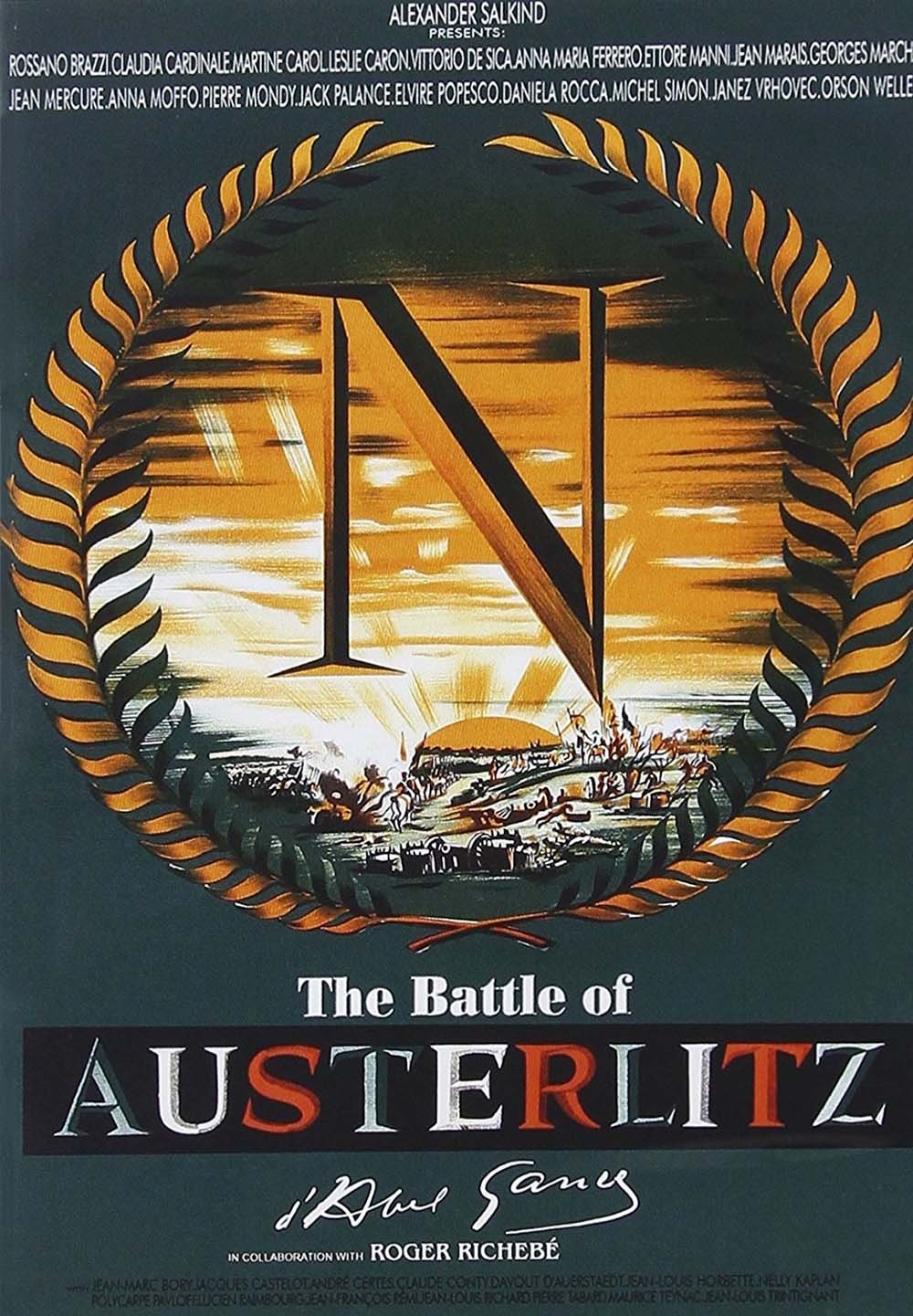
A biopic of Napoleon Bonaparte, tracing the Corsican's career from his schooldays (where a snowball fight is staged like a military campaign) to his flight from Corsica, through the French Revolution (where a real storm is intercut with a political storm) and the Terror, culminating in his triumphant invasion of Italy in 1797.
Napoleon Bonaparte crowns himself emperor and fights the English, Austrians and Russians in 1802.
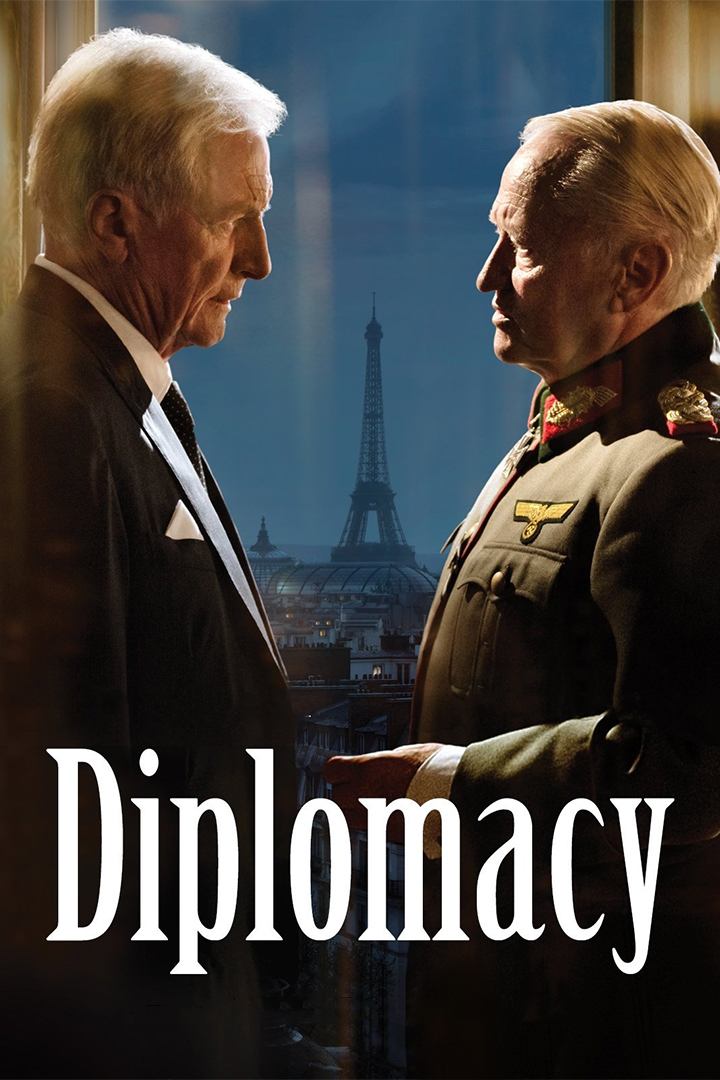
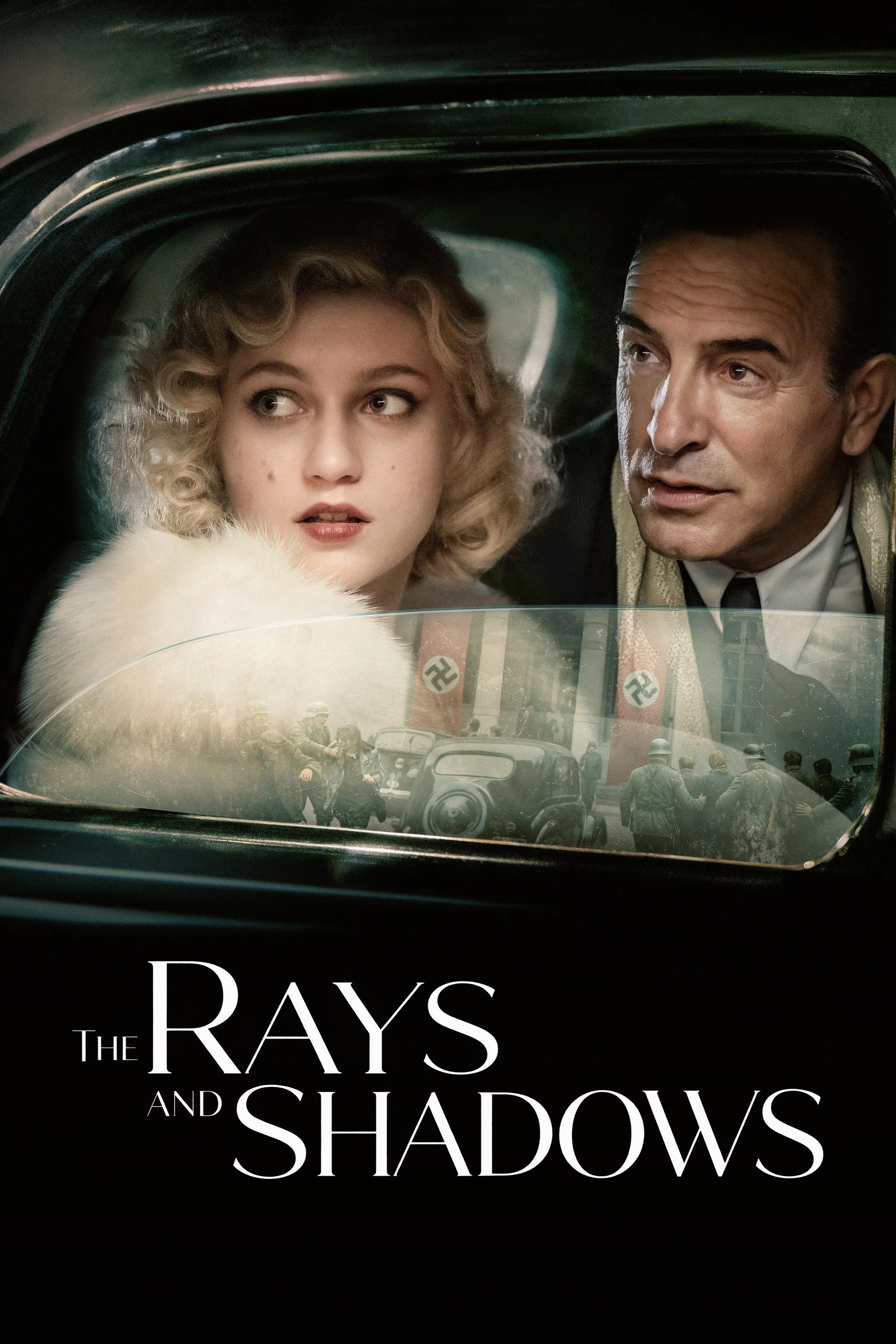
On the night of August 24, 1944, the fate of Paris rests with General von Choltitz, who plans to destroy the city on Hitler's orders. As the general prepares to detonate explosives throughout the capital, Swedish consul Raoul Nordling uses diplomacy in a desperate bid to convince him to defy the orders and save Paris.
France, 1983. The biggest architectural competition in history is launched by the new socialist president, François Mitterrand. Coveted by all the biggest international architectural firms, the open-call competition is surprisingly won by an unknown: Johan Otto von Spreckelsen, an architecture teacher from Copenhagen. Until then, the fifty-year-old Dane had built only four buildings: his home, and three small chapels.
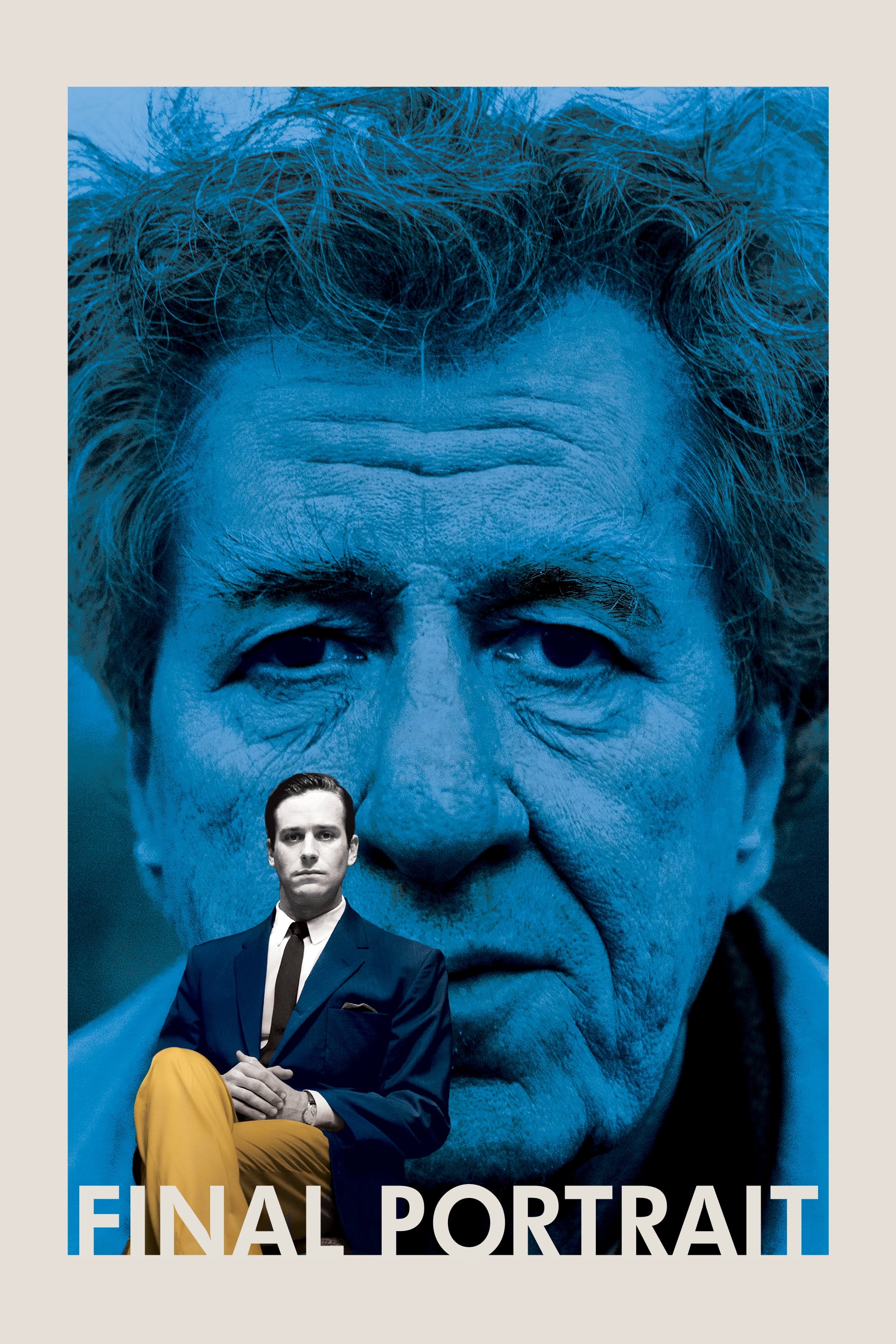
Paris, 1964. The Swiss sculptor and painter Alberto Giacometti, one of the most accomplished and respected artists of his generation, asks his friend, the American writer James Lord, to sit for a portrait, assuring him that it will take no longer than two or three hours, an afternoon at the most.
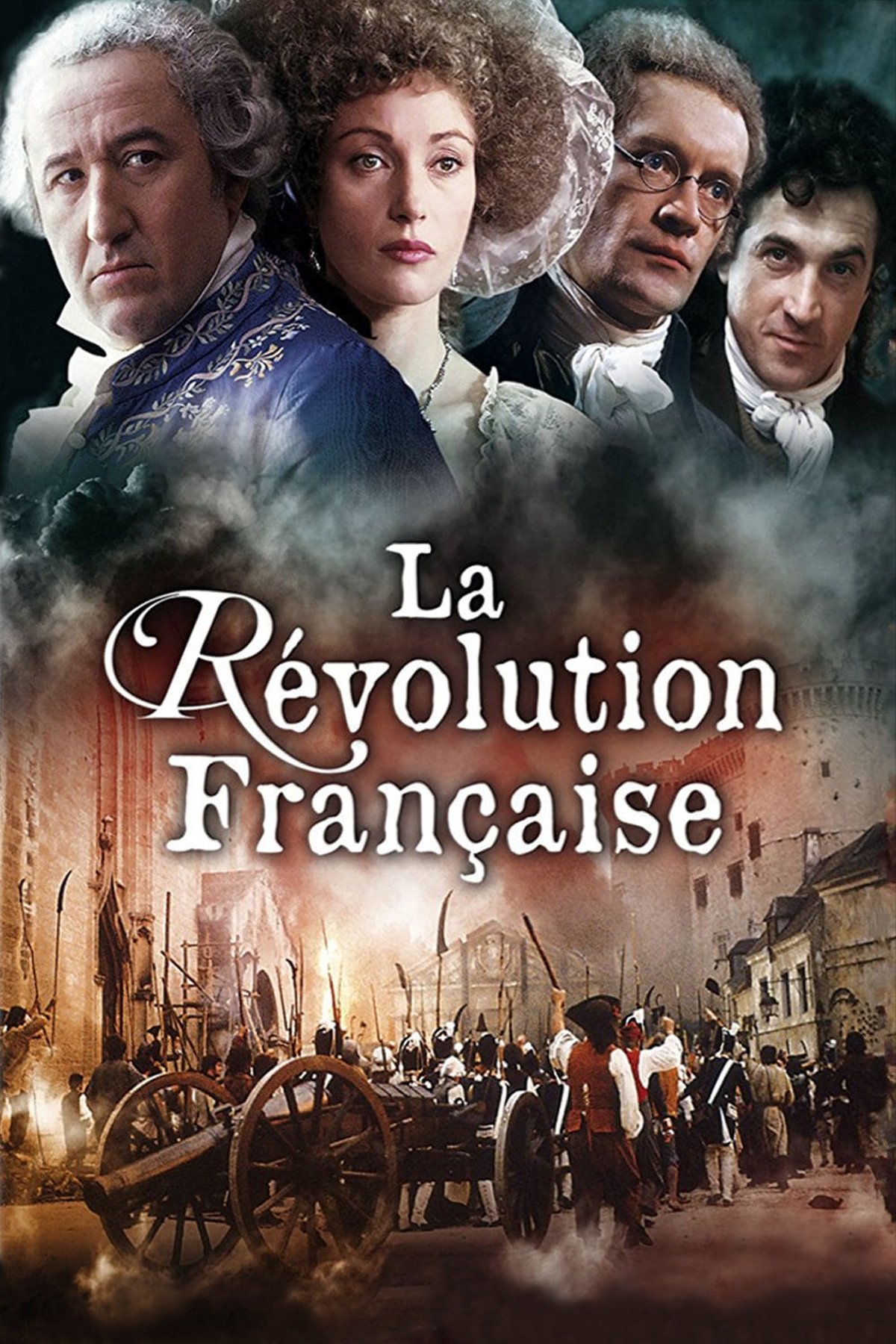
A history of the French Revolution beginning from the decision of the king to convene the Etats-Generaux in 1789 in order to deal with France's debt problem. Part one spans the event until August 10, 1792 (when the King Louis XVI lost all authority and was imprisoned). Part two carries the story through the end of the terror in 1794.
Two sets of identical twins are accidentally switched at birth. One pair, Phillipe and Pierre DeSisi, are aristocratic and haughty, while the other, Charles and Claude Coupé, are poor and dim-witted. On the eve of the French Revolution, both sets find themselves entangled in palace intrigue.
Danton and Robespierre were close friends and fought together in the French Revolution, but by 1793 Robespierre was France's ruler, determined to wipe out opposition with a series of mass executions that became known as the Reign of Terror. Danton, well known as a spokesman of the people, had been living in relative solitude in the French countryside, but he returned to Paris to challenge Robespierre's violent rule and call for the people to demand their rights. Robespierre, however, could not accept such a challenge, even from a friend and colleague, and he blocked out a plan for the capture and execution of Danton and his allies.
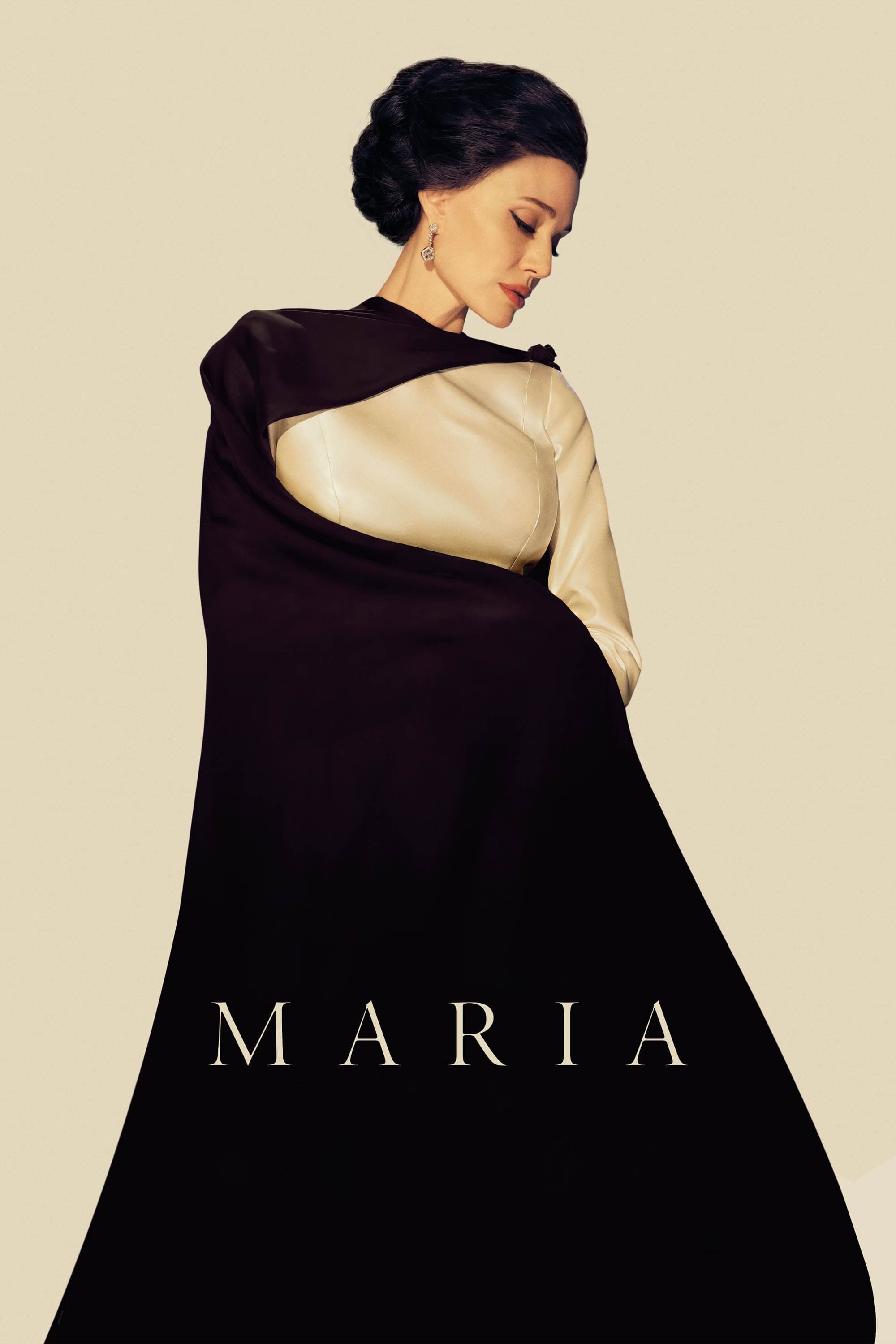
Maria Callas, the world's greatest opera singer, lives the last days of her life in 1970s Paris, as she confronts her identity and life.
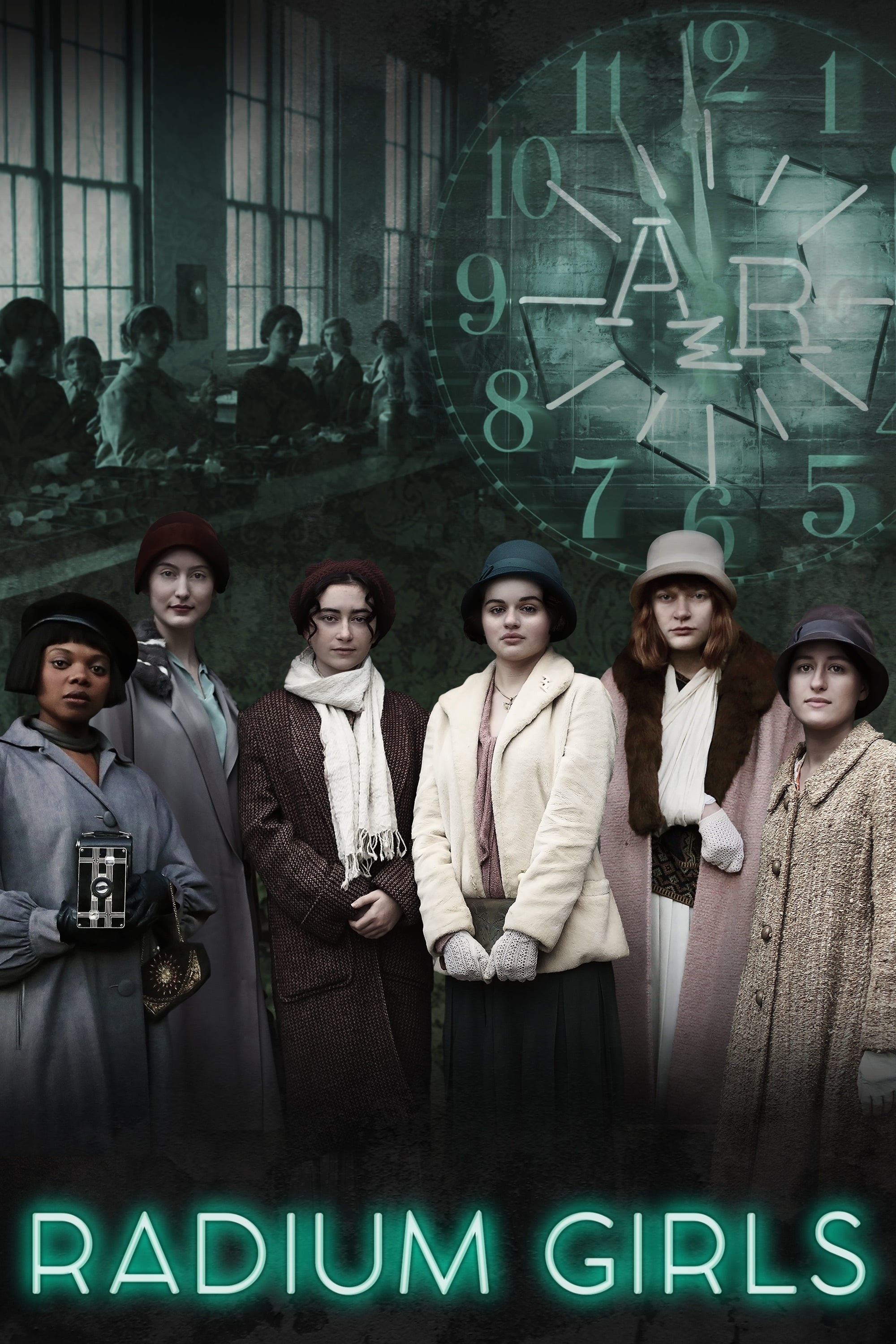
Young women toiling in a factory are exposed to hazardous material which takes a disastrous toll on their health.
A 1950s London cleaning lady falls in love with an haute couture dress by Christian Dior and decides to gamble everything for the sake of this folly.
Biarritz, 1933. Charm and talent assist small-time swindler Serge Alexandre, alias Stavisky, to bribe his way into the centre of French politics. But when his great scam involving millions is exposed, he brings the government to the verge of collapse and the country to the brink of civil war.
A WWII veteran escapes his care home in Northern Ireland and embarks on an arduous but inspirational journey to France to attend the 75th anniversary of the D-Day landings, finding the courage to face the ghosts of his past.
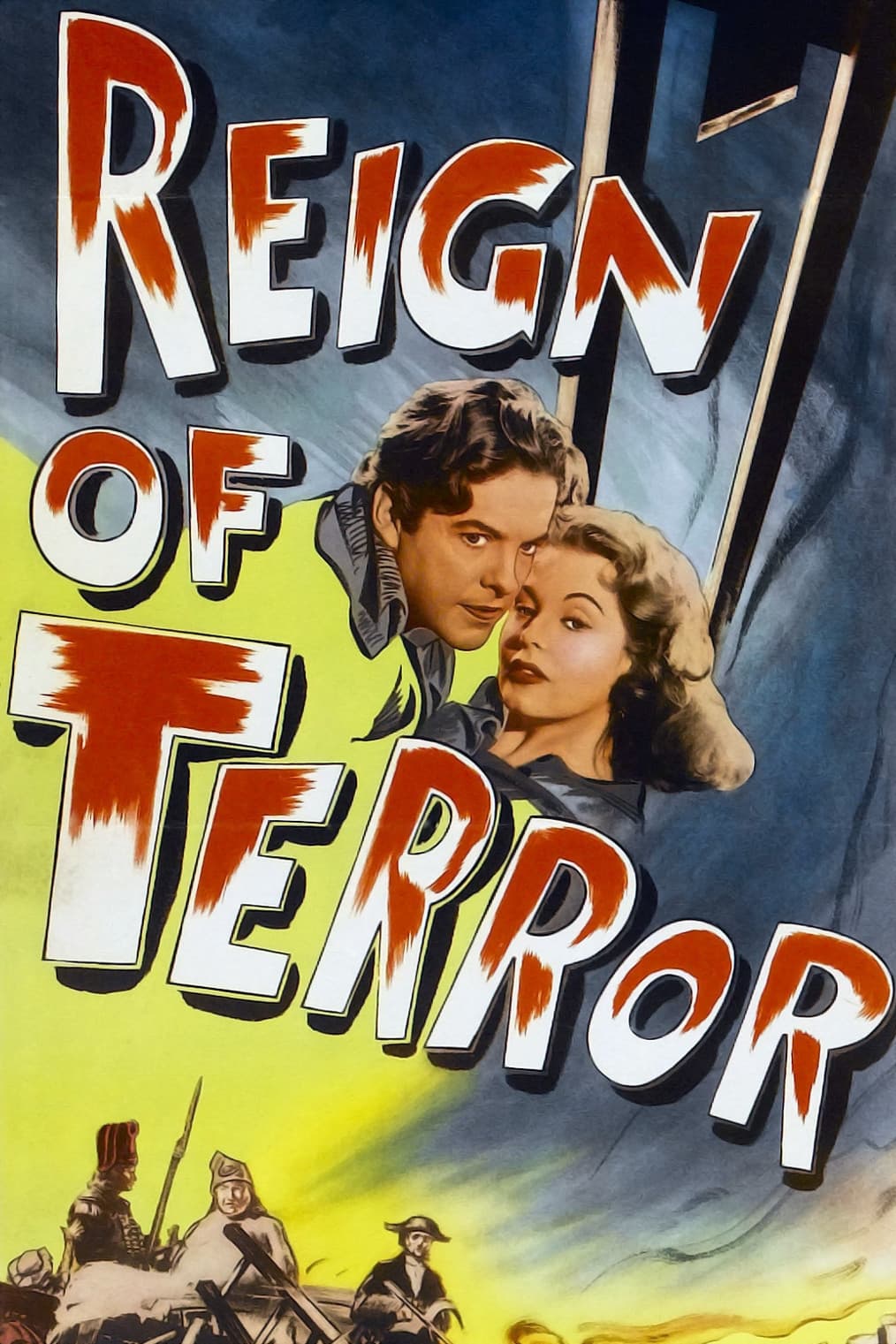
The French Revolution, 1794. The Marquis de Lafayette asks Charles D'Aubigny to infiltrate the Jacobin Party to overthrow Maximilian Robespierre, who, after gaining supreme power and establishing a reign of terror ruled by death, now intends to become the dictator of France.
Lucien de Rubempré, a young, lower-class poet, leaves his family's printing house for Paris. Soon, he learns the dark side of the arts business as he tries to stay true to his dreams.
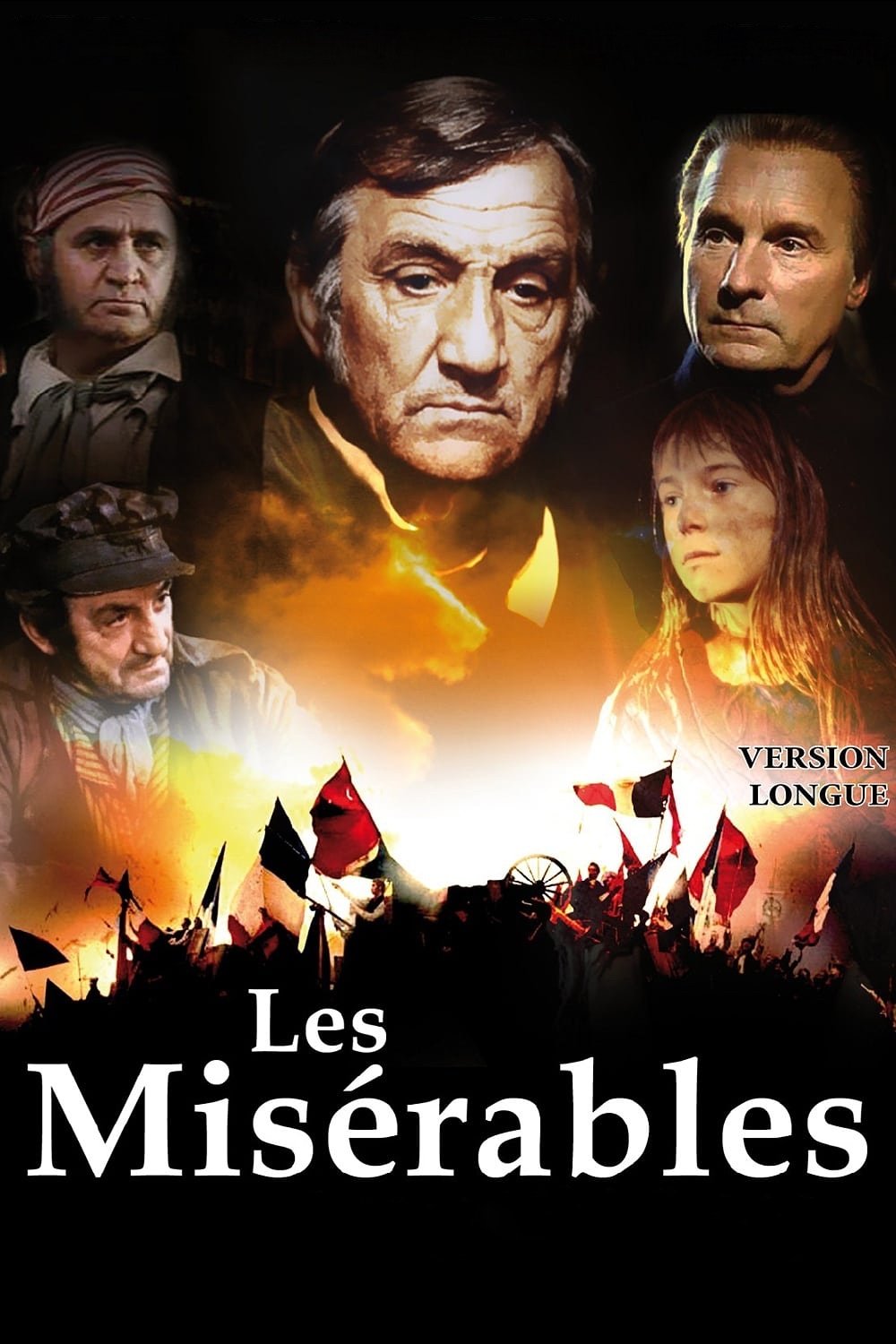
In 19th century France, Jean Valjean, a man imprisoned for stealing bread, must flee a relentless policeman named Javert. The pursuit consumes both men's lives, and soon Valjean finds himself in the midst of the student revolutions in France.
The true story of Victor of Aveyron. In a French forest circa 1798, an abandoned child — feral, filthy and mentally impaired — is found. Dr Jean Marc Gaspard Itard becomes interested in the case and patiently attempts to civilise the boy.