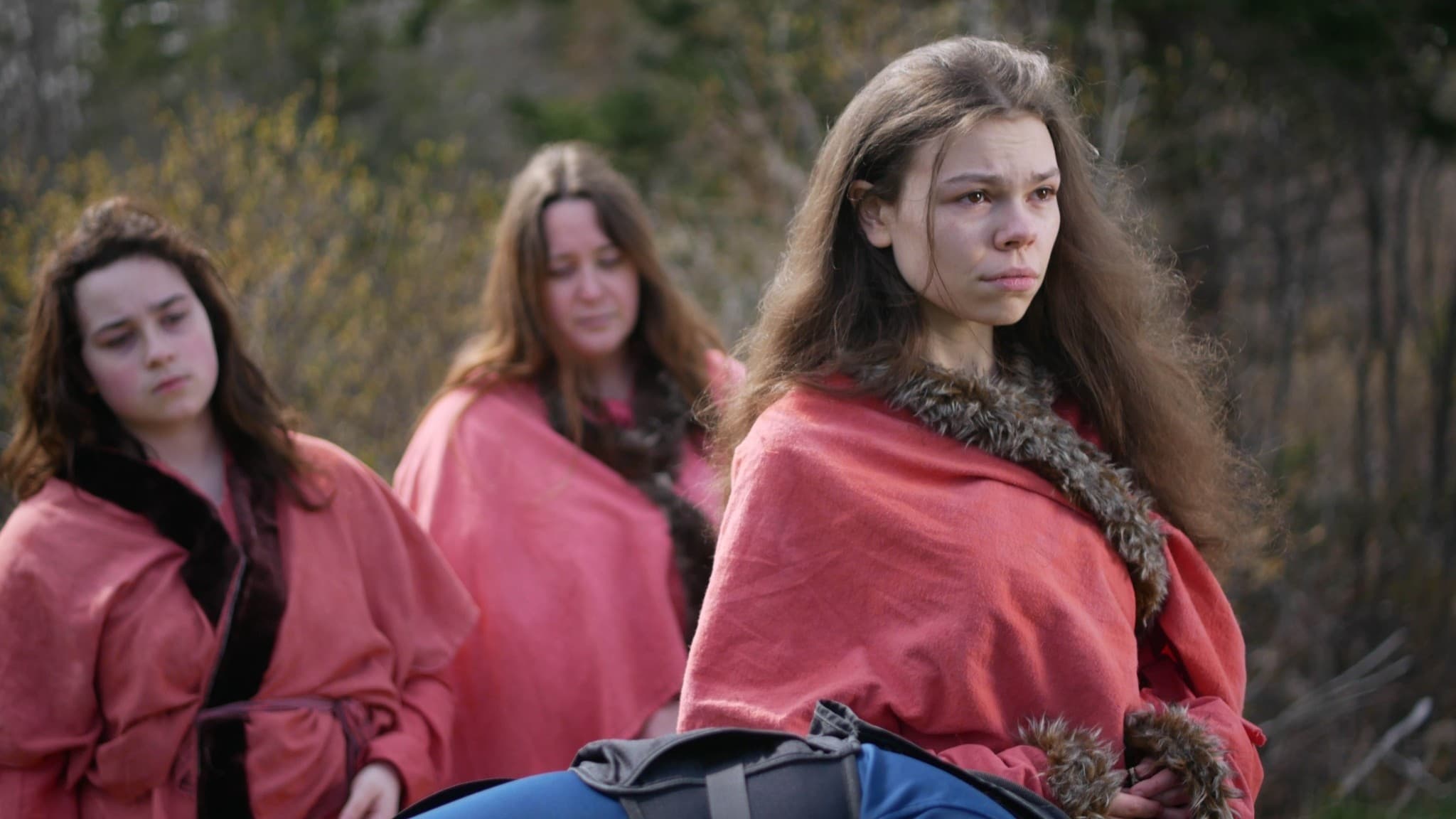
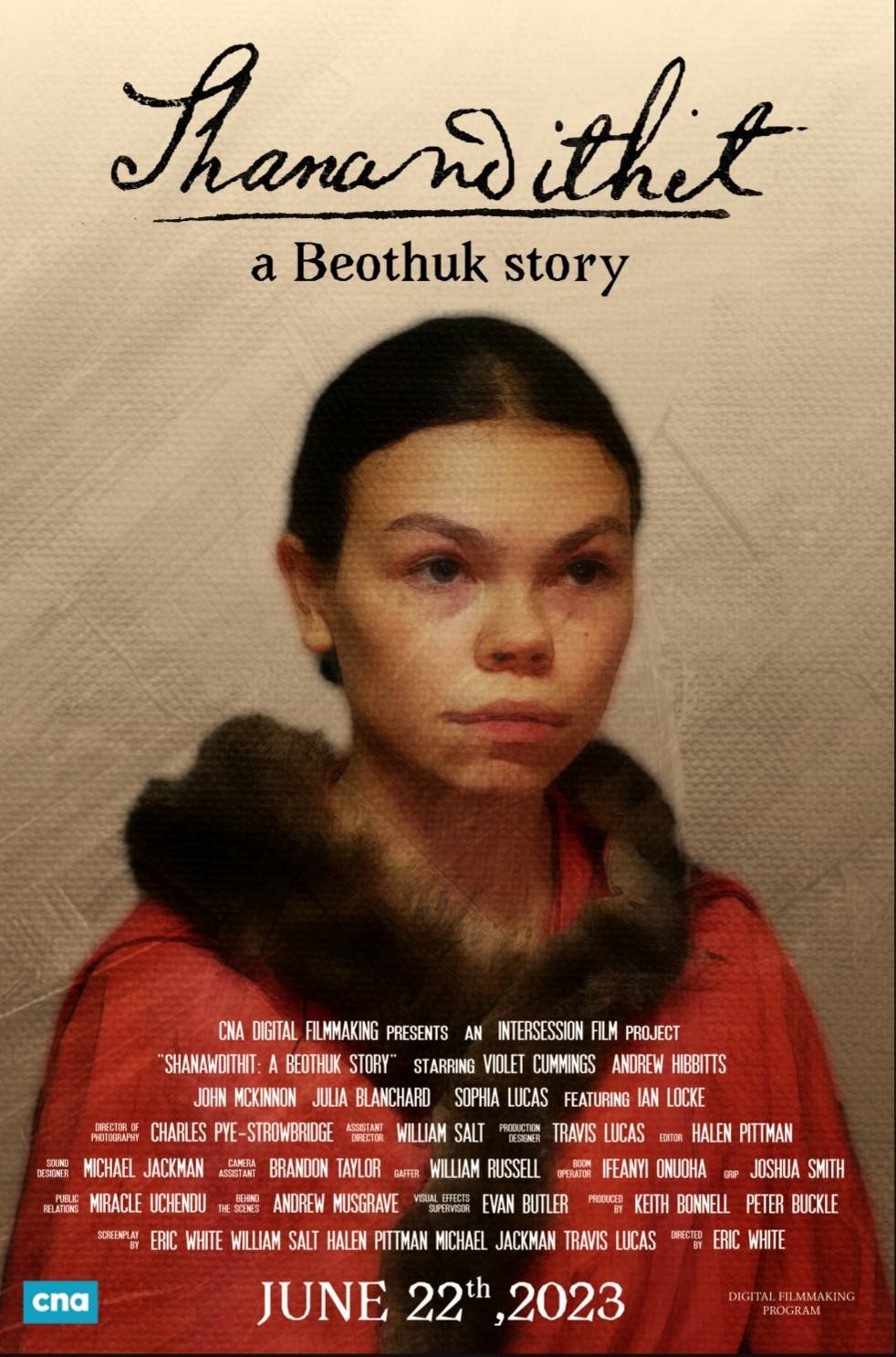
A young Beothuk woman tells the story of her experiences witnessing recent interactions between her people and Europeans.
Social & External
The people behind it
Violet Cummings
Shanawdithit
Andrew Hibbitts
William Cormack
John McKinnon
Charles Simms
Julia Blanchard
Demasduit
Eric White
Nonosbawsut
Ian Locke
John Peyton
Andrew Musgrave
Soldier 1
Keith Bonnell
Trapper
Peter Buckle
David Buchan
Josh Smith
Soldier 2
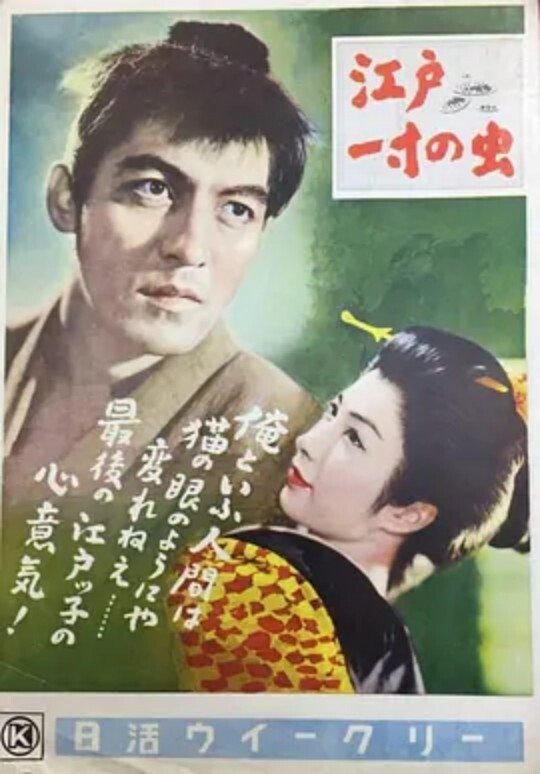
This historical film depicts the life of a man who was at the mercy of the waves during transition from the end of the Edo period to the Meiji Restoration, and therefore, shows audience the dynamic change from Edo to Meiji. Before the war, the director, Eisuke Takizawa, together with the writers, formed a scenario writer group "Narutaki-gumi and they shot many historical masterpieces.
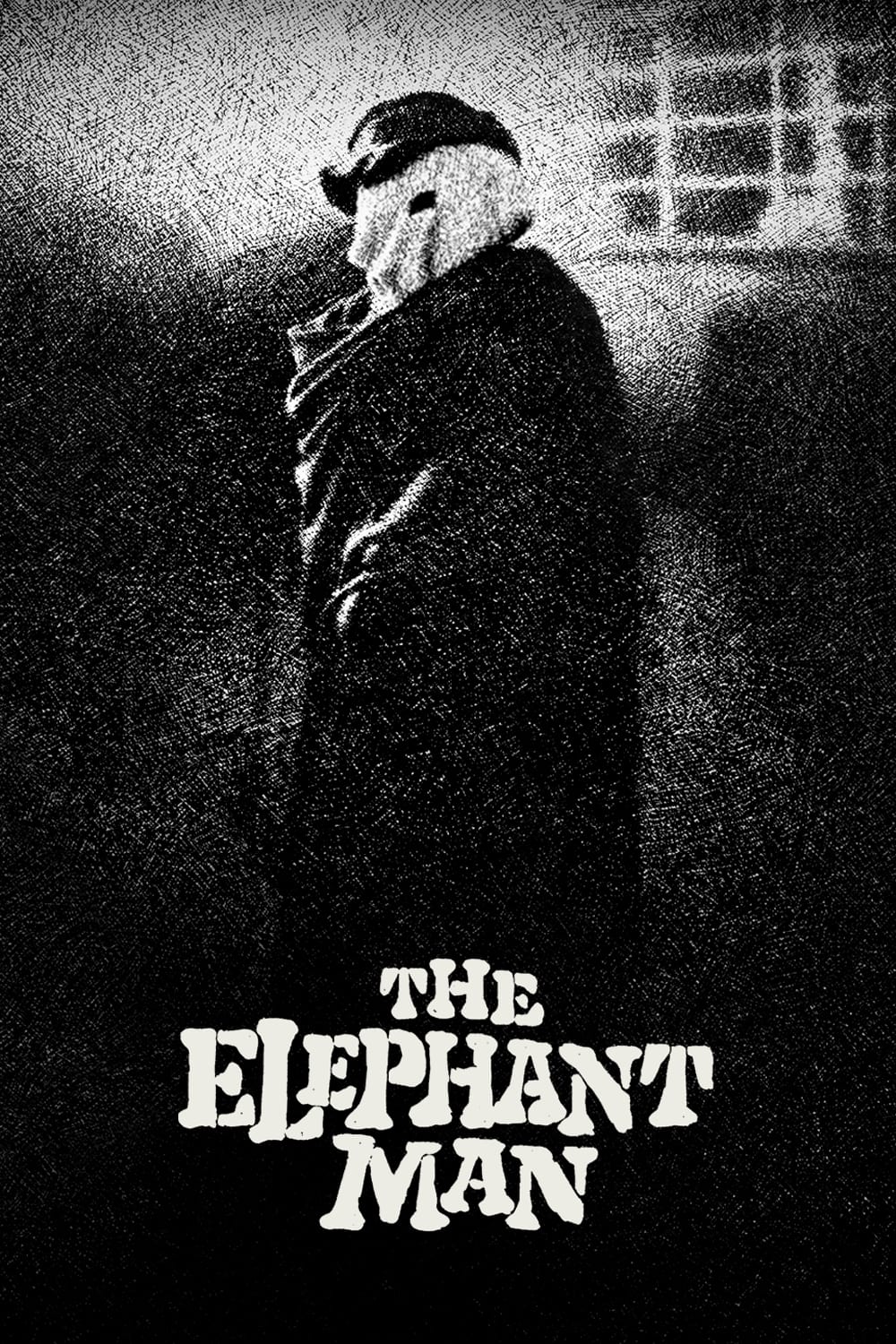
A Victorian surgeon rescues a heavily disfigured man being mistreated by his "owner" as a side-show freak. Behind his monstrous façade, there is revealed a person of great intelligence and sensitivity.
After getting threatened by Kelly's friends and family, Constable Fitzpatrick places the blame on Ned Kelly and exaggerates what happened. With the biggest ever award available, Kelly and his gang set into the wild, to remain hidden from everyone who seeks them. Even if it means having his family arrested, the members of the Kelly Gang stay hidden and plan a way to get their names cleared.
Harvard graduate James Averill serves as the sheriff of prosperous Jackson County, Wyoming, standing at the center of a conflict between impoverished immigrants and affluent cattle farmers. Politically connected ranchers enlist mercenary Nathan Champion—who is also vying for the affections of local madam Ella Watson—to combat the immigrant uprising. As tensions escalate, both Averill and Champion start to question their decisions.
The film biography of Queen Victoria focusing initially on the early years of her reign with her marriage to Prince Albert and her subsequent rule after Albert's death in 1861.
Continuing the story of 'Victoria the Great'.
Two families, abolitionist Northerners the Stonemans and Southern landowners the Camerons, intertwine. When Confederate colonel Ben Cameron is captured in battle, nurse Elsie Stoneman petitions for his pardon. In Reconstruction-era South Carolina, Cameron founds the Ku Klux Klan, battling Elsie's congressman father and his African-American protégé, Silas Lynch.
Robert Gould Shaw leads the US Civil War's first all-black volunteer company, fighting prejudices of both his own Union army and the Confederates.
Short news featurette produced by Pathe-RKO after the Russians launched the first orbiting satellite, Sputnik. It is a patriotic 'call to arms' from the threat posed by this and the need for Americans to spend more on education in general and a college education in particular. A visit to the University of Buffalo highlights its science programs and the need for more graduates from all technical disciplines if America is to rise to the challenge. It bemoans the fact the PhDs earn less than a mechanic and the need to re-order priorities.
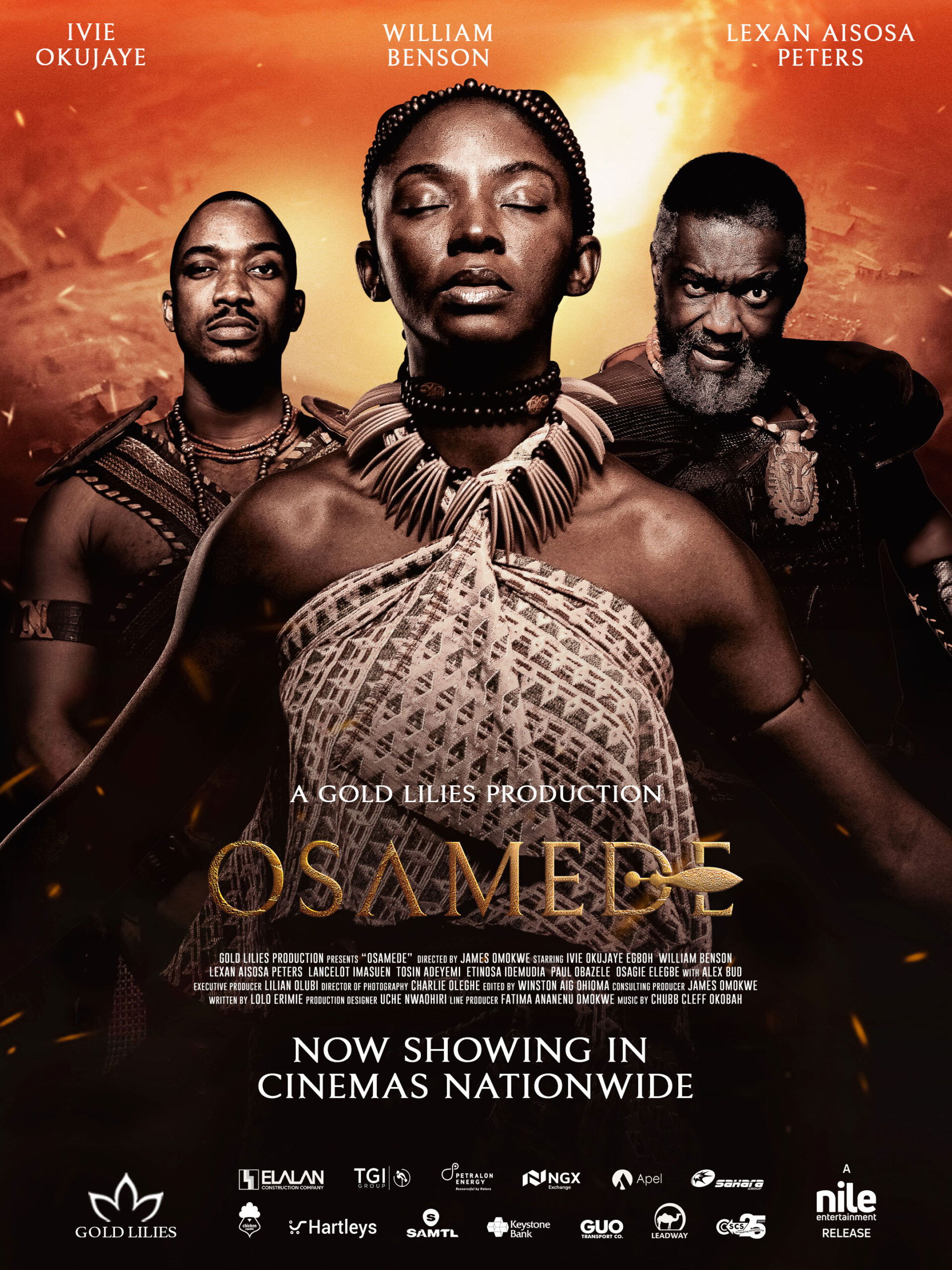
In the Benin Empire of 1897, an orphan girl discovers she holds the power of the sacred Aruosa stone. As the Oba faces British conquest and betrayal from within, she must embrace her destiny to save the kingdom.
Filmmaker Alain Resnais documents the atrocities behind the walls of Hitler's concentration camps.
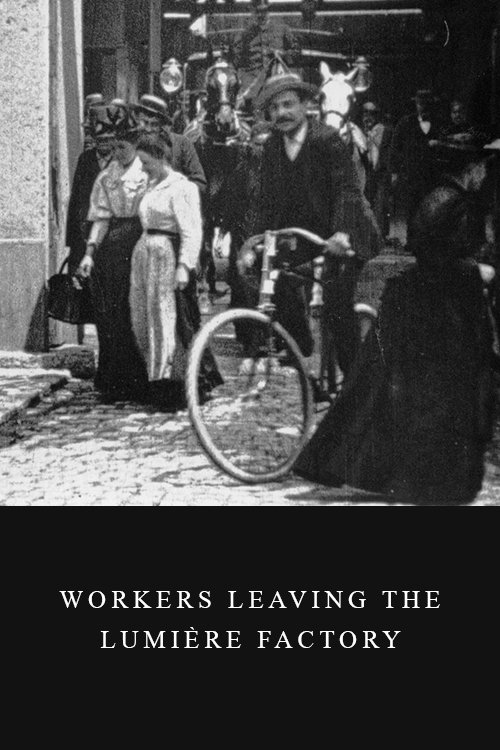
Working men and women leave through the main gate of the Lumière factory in Lyon, France. Filmed on 22 March 1895, it is often referred to as the first real motion picture ever made, although Louis Le Prince's 1888 Roundhay Garden Scene pre-dated it by seven years. Three separate versions of this film exist, which differ from one another in numerous ways. The first version features a carriage drawn by one horse, while in the second version the carriage is drawn by two horses, and there is no carriage at all in the third version. The clothing style is also different between the three versions, demonstrating the different seasons in which each was filmed. This film was made in the 35 mm format with an aspect ratio of 1.33:1, and at a speed of 16 frames per second. At that rate, the 17 meters of film length provided a duration of 46 seconds, holding a total of 800 frames.
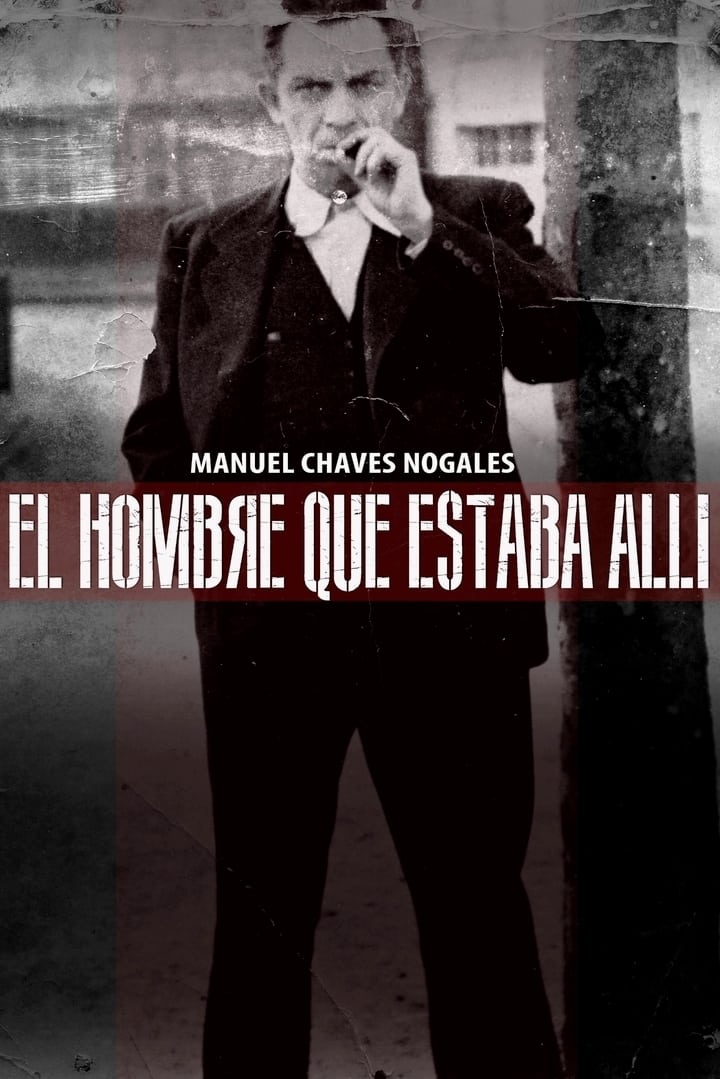
The Spanish journalist Manuel Chaves Nogales (1897-1944) was always there where the news broke out: in the fratricidal Spain of 1936, in Bolshevik Russia, in Fascist Italy, in Nazi Germany, in occupied Paris or in the bombed London of World War II; because his job was to walk, see and tell stories, and thus fight against tyrants, at a time when it was necessary to take sides in order not to be left alone; but he, a man of integrity to the bitter end, never did so.
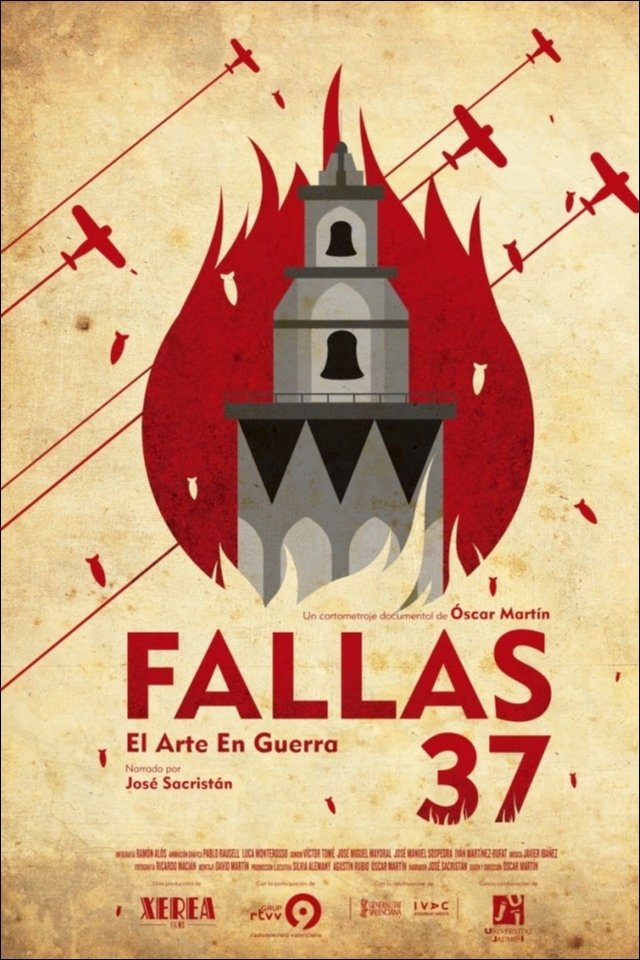
In November 1936, a few months since the beginning of the Spanish Civil War, the government of the Second Republic moves to Valencia. In this situation, several Valencian artists and intellectuals decide to build four fallas — satirical plasterboard sculptures created to be burnt — to mock fascism.
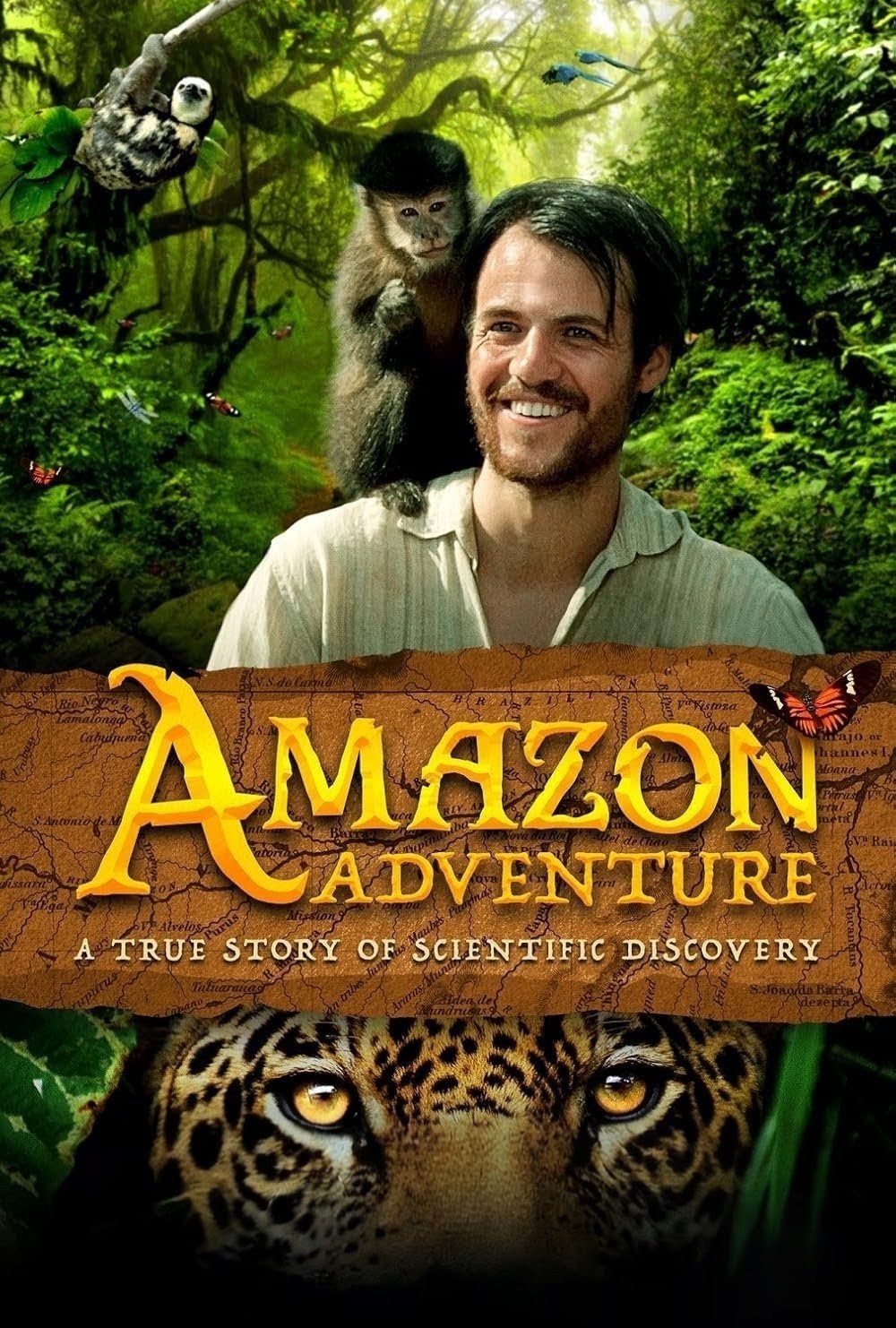
This film follows scientist Henry Bates as he explores the Amazon for proof of natural selection.
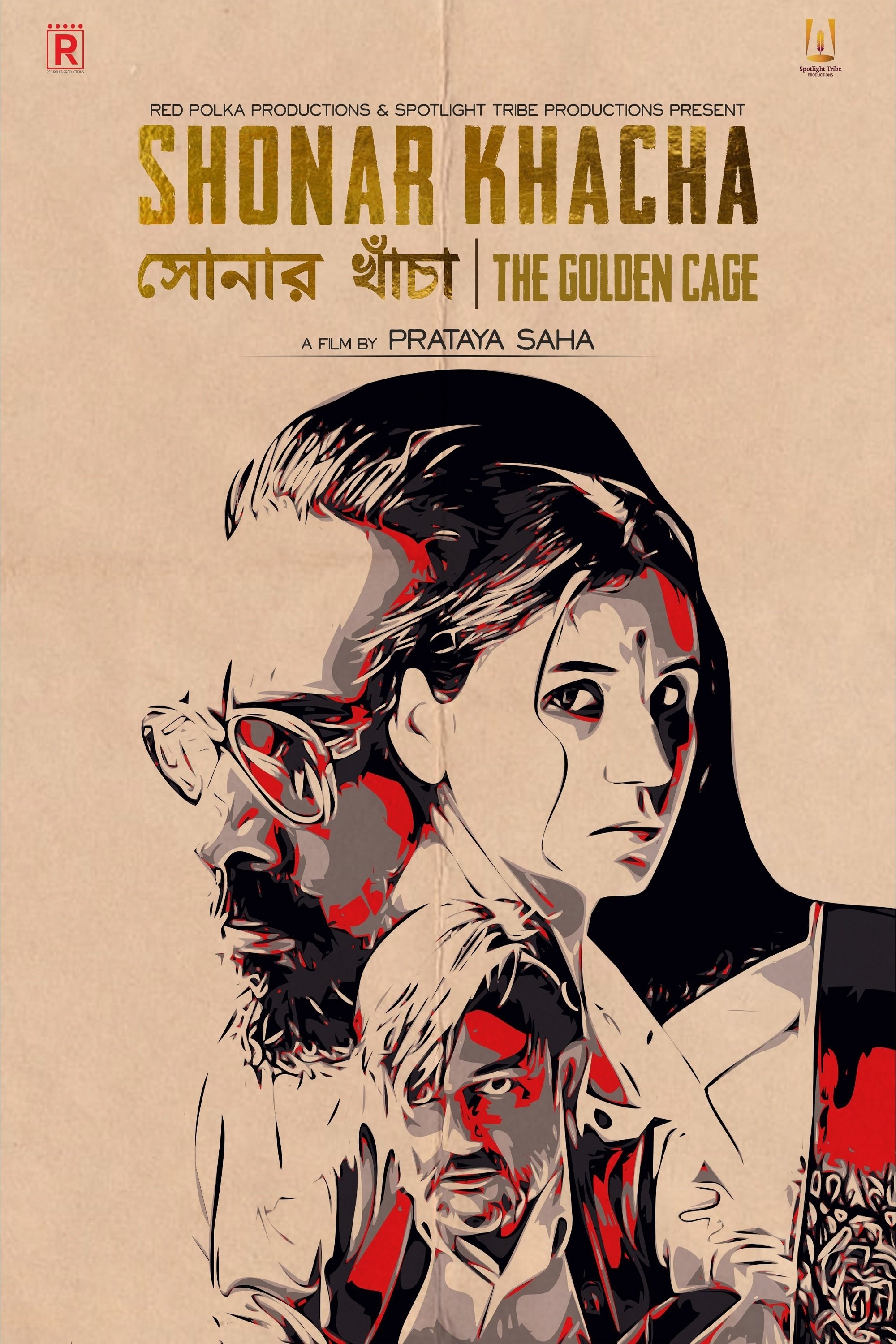
It is an early winter morning in Kolkata in 1989 and the palatial old "Roy Choudhury" house lies dilapidated, housing the last few members of a once huge affluent joint family. Rudro, the younger brother of the last generation, an under-confident, nondescript man in his mid-30s tries to convince Rajatabho, the eldest of the brothers to take up the offer of selling the house in a desperate attempt to save themselves from bankruptcy. Rajatabho, however, is unrelenting. Rudro, later tries to convince Anjali, Rajatabho's wife, to help change her husband's mind. Later in the day, a crying Anjali grinds down sleeping pills on her kitchen slab. She reminisces down memory lane through each nook and corner of the house as she does this. Finally, at dusk, as Anjali stands alone on the terrace holding a bottle of sleeping pills, Rajatabho suddenly arrives and they look eye to eye for the first time in months.
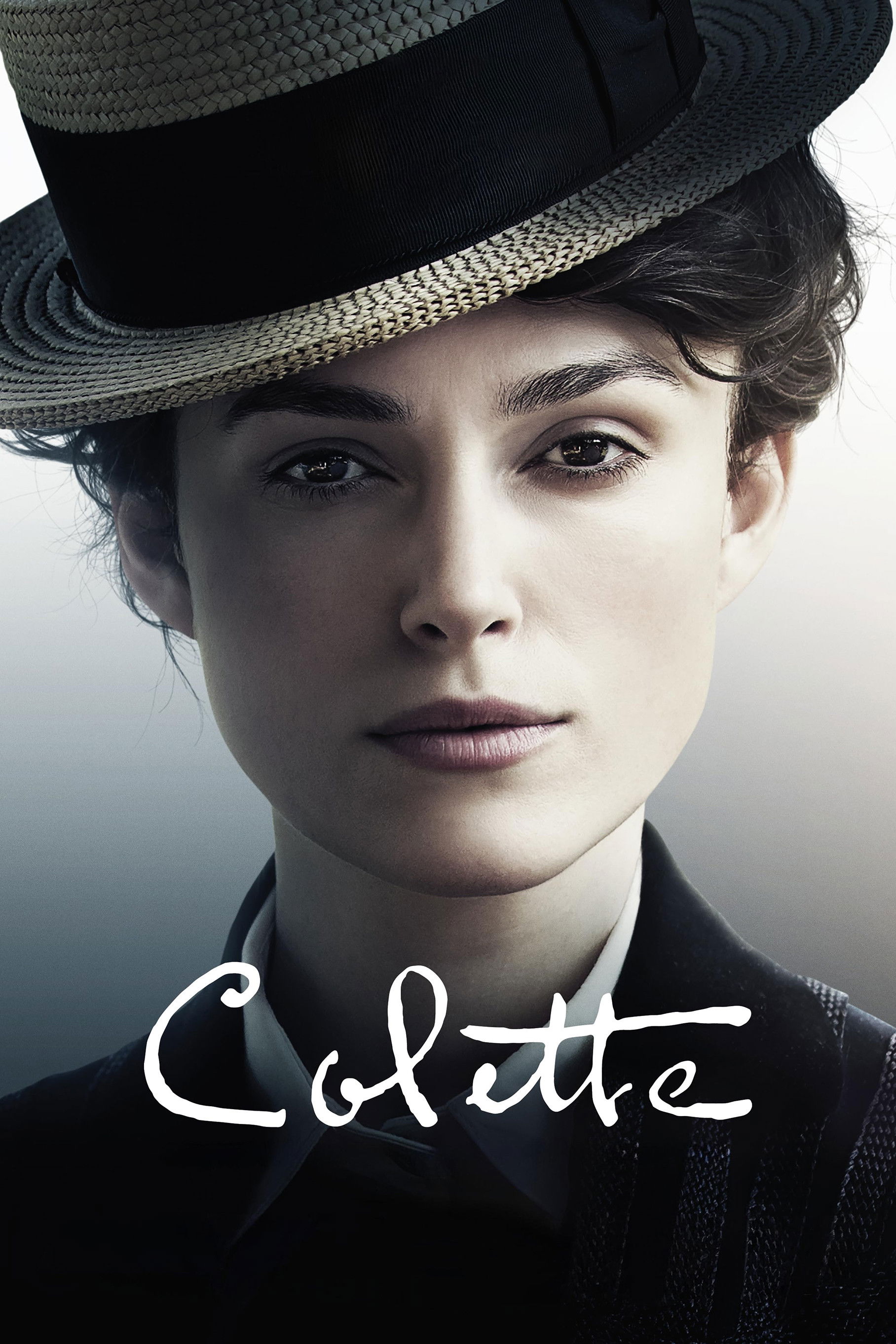
After marrying a successful Parisian writer known commonly as Willy, Sidonie-Gabrielle Colette is transplanted from her childhood home in rural France to the intellectual and artistic splendor of Paris. Soon after, Willy convinces Colette to ghostwrite for him. She pens a semi-autobiographical novel about a witty and brazen country girl named Claudine, sparking a bestseller and a cultural sensation. After its success, Colette and Willy become the talk of Paris and their adventures inspire additional Claudine novels.
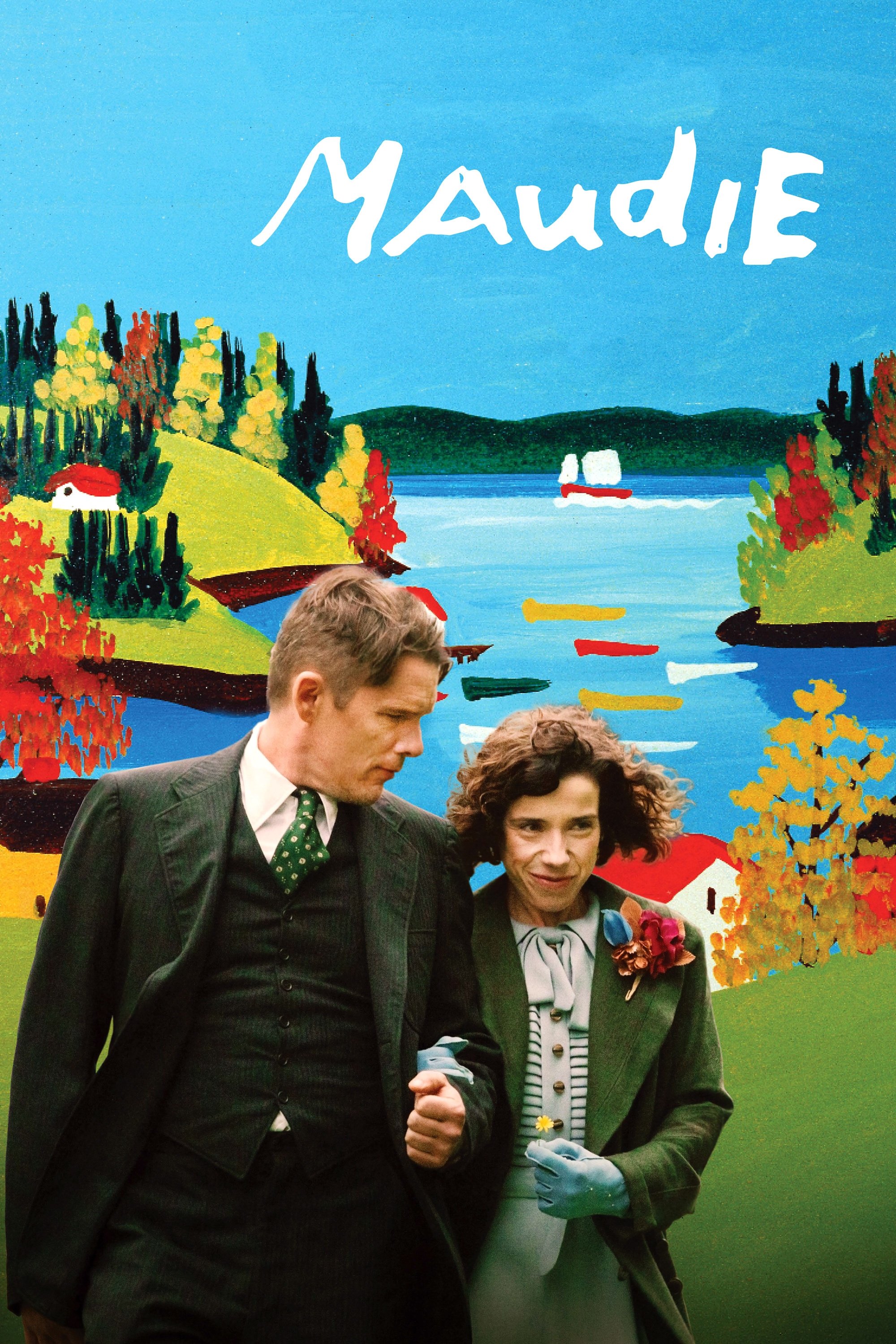
Canadian folk artist Maud Lewis falls in love with a fishmonger while working for him as a live-in housekeeper.
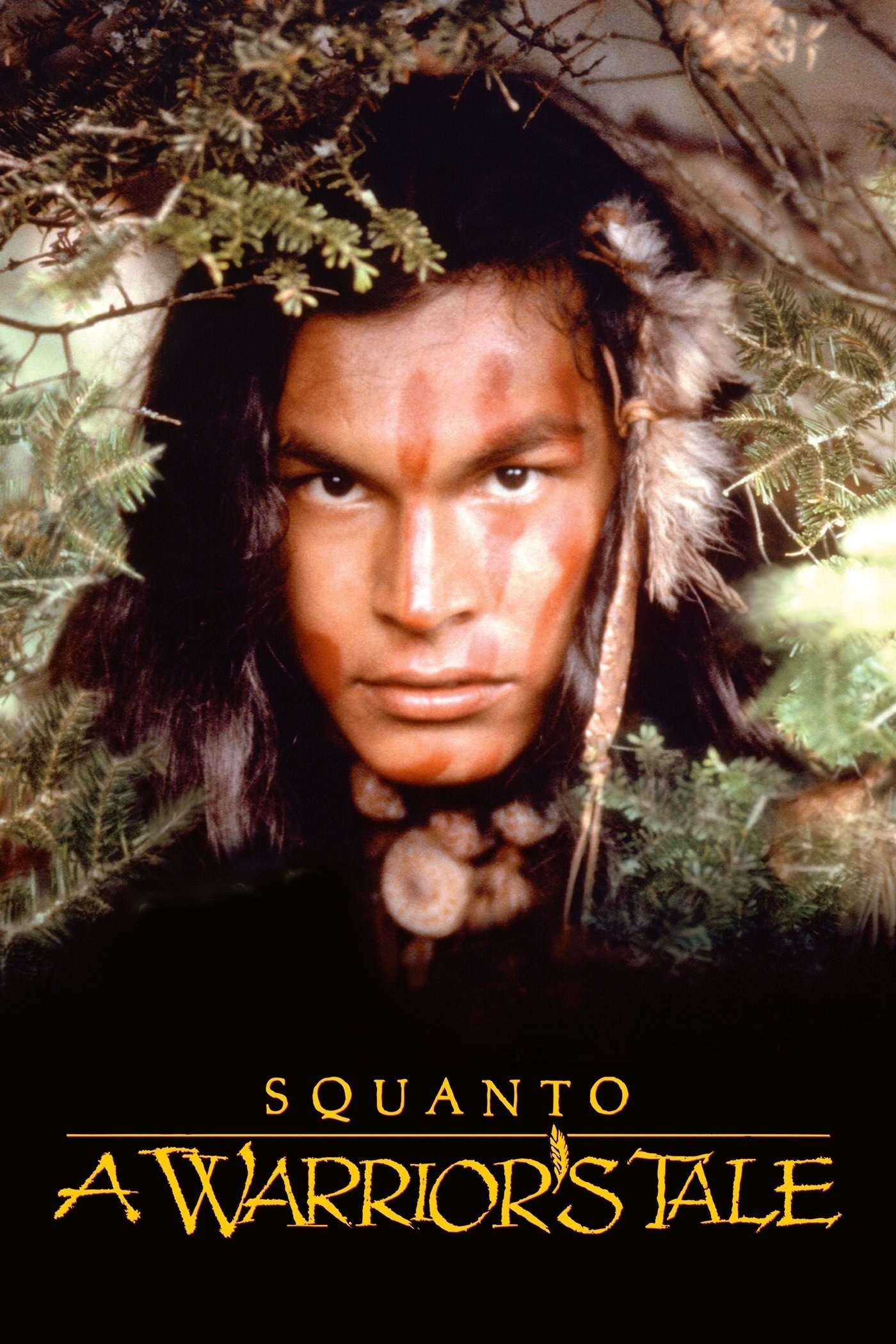
It's the 17th century, and Native American Squanto roams free in the New World until he's captured by visiting sailors who take him back to England. Monk Brother Daniel teaches him social customs, but other Englishmen aren't as kind. Squanto becomes the unwilling star of performances that highlight his fighting skills, but he eventually engineers a return trip to America. He finds that his home has changed forever, and he must chart a new path for his people.
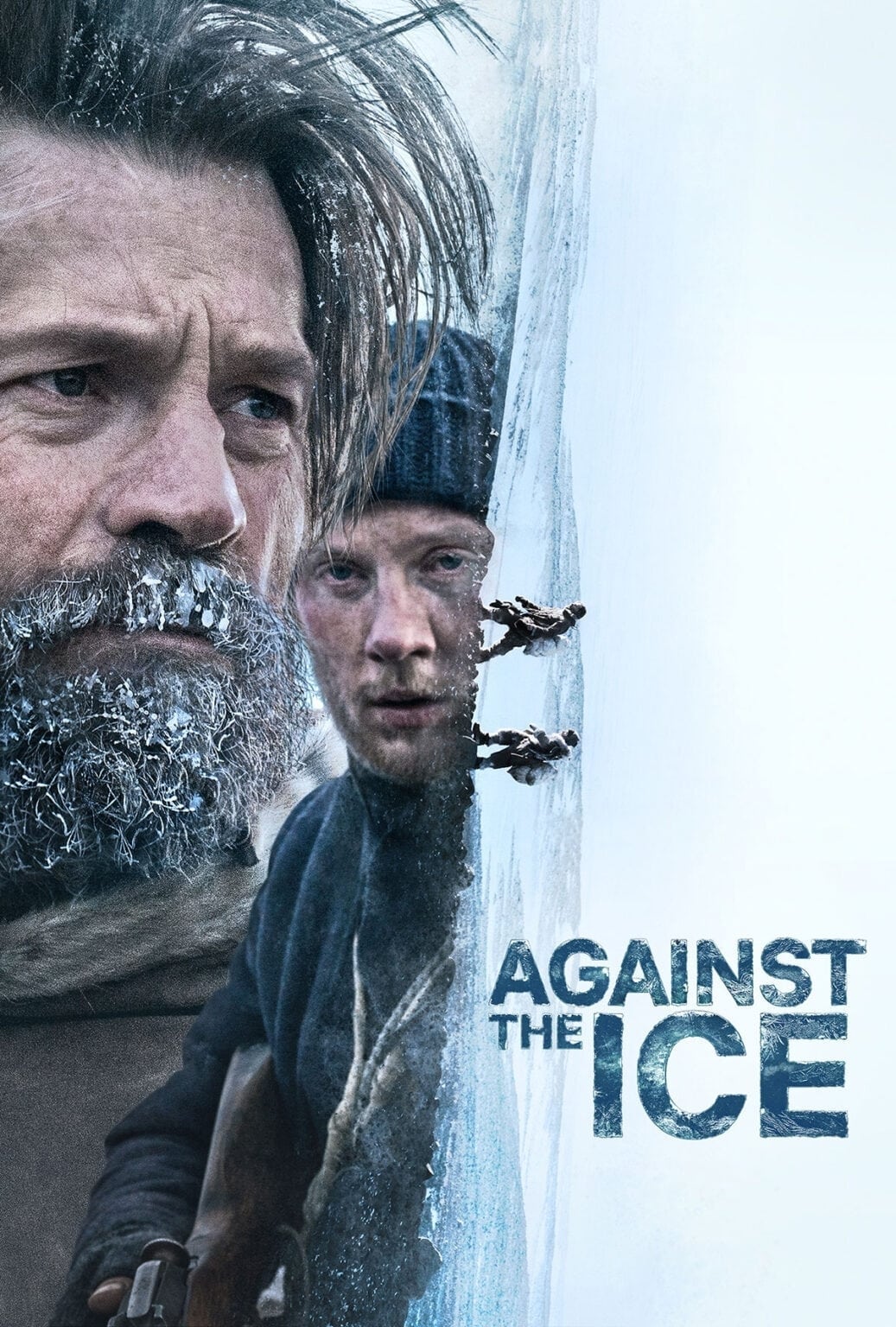
In 1909, two explorers fight to survive after they're left behind while on a Danish expedition in ice-covered Greenland.
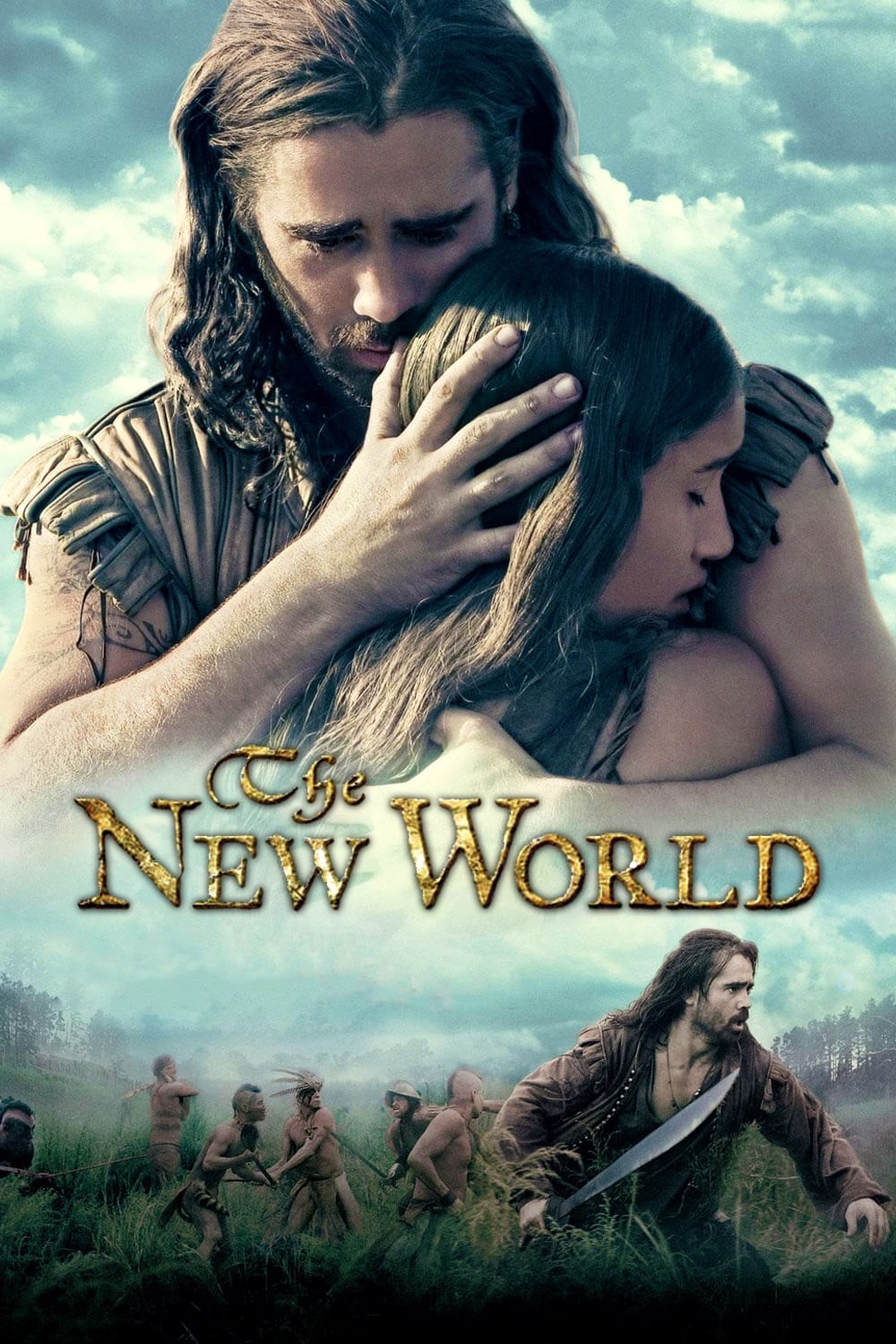
A drama about explorer John Smith and the clash between Native Americans and English settlers in the 17th century.
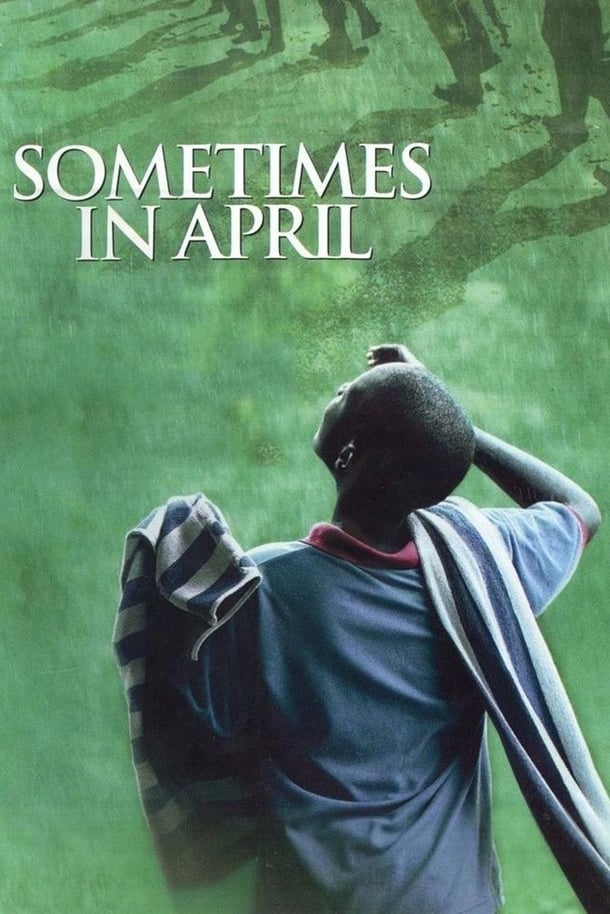
Two brothers are divided by marriage and fate during the 100 horrifying days of the 1994 Rwandan genocide.
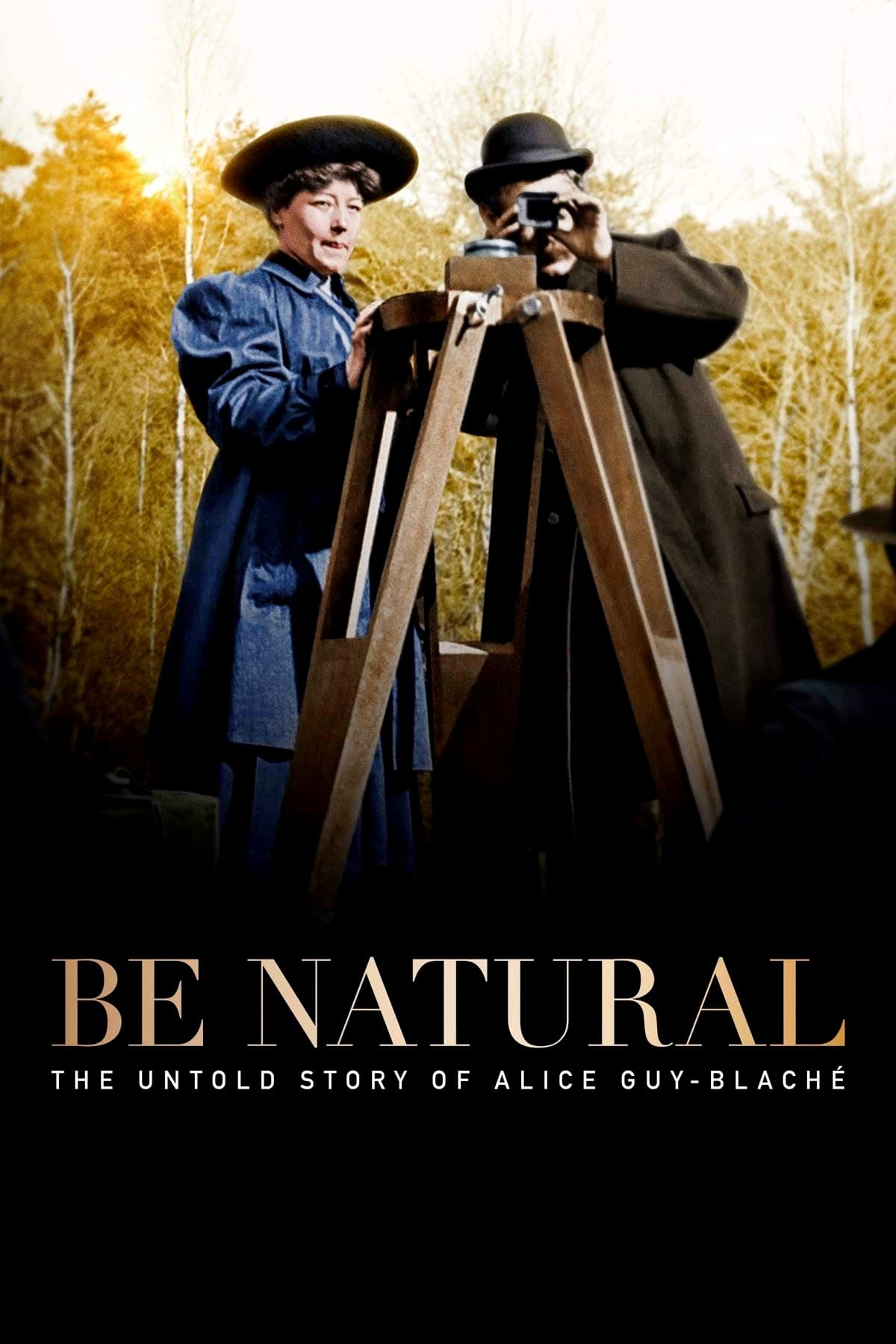
The epic life story of Alice Guy-Blaché (1873–1968), a French screenwriter, director and producer, true pioneer of cinema, the first person who made a narrative fiction film; author of hundreds of movies, but banished from history books. Ignored and forgotten. At last remembered.
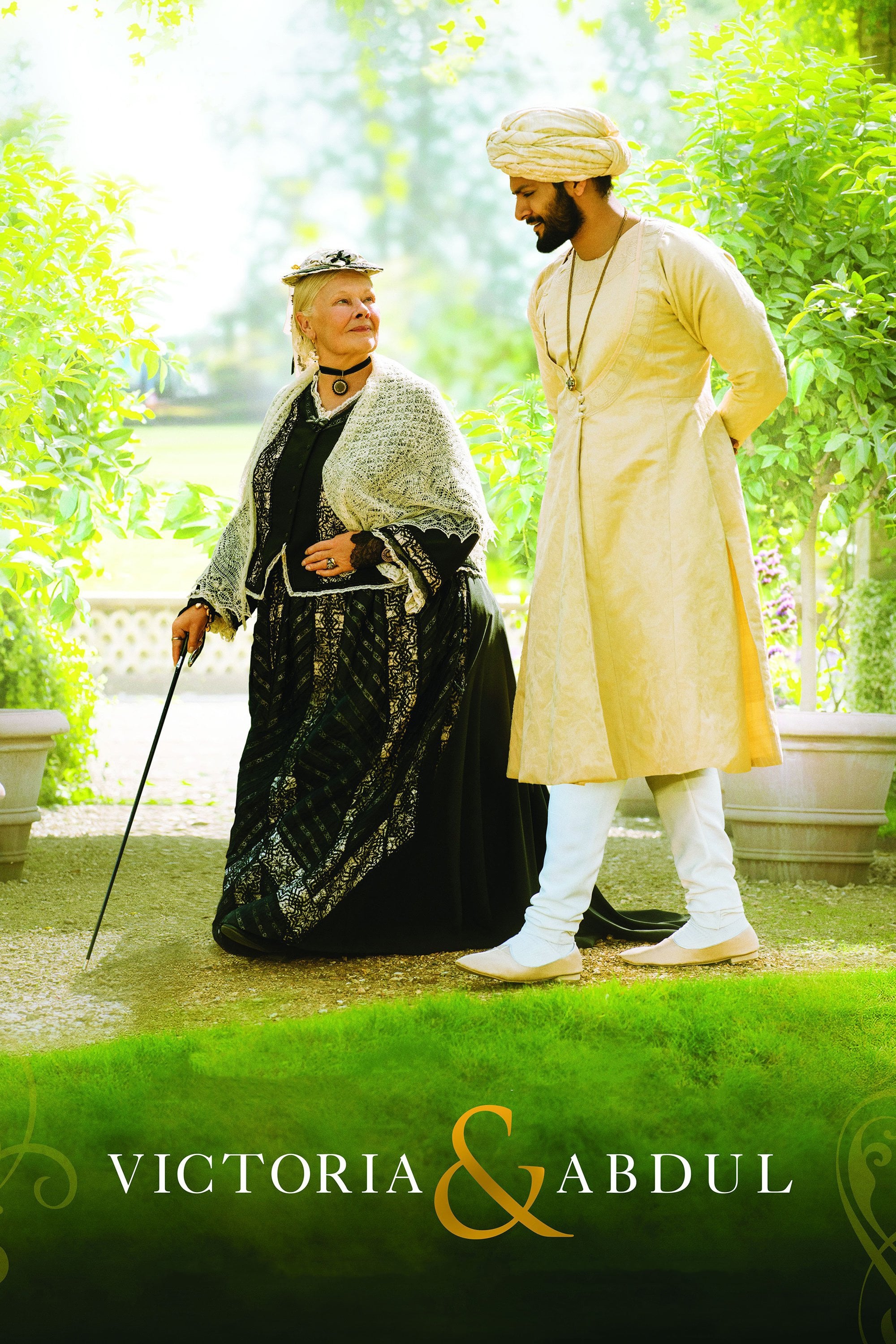
Queen Victoria strikes up an unlikely friendship with a young Indian clerk named Abdul Karim.
The true story of a part Aboriginal man who finds the pressure of adapting to white culture intolerable, and as a result snaps in a violent and horrific manner.
As Alice and Cora Munro attempt to find their father, a British officer in the French and Indian War, they are set upon by French soldiers and their cohorts, Huron tribesmen led by the evil Magua. Fighting to rescue the women are Chingachgook and his son Uncas, the last of the Mohican tribe, and their white ally, the frontiersman Natty Bumppo, known as Hawkeye.
At the turn of the 19th century, Pugilism was the sport of kings and a gifted young boxer fought his way to becoming champion of England.
Missionary Father LaForgue travels to the New World in hopes of converting Algonquin Indians to Catholicism. Accepted, though warily, by the Indians, LaForgue travels with the Indians using his strict Catholic rules and ideals to try and impose his religion.
Beginning just after the bloody Sioux victory over General Custer at Little Big Horn, the story is told through two unique perspectives: Charles Eastman, a young, white-educated Sioux doctor held up as living proof of the alleged success of assimilation, and Sitting Bull the proud Lakota chief whose tribe won the American Indians’ last major victory at Little Big Horn.
Dick Proenneke retired at age 50 in 1967 and decided to build his own cabin in the wilderness at the base of the Aleutian Peninsula, in what is now Lake Clark National Park. Using color footage he shot himself, Proenneke traces how he came to this remote area, selected a homestead site and built his log cabin completely by himself. The documentary covers his first year in-country, showing his day-to-day activities and the passing of the seasons as he sought to scratch out a living alone in the wilderness.
Based on a true story, this riveting western follows a headstrong New York widow as she journeys west to meet Sioux chief Sitting Bull, facing off with an army officer intent on war with Native Americans.
In early 19th century New England, an unscrupulous woman uses her beauty and wits to seduce, deceive and control the men around her.
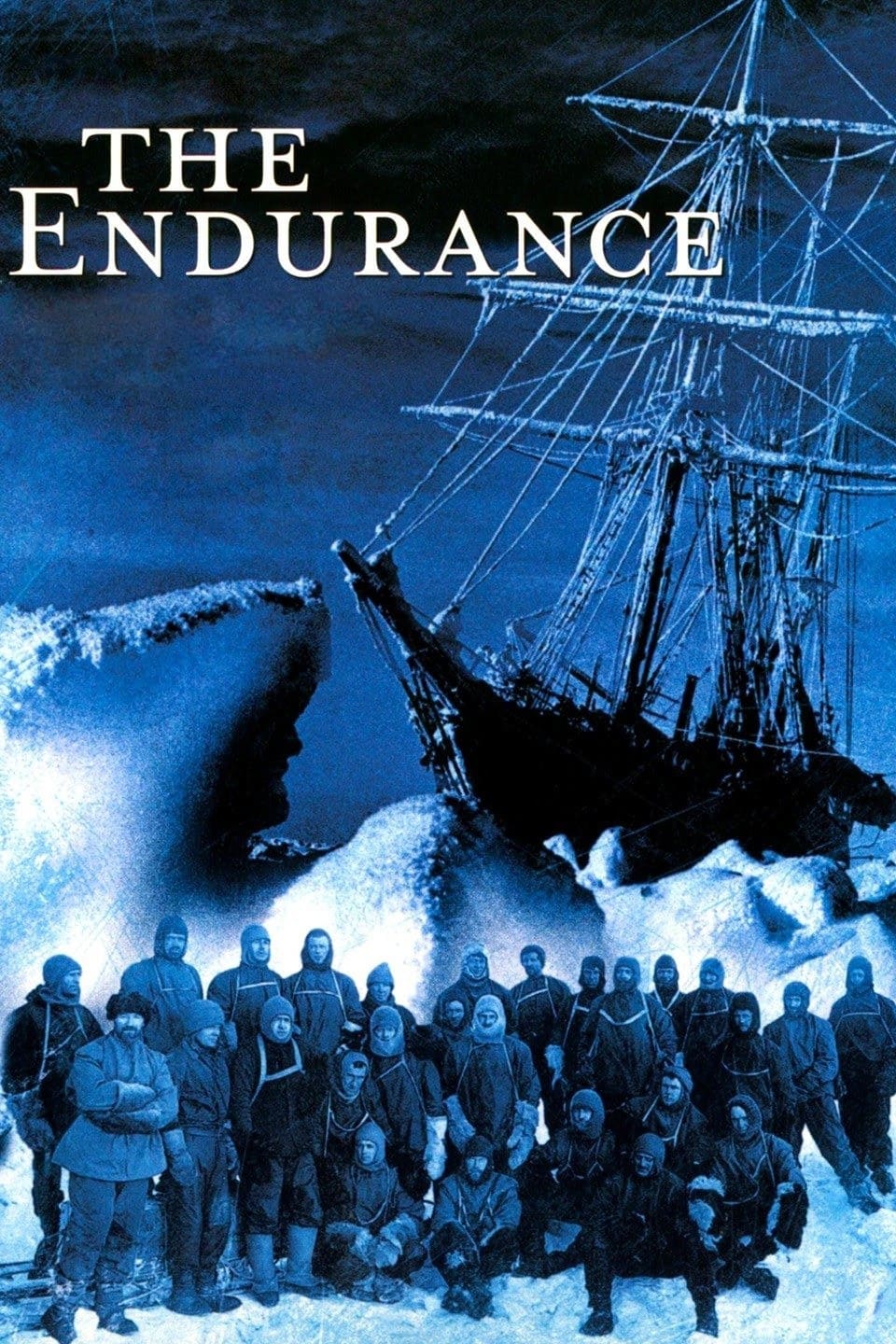
Documentary on the Shackleton Antartic expedition. A retelling of Sir Ernest Shackleton's ill-fated expedition to Antarctica in and the crew of his vessel 'The Endurance', which was trapped in the ice floes and frigid open ocean of the Antarctic in 1914. Shackleton decided, with many of his crew injured and weak from exposure and starvation, to take a team of his fittest men and attempt to find help. Setting out in appalling conditions with hopelessly inadequate equipment, they endured all weather and terrain and finally reached safety. Persuading a local team of his confidence that the abandoned team would still be alive, he set out again to find them. After almost 2 years trapped on the ice, all members of the crew were finally rescued.
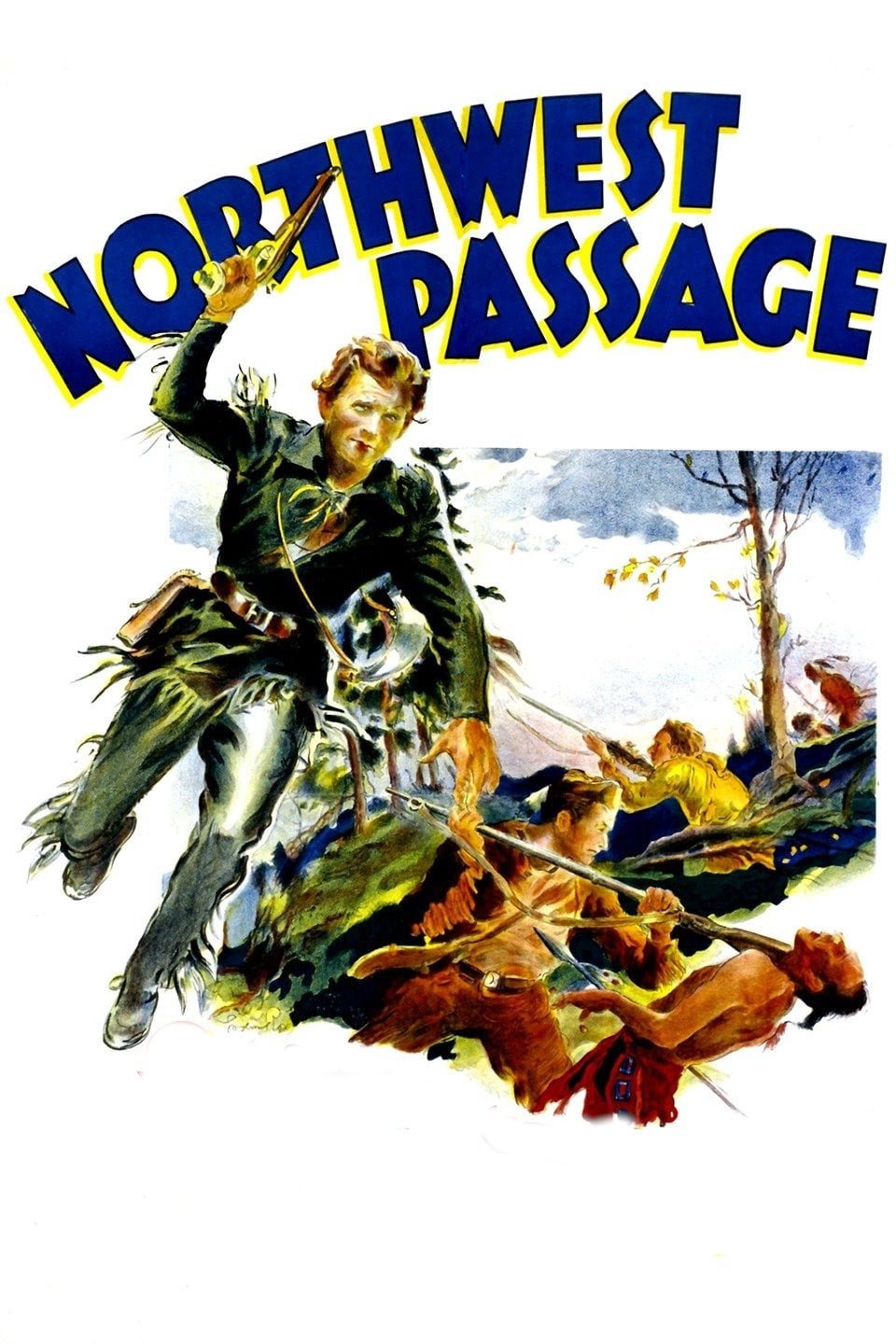
Based on the Kenneth Roberts novel of the same name, this film tells the story of two friends who join Rogers' Rangers, as the legendary elite force engages the enemy during the French and Indian War. The film focuses on their famous raid at Fort St. Francis and their marches before and after the battle.
Darwin meets Hitchcock in this documentary. Directors Dan Geller and Dayna Goldfine have created a parable about the search for paradise, set in the brutal yet alluring landscape of the Galapagos Islands, which interweaves an unsolved 1930s murder mystery with stories of present day Galapagos pioneers. A gripping tale of idealistic dreams gone awry, featuring voice-over performances by Cate Blanchett, Diane Kruger, and Gustaf Skarsgard.