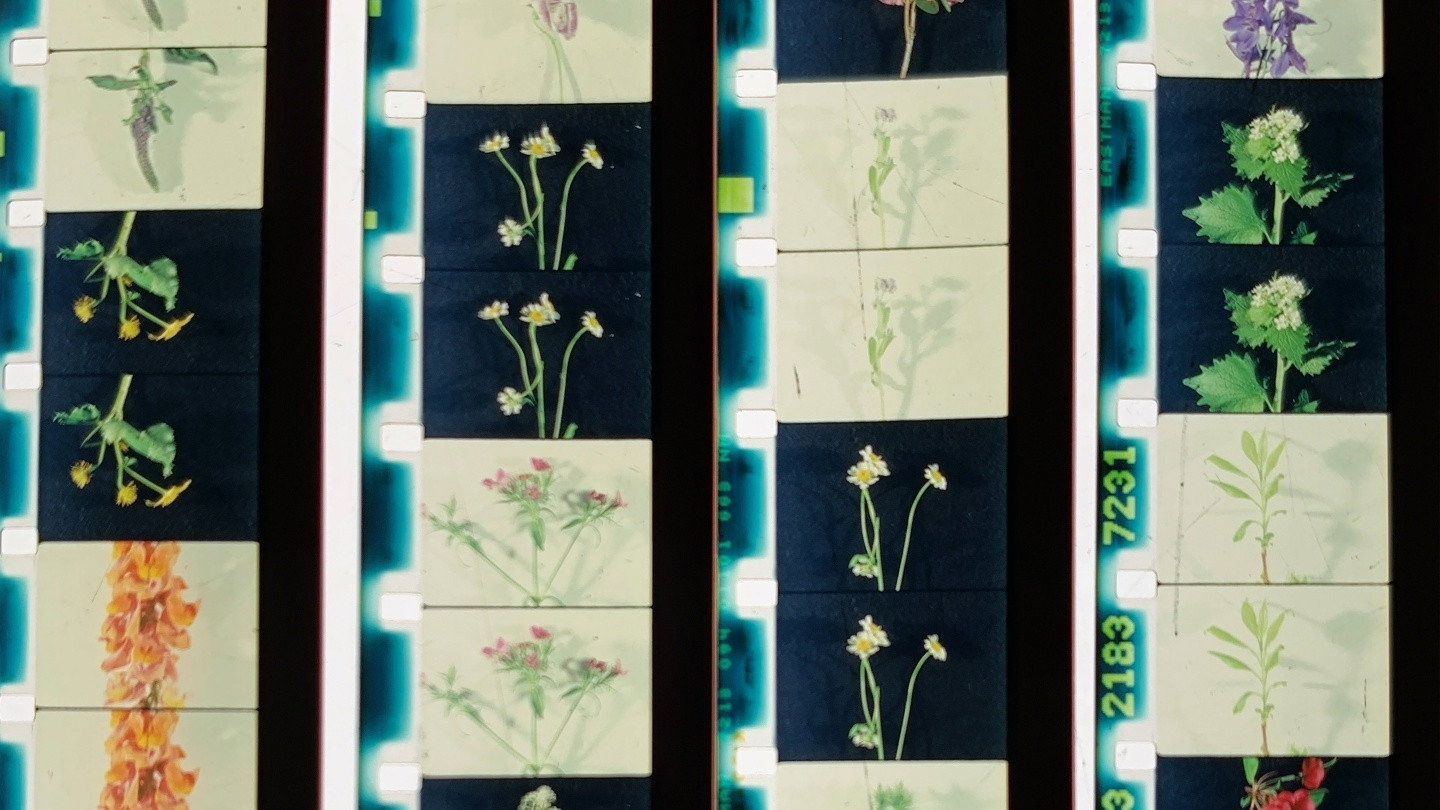
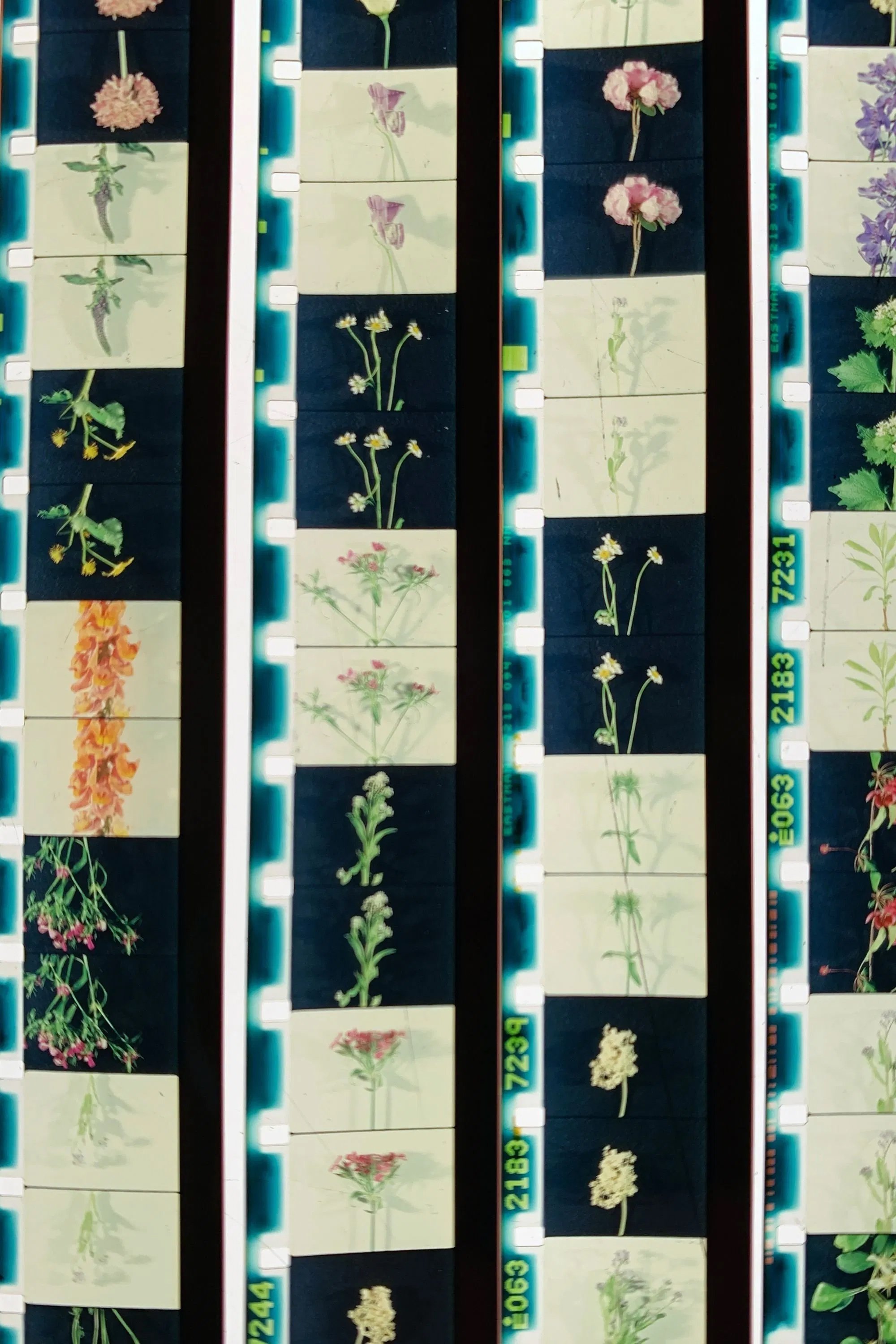
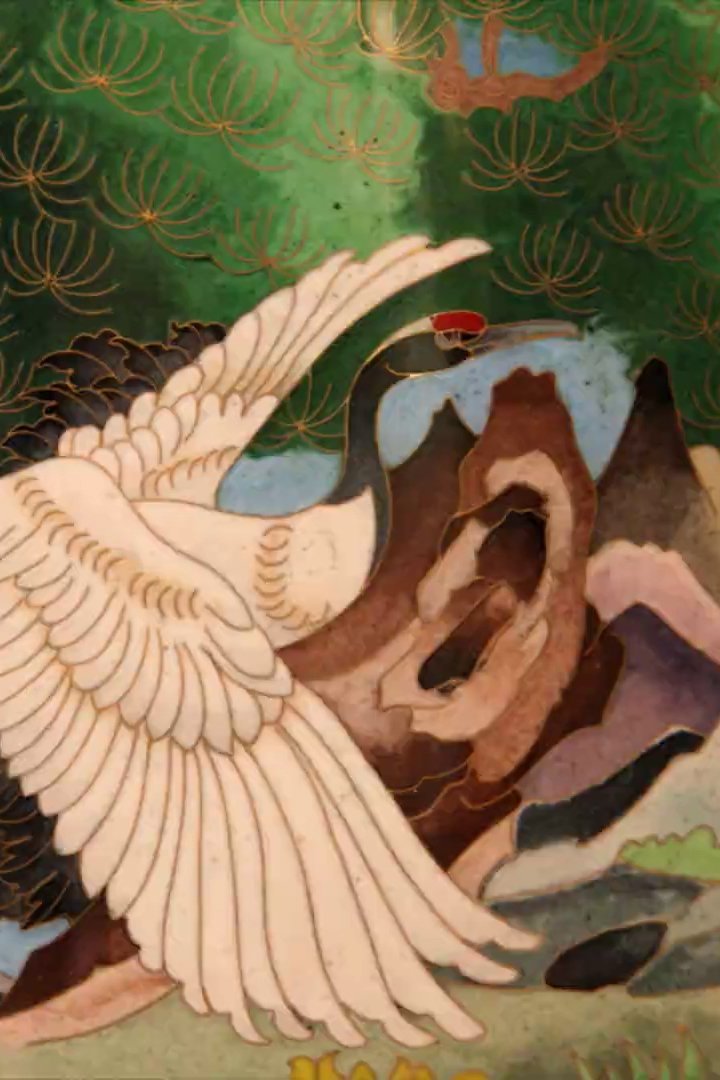
Flowers dance and transform in water, using strobe effects and superimposition. A meditation on life cycles through botanical animation, continuing Jodie Mack's material exploration.
Social & External
The people behind it
Peter Larsson’s Keyhole Conversation draws the eye down to the small gate of the camera. From there, through quivering and percussive forms of direct and stop-motion animation, the eye begins to experience the scale of an image anew. At times segueing into a flicker, but maintaining a charmed form of attention to the marks of pencils and the channels dredged in emulsion by a paintbrush, all to a curious soundtrack of pulses and bleeps.
A brief journey through the human experience as seen by the eyes of an Artificial Intelligence.
Machinima-adaptation of Albert Camus book "L'étranger", done in Grand Theft Auto: San Andreas.
Abstract video art set to the music of Philip Glass.
An NTSC space opera.
Following a morphing blob of flesh through an artificial landscape of urban textures we take part in a process of creation and adaption. From a simple square to increasingly complex moving patterns, the organic seems to get lost in the artificial which begins to dominate rhythm and structure of the world.
Proxima B is an experimental video shot entirely in stop motion. The camera moves frame by frame in models on which video projections animate the sets. Some plant elements were added to the drawing, frame by frame.
With the abundance of antiques and culture in Jordan, you can only see so much of the essence of traditional craftsmanship in a blink of an eye. This film showcases the beauty of old Hong Kong, all in a glimpse of textiles, flasks, paintings and statuettes.
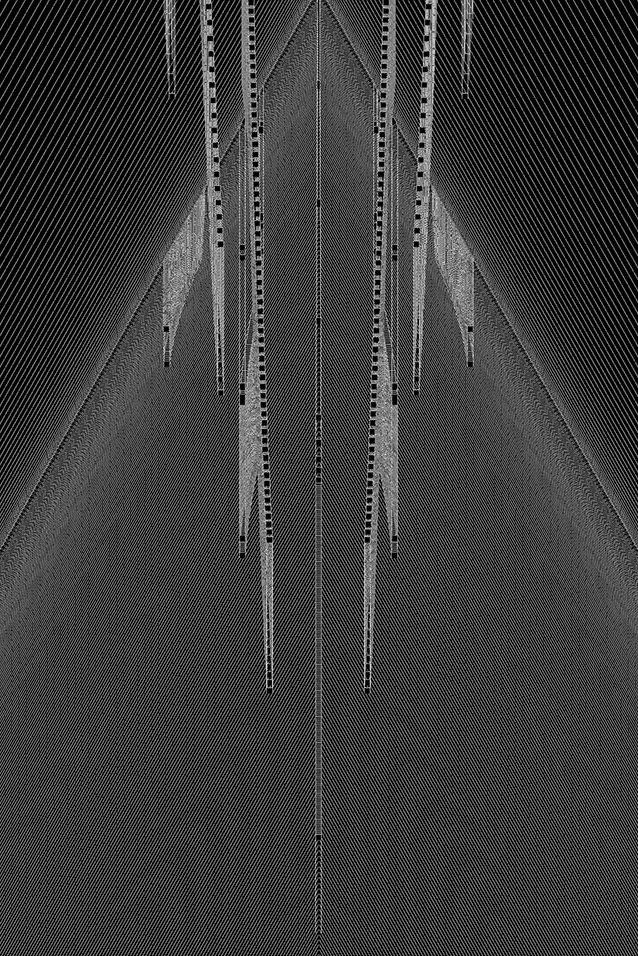
A minimalist optical sound meditation on simplicity and repetition building complex arrangements of audio-visual oneness, where the most basic geometric shapes draw intricate visual and sonic patterns.
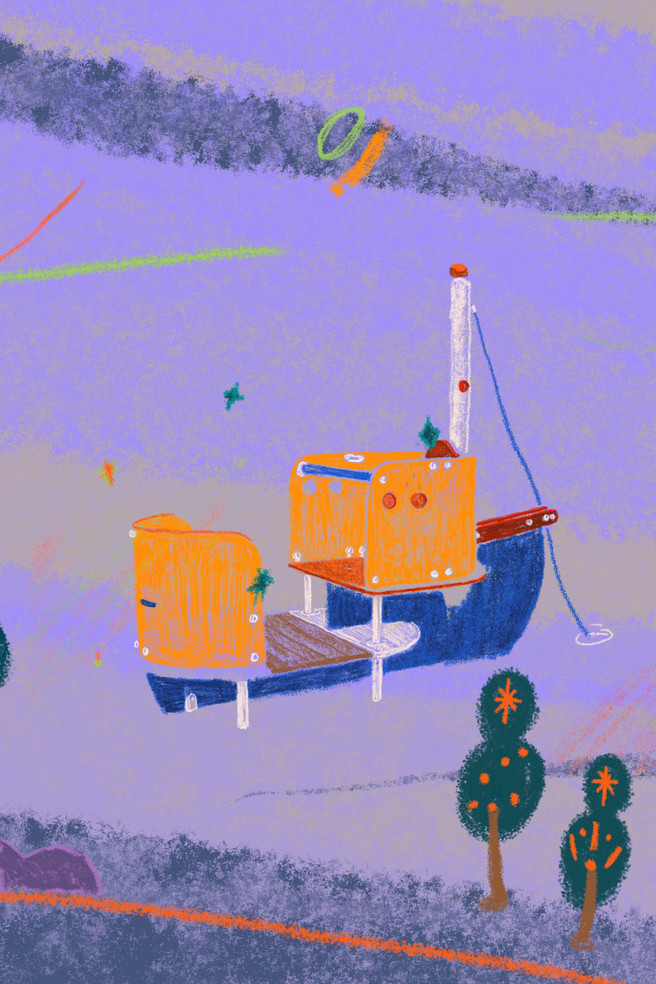
Translating and encapsulating the director's personal childhood experiences as well as past lived experiences, You build a home in my mind comprises of playground rides, the everyday scenery outside the window of the artist's studio, and unique, special objects recalled from memories—weaving together a melody that lures the viewers to roam and wander. As the boat navigates between reality and imagination, resembling a journey of constant loss and persistent search, the scenes become slightly different when they reappear, these scenes alluding to the repetitiveness and uncertainty of life.
Appearance, hormone, sex appeal. When we are tired of everything about these, all we want to do is break, demolish, and destroy. With crazy cut-out animation, this film is trying to release us with the strong beat of the song and search for revenge in a chaotic but unique world.
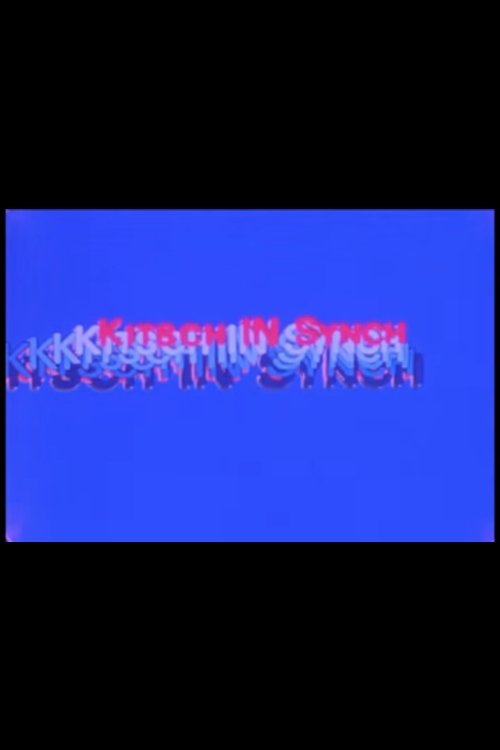
The animation, music, and optical printing of Kitsch in Synch was produced by Beckett and the students in two classes he was teaching at CalArts. Although a group project, it is clear that Beckett was the director. The playful, catchy soundtrack is used to create a cycle of building tension and release. The brightly colored shapes create approximate symmetrical formations and become more densely layered, with glimpses of iconographic objects and even live footage near the end. Preserved by the Academy Film Archive, in partnership with the iotaCenter, in 2007.
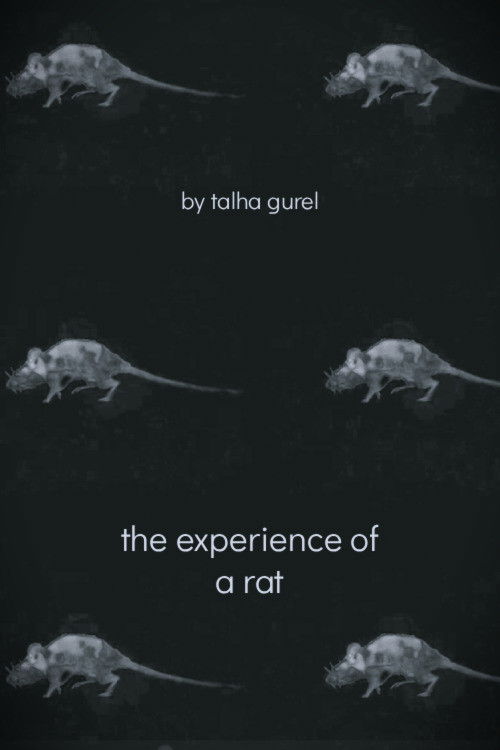
This ultra-short, experimental video art piece serves as a stark apparatus for decoding the aggressive rhythm and discontinuous production of contemporary life. The work is built upon a Stop Motion loop composed of just 12 frames, using this brief, intense format as an installation of shock that conveys the systemic pressure of a speed-obsessed society. The central figure, the rat, is placed to represent the archetypal subject of the urban underclass—the individual whose labor is rendered invisible and who is constantly forced into a struggle for survival. What we observe is not an advancement, but a fruitless scurry trapped in a vicious cycle. As the image repeats, it whispers that what we perceive as progress is, in fact, nothing more than an exhausting, self-referential recurrent routine. Rhythm/12 Frames compels the viewer to question both their own limits of perception and the grim reality of existence reduced to a survival mechanism within the system
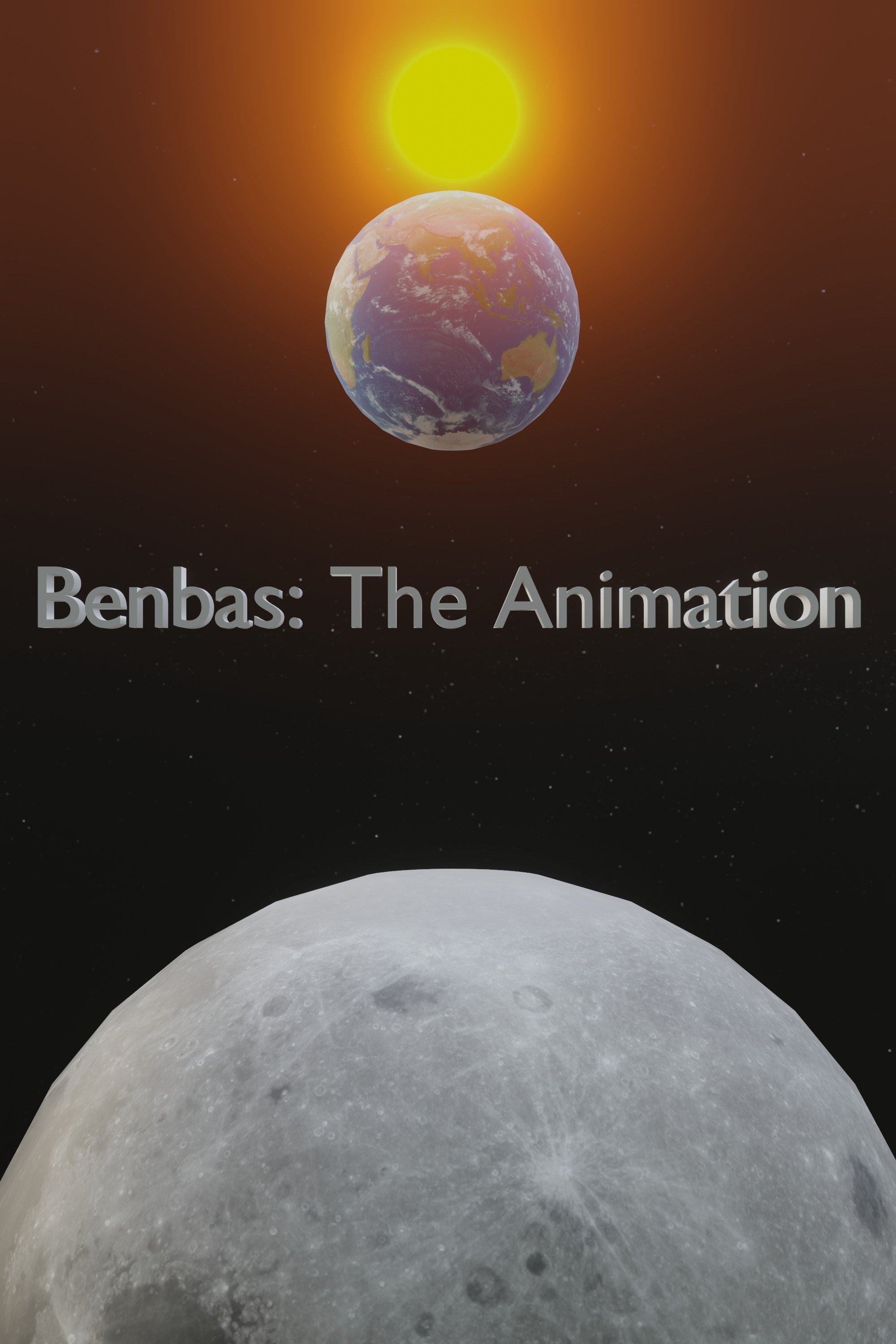
Daner's mission is to get someone to the border, but he'll need the help of everyone at Benbas to do it, will they succeed?
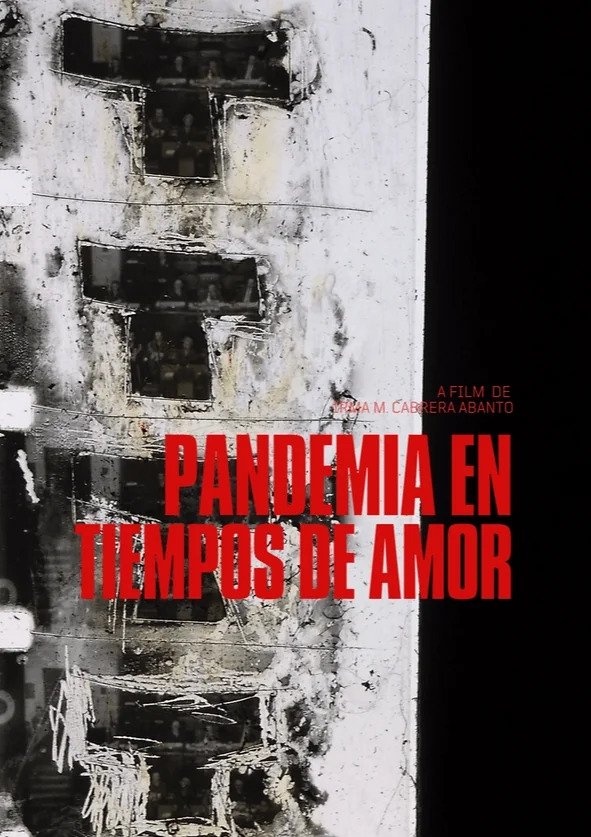
A 16mm archive from 1964 intervened as an emotional diary during the first three months of the COVID-19 pandemic is the basis of this film, reinterpreted in the montage of the sound design, in which the images are reinterpreted, emphasizing the soundscape of the protests from 2020 to 2023 in the streets of Cajamarca, Cusco and Lima, three regions of Peru, questioning the constant political and social crisis.
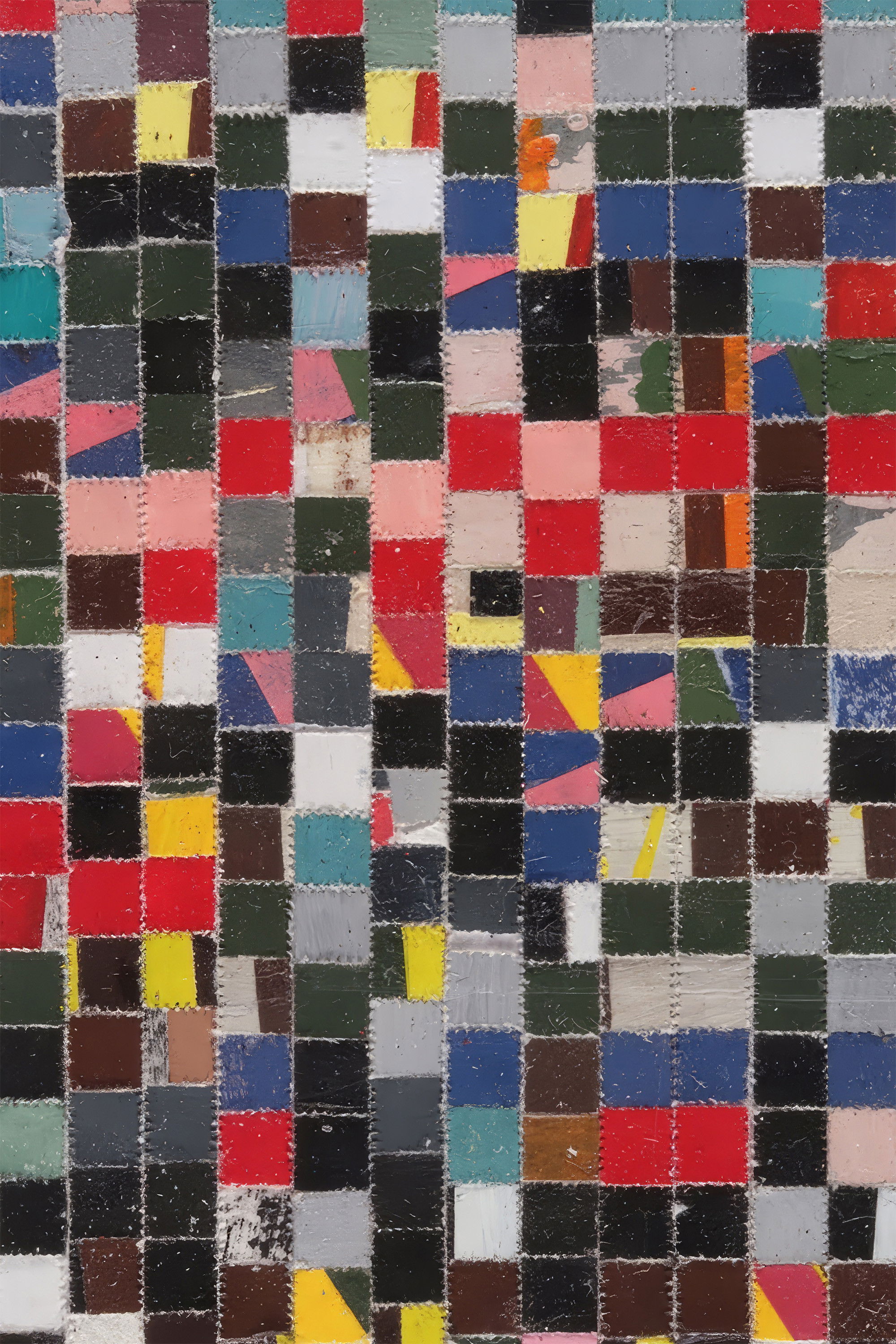
One of Rimmer's early 2000s video works which he made by hand-painting 35mm film, running it on a flatbed viewer, and shooting it off the screen with a video camera to then subject it to further manipulation.
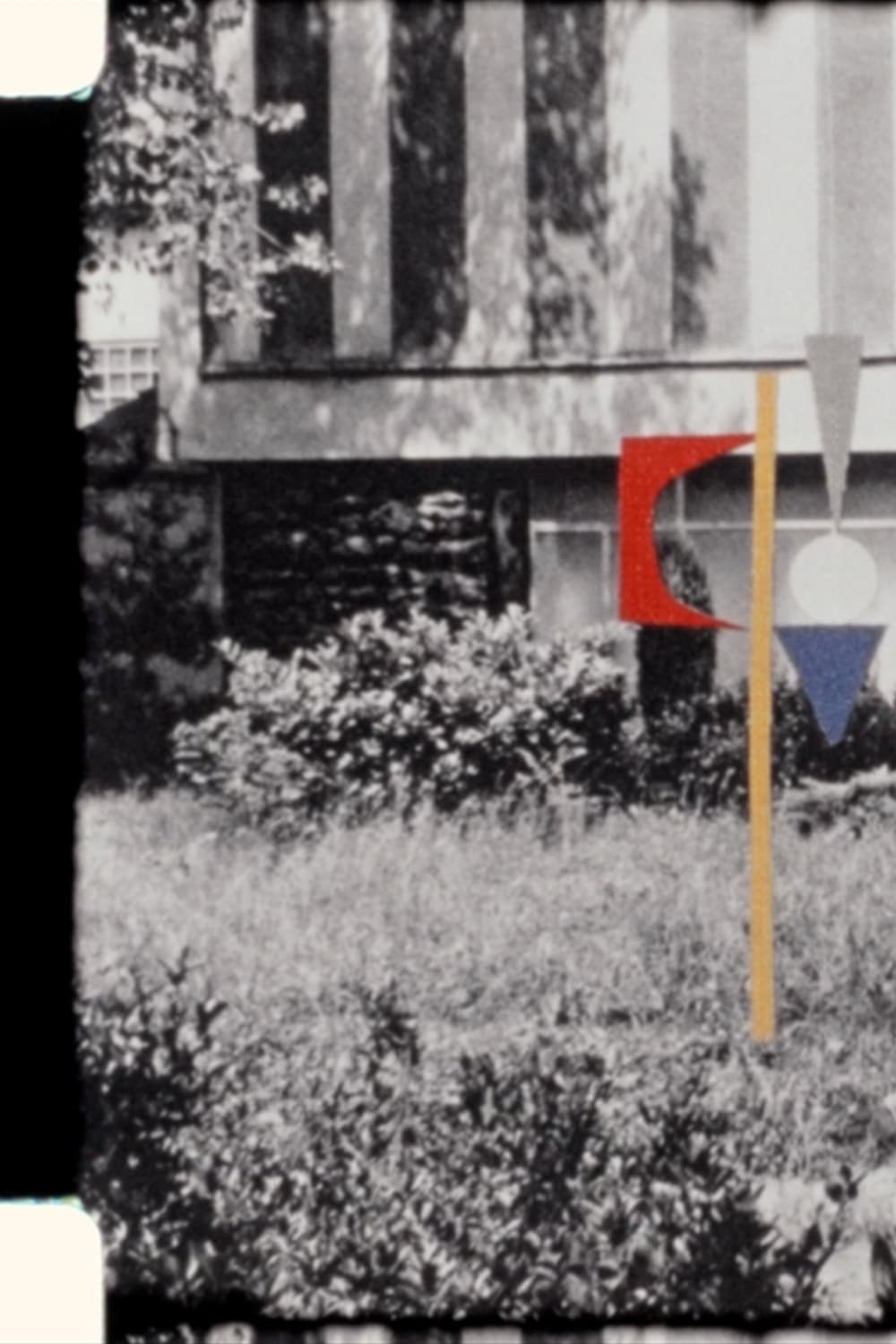
Filmed on 16mm film, this visual expression is rooted in its archival materials and backed up by the poem by Hans Magnus Enzensberger. It speaks of the forgotten people, their lives and their deeds. These two Archives have been found on the flea market in Zagreb. One is of a famous architect and the other one is of a famous composer. This film ponders on this occurrence, on the vanishing of and forgetfulness of humans.
By accident, Cedric (Goofy), replaces his master, Sir Loinsteak, in the armor just before the joust with champion Sir Cumference.
A series of 30 sketches, following the hilarious antics of various characters from a galaxy, far, far away.
Journey into the secret world of Pixie Hollow and hear Tinker Bell speak for the very first time as the astonishing story of Disney's most famous fairy is finally revealed in the all-new motion picture "Tinker Bell."
On an idyllic beach in the Pacific Northwest, curiosity gets the better of a young raccoon whose frustrated parent attempts to keep them both safe.
Mickey has been reading Alice in Wonderland, and falls asleep. He finds himself on the other side of the mirror, where the furniture is alive.
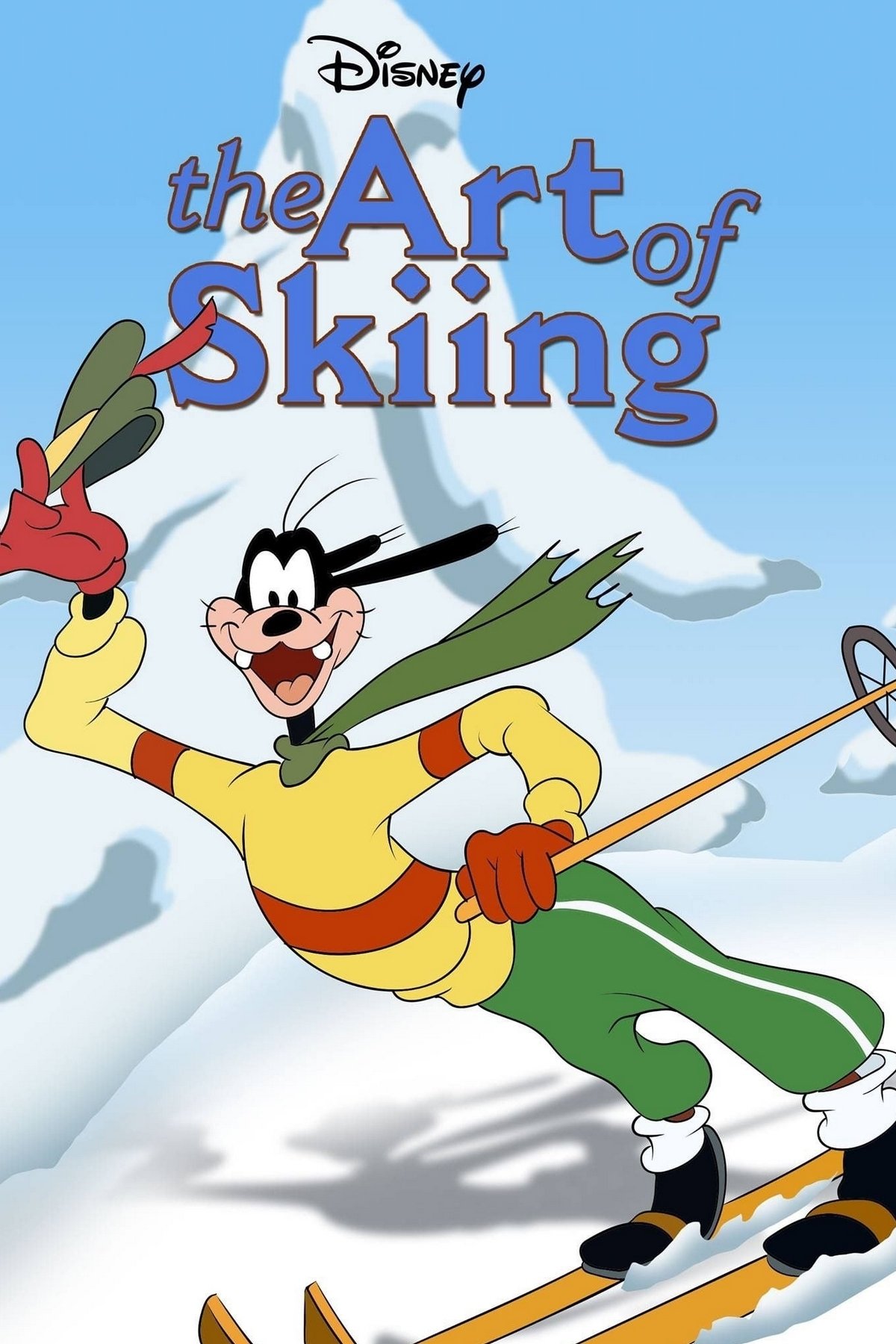
Goofy, staying at the Sugar Bowl resort, demonstrates the basics of downhill skiing, which the titles and announcer insist is pronounced "SHEEing". The equipment is, of course, of the era. As you can imagine, Goofy has much trouble keeping his skis parallel and pointing downhill. The final ski jump conveniently lands Goofy right back in bed.
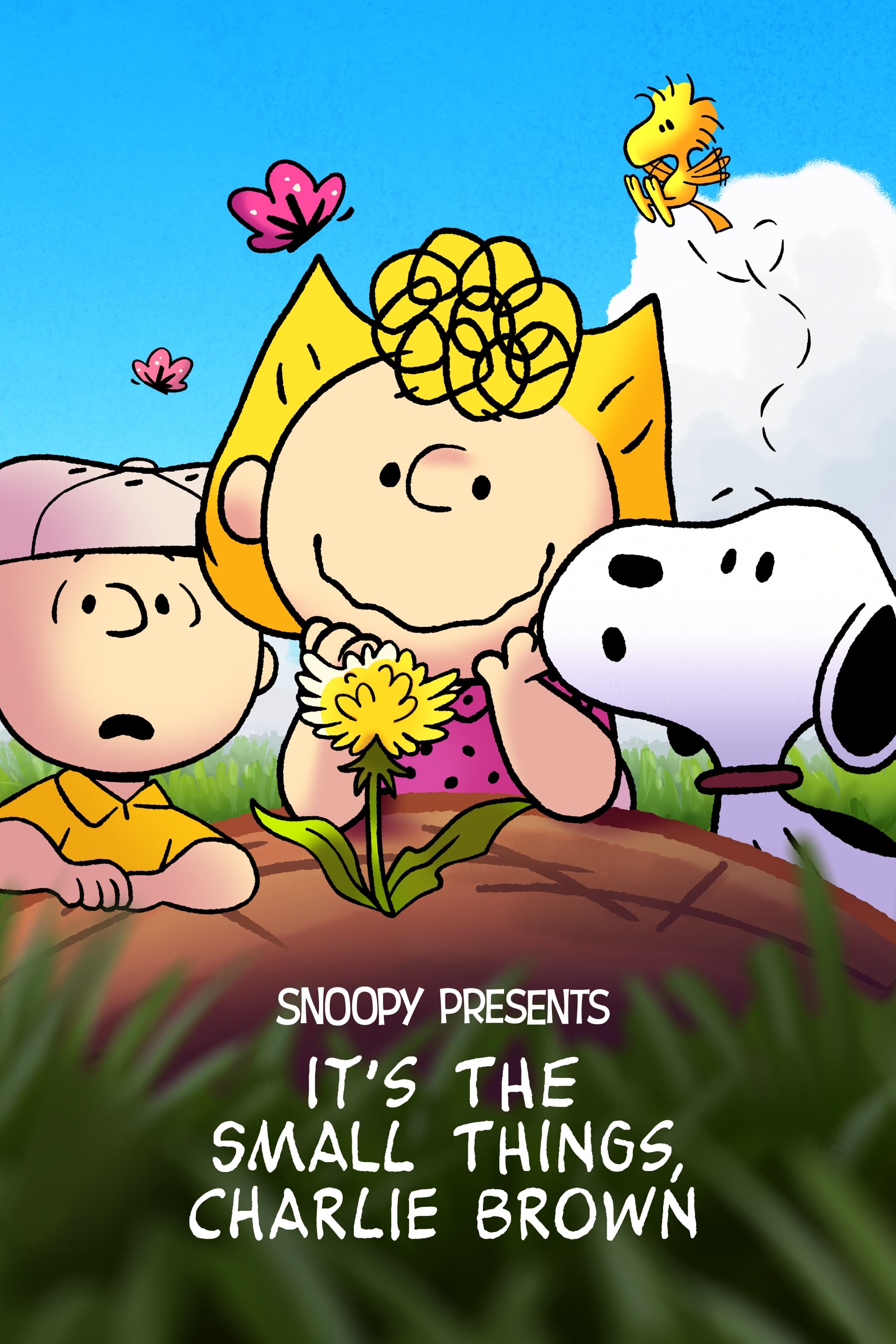
Charlie Brown is determined to win the big baseball game. But things turn into a fiasco right before the matchup, when Sally bonds with a little flower on the pitcher's mound and vows to protect it at all costs.
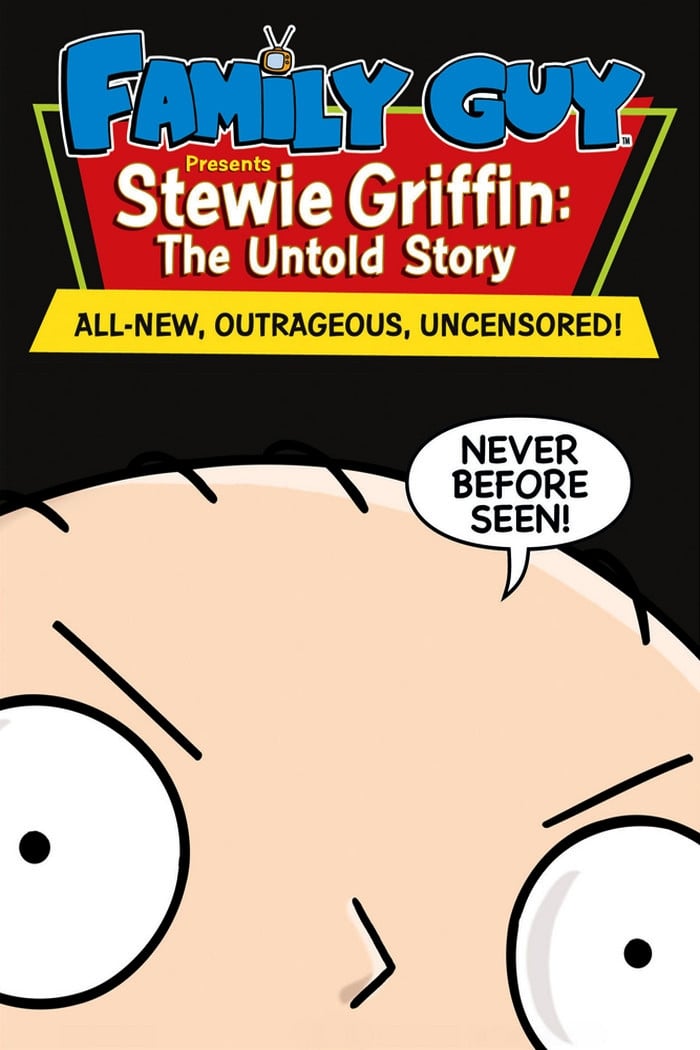
The maniacal baby of the Griffin family, Stewie, meets his future self. In doing this he discovers that his future image is not what he has anticipated because of a near death experience.
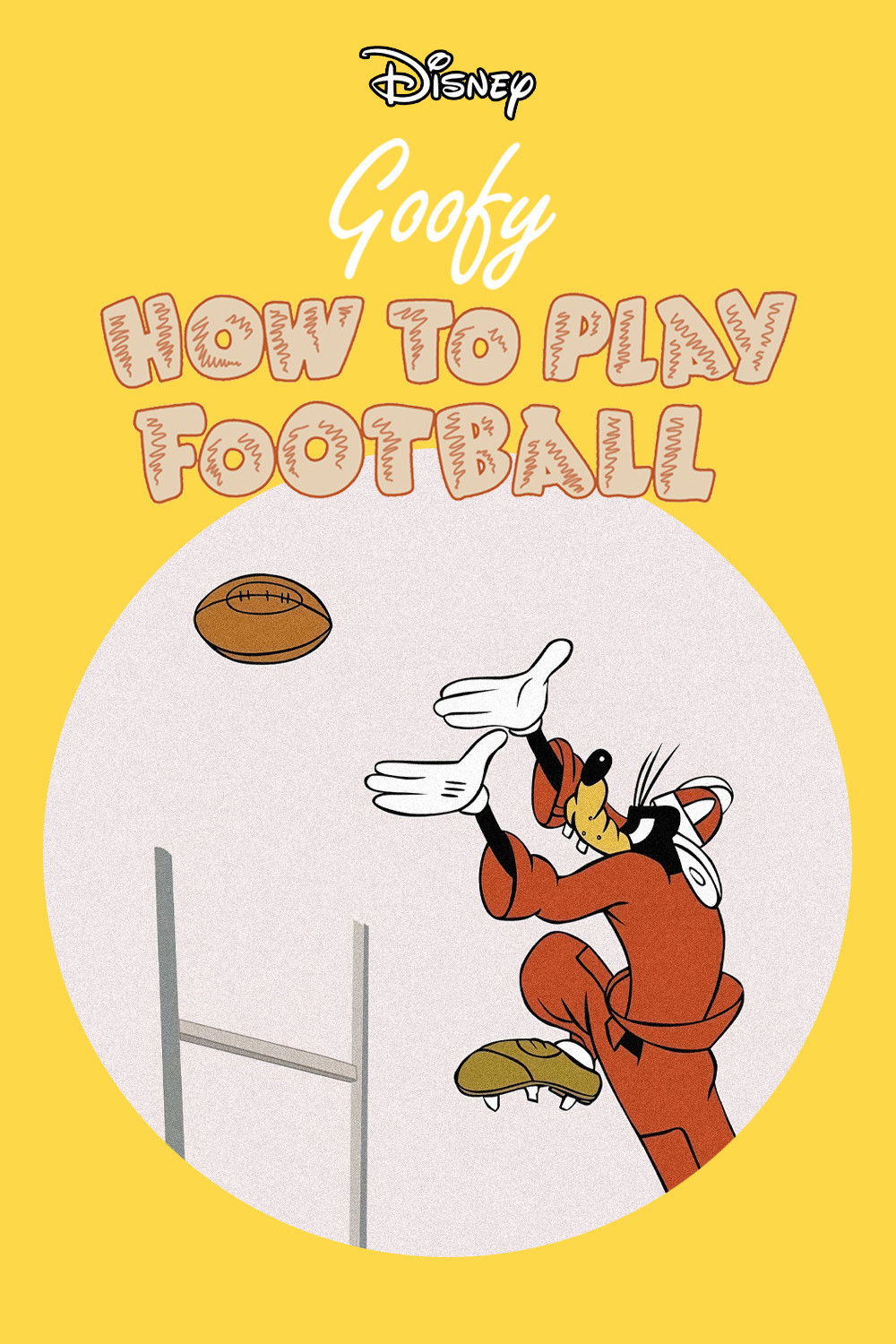
Taking all the places on both teams, Goofy demonstrates the game of football with varying results, having problems with the coach and the goal post.
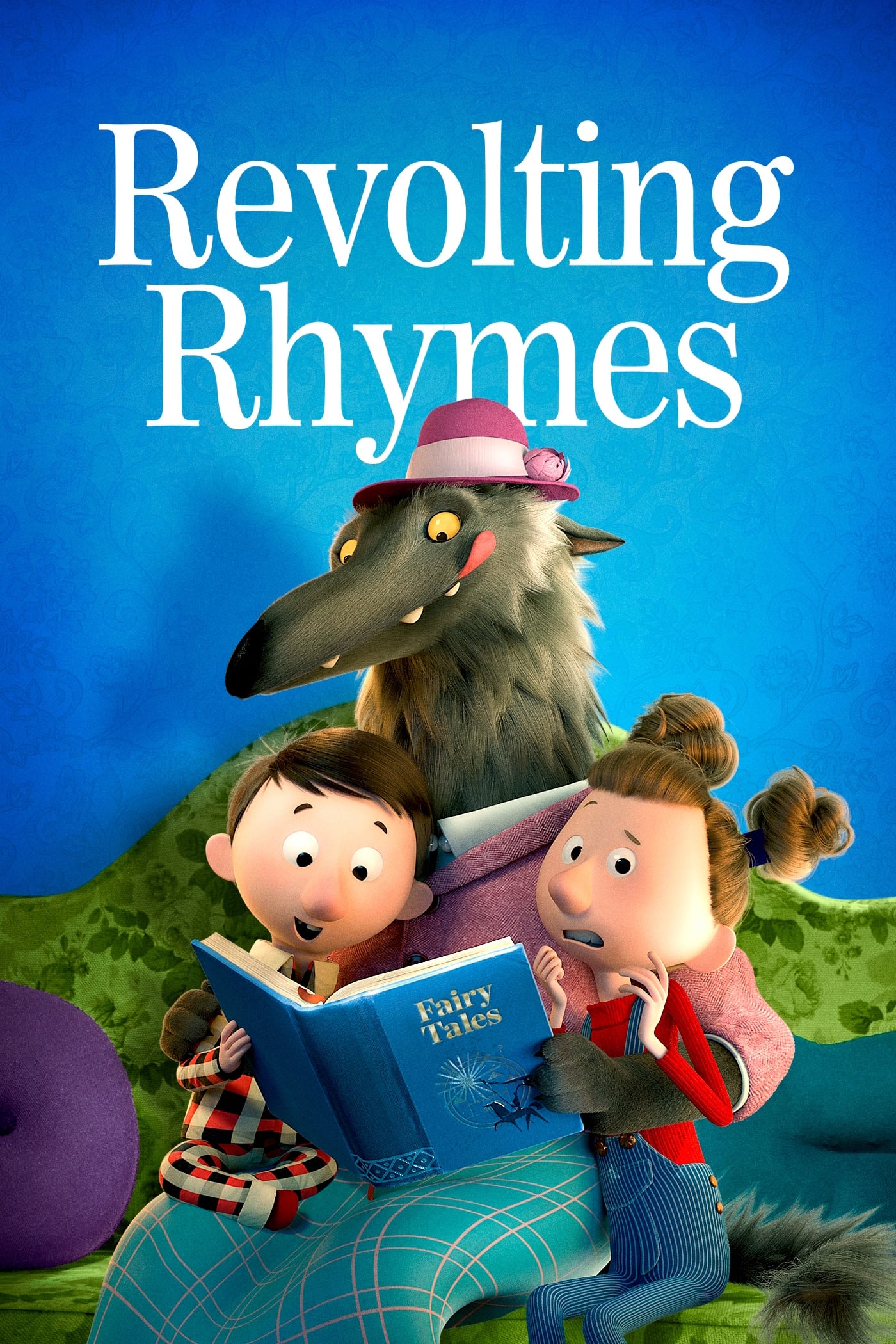
Two half-hour animated films based on the much-loved rhymes written by Roald Dahl and illustrated by Quentin Blake.
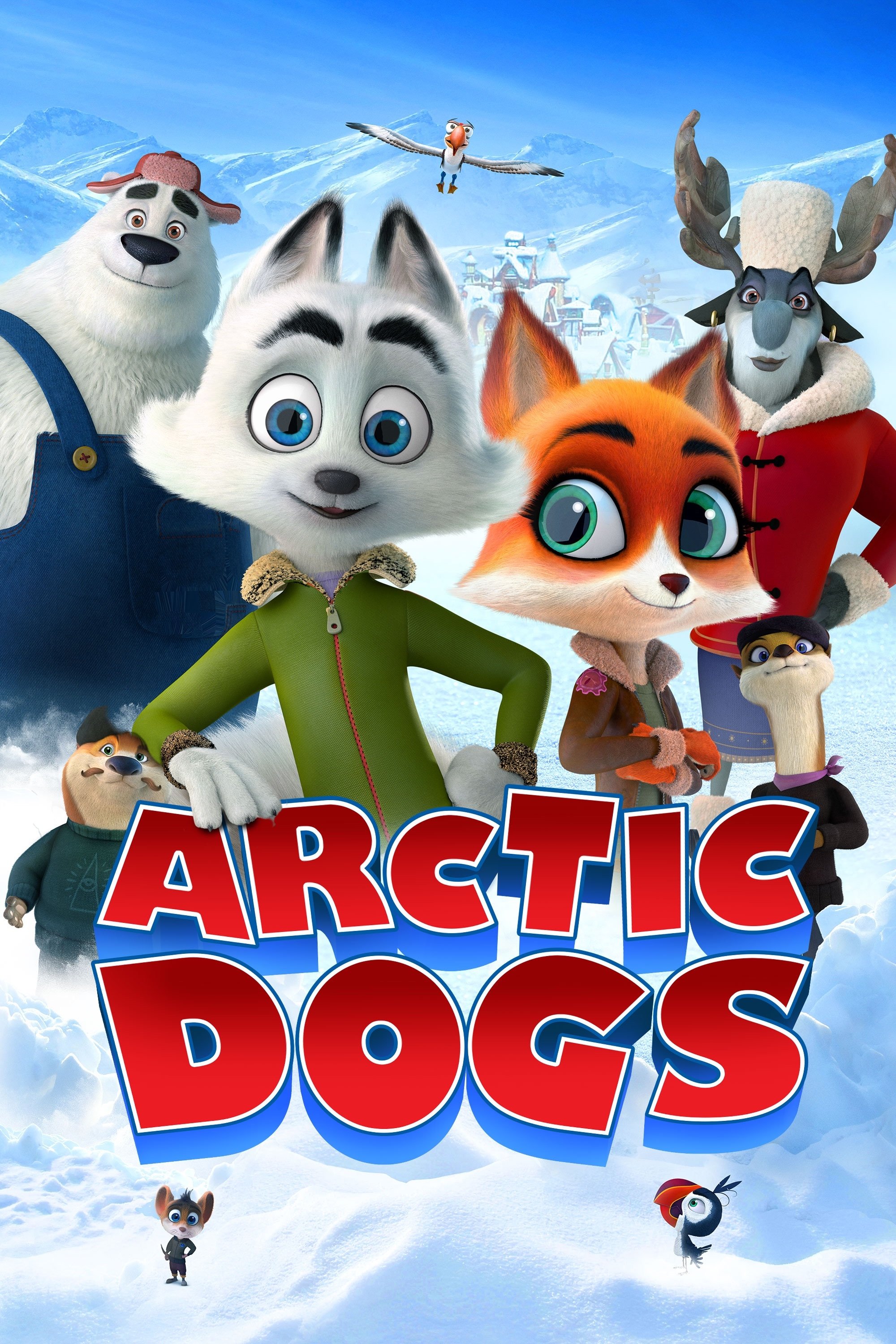
Animals band together to save the day when the evil Otto Von Walrus hatches a sinister scheme to accelerate global warming and melt the Arctic Circle.
Schoolboy Donald is torn between his angel and devil sides, though in Donald's case, the devil side isn't hard to resist. But the smoking he's encouraged to do turns him green and gives him regrets, and when the good side shows up and kicks evil's butt, Donald cheers.
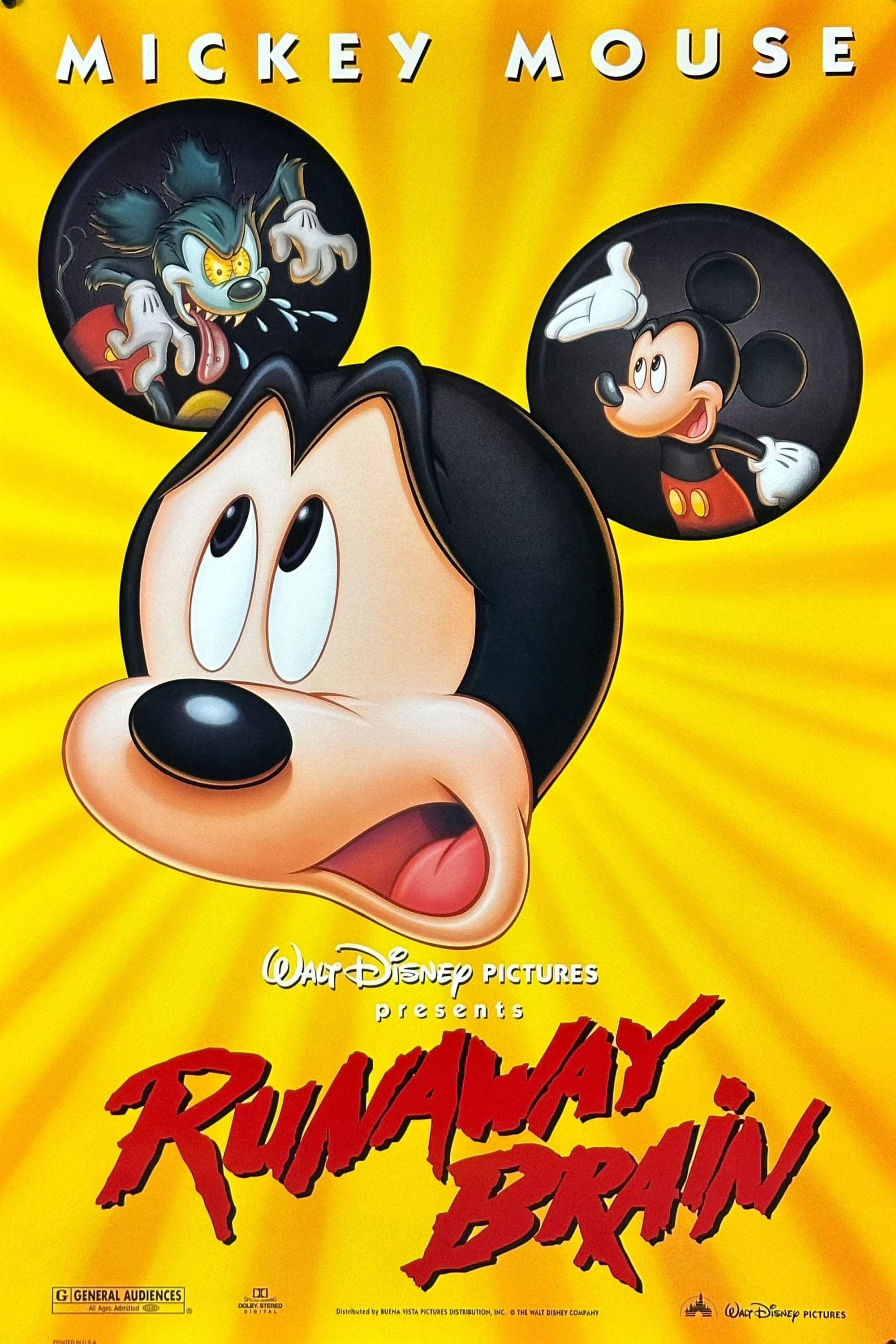
In an attempt to convince Minnie that he hasn't forgotten to buy her an anniversary present, Mickey Mouse ends up promising to take her to Hawaii. Funds being short, he applies for a job as lab assistant to the sinister Dr. Frankenollie, who happens to be searching for a donor to provide his monstrous creation with a brain.
Winnie the Pooh and his friends experience high winds, heavy rains, and a flood in Hundred Acre Wood.
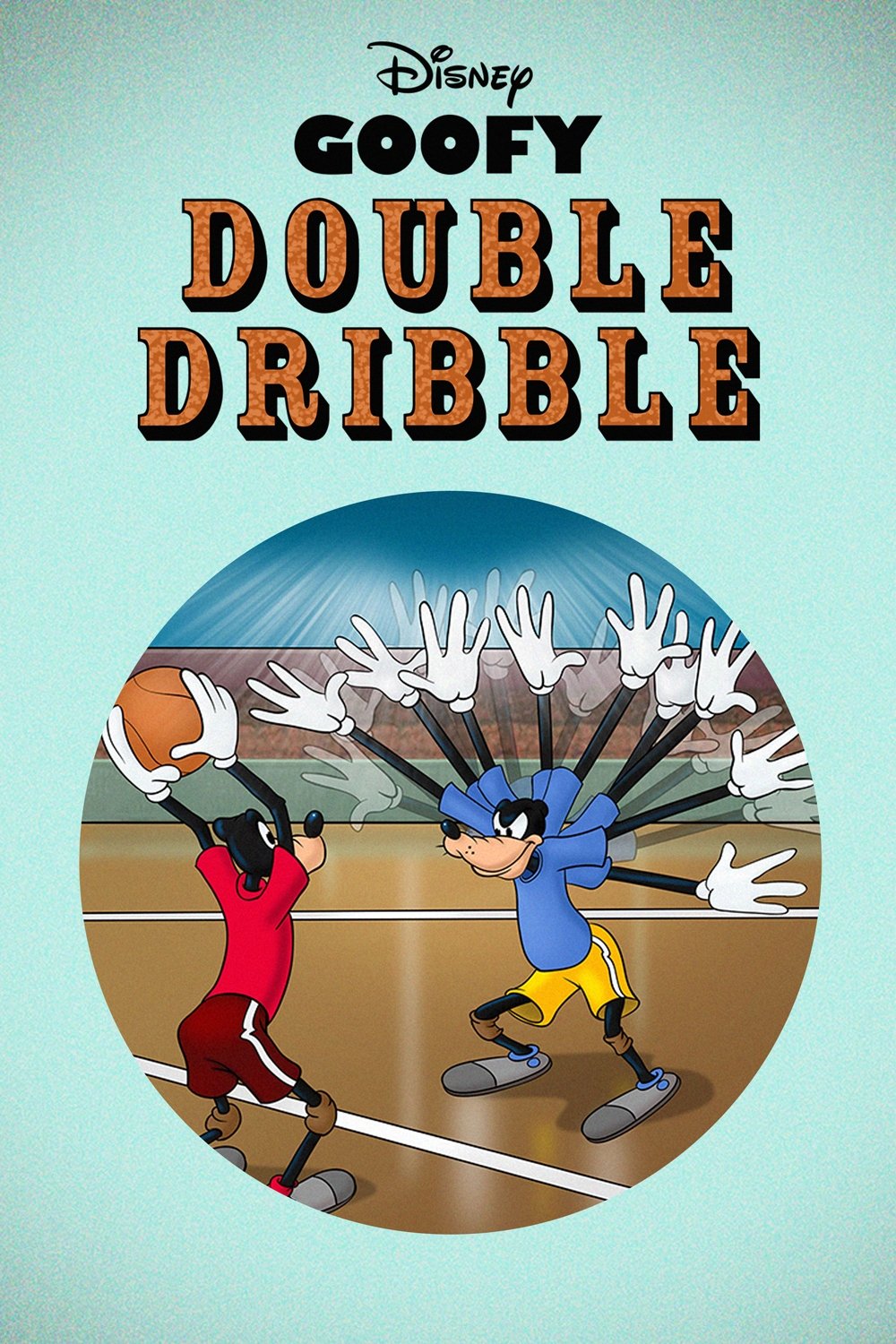
A basketball game of Goofs (P.U. vs. U.U.) in which the players play furiously, often breaking the rules of the game. All of the players are named after Disney artists.
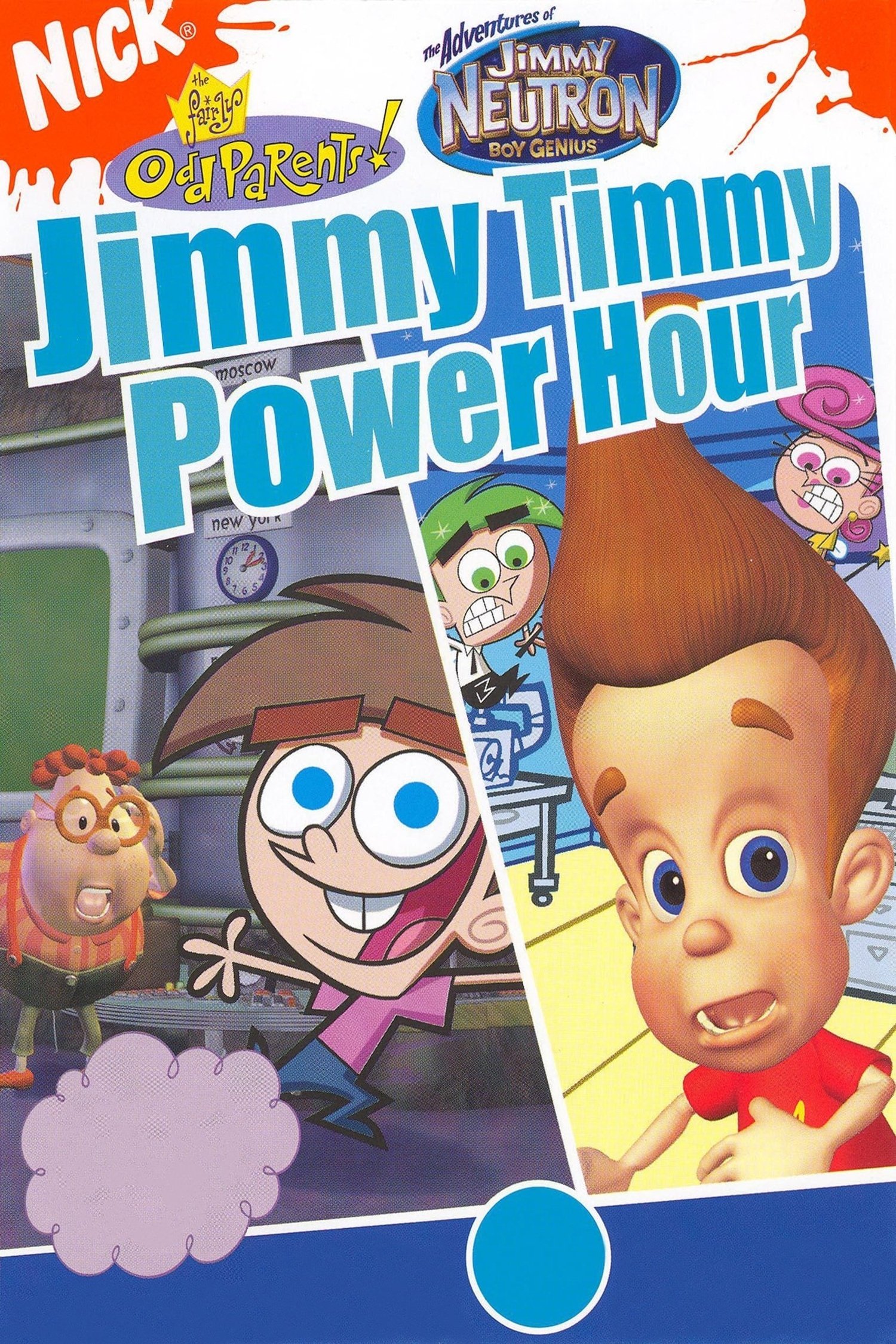
Mayhem reigns supreme in the animated kingdom as whiz kid Jimmy Neutron and Timmy from "The Fairly Oddparents" swap places in each other's worlds.
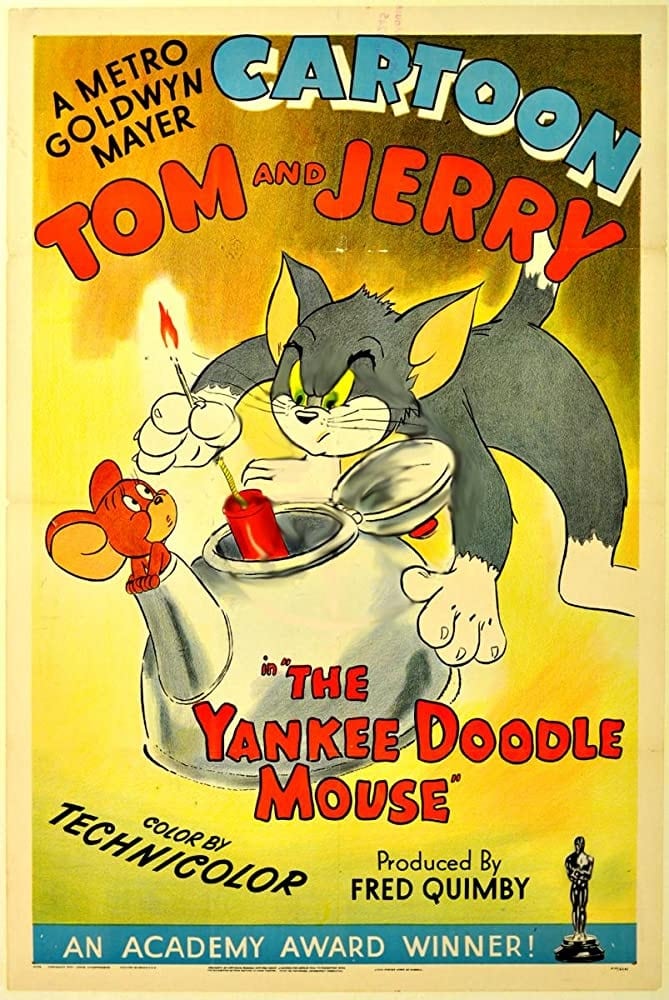
As Tom and Jerry stage their typical fight sequences, the patriotic soldier theme of the title is evidenced by such things as a carton of eggs labeled "Hen Grenades"; Jerry dropping light bulbs from an airplane like bombs; and Jerry sending a telegram with the message "Sighted Cat - Sank Same." Musical phrasings from various patriotic war songs are heard throughout. The cut scene after Jerry hitting Tom with the board 4 times was cut from the 1950 reissue print for a war bond joke, and the original footage is currently considered "lost" due to the negatives destroyed in the 1978 George Eastman House fire.
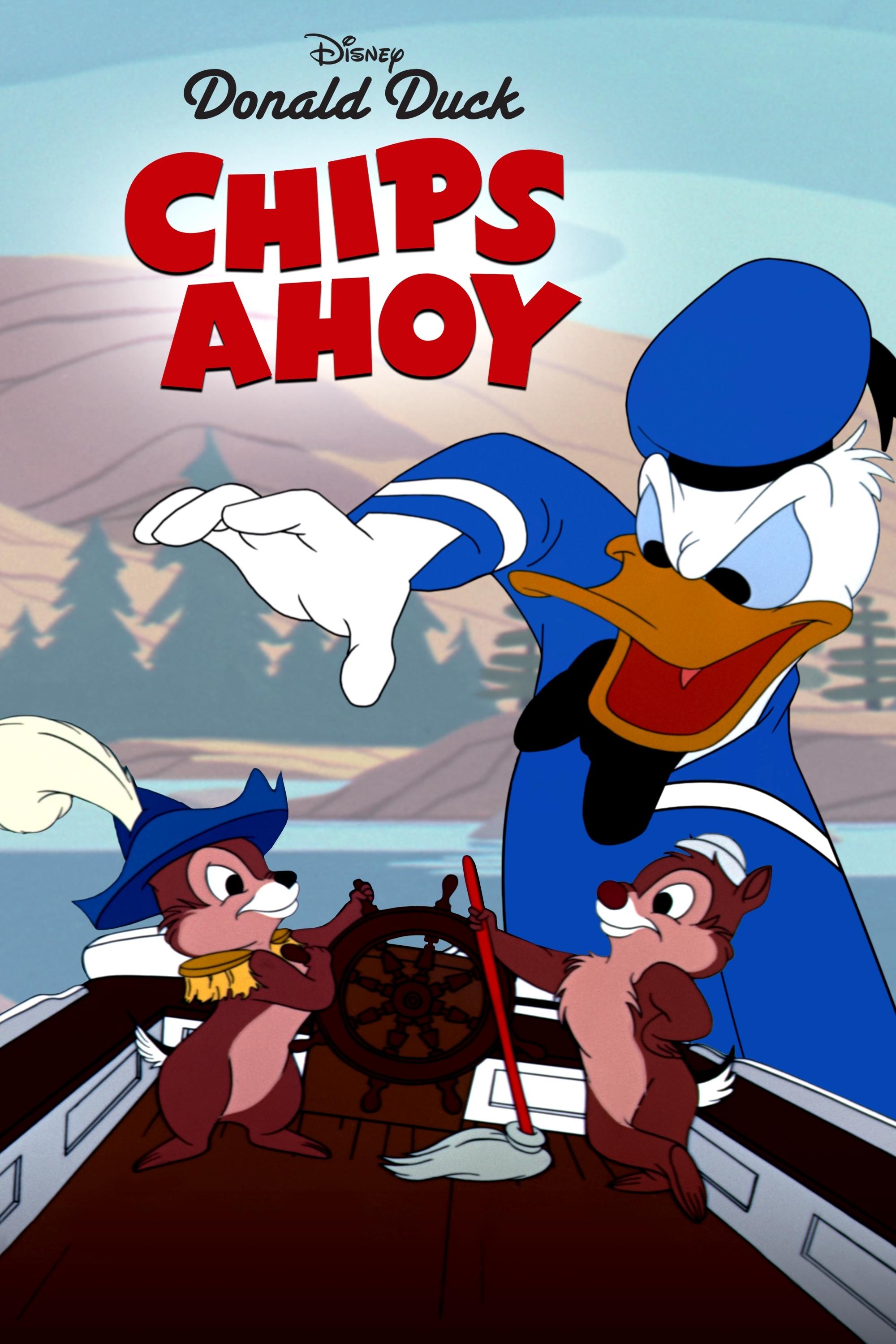
Chip and Dale are starving in their tree home when they notice a plentiful supply of acorns on an island in a lake. To get to the island, they borrow a miniature model ship of Donald's to sail on. The irate Donald, however, doesn't appreciate them stealing his ship and makes several attempts to get it back and thwart their scheme to get to their acorn paradise. Chip and Dale are, of course, always one step ahead of Donald.
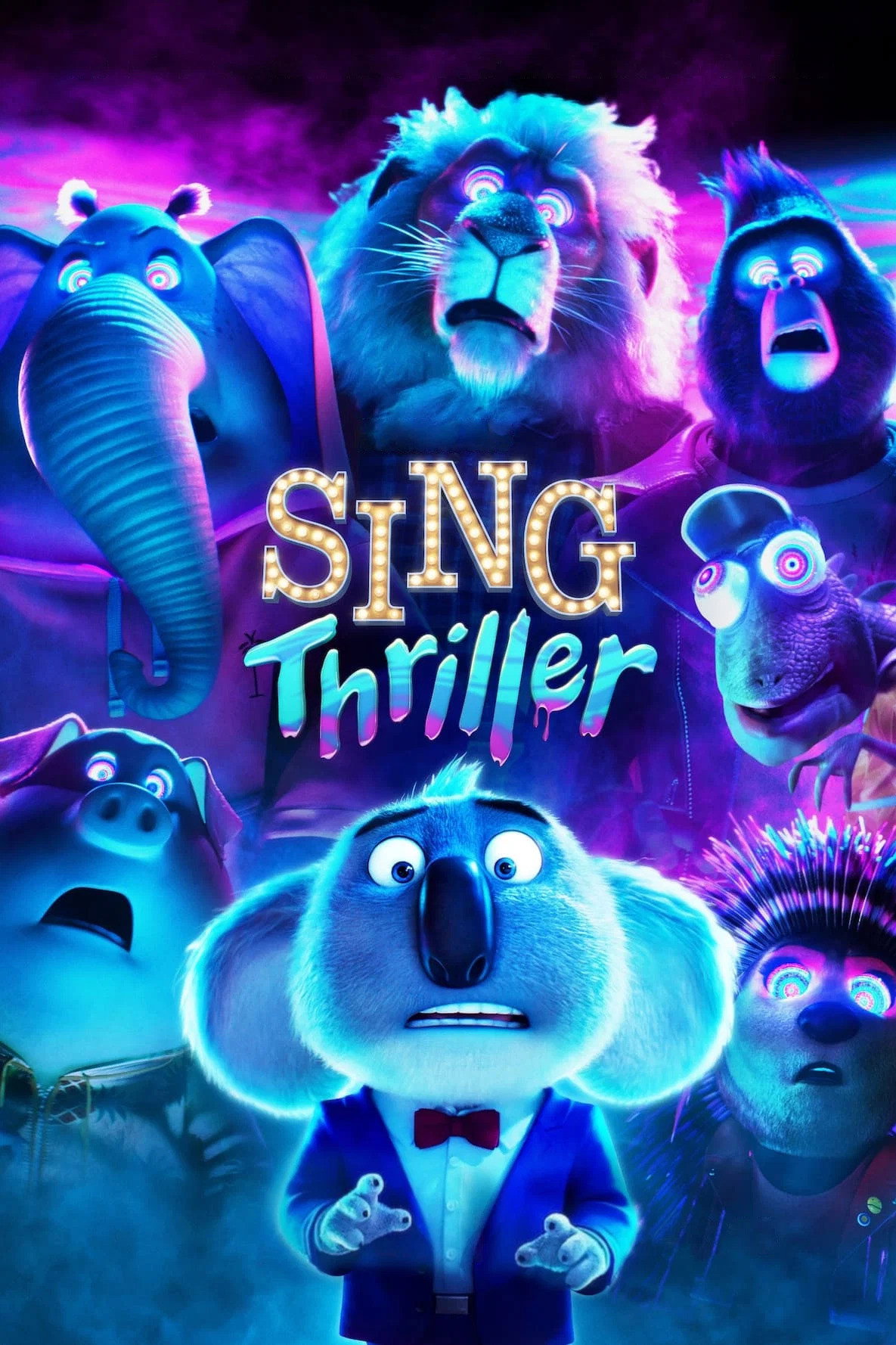
Buster Moon dreams up a star-studded spectacle set to Michael Jackson's "Thriller" in this animated short featuring characters from the hit "Sing" films.
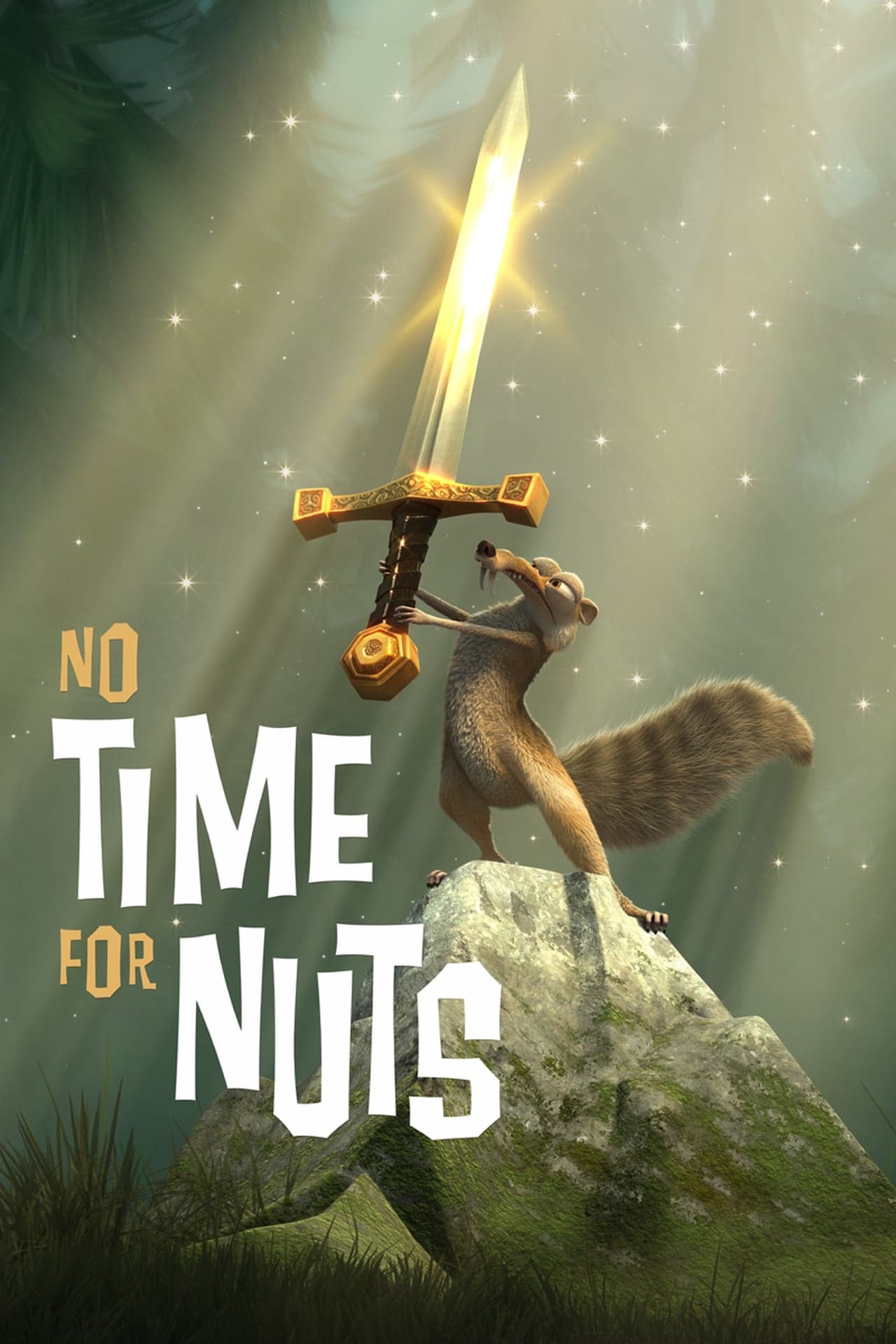
Scrat comes across a time machine and is transported to various times all in pursuit of his beloved acorn.