Today, against a backdrop of sharply increasing demand, growth in the world population and the growing impact of an unsettled climate, water has become one of the most precious natural resources of our planet.
Social & External
The people behind it
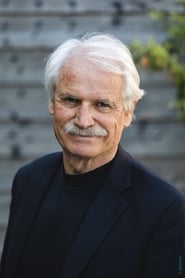
Yann Arthus-Bertrand
Self
Catarina de Albuquerque
Vandana Shiva
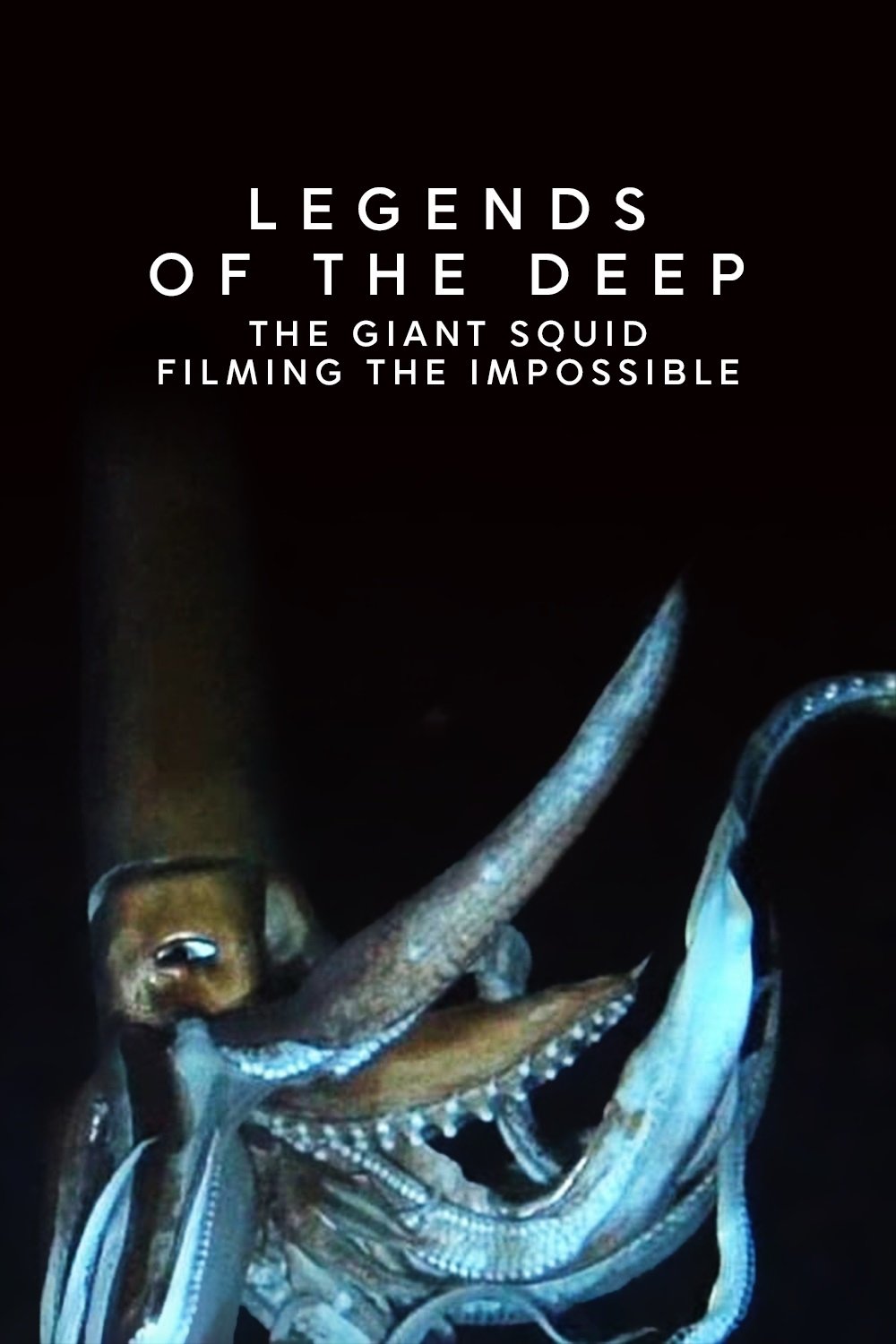
The giant squid is a creature of legend and myth which, even in the 21st century, has never been seen alive. But now, an international team of scientists thinks it has finally found its lair, 1,000 metres down, off the coast of Japan. This is the culmination of decades of research. The team deploys underwater robots and state-of-the-art submersible vessels for a world first - to find and film the impossible.
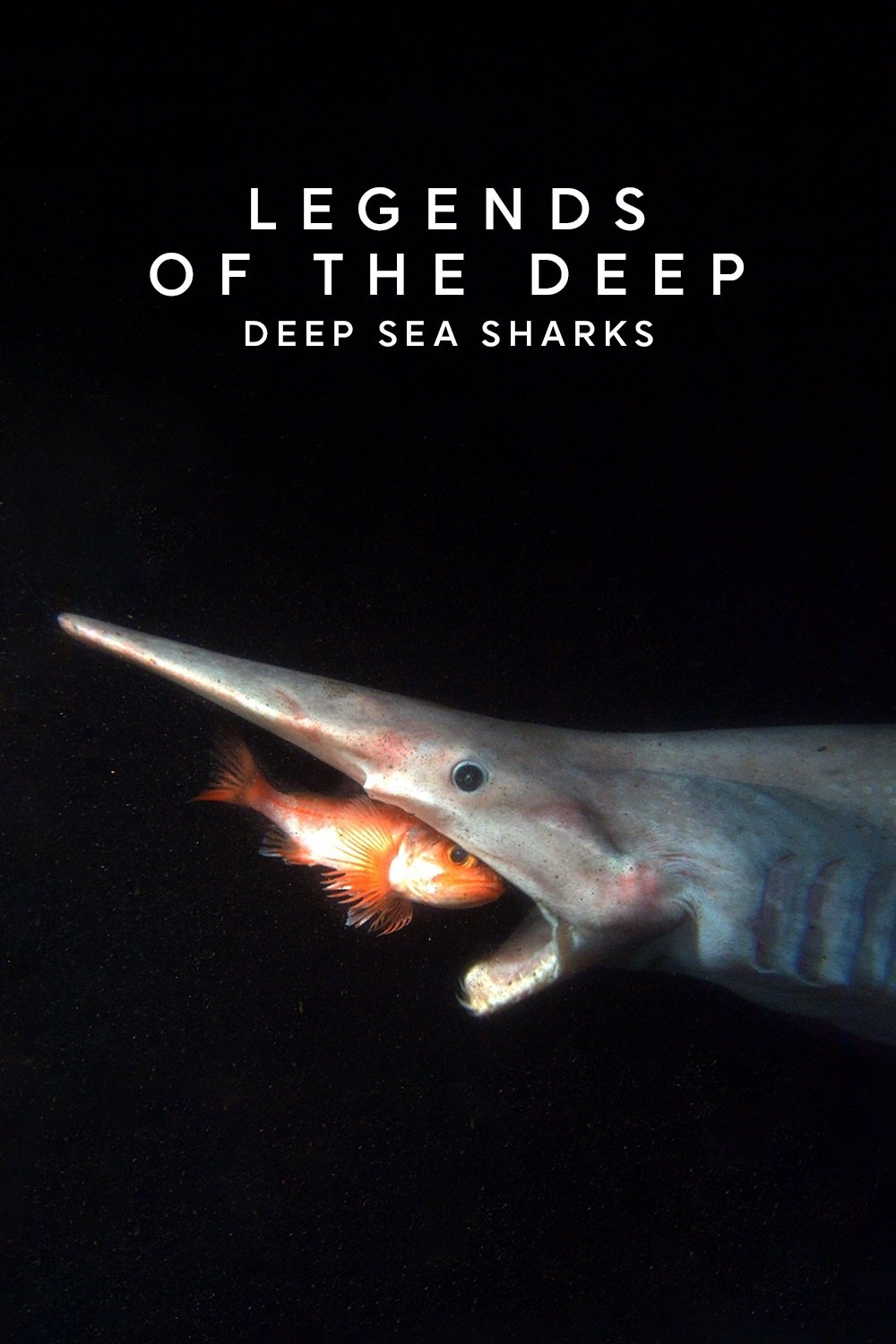
Groundbreaking documentary which follows a Japanese-led team of scientists as they attempt to shed light on the mysterious world of deep sea sharks. Only 50 specimens of the newly discovered 'megamouth' have ever been sighted. Over four years, scientists and film crews voyaged in midget submarines into the depths of Suruga Bay and Sagami Bay to film them. Prehistoric 'living fossil' sharks such as bluntnose sixgill sharks, goblin sharks and frilled sharks also lurk in the depths. As part of the investigation, a sperm whale carcass was placed at the bottom of the sea to attract these sharks, which were then studied and observed from the submersible vessels. Revealing in detail the previously unknown behaviour of deep sea sharks, the film unravels another of the intriguing mysteries of our planet's biodiversity.
The culture of Japan is incredible, from bloom festivals to ultra-modern cities. But there are also more than 130 mammals and 600 bird species dwelling in Japan’s 6852 islands. This island chain is long enough to span climate zones, providing a huge range of habitat.
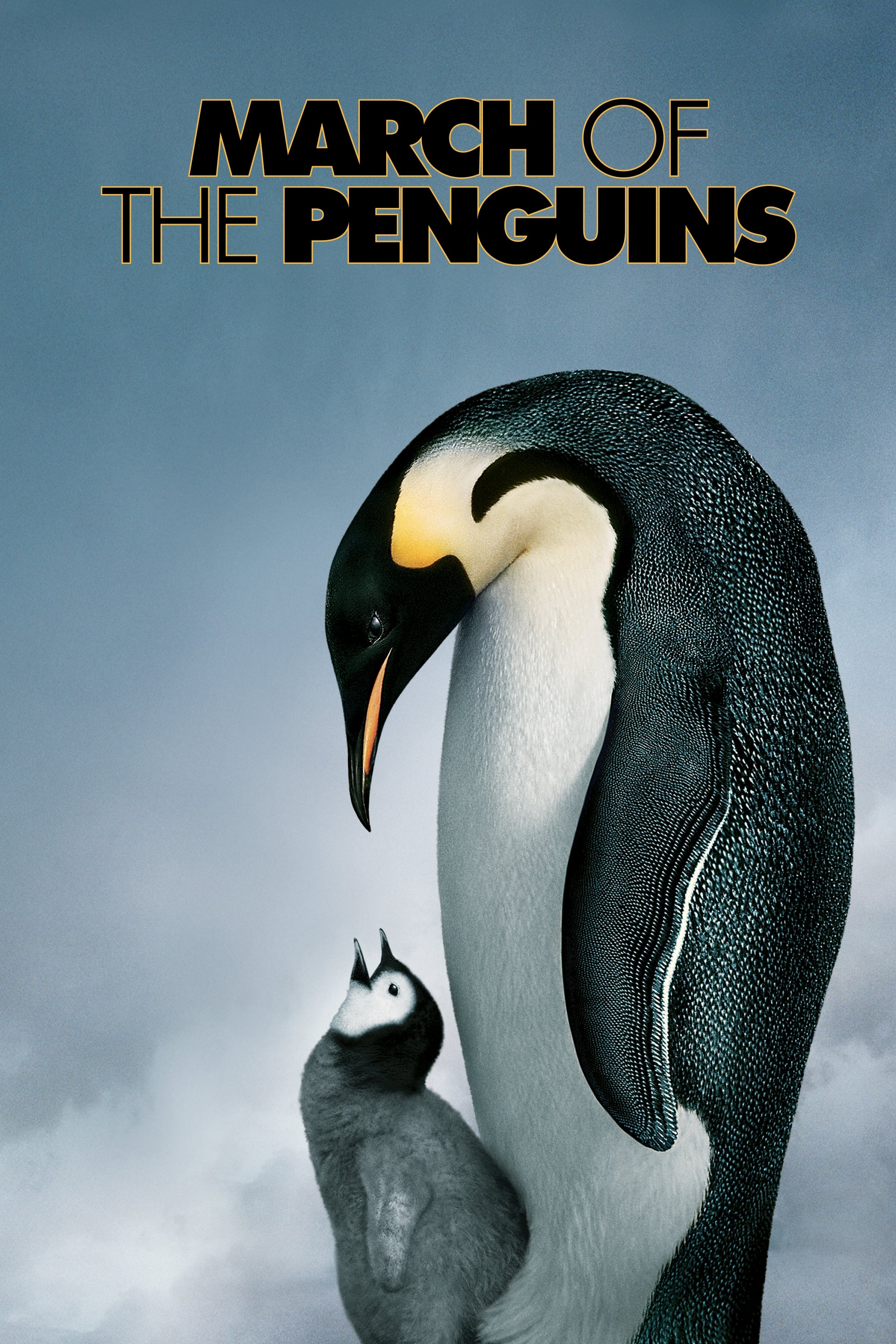
Every year, thousands of Antarctica's emperor penguins make an astonishing journey to breed their young. They walk, marching day and night in single file 70 miles into the darkest, driest and coldest continent on Earth. This amazing, true-life tale is touched with humour and alive with thrills. Breathtaking photography captures the transcendent beauty and staggering drama of devoted parent penguins who, in the fierce polar winter, take turns guarding their egg and trekking to the ocean in search of food. Predators hunt them, storms lash them. But the safety of their adorable chicks makes it all worthwhile. So follow the leader... to adventure!!

In the Caribbean, the Antilles archipelago stretches out in a string of islands blessed with abundant nature. Life has stubbornly taken root here, carried by the winds, washed up on the shore, or deposited by birds. Today, these islands are among the most biodiverse natural areas in the world. This film explores the wild, beautiful, and fragile Caribbean to discover some of the unique and singular animal species that inhabit it.
Take A Spectacular Journey. It Starts Right Here... Arabia: Sand, Sea & Sky Take a stunning tour of Arabia's natural world- a land of vivid contrast and splendor. Your journey begins in the magnificent coral reefs of the Red Sea where barracuda, giant mantra rays, and sharks comb the fertile waters. Then, high in the cliffs of the great mountain barrier, you will be fascinated by the complex social behavior of a troop of baboons. As you descend into the foothills, thousands of migrating birds converge, including the flamboyant Abyssinian Roller which will dazzle you with its brilliant feathers and swooping aerobatic dives. Finally, travel by camel across the immense sculptured desert, as the Bedouins have for more than thirty-five hundred years on an expedition you will never forget in ARABIA: SAND, SEA, & SKY.
Set against the stunning backdrop of northern British Columbia’s wilderness, Wədzįh Nəne’ (Caribou Country) takes viewers on a contemplative journey through a rugged and remote landscape. Along the way, we meet those who live and work on the land – First Nations guardians, government biologists, and guide outfitters – each confronting the stark reality of declining caribou populations. This meditative film explores the profound connection between people and nature, and the enduring impacts of modernity on an ancient species.
Finding their place between the forest and the sea, the Japanese have always felt awe and gratitude toward Nature. Since ancient times, they have negotiated their own unique relationship with their natural surroundings. Acclaimed photographer Masa-aki Miyazawa discovered the essence of that ancient way of living in Ise Jingu, Japan’s holiest Shinto shrine. Inspired by the idea of sending a message to the future in the same way this ancient shrine keeps alive the traditions of the past, Miyazawa used an ultra-high resolution 4K camera to create a breathtaking visual journey linking the Ise forest with other forests throughout Japan.
A documentary on Al Gore's campaign to make the issue of global warming a recognized problem worldwide.
Wolves divide and fascinate us. 150 years after they were driven to extinction in Central Europe, they are returning slowly but inexorably. Are they dangerous to humans? Is it possible to coexist? Using Switzerland as a point of departure, where wolves have returned in the very recent past, this documentary sheds light on the wolf situation in Austria, eastern Germany, Poland, Bulgaria, and even Minnesota, where freely roaming packs of wolves are more common sight.
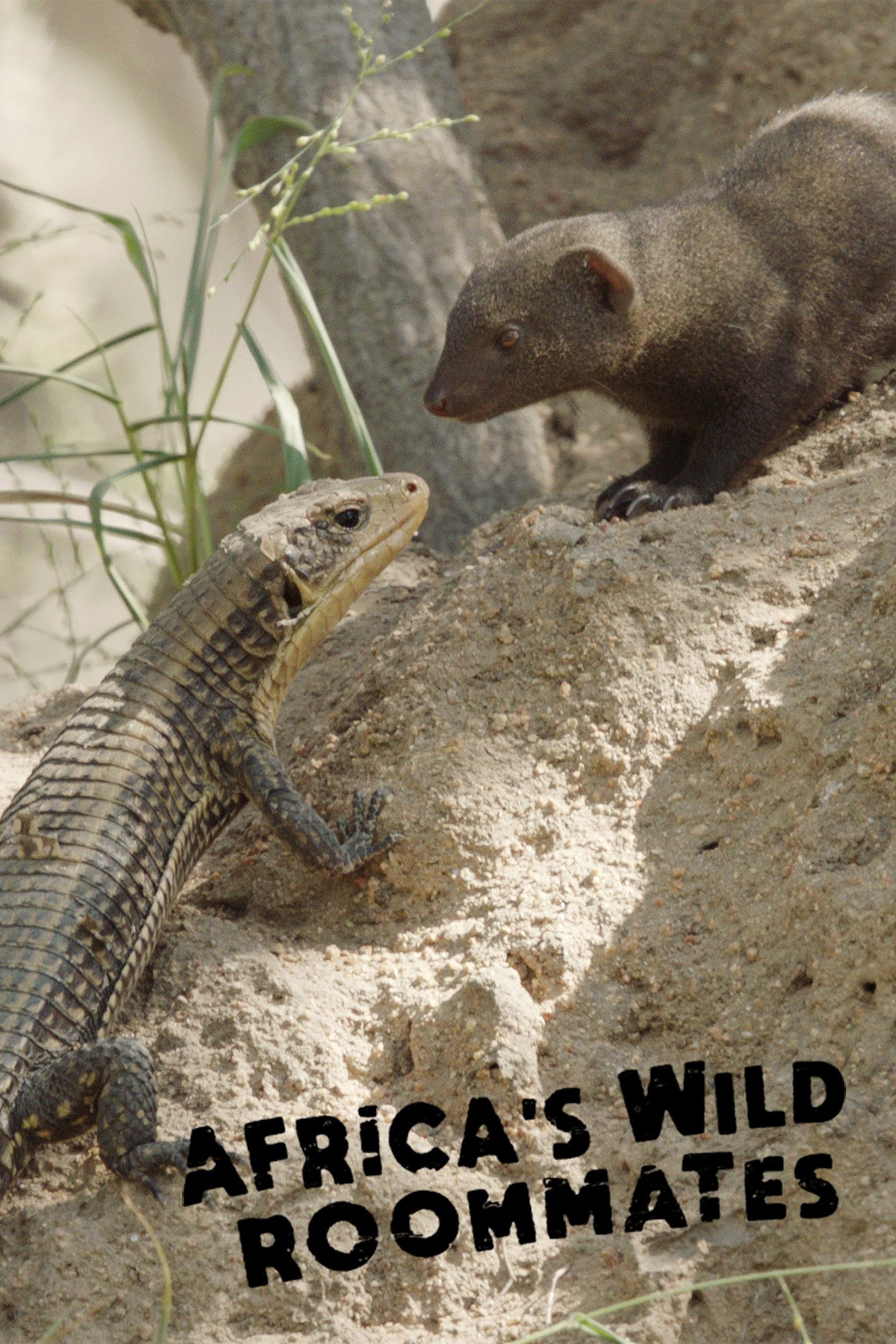
A unique look at three of the greatest builders of the African Savannah: weaver birds, aardvarks and termites. In their spectacular buildings they do not live alone! Many roommates from other species, from small insects, reptiles and birds to large mammals, not only live together — they also benefit from sharing the same roof.
A feature-length documentary about the film Galaxy Quest and its legacy, celebrating its milestone 20th anniversary.
An in-depth profile of the life and career of Willy T. Ribbs - the controversial Black driver who shattered the color barrier of professional auto-racing and became the first Black qualifier in the storied history of the Indy 500.
An epic story of adventure, starring some of the most magnificent and courageous creatures alive, awaits you in EARTH. Disneynature brings you a remarkable story of three animal families on a journey across our planet – polar bears, elephants and humpback whales.
25 years ago, Viagra kickstarted the second sexual revolution and a controversy unlike any drug before it. Following trials in 1992 for a compound believed to alleviate symptoms for angina, Pfizer’s first in-patient trial for the drug, then known as UK92480, begin in Merthyr Tydfil, south Wales. It isn’t long before volunteer patients report having unexpected erections - fast forward ten years and word of the adverse side effect has travelled from Wales to New York resulting in Viagra’s first release in 1998 with orders soon exceeding predictions. What follows is the big story of the little blue pill.
In the middle of the Indian Ocean, more than 1.500 km from the nearest continent, lies an untouched, mysterious archipelago – the Chagos Islands. This group of 60 islands is one of the last pristine wildernesses on Earth. The Chagos Archipelago is one of the world’s largest marine national parks, and is strictly protected. A scientific expedition has been granted access to this politically disputed territory for the first time. In times of climate change, as global reef communities face a growing crisis, the researchers seek to show how coral reefs fare in places with minimal human interference. During a journey into the unknown, we follow in the footsteps of internationally renowned scientists, who aim to unlock the secrets of a lost world and gain astonishing insights into one of the last true wildernesses on Earth.
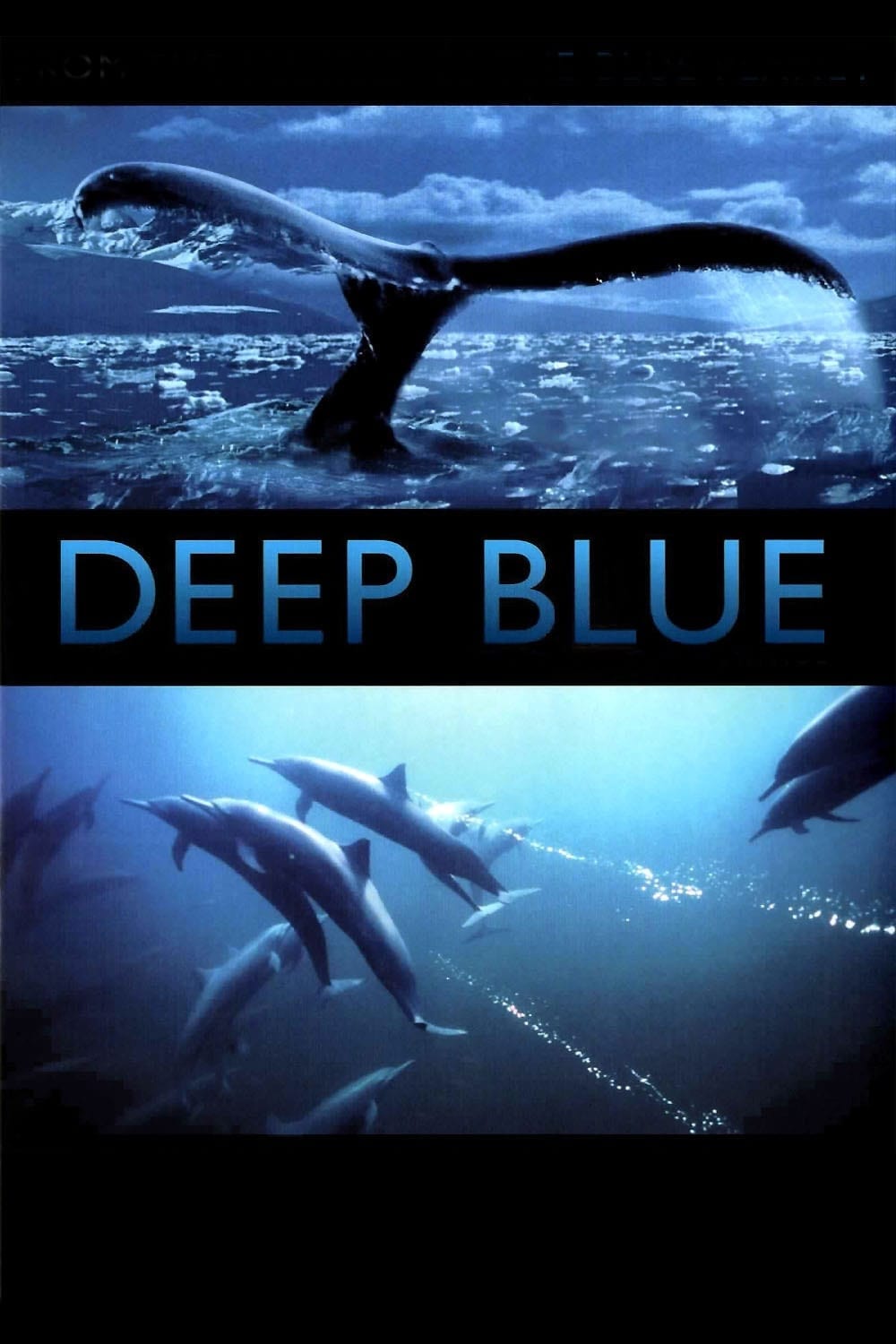
Deep Blue is a major documentary feature film shot by the BBC Natural History Unit. An epic cinematic rollercoaster ride for all ages, Deep Blue uses amazing footage to tell us the story of our oceans and the life they support.
A journey through the night that Princess Diana died and the four independent investigations in two separate countries that followed. Included: a look at Princess Diana's life through her sons.
Tardigrades, also known as water bears, are microscopic animals famous for their incredible ability to survive extreme conditions. Despite their funny appearance and slow, bear-like movements, they are among the most resilient creatures on Earth. They can withstand extremely high and low temperatures, enormous pressure, toxic substances, and even high levels of radiation. This documentary explores the secrets behind their remarkable survival abilities and explains how these tiny creatures have developed such extraordinary “superpowers.” Combining scientific information with humor, the documentary also looks at what we might learn from tardigrades and how their unique abilities could have potential applications in the future.
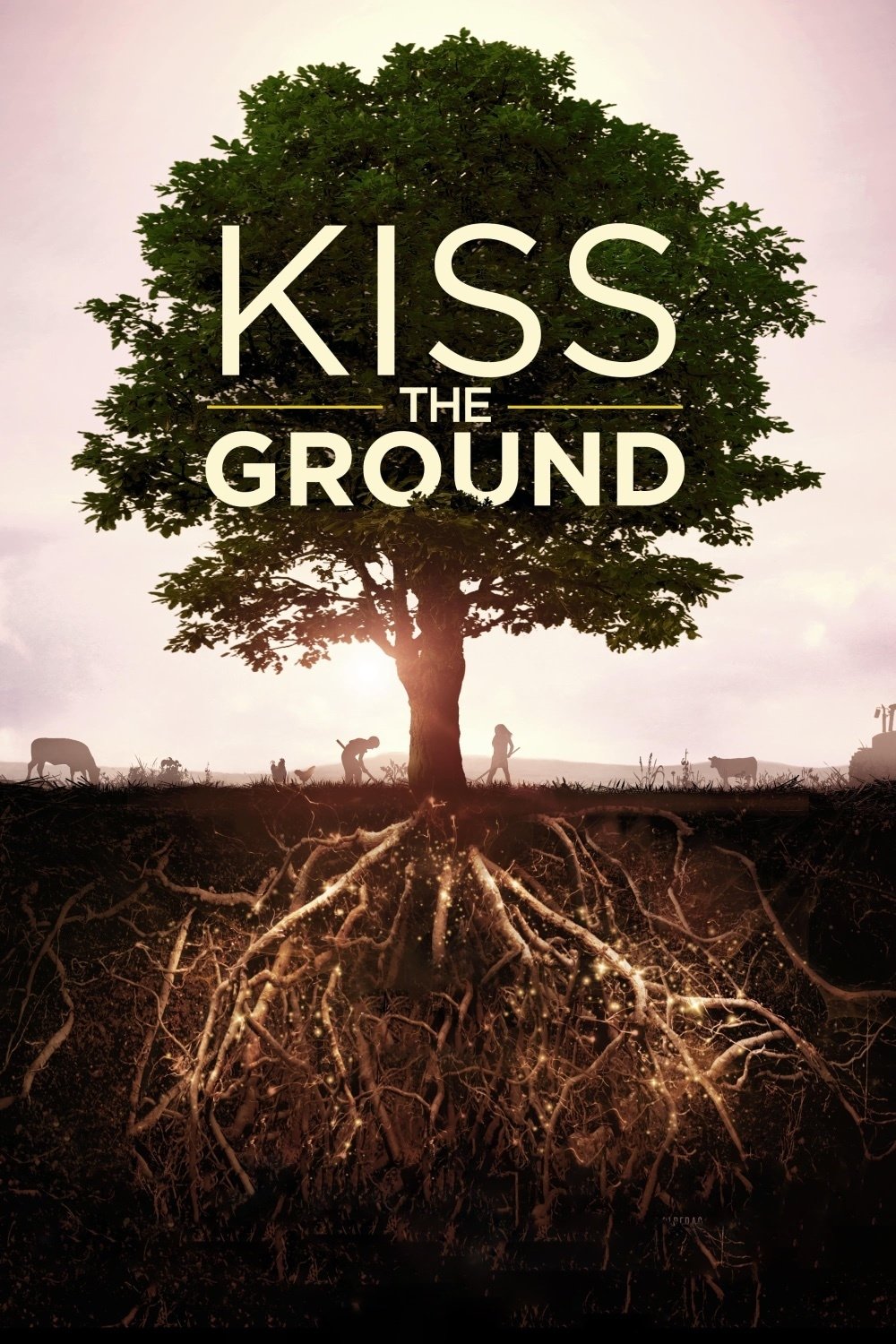
Sheds light on an alternative approach to farming called “regenerative agriculture” that could balance our climate, replenish our vast water supplies, and feed the world.
Climate is changing. Instead of showing all the worst that can happen, this documentary focuses on the people suggesting solutions and their actions.
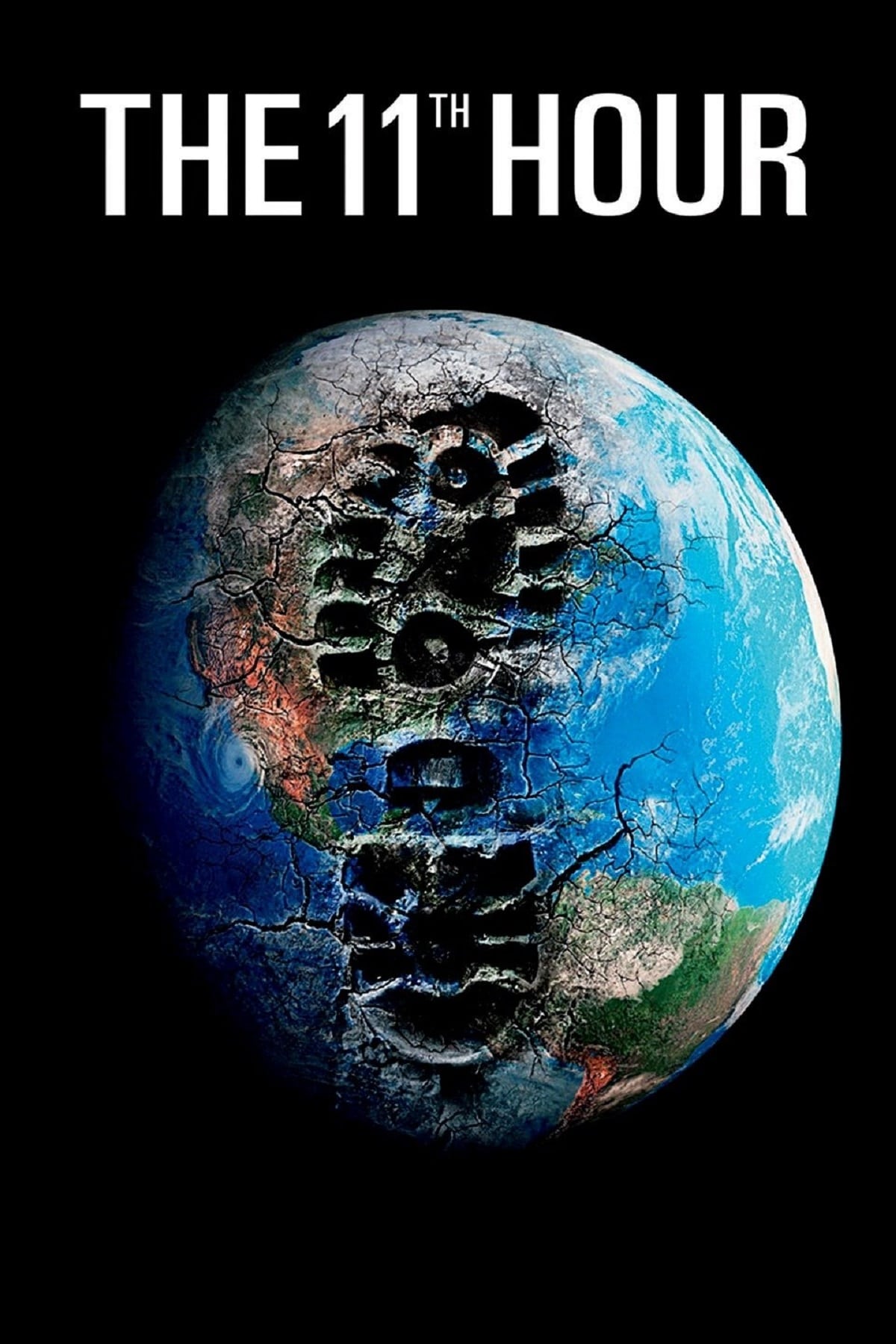
A look at the state of the global environment including visionary and practical solutions for restoring the planet's ecosystems. Featuring ongoing dialogues of experts from all over the world, including former Soviet Prime Minister Mikhail Gorbachev, renowned scientist Stephen Hawking, former head of the CIA R. James Woolse
The story of life on our planet by the man who has seen more of the natural world than any other. In more than 90 years, Attenborough has visited every continent on the globe, exploring the wild places of our planet and documenting the living world in all its variety and wonder. Addressing the biggest challenges facing life on our planet, the film offers a powerful message of hope for future generations.
A visual montage portrait of our contemporary world dominated by globalized technology and violence.
Passionate about ocean life, a filmmaker sets out to document the harm that humans do to marine species — and uncovers an alarming global conspiracy.
A documentary shot by filmmakers all over the world that serves as a time capsule to show future generations what it was like to be alive on the 24th of July, 2010.
In 200,000 years of existence, man has upset the balance on which the Earth had lived for 4 billion years. Global warming, resource depletion, species extinction: man has endangered his own home. But it is too late to be pessimistic: humanity has barely ten years left to reverse the trend, become aware of its excessive exploitation of the Earth's riches, and change its consumption pattern.
A documentary on the expletive's origin, why it offends some people so deeply, and what can be gained from its use.
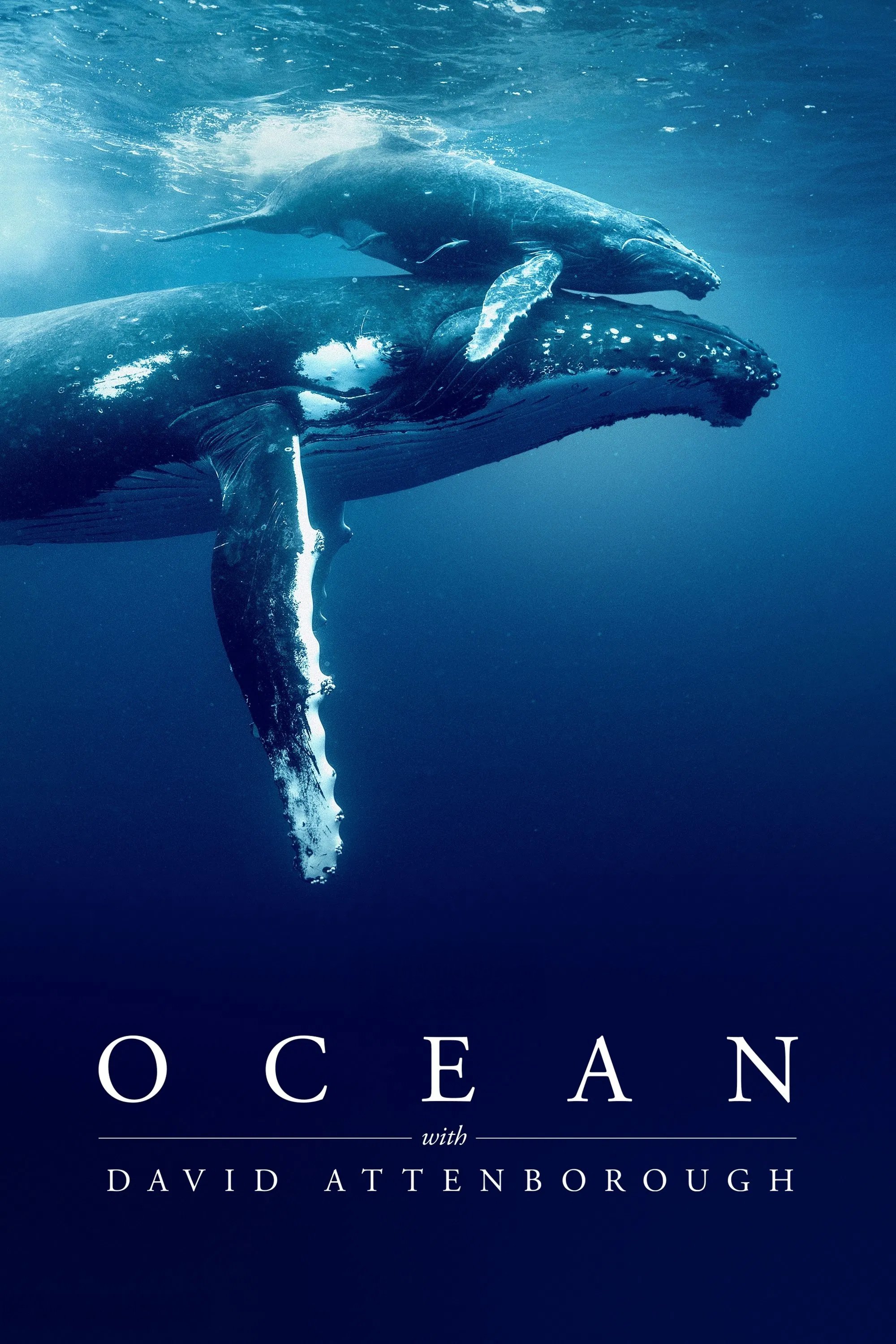
David Attenborough takes viewers on a breathtaking journey showing there is nowhere more vital for our survival, more full of life, wonder, or surprise, than the ocean. Through spectacular sequences featuring coral reefs, kelp forests and the open ocean, Attenborough shares why a healthy ocean keeps the entire planet stable and flourishing.
The film is based on interviews with 2,000 women from 50 countries, and covers the status of women all over the world. The topics covered include forced marriages, sexual assault, female genital mutilation, acid attacks, motherhood, sexuality, menstruation, education and the professional success of women.
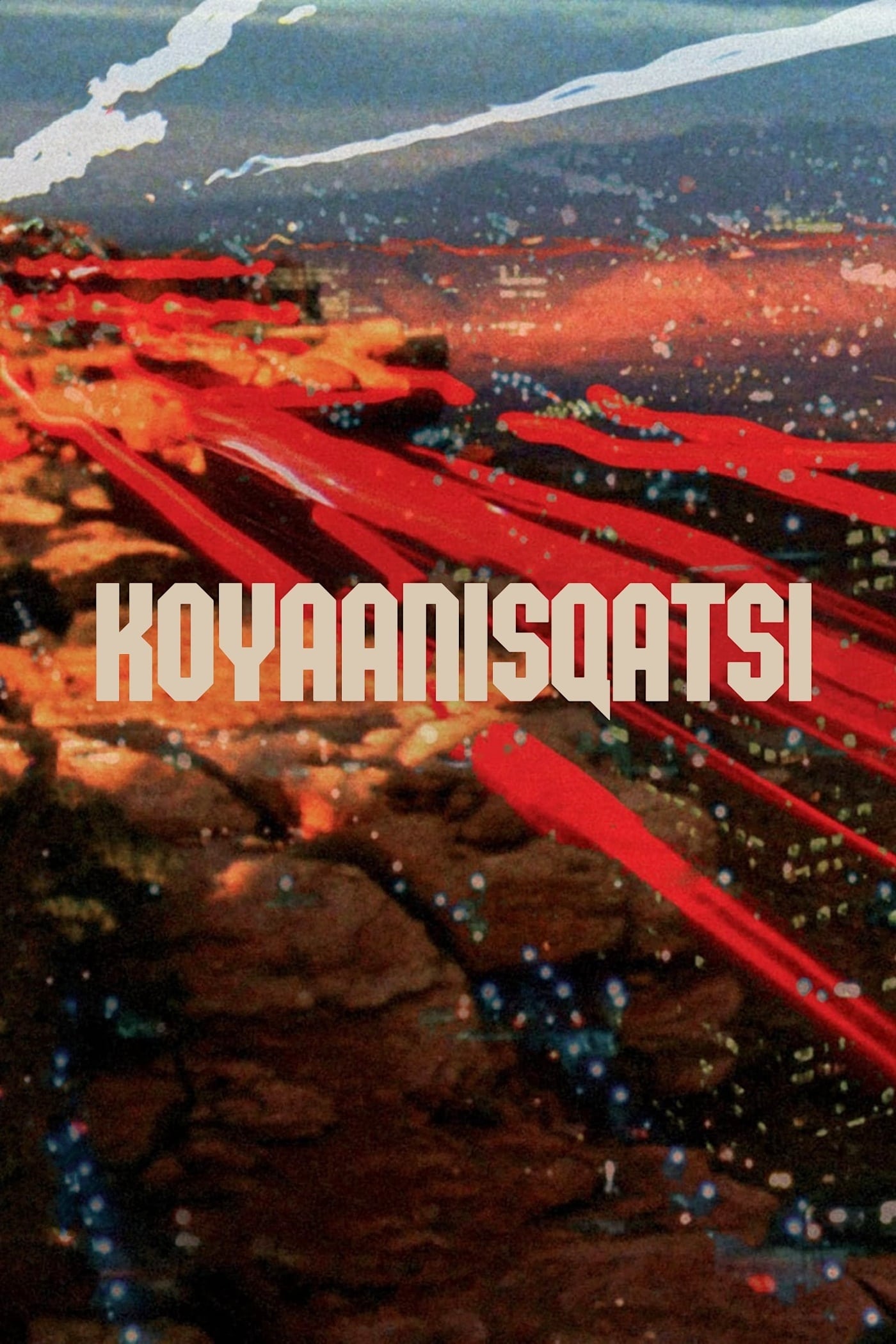
Takes us to locations all around the US and shows us the heavy toll that modern technology is having on humans and the earth. The visual tone poem contains neither dialogue nor a vocalized narration: its tone is set by the juxtaposition of images and the exceptional music by Philip Glass.
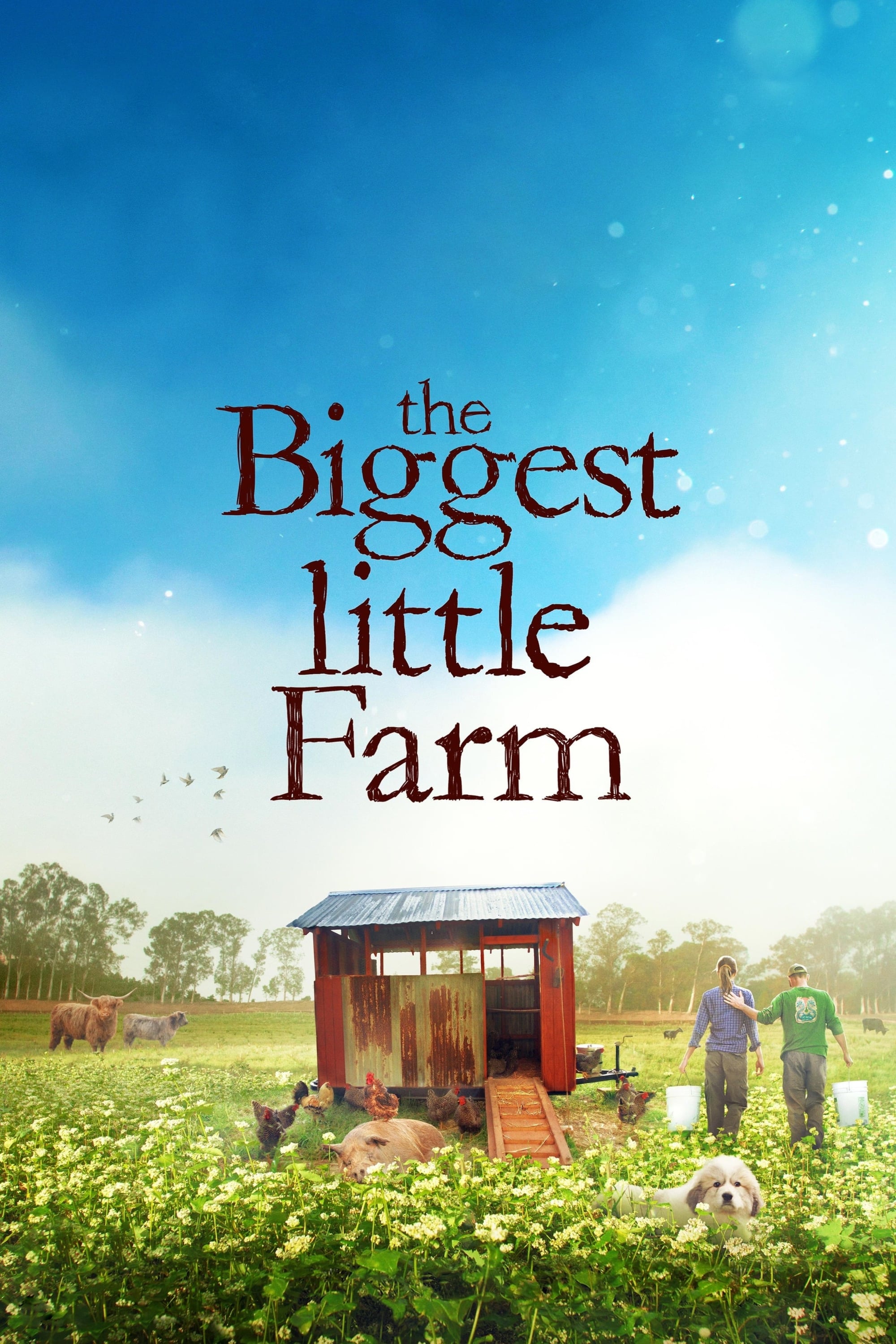
The successes and failures of a couple determined to live in harmony with nature on a farm outside of Los Angeles are lovingly chronicled by filmmaking farmer John Chester, in this inspiring documentary.
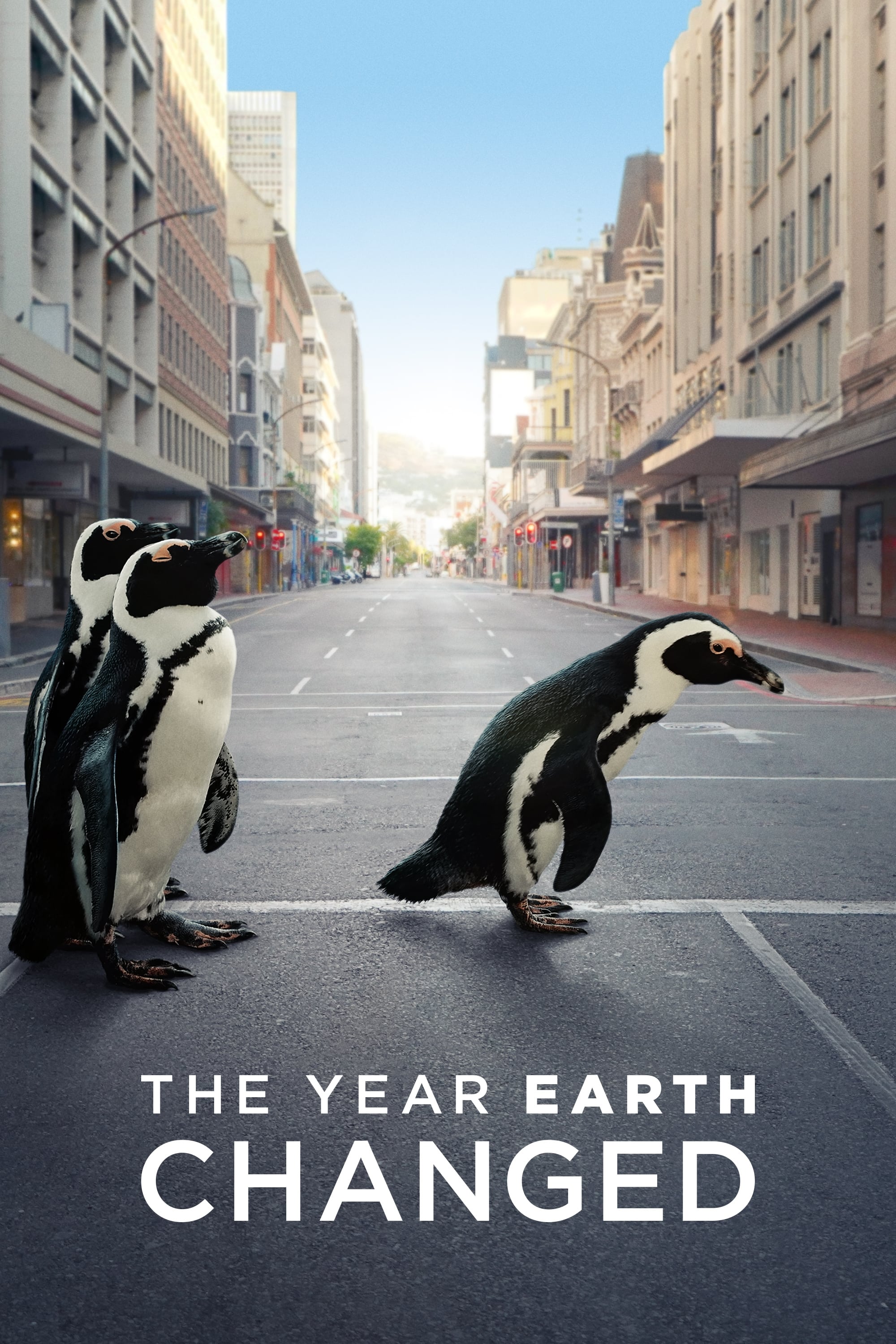
Never-before-seen footage shows how our living in lockdown opened the door for nature to bounce back and thrive. Across the seas, skies, and lands, Earth found its rhythm when we came to a stop.
A visually stunning documentary that reflects human's relationship to other species on Earth as humanity becomes more and more isolated from Nature.
A paralysingly beautiful documentary with a global vision—an odyssey through landscape and time—that attempts to capture the essence of life.
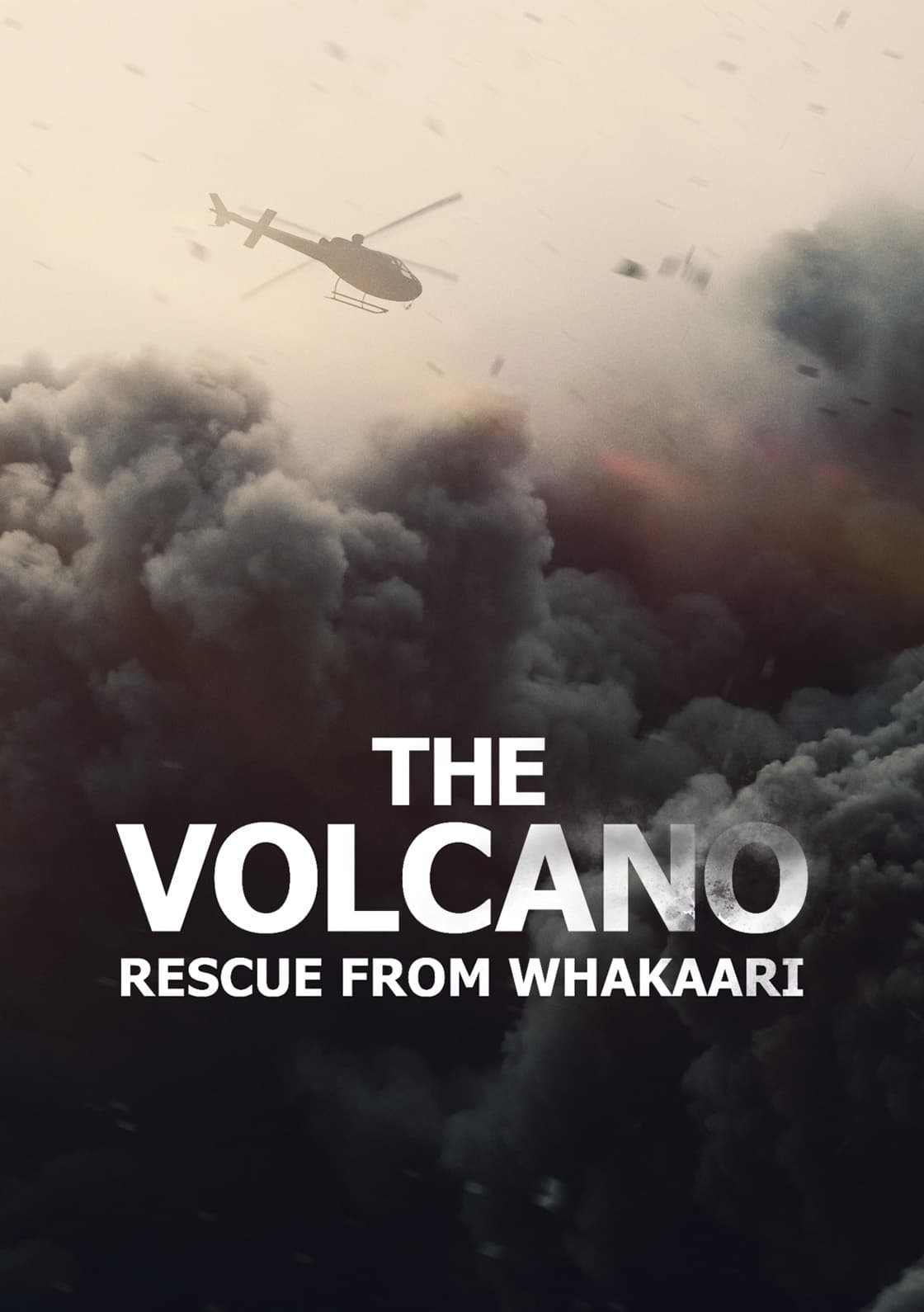
A close examination of the Whakaari / White Island volcanic eruption of 2019 in which 22 lives were lost, the film viscerally recounts a day when ordinary people were called upon to do extraordinary things, placing this tragic event within the larger context of nature, resilience, and the power of our shared humanity.
In 1977, a book of photographs captured an awakening - women shedding the cultural restrictions of their childhoods and embracing their full humanity. This documentary revisits those photos, those women and those times and takes aim at our culture today that alarmingly shows the need for continued change.
A documentary focused on plastic pollution in the world's oceans.