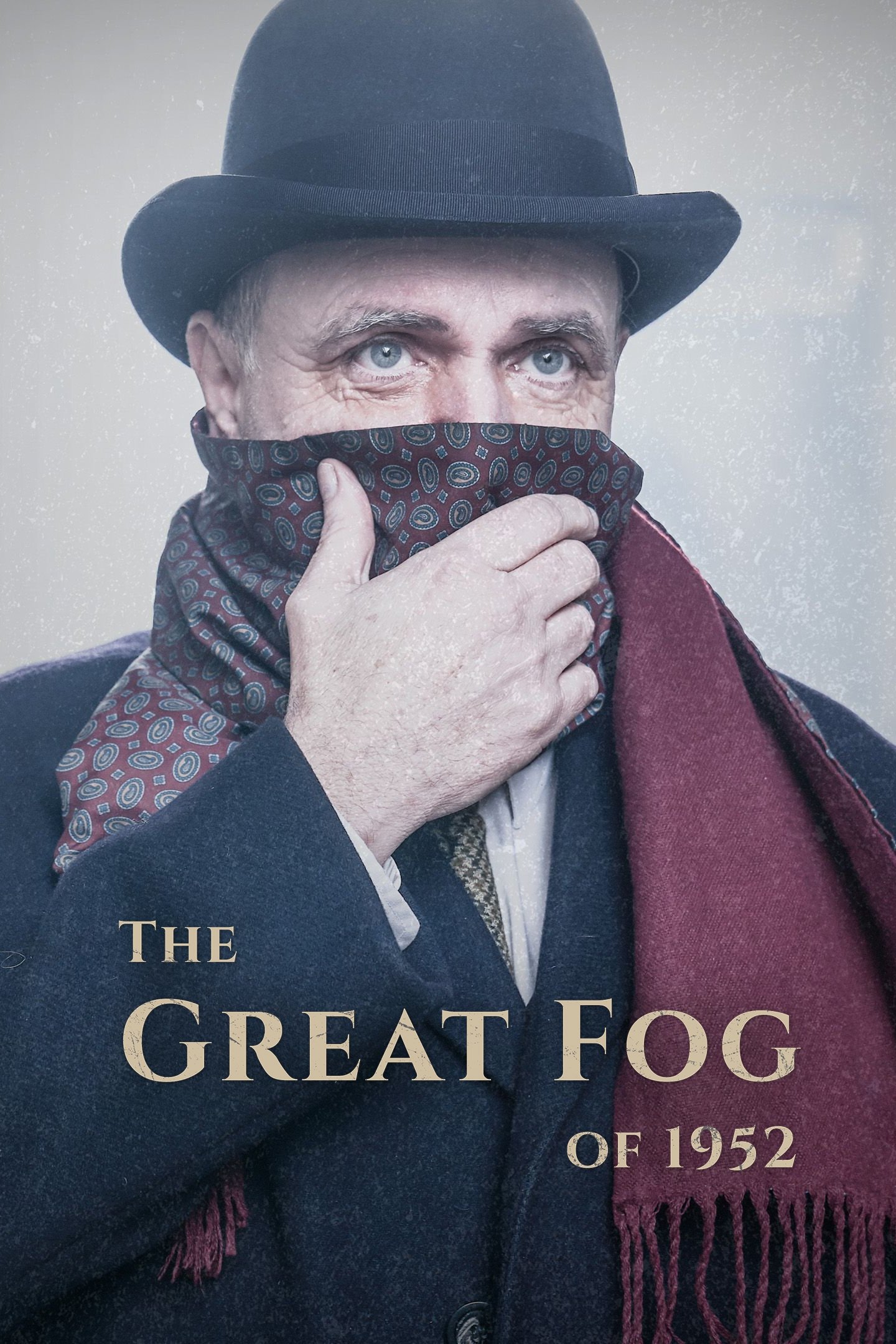

In the 1950s, a devastating fog descended on London and enveloped the capital for several days, leaving Londoners lost in their own streets in one of the UK's biggest peacetime catastrophes.
Social & External
The people behind it
Xand van Tulleken
Self - Presenter
Raksha Dave
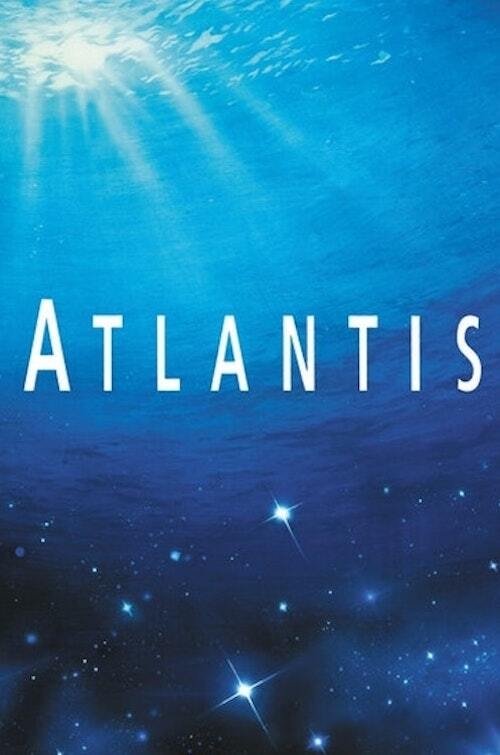
Atlantis is filmmaker Luc Besson's celebration of the beauty and wonder of the world beneath the sea, expanding upon themes touched on in his film The Big Blue. Combining stunning underwater cinematography and a hypnotic score by Eric Serra, Besson's singular vision defies dialogue or narrative structure to explore ocean life as you've never seen it before. Following the colossal success of The Big Blue, Luc Besson crisscrossed the world's seas and oceans to film the beauty and diversity of marine life: from the giant octopuses of Vancouver to the manta rays of the Pacific (New Caledonia), and the grey sharks of Tahiti. A film with no actors or sets other than the underwater world. A breathtaking view of marine species: sharks, dolphins, manatees, octopuses. An exploration of the seabed in the Bahamas, the Galapagos, Vancouver, and Tahiti.
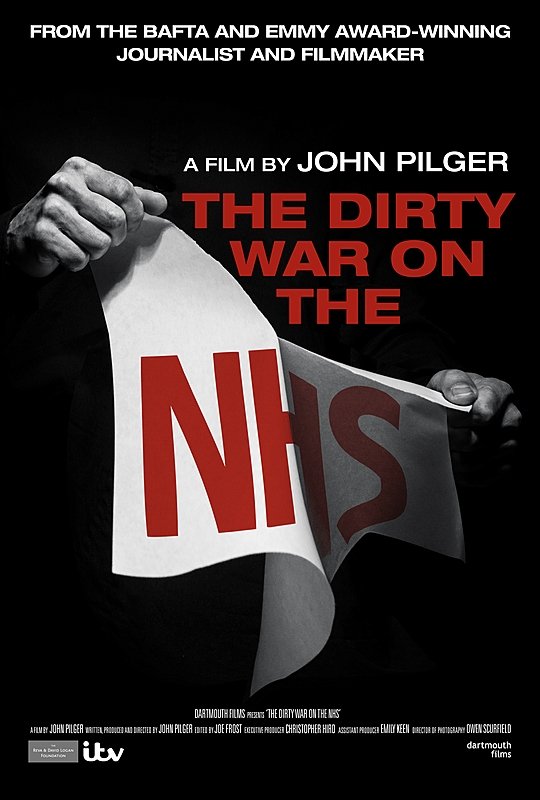
John Pilger unearths the hidden agenda behind the NHS crisis.
“Food Relovution: What We Eat Can Make A Difference” is an eye-opening and compelling feature documentary that examines the consequences of the meat culture as concerns grow about health, world hunger, animal welfare and the environmental cost of livestock production. It aims to show how these global issues affect everyone and are interrelated, and how making our food choices with a sense of awareness, knowing what we are buying and what we are eating is the first fundamental step towards a better world.
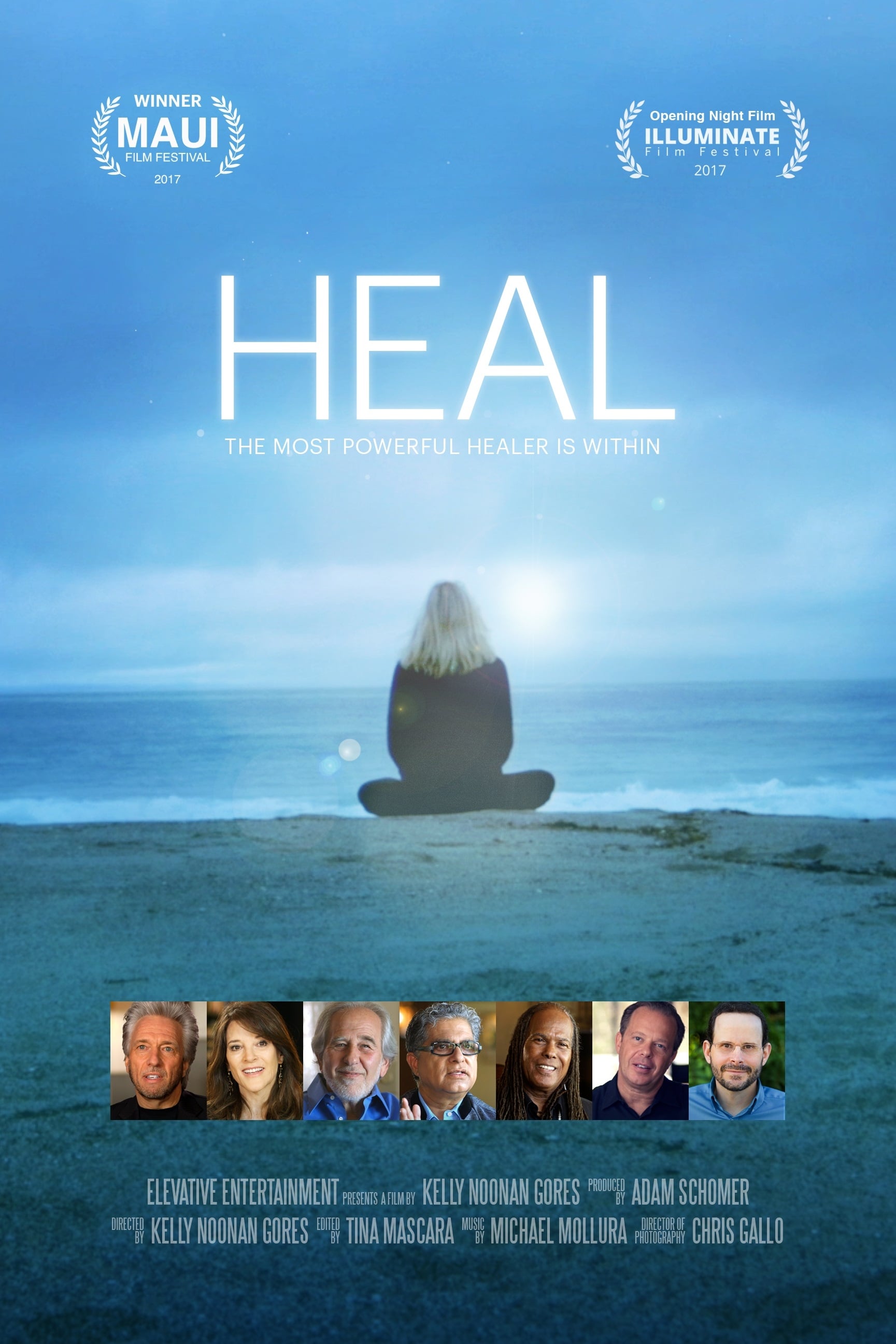
A documentary film that takes us on a scientific and spiritual journey where we discover that by changing one's perceptions, the human body can heal itself from any disease.
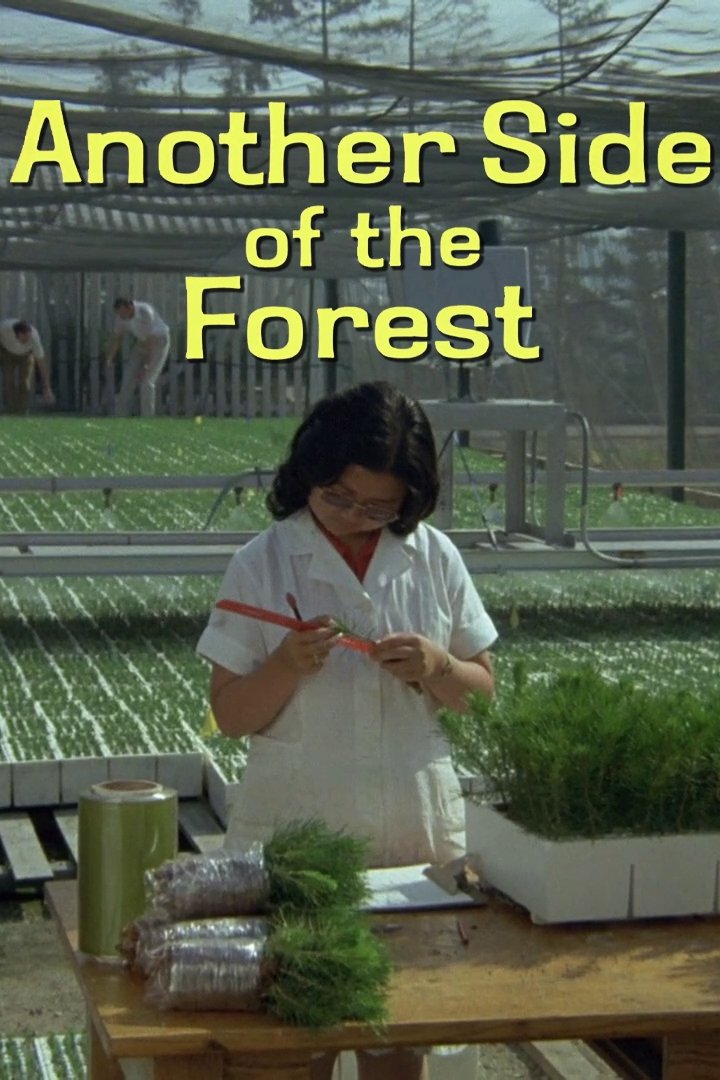
Developments in the Canadian forestry industry during the 1970s are shown being carried out both as lab experiments and in the field to protect and conserve the country's vast forests. These include turning a Newfoundland bog into woodland, fostering British Columbia seedlings that withstand mechanical planting, inoculating Ontario elms against the bark beetle, devising ways of controlling fire, and more.
The environmental problems caused by fracking in America have been well publicized but what's less known are the gas industry's plans for expansion in other countries. This investigation, filmed in Botswana, South Africa and North America, reveals how gas companies are quietly invading some of the most protected places on the planet.
“Let nature be nature” is the philosophy of the Bavarian Forest National Park. Despite massive resistance, this vision has become a groundbreaking showcase project. Because humans do not interfere with nature, the former commercial forests grow into a primeval forest, a unique ecosystem and a refuge for biodiversity. People from all over the world come here. They are looking for answers to the question of why we need more wild nature and what we can learn from it to preserve forests for future generations in times of climate change.
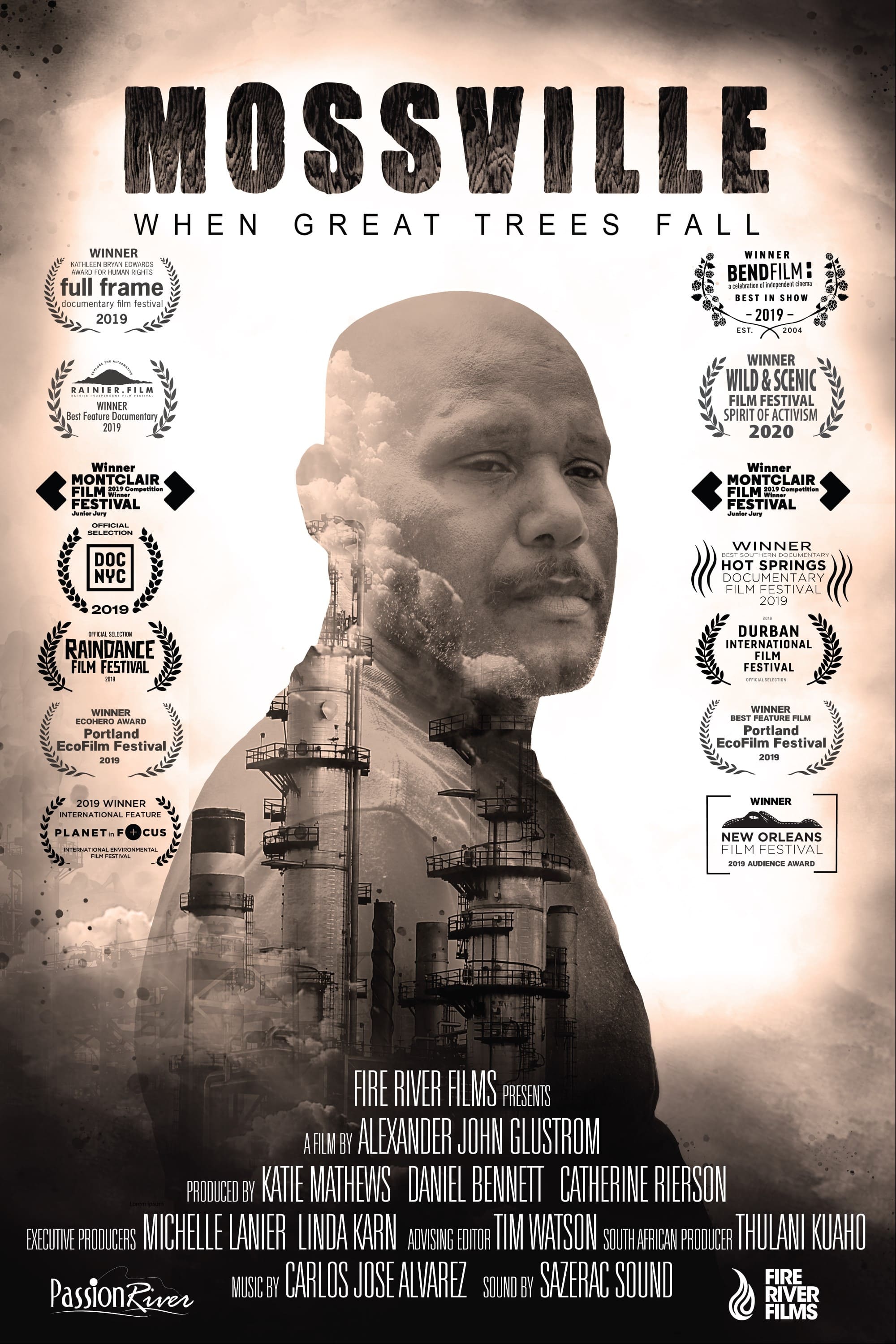
As a centuries-old black community, contaminated and uprooted by petrochemical plants, comes to terms with the loss of its ancestral home, one man standing in the way of a plant's expansion refuses to give up.
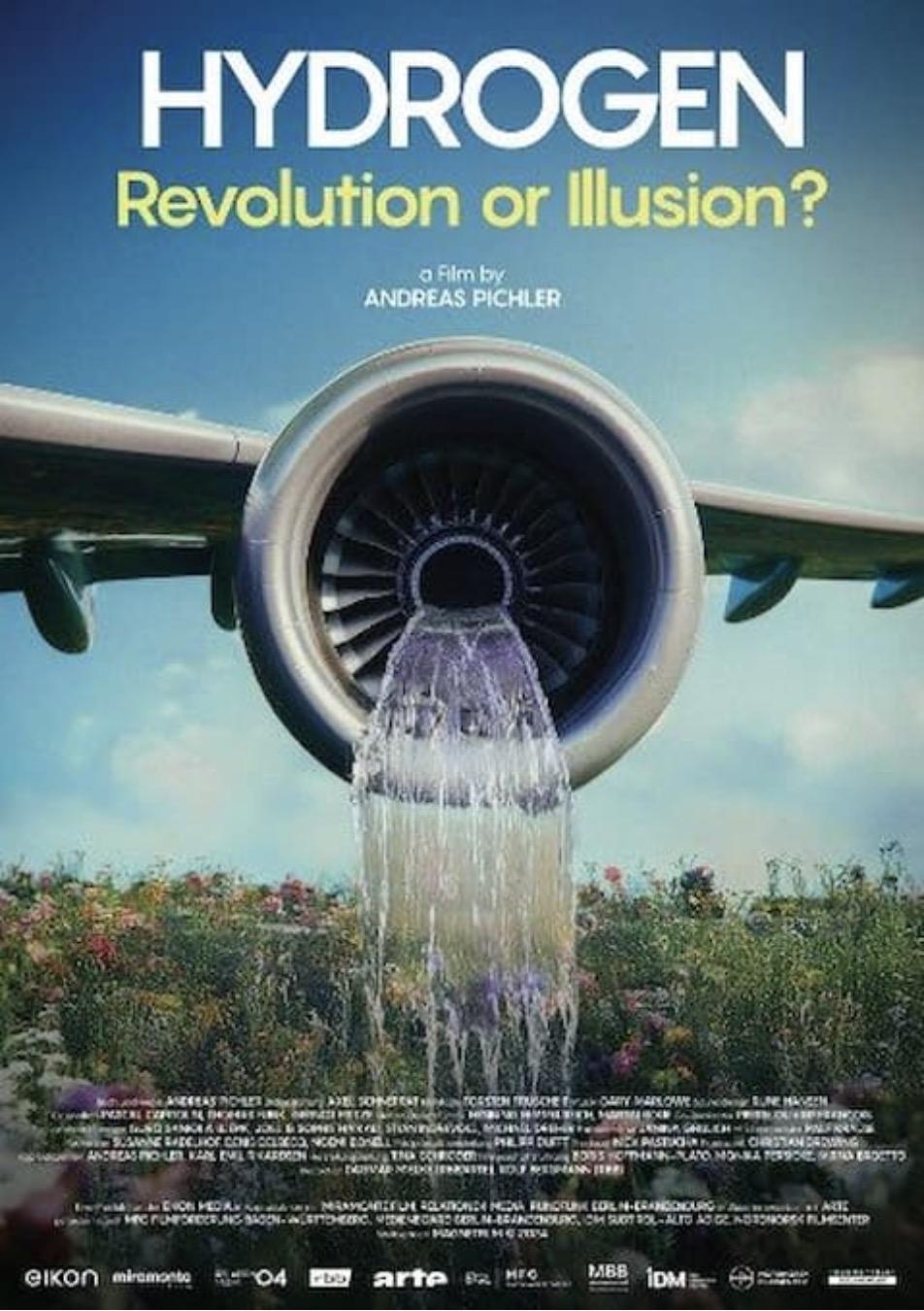
Steel giant Thyssen Krupp in Germany and cargo ship operator Maersk in Denmark are investing huge sums of money with public support to convert their huge and dirty energy consumption to ‘green’. Hydrogen plays a central role in this. At the same time, countries in Africa such as Morocco and Namibia are gearing up to become giga-suppliers of the new energy source. But does it all make sense? Why not just produce green steel in Africa? And what's the story behind the blue hydrogen that is supposed to come from Norway via pipeline? The film follows pioneers on breathtaking projects and shows that the energy transition is more complicated than expected and holds many surprises in store.


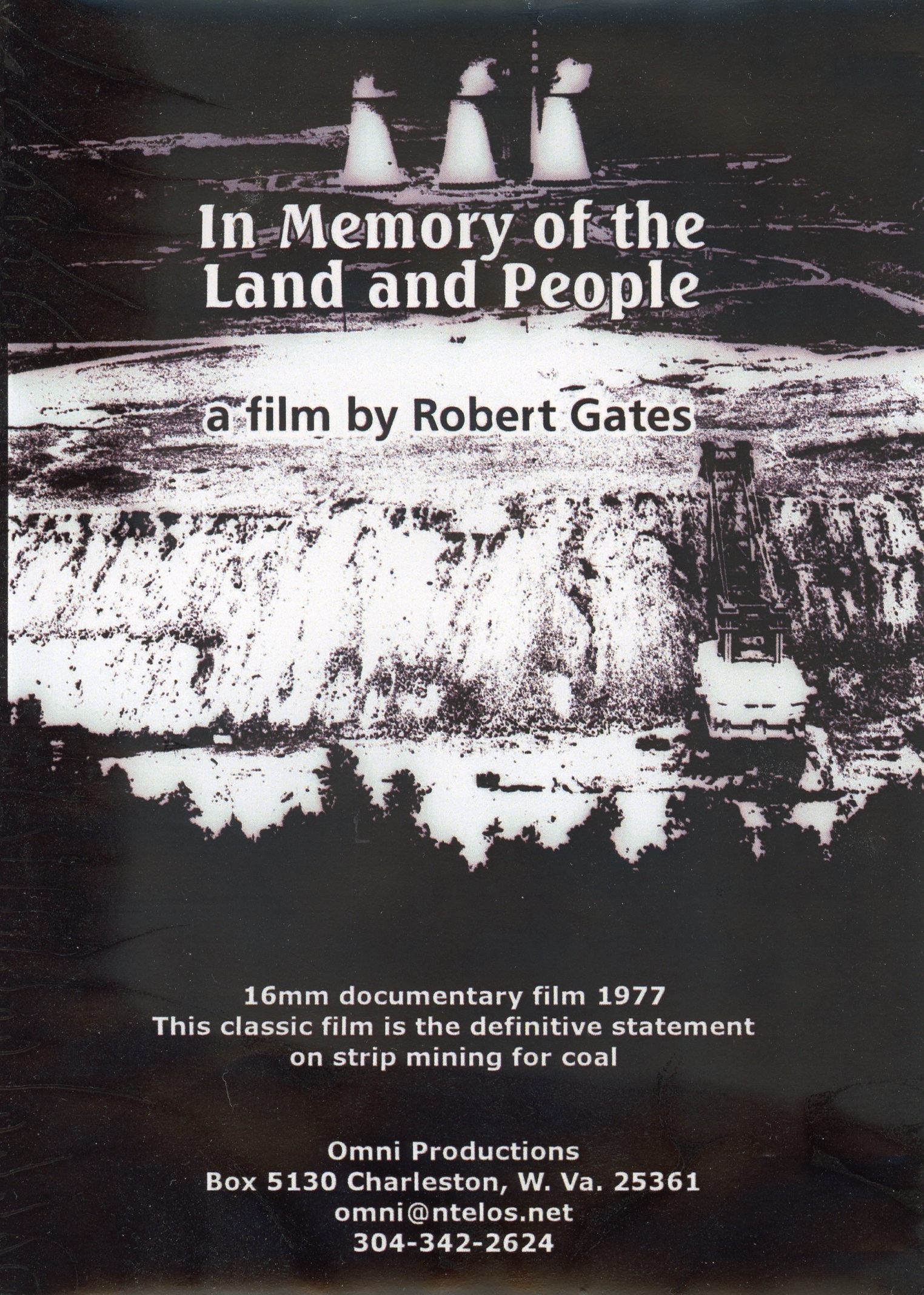
“…It is a film that tells in hurried film sequences and a resonant musical score juxtaposing the sublime, funereal despair of Bartok agains tthe gut-bare tones of folk music. Gates has through his filming technique and meticulously selected mining sites, captured all the outrage and sorrow and indignity to the land and its people that strip mining represents. The film is one that all Americans should see, for it shows extremely well the price we have to pay for strip mined coal.” - Dale A. Burk, The Montana “Missoulian”
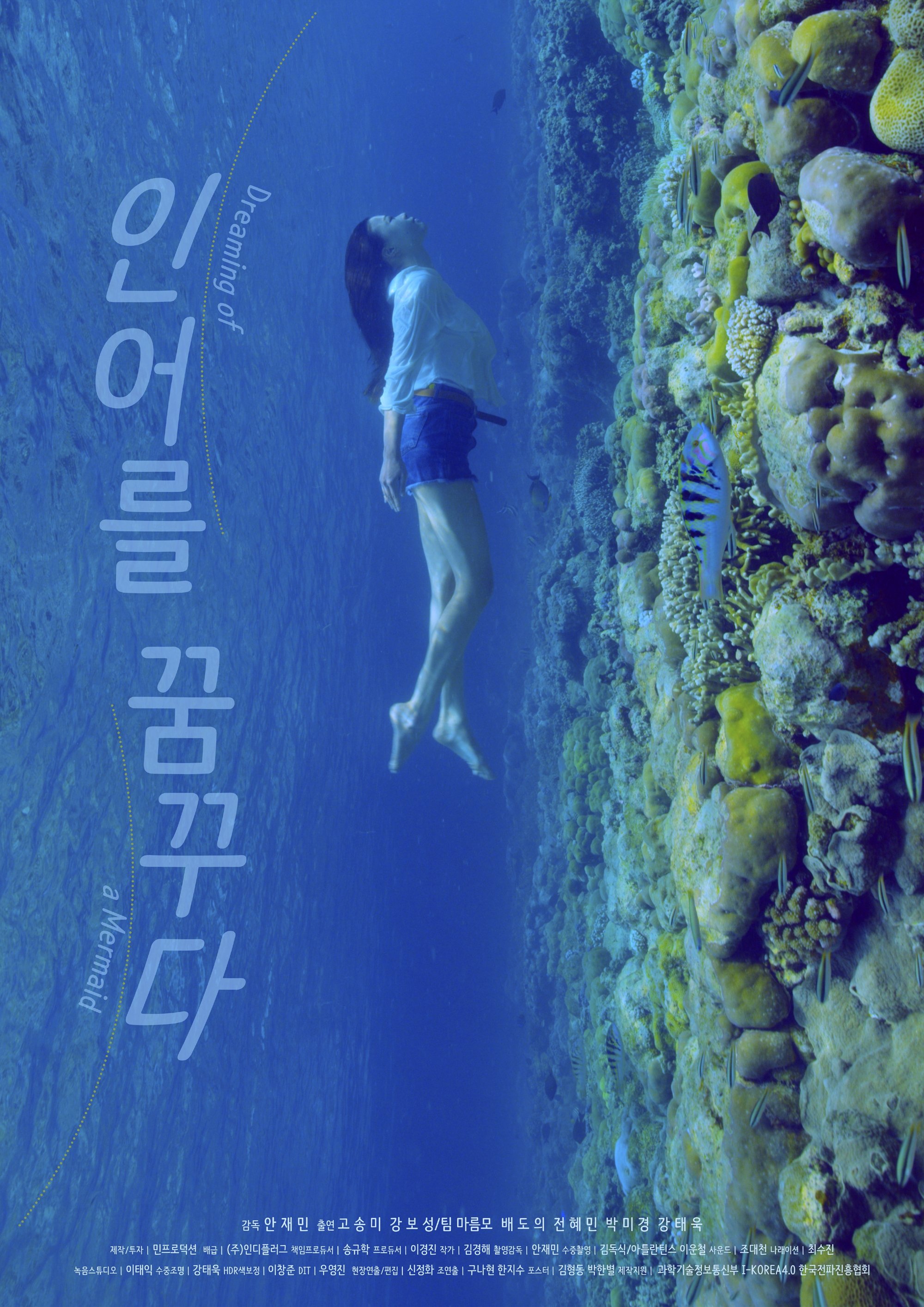
Working as a designer for a clothing company, Song-mi, feeling skeptical about her heavy workload and repetitive daily life, decides to quit her job and become a freediving underwater performer. As she went deeper into her sea, Songmi felt that her body and mind, which had been weary of her, were healed. In order to return this 'gift of healing' she received from her sea, she challenges a special underwater performance with installation artist Boseong and aqua aerobics instructor Doui. Youth campaigns in Jeju, Palau and Cebu. The silent cry of a mermaid trapped in a plastic forest in the middle of the Pacific Ocean now throws a strong warning to our oceans.
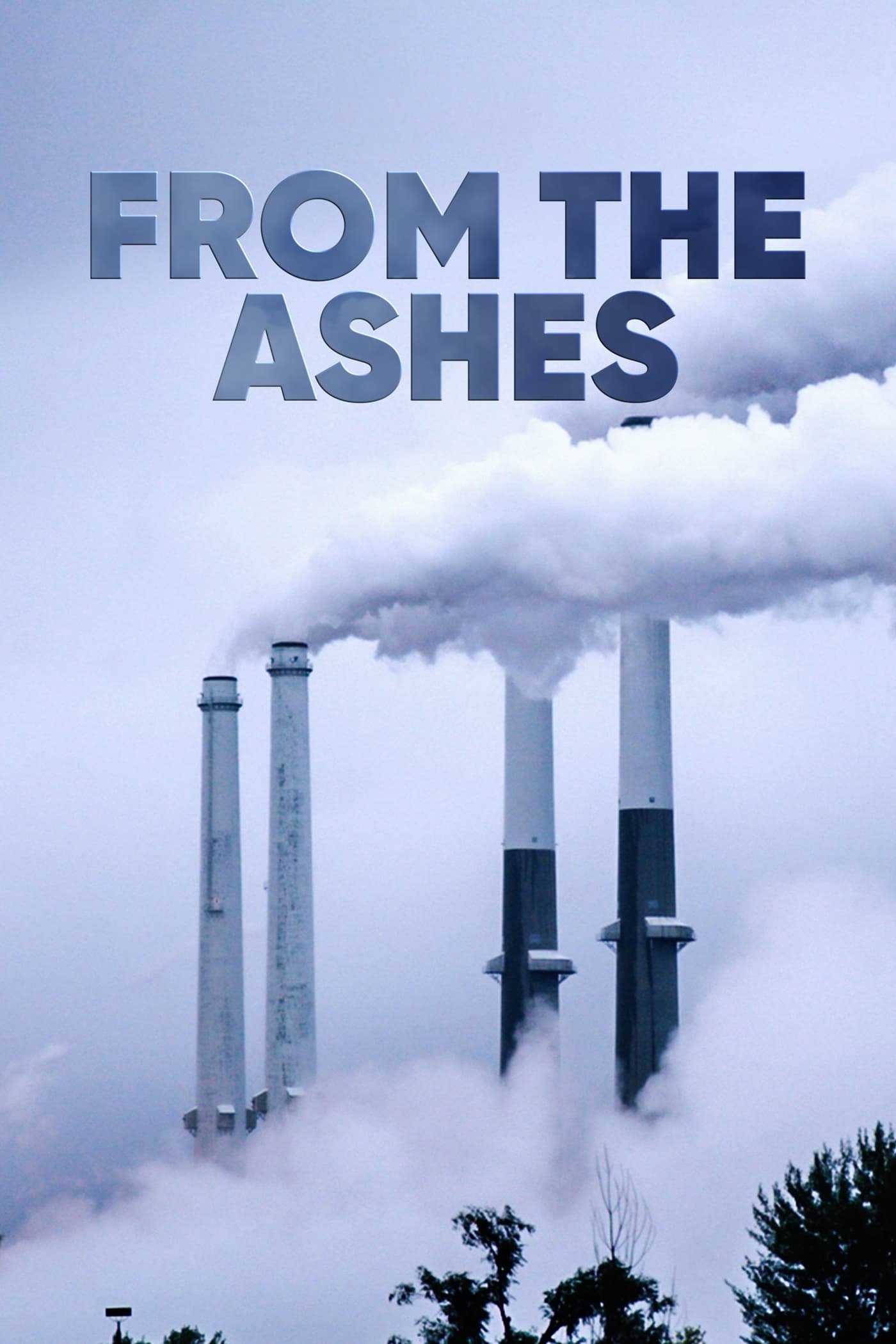
Capturing Americans in communities across the country as they wrestle with the legacy of the coal industry and what its future should be under the Trump Administration. From Appalachia to the West’s Powder River Basin, the film goes beyond the rhetoric of the “war on coal” to present compelling and often heartbreaking stories about what’s at stake for our economy, health, and climate.
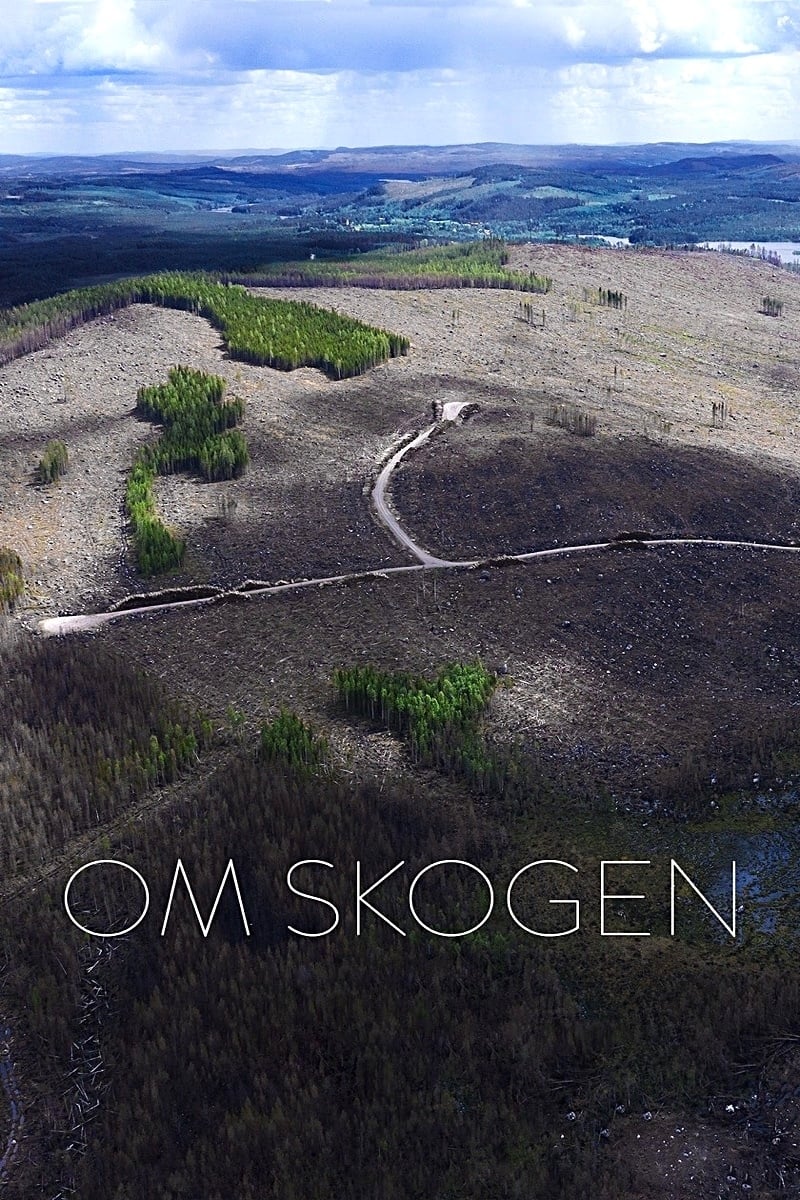
A post in the debate on Swedish forestry highlighting the difficulties and consequences of a hard deforestation with fast-growing forest plantations and a devastating short-sightedness. The documentary shows the vulnerability in the transition to a fossil-free society where we become increasingly dependent on the forest as a natural resource.
In the middle of the Indian Ocean, more than 1.500 km from the nearest continent, lies an untouched, mysterious archipelago – the Chagos Islands. This group of 60 islands is one of the last pristine wildernesses on Earth. The Chagos Archipelago is one of the world’s largest marine national parks, and is strictly protected. A scientific expedition has been granted access to this politically disputed territory for the first time. In times of climate change, as global reef communities face a growing crisis, the researchers seek to show how coral reefs fare in places with minimal human interference. During a journey into the unknown, we follow in the footsteps of internationally renowned scientists, who aim to unlock the secrets of a lost world and gain astonishing insights into one of the last true wildernesses on Earth.
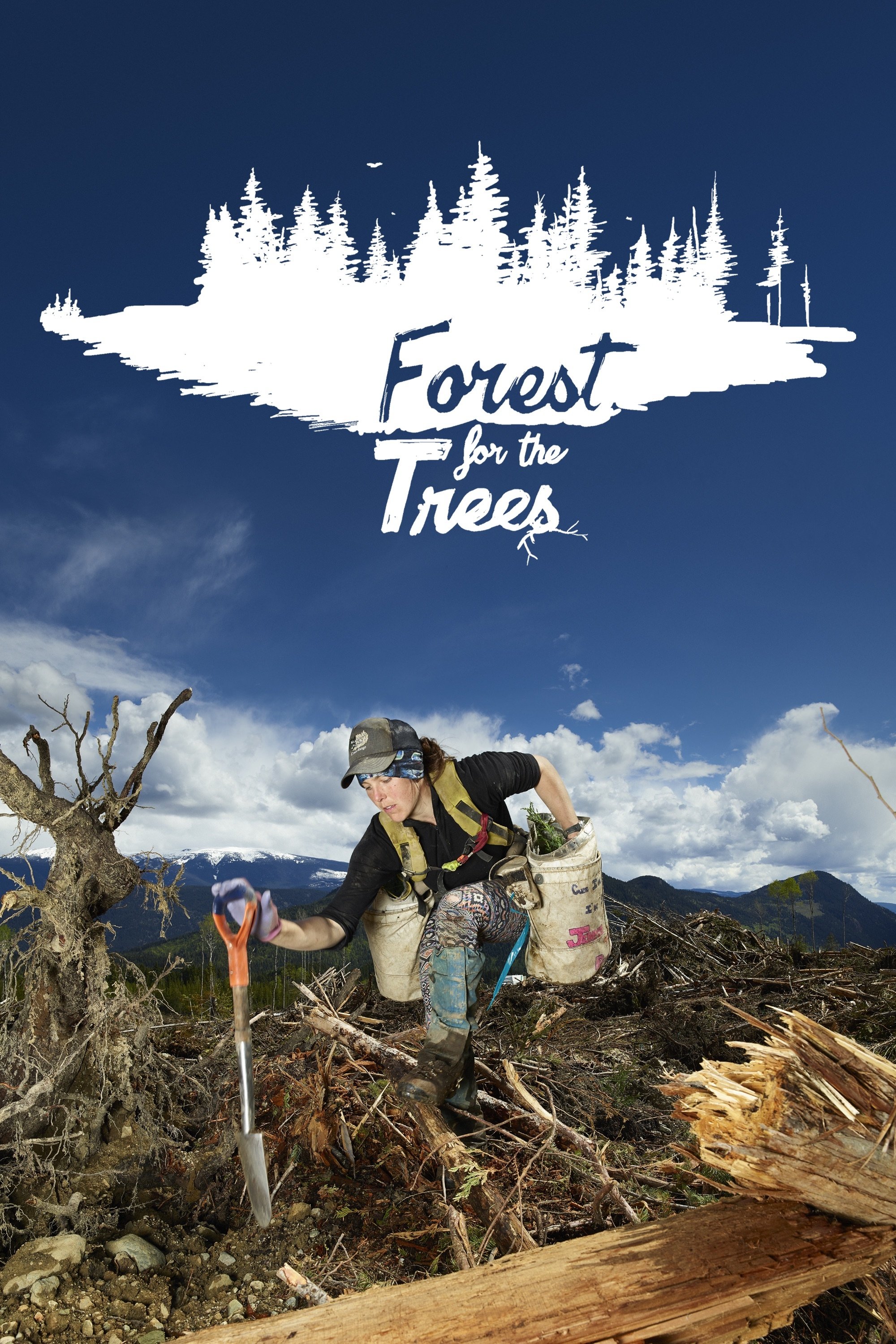
Award-winning war photographer Rita Leistner goes back to her roots as a tree planter in the wilderness of British Columbia, offering an inside take on the grueling, sometimes fun and always life-changing experience of restoring Canada’s forests. Leistner, who has photographed some of the world’s most dangerous places, credits the challenge of tree-planting for her physical and mental endurance. In Forest for the Trees, her first feature film, she revisits her past to share the lessons she learned. The film introduces us to everyday life on the “cut-block” and the brave souls who fight through rough terrains and work endless hours to bring our forests to life. The rugged BC landscape comes to life magically in Leistner’s photography, while the quirky characters and nuggets of wisdom shared around the campfire tell a sincere story of community.
Takes us to locations all around the US and shows us the heavy toll that modern technology is having on humans and the earth. The visual tone poem contains neither dialogue nor a vocalized narration: its tone is set by the juxtaposition of images and the exceptional music by Philip Glass.
David Attenborough and scientist Johan Rockström examine Earth's biodiversity collapse and how this crisis can still be averted.
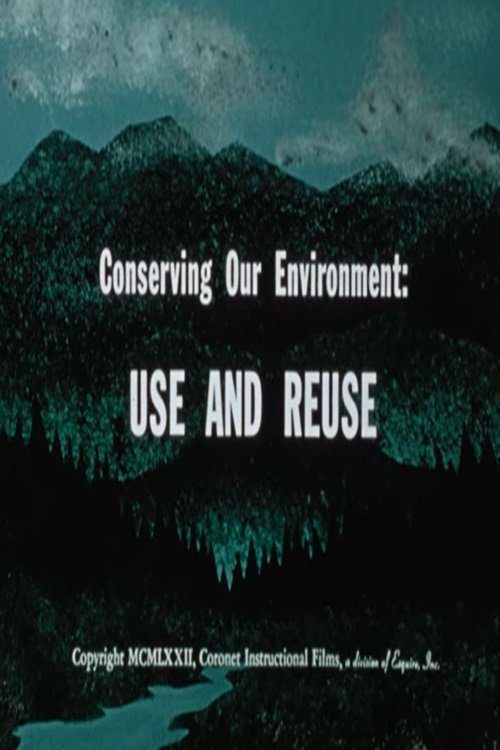
A 1970s educational film about the environment and conservation.
A documentary on the expletive's origin, why it offends some people so deeply, and what can be gained from its use.
A visual montage portrait of our contemporary world dominated by globalized technology and violence.
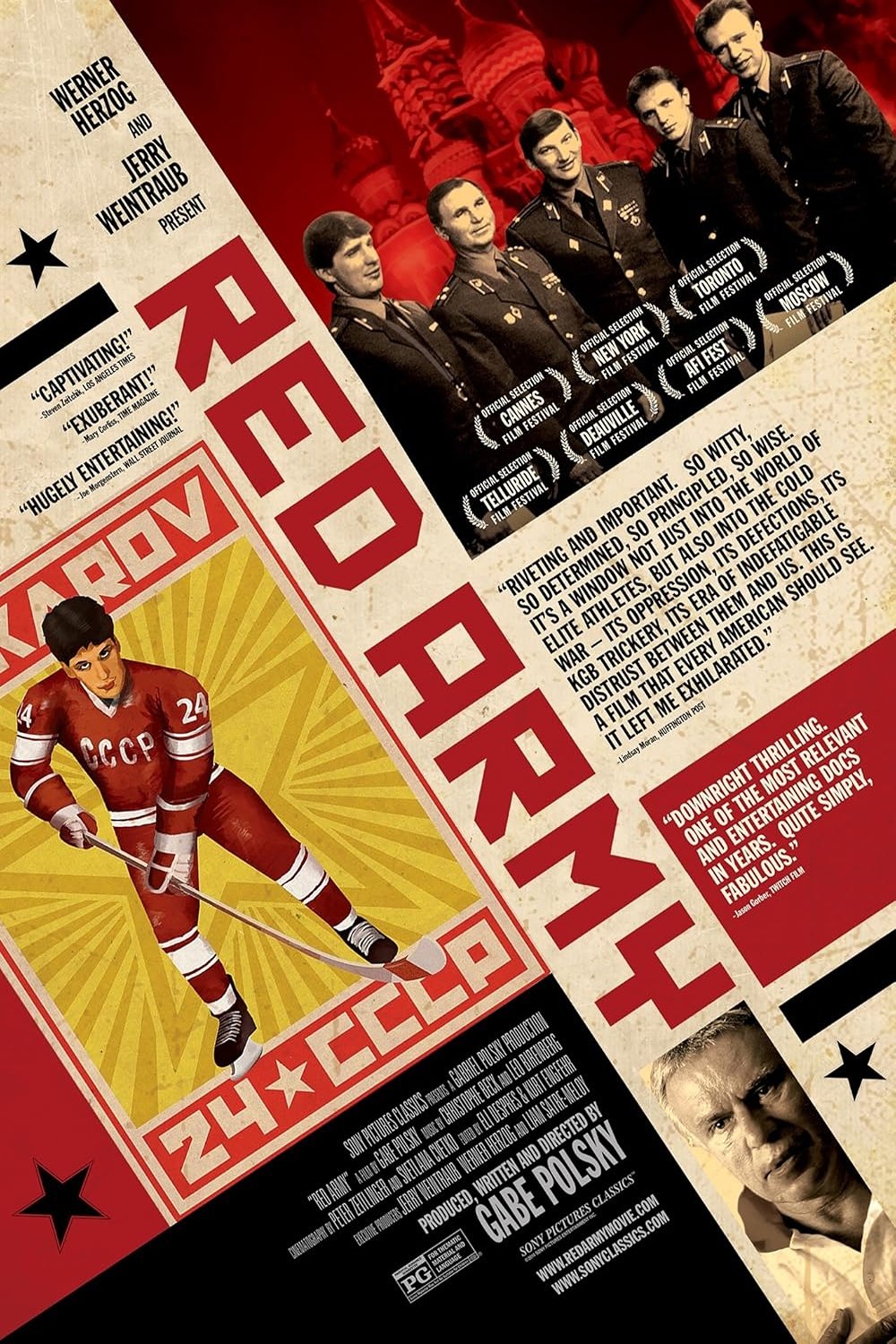
A documentary highlighting the Soviet Union's legendary and enigmatic hockey training culture and world-dominating team through the eyes of the team's Captain Slava Fetisov, following his shift from hockey star and celebrated national hero to political enemy.
The history of cinematic sound, told by legendary sound designers and visionary filmmakers.
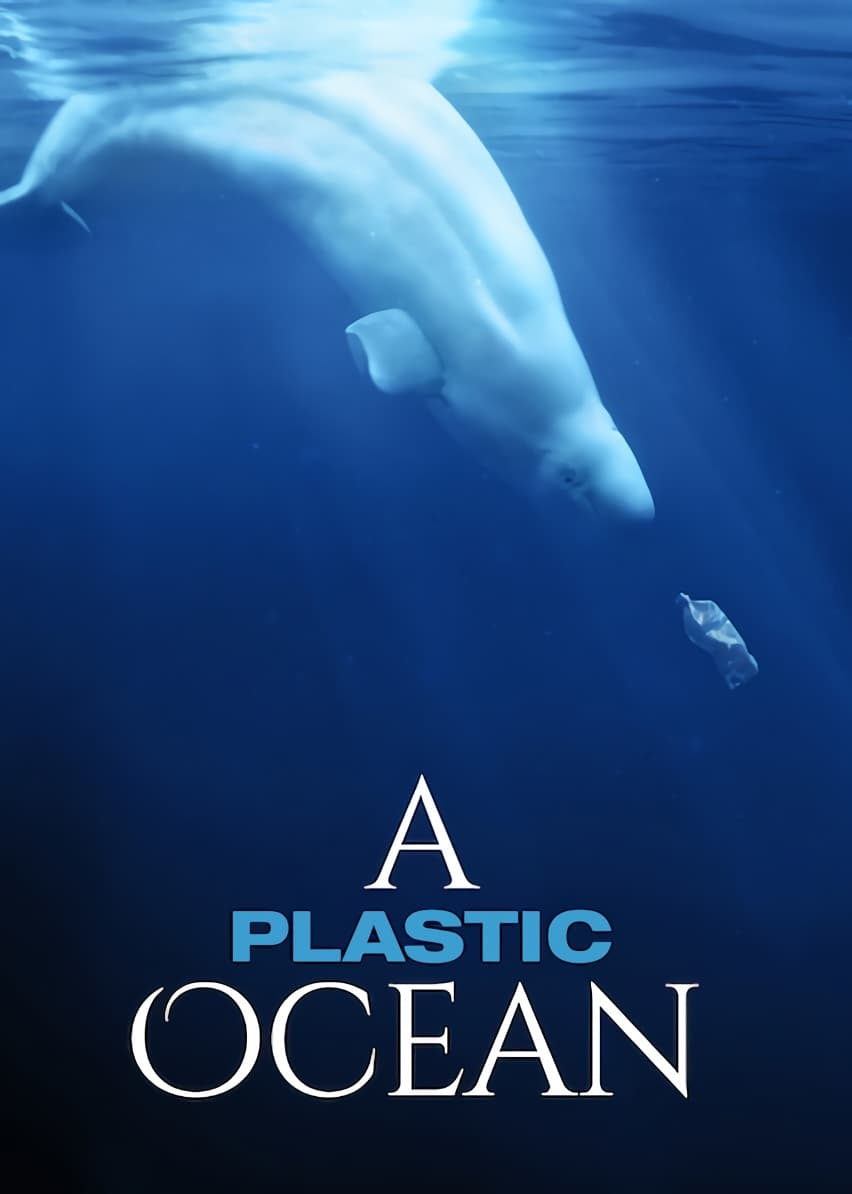
A documentary focused on plastic pollution in the world's oceans.
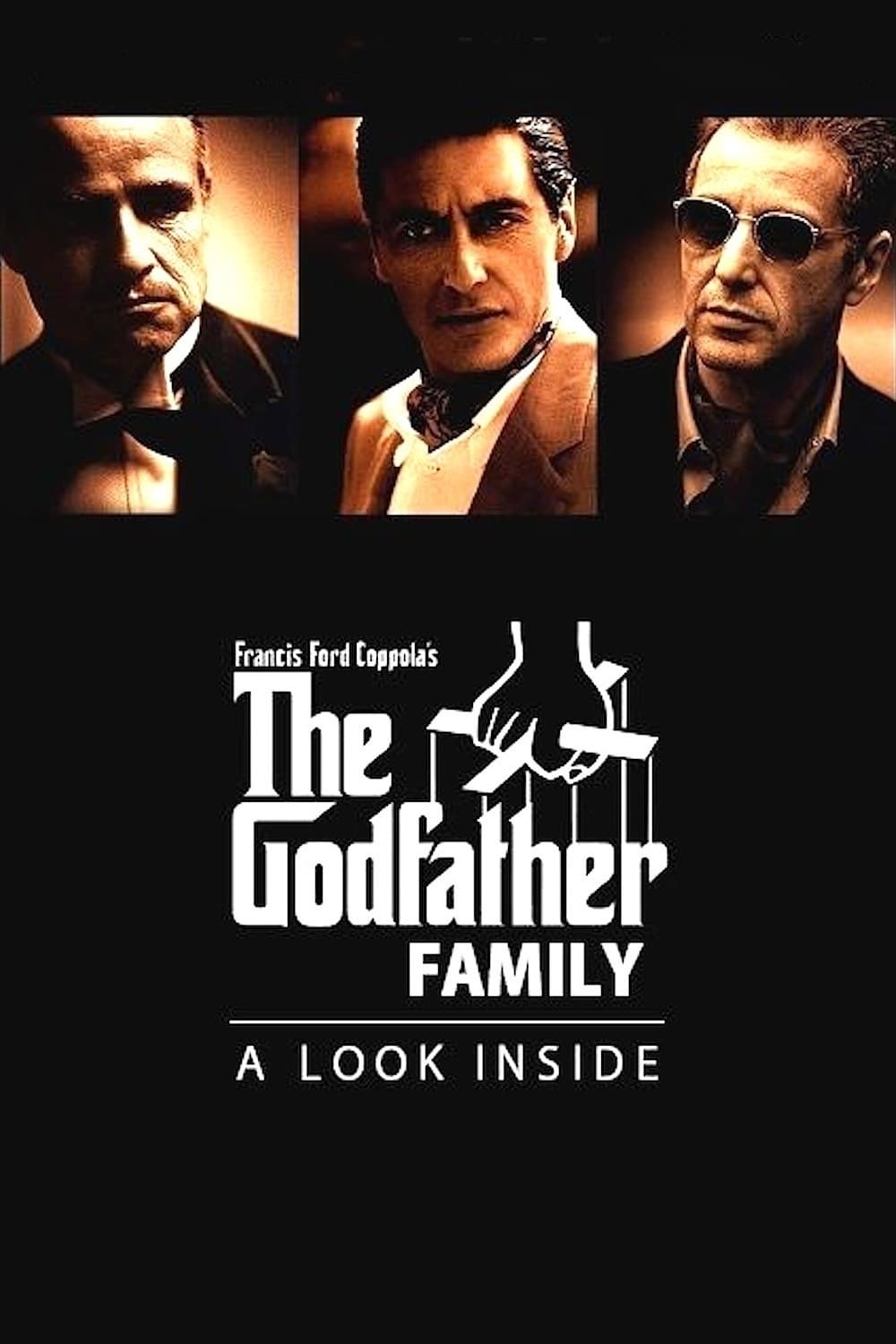
A documentary on the making of the three Godfather films, with interviews and recollections from the film makers and cast. This feature also includes the original screen tests of some of the actors for "The Godfather" film, and some candid moments on the set of "The Godfather: Part III."
A documentary on Al Gore's campaign to make the issue of global warming a recognized problem worldwide.
In an intimate and joyful story of love in the face of loss, celebrated poets Andrea Gibson and Megan Falley find strength—and unexpected hilarity—in what might be their final year together.
A documentary about the life and films of director John Ford.
Experience the events of September 11, 2001 through the eyes of President Bush and his closest advisors as they personally detail the crucial hours and key decisions from that historic day.
Oliver Stone charts the history of the United States from the Second World War to the present.
From the heights of her modeling fame to her tragic death, this documentary reveals Anna Nicole Smith through the eyes of the people closest to her.
Never-before-seen footage shows how our living in lockdown opened the door for nature to bounce back and thrive. Across the seas, skies, and lands, Earth found its rhythm when we came to a stop.
“The Soviet Story” is a story of an Allied power, which helped the Nazis to fight Jews and which slaughtered its own people on an industrial scale. Assisted by the West, this power triumphed on May 9th, 1945. Its crimes were made taboo, and the complete story of Europe’s most murderous regime has never been told. Until now...
A string of threatening emails escalates into a revenge plot involving a newly married US marshal and his ex-girlfriend.
Through revealing interviews with experts and victims' families, this gripping documentary examines the problem of deadly foodborne illness in the US.
From its distinctive neighborhoods to its architectural homes, Los Angeles has been the backdrop to countless movies. In this dazzling work, Andersen takes viewers on a whirlwind tour through the metropolis' real and cinematic history, investigating the myriad stories and legends that have come to define it, and meticulously, judiciously revealing the real city that lives beneath.
Set both in Latin America and the United States, the film explores the historic and current relationship of Washington with countries such as Venezuela, Bolivia and Chile. Pilger says that the film "...tells a universal story... analysing and revealing, through vivid testimony, the story of great power behind its venerable myths. It allows us to understand the true nature of the so-called "war on terror". According to Pilger, the film’s message is that the greed and power of empire is not invincible and that people power is always the "seed beneath the snow".
A behind-the-scenes documentary about the Clinton for President campaign, focusing on the adventures of spin doctors James Carville and George Stephanopoulos.