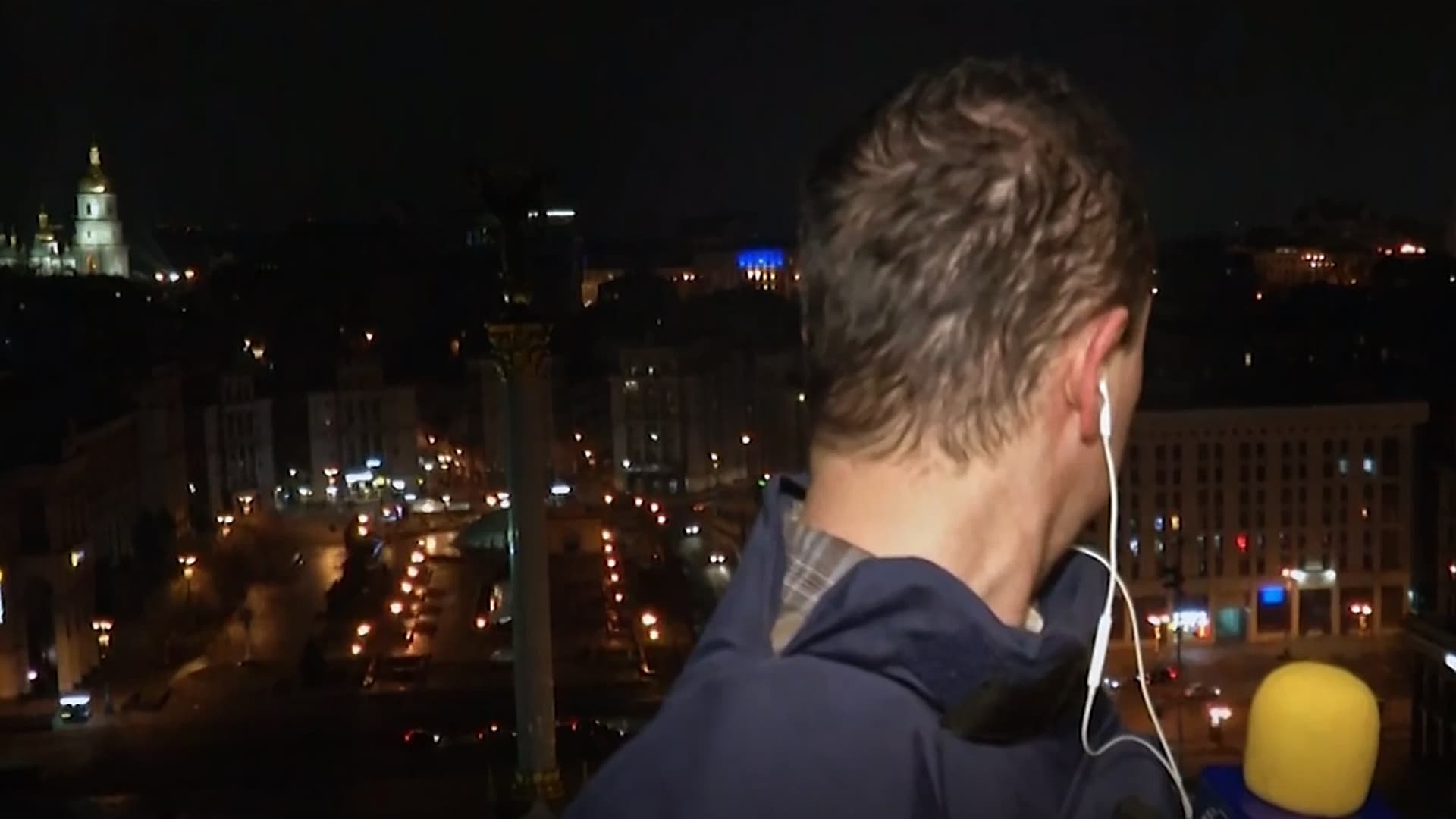
Four journalists talk about their experiences and share their testimonies of the Russian invasion of Ukraine.
Social & External
The people behind it
Horacio Rocha Staines
Self
Esther Yañez
Sara Rincón
Eduardo Salazar
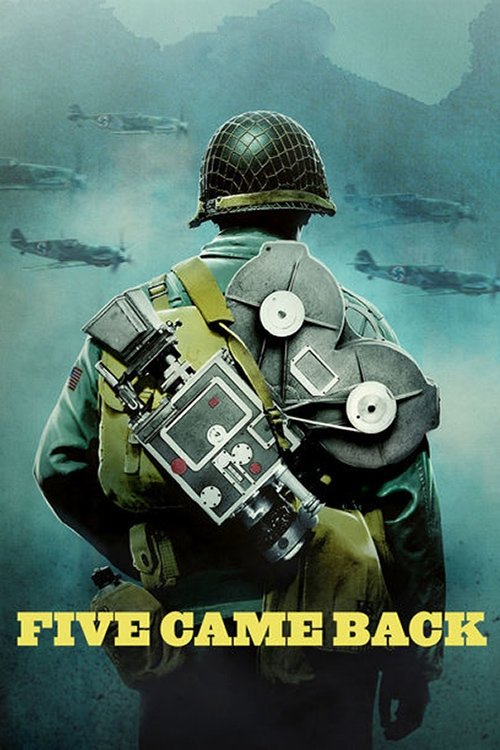
The extraordinary story of how Hollywood changed World War II – and how World War II changed Hollywood, through the interwoven experiences of five legendary filmmakers who went to war to serve their country and bring the truth to the American people: John Ford, William Wyler, John Huston, Frank Capra, and George Stevens. Based on Mark Harris’ best-selling book, “Five Came Back: A Story of Hollywood and the Second World War.”
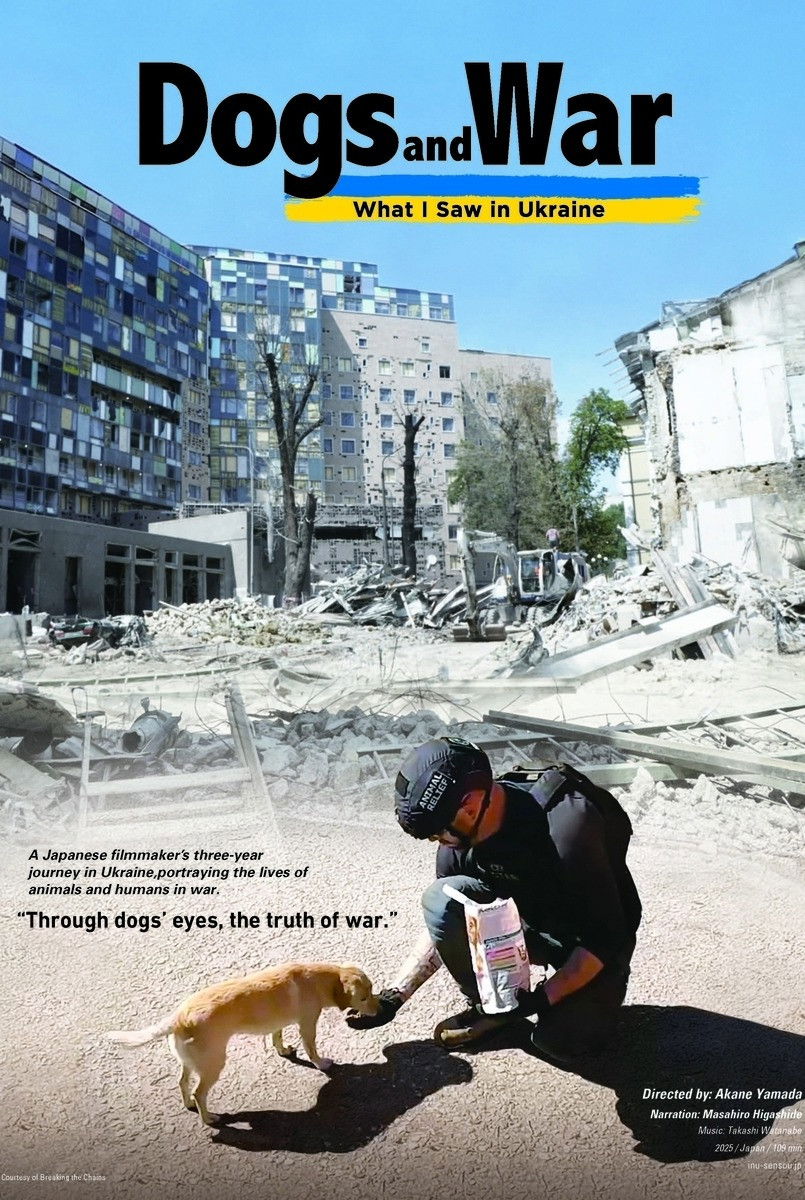
When Russia invaded in February 2022. Japanese director Akane Yamada travelled to the war zone to document an often-overlooked story - the fate of animals and the people who refuse to abandon them. Known for her work in disaster zones since Fukushima, Yamada witnessed animal welfare groups mobilising at the Polish border to help refugees and their pets, and followed Ukrainians who continued to adopt shelter animals amid the chaos. In Borodianka, near Kyiv, she uncovered the tragic deaths of shelter dogs left behind during occupation. Her three-year investigation led her deep into Ukraine's frontline regions, from flooded Kherson after the Kahkovka Dam's destruction to a children's hospital in Kyiv struck by a missile. Through the stories of people who refuse to abandon animals even amid the devastation of war, this documentary portrays the resilience and dignity of those who refuse to surrender to violence.
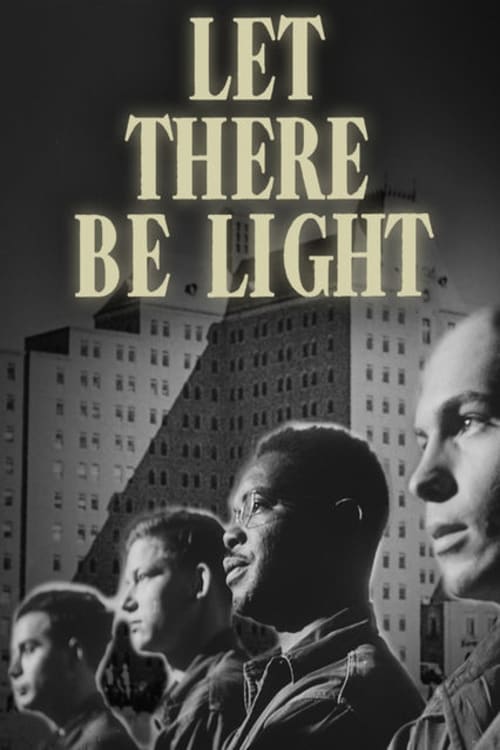
After the suppression of "Let There Be Light" (a documentary about combat-induced post-traumatic stress disorders which presented many inconvenient and demoralizing truths), the U.S. Army Signal Corp created this dramatized up-beat remake of the film. Only this time, the production excluded the involvement of John Houston, the producer of the original documentary.
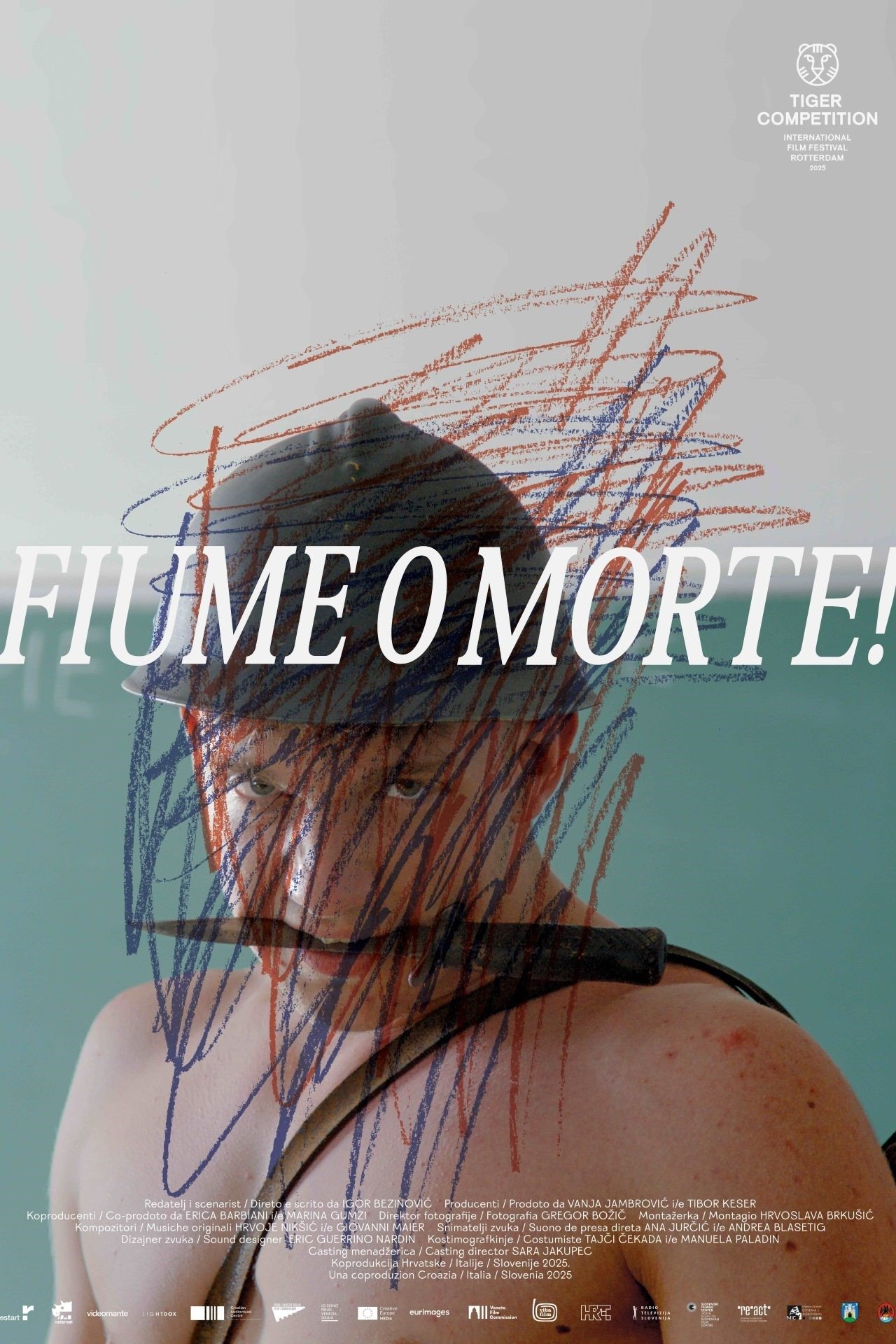
Through dramatic reconstruction and documentary asides, the spirit of Italian poet, playwright, journalist, aristocrat and army officer Gabriele D’Annunzio is captured, presenting the nascent fascism in his attempts to forge a new state in the aftermath of the First World War.
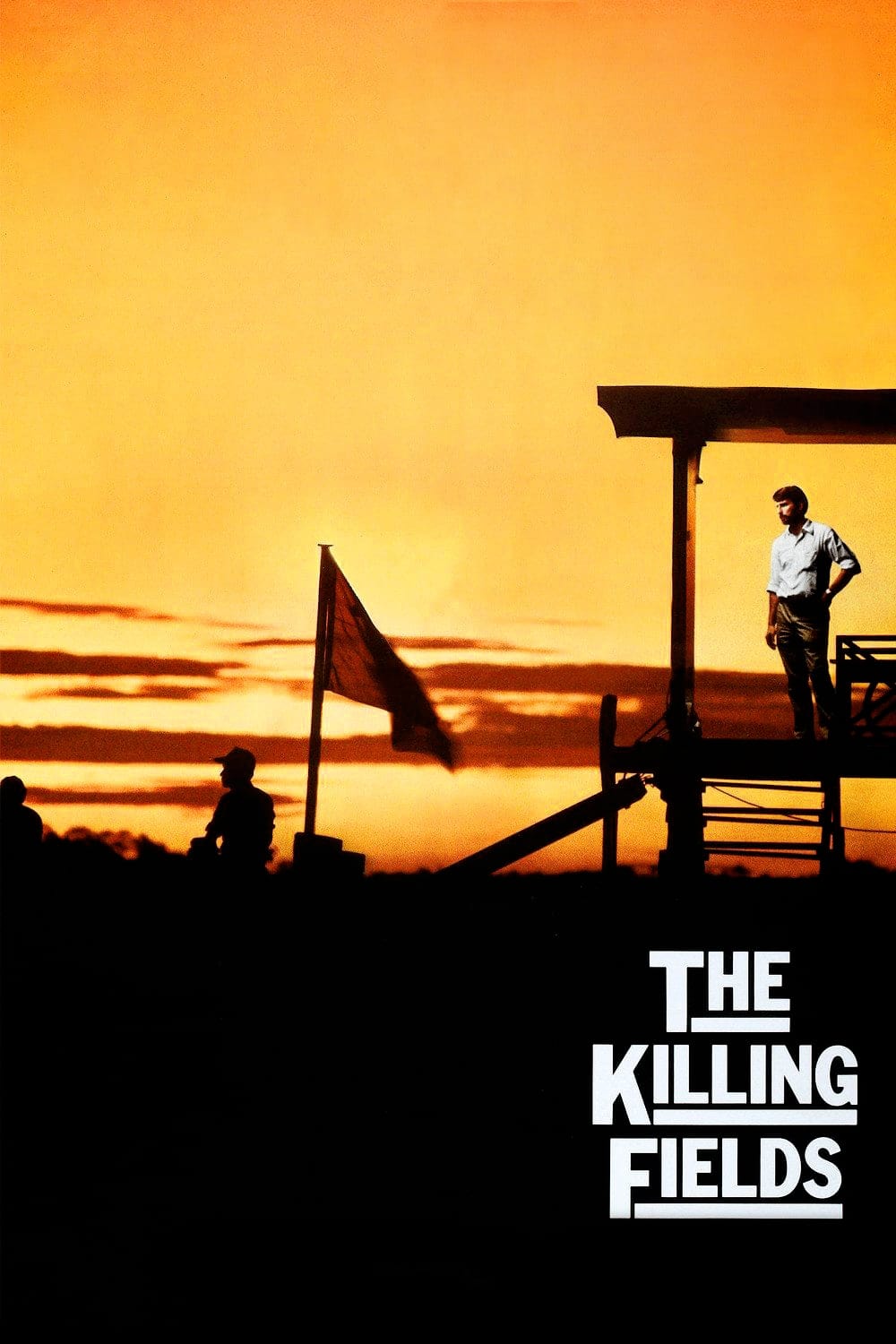
New York Times reporter Sydney Schanberg is on assignment covering the Cambodian Civil War, with the help of local interpreter Dith Pran and American photojournalist Al Rockoff. When the U.S. Army pulls out amid escalating violence, Schanberg makes exit arrangements for Pran and his family. Pran, however, tells Schanberg he intends to stay in Cambodia to help cover the unfolding story — a decision he may regret as the Khmer Rouge rebels move in.
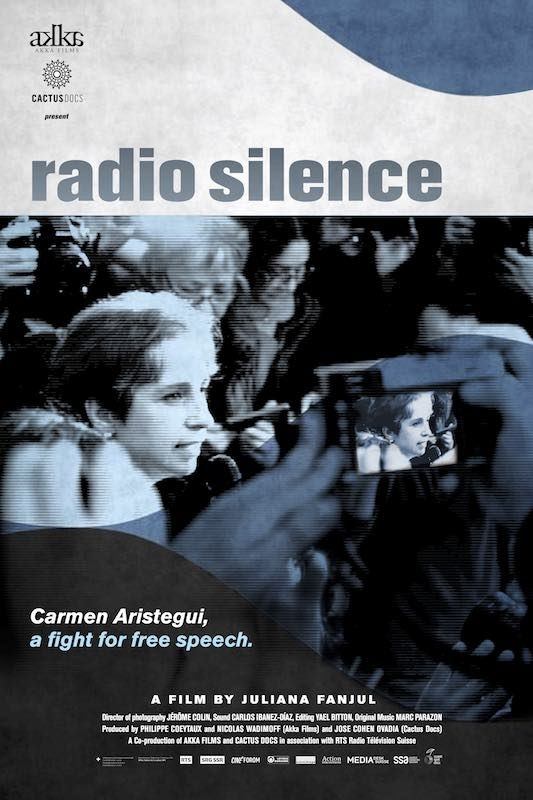
Mexico, March 2015. Carmen Aristegui, incorruptible journalist, has been fired from the radio station where she has worked for years. Supported by more than 18 million listeners, Carmen continues her fight. Her goal: raising awareness and fighting against misinformation. The film tells the story of this quest: difficult and dangerous, but essential to the health of democracy. A story in which resistance becomes a form of survival.
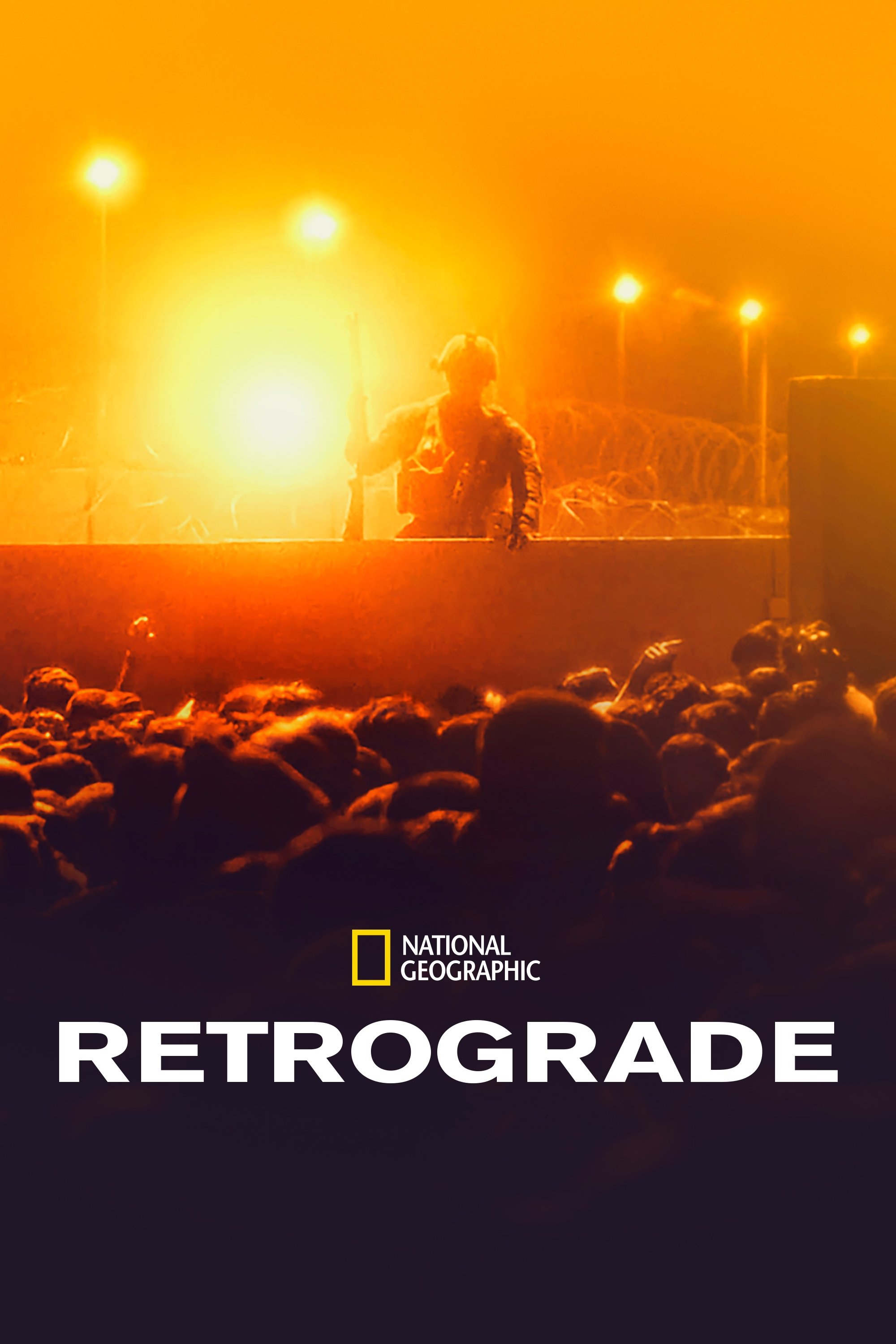
The story of the last months of the 20-year war in Afghanistan through the intimate relationship between American Green Berets and the Afghan officers they trained.
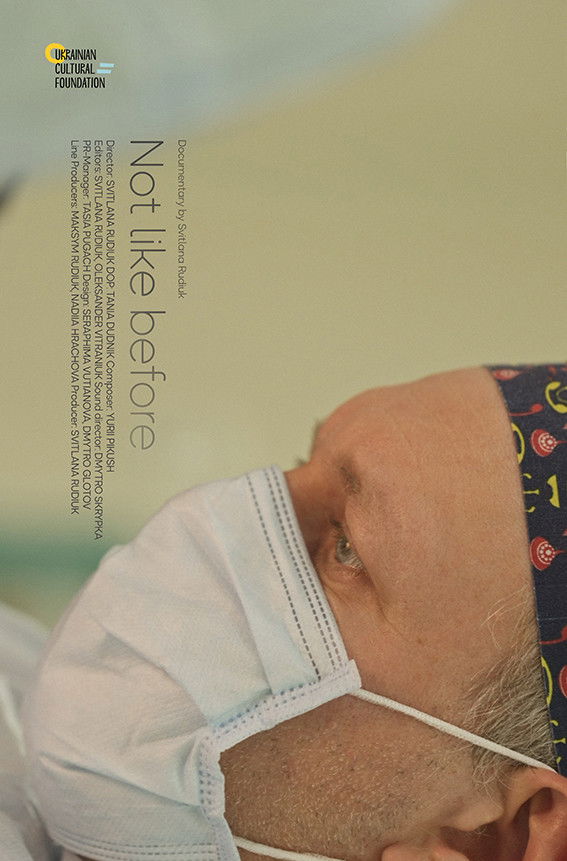
After the full-scale invasion of Ukraine, the lives of the doctors at Ohmatdyt changed forever. Yet they continue to save young patients and, with professionalism, care, tenderness, and even humor, hold on to a sense of normalcy that no longer exists.
In this new documentary, award-winning soccer journalist and CBS Sports analyst Guillem Balagué brings audiences into the action and biggest stories of the unforgettable 2021-22 UEFA Champions League. On the pitch this season, Barcelona began life without Lionel Messi. Balagué also delves into the responses within football to Russia's full-scale military invasion of neighboring Ukraine and sanctions at Chelsea, carefully bringing the audience into these turbulent stories with exclusive interviews.
It's the hope that sustains the spirit of every GI: the dream of the day when he will finally return home. For three WWII veterans, the day has arrived. But for each man, the dream is about to become a nightmare.
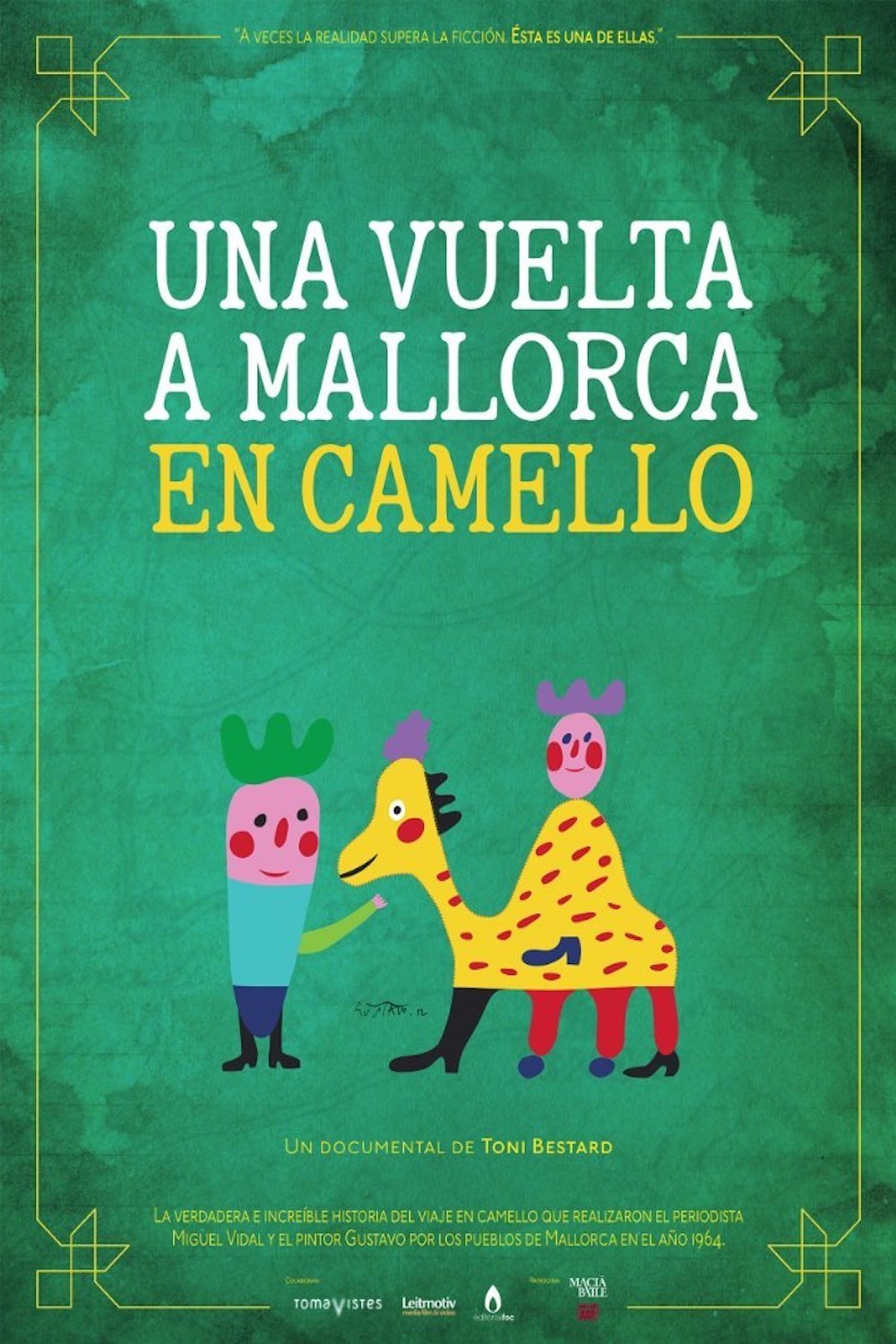
The real story about the camel ride around Mallorca, that journalist Miguel Vidal and painter Gustavo Peñalver did in 1964. Sometimes truth is stranger than fiction. This is one of them.
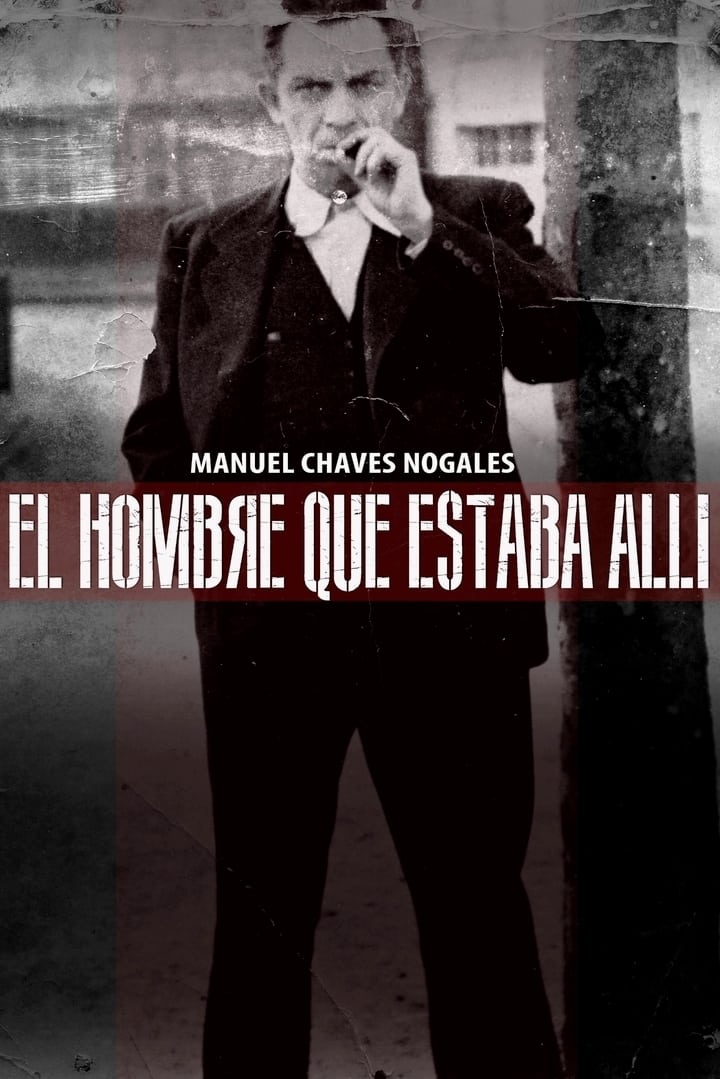
The Spanish journalist Manuel Chaves Nogales (1897-1944) was always there where the news broke out: in the fratricidal Spain of 1936, in Bolshevik Russia, in Fascist Italy, in Nazi Germany, in occupied Paris or in the bombed London of World War II; because his job was to walk, see and tell stories, and thus fight against tyrants, at a time when it was necessary to take sides in order not to be left alone; but he, a man of integrity to the bitter end, never did so.
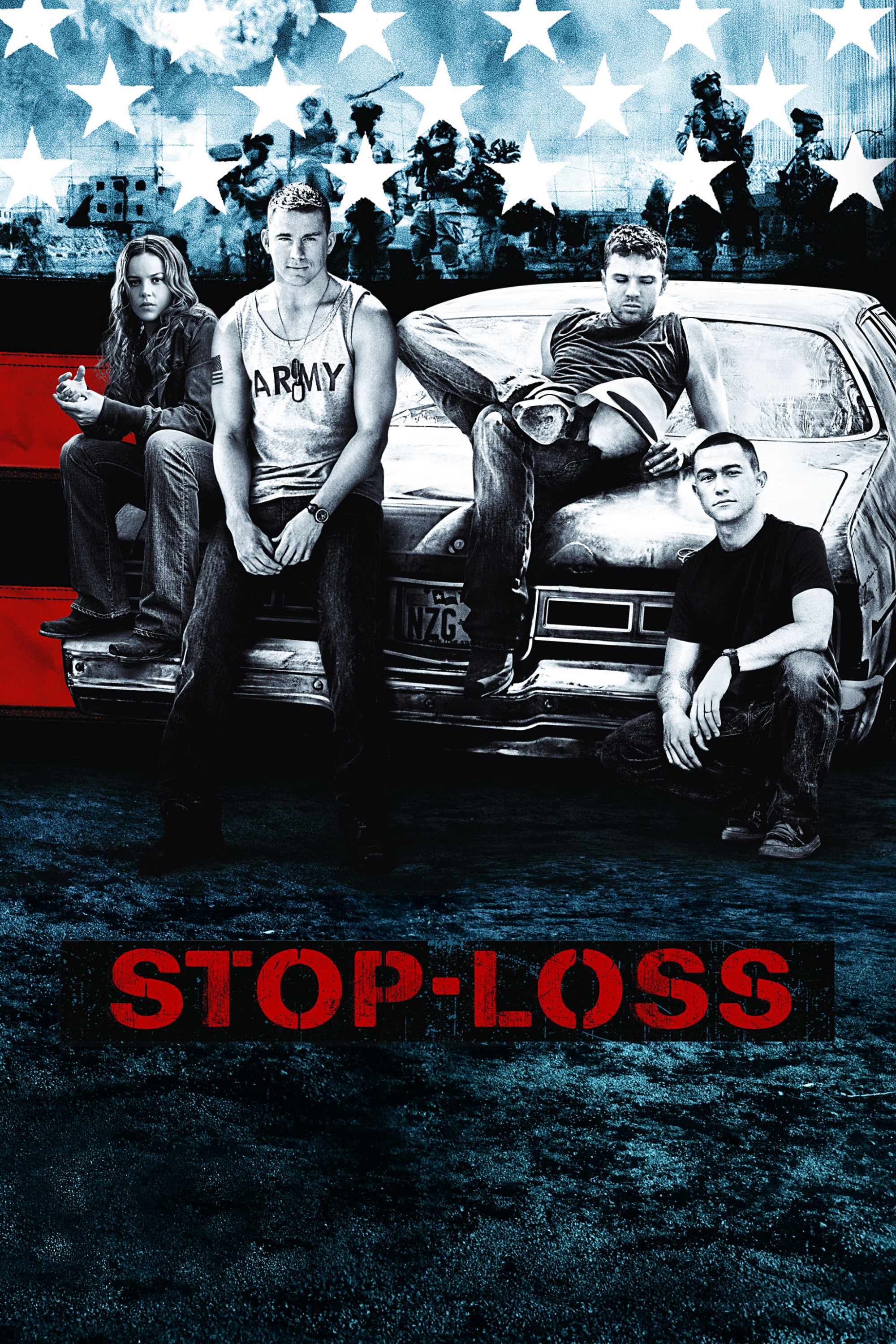
A veteran soldier returns from his completed tour of duty in Iraq, only to find his life turned upside down when he is arbitrarily ordered to return to field duty by the Army.
After two tours of duty, Joe's life unravels as he waits for PTSD treatment.
Since the renewed Intifada began in 2000, there have been over 75 Palestinian suicide bombings. This is the story of 0ne-the bombing of bus 32 in Jerusalem in June 2002. The film connects the stories of a group of ordinary Israelis-Jews and Arabs. Each of them holds a clue to someone who died that day.
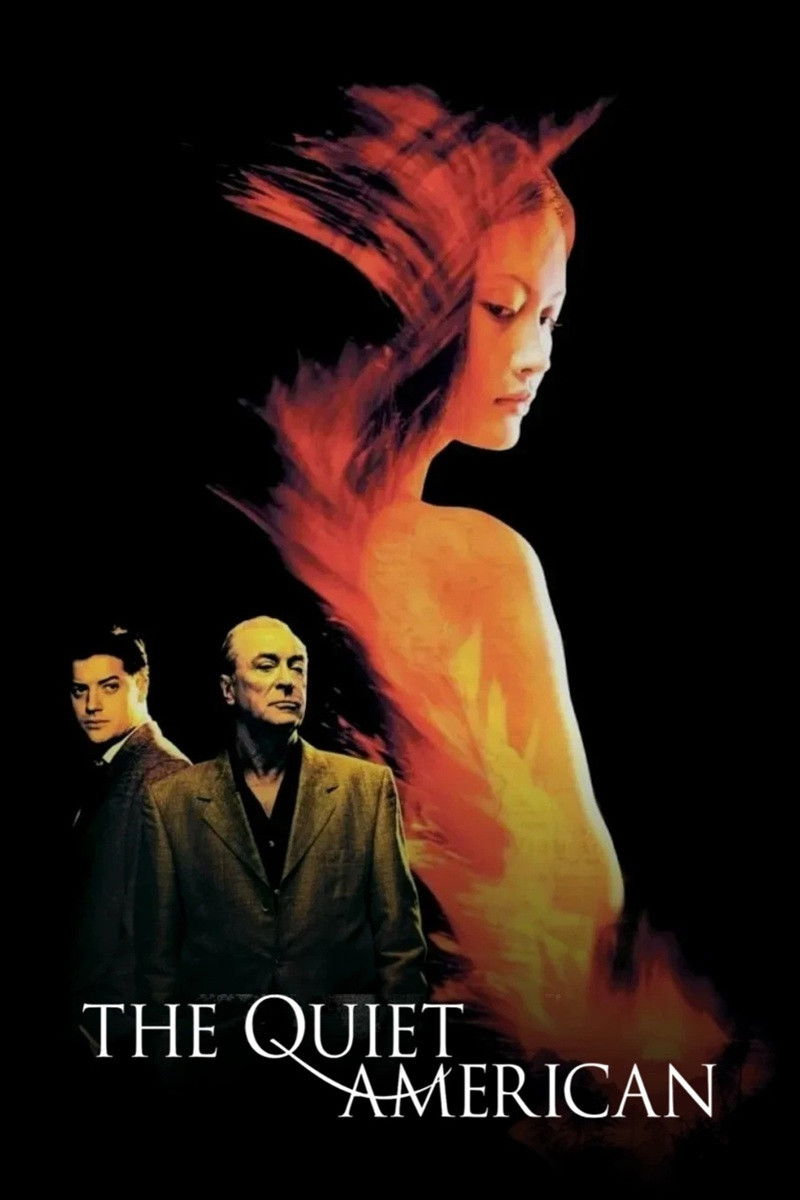
Cynical British journalist Fowler falls in love with a young Vietnamese woman but is dismayed when a naïve U.S. official also begins vying for her attention. In retaliation, Fowler informs the communists that the American is selling arms to their enemy.
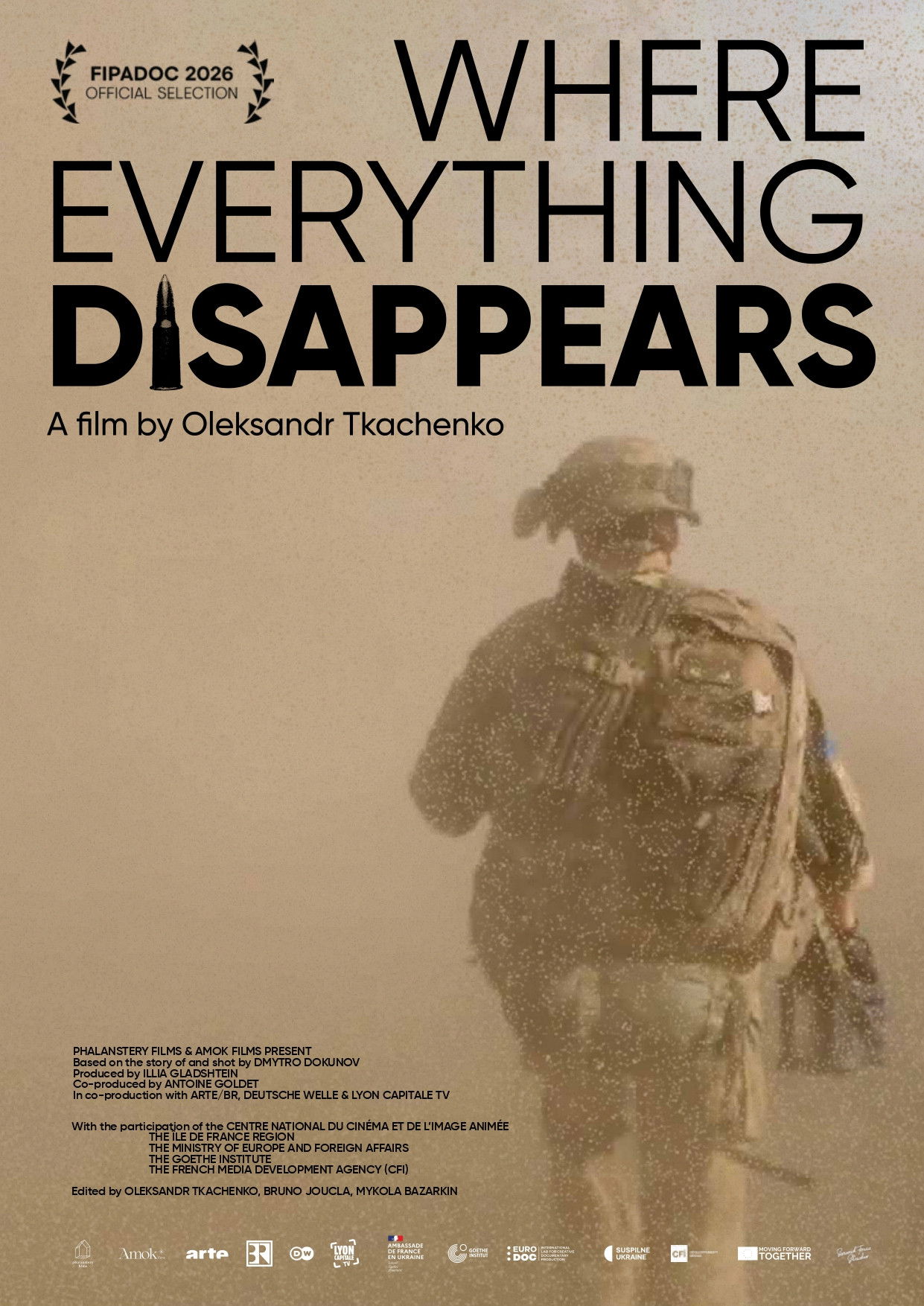
Dmytro Dokunov, a Ukrainian cinematographer, is deployed in a combat unit to face the Russian invasion with his mobile camera always recording.
The lastest neuroscience discoveries show surprising results: false memories, distortion, modification, déjà vus. Our memory is affected in many ways, and deceives us every day. The very fact of recalling souvenirs modifies them. The everyday consequences are manyfold. To what extent can we rely on our souvenirs? How much credit can we give them during trials? Even more shocking, scientists have proved to be able to manipulate our memory: creating artificial souvenirs, deleting, emphasizing or restoring them on demand.
At the height of the Vietnam war, Captain Benjamin Willard is sent on a dangerous mission that, officially, "does not exist, nor will it ever exist." His goal is to locate - and eliminate - a mysterious Green Beret Colonel named Walter Kurtz, who has been leading his personal army on illegal guerrilla missions into enemy territory.
In early 20th-century Montana, Col. William Ludlow lives on a ranch in the wilderness with his sons, Alfred, Tristan, and Samuel. Eventually, the unconventional but close-knit family are bound by loyalty, tested by war, and torn apart by love, as told over the course of several decades in this epic saga.
Amid the failing counteroffensive, a journalist follows a Ukrainian platoon on their mission to traverse one mile of heavily fortified forest and liberate a strategic village from Russian occupation. But the farther they advance through their destroyed homeland, the more they realize that this war may never end.
As the Russian invasion begins, a team of Ukrainian journalists trapped in the besieged city of Mariupol struggle to continue their work documenting the war's atrocities.
A documentary about World War I with never-before-seen footage to commemorate the centennial of Armistice Day, and the end of the war.
Over a period of two years, Mark Cowen and his crew travelled to thirty U.S. states and ten European cities, to interview the veterans of Easy Company. The stories told by the veterans themselves, create a history of the Second World War from the point of view of this heroic company of men, made famous in the mini-series Band of Brothers.
Prelude to War was the first film of Frank Capra's Why We Fight propaganda film series, commissioned by the Pentagon and George C. Marshall. It was made to convince American troops of the necessity of combating the Axis Powers during World War II. This film examines the differences between democratic and fascist states.
A love letter from a young mother to her daughter, the film tells the story of Waad al-Kateab’s life through five years of the uprising in Aleppo, Syria as she falls in love, gets married and gives birth to Sama, all while cataclysmic conflict rises around her. Her camera captures incredible stories of loss, laughter and survival as Waad wrestles with an impossible choice– whether or not to flee the city to protect her daughter’s life, when leaving means abandoning the struggle for freedom for which she has already sacrificed so much.
Set both in Latin America and the United States, the film explores the historic and current relationship of Washington with countries such as Venezuela, Bolivia and Chile. Pilger says that the film "...tells a universal story... analysing and revealing, through vivid testimony, the story of great power behind its venerable myths. It allows us to understand the true nature of the so-called "war on terror". According to Pilger, the film’s message is that the greed and power of empire is not invincible and that people power is always the "seed beneath the snow".
With unprecedented access, this documentary follows the extraordinary journey of “Raqqa is Being Slaughtered Silently”—a group of anonymous citizen journalists who banded together after their homeland was overtaken by ISIS—as they risk their lives to stand up against one of the greatest evils in the world today.
Meet the real-life airmen who inspired Masters of the Air as they share the harrowing and transformative events of the 100th Bomb Group.
Directors Hetherington and Junger spend a year with the 2nd Battalion of the United States Army located in one of Afghanistan's most dangerous valleys. The documentary provides insight and empathy on how to win the battle through hard work, deadly gunfights and mutual friendships while the unit must push back the Taliban.
“The Soviet Story” is a story of an Allied power, which helped the Nazis to fight Jews and which slaughtered its own people on an industrial scale. Assisted by the West, this power triumphed on May 9th, 1945. Its crimes were made taboo, and the complete story of Europe’s most murderous regime has never been told. Until now...
Virunga in the Democratic Republic of the Congo is Africa’s oldest national park, a UNESCO world heritage site, and a contested ground among insurgencies seeking to topple the government that see untold profits in the land. Among this ongoing power struggle, Virunga also happens to be the last natural habitat for the critically endangered mountain gorilla. The only thing standing in the way of the forces closing in around the gorillas: a handful of passionate park rangers and journalists fighting to secure the park’s borders and expose the corruption of its enemies. Filled with shocking footage, and anchored by the surprisingly deep and gentle characters of the gorillas themselves, Virunga is a galvanizing call to action around an ongoing political and environmental crisis in the Congo.
The final entry in a trilogy of films produced for the U.S. government by John Huston. Some returning combat veterans suffer scars that are more psychological than physical. This film follows patients and staff during their treatment. It deals with what would now be called PTSD, but at the time was categorised as psychoneurosis or shell-shock. Government officials deemed this 1946 film counterproductive to postwar efforts; it was not shown publicly until 1981.
This documentary movie is about the battle of San Pietro, a small village in Italy. Over 1,100 US soldiers were killed while trying to take this location, that blocked the way for the Allied forces from the Germans. Preserved by the Academy Film Archive in 2005.
An experimental documentary that explores Saudi Arabia's relationship with the U.S. and the role this has played in the war in Afghanistan.
"Trinity and Beyond" is an unsettling yet visually fascinating documentary presenting the history of nuclear weapons development and testing between 1945-1963. Narrated by William Shatner and featuring an original score performed by the Moscow Symphony Orchestra, this award-winning documentary reveals previously unreleased and classified government footage from several countries.
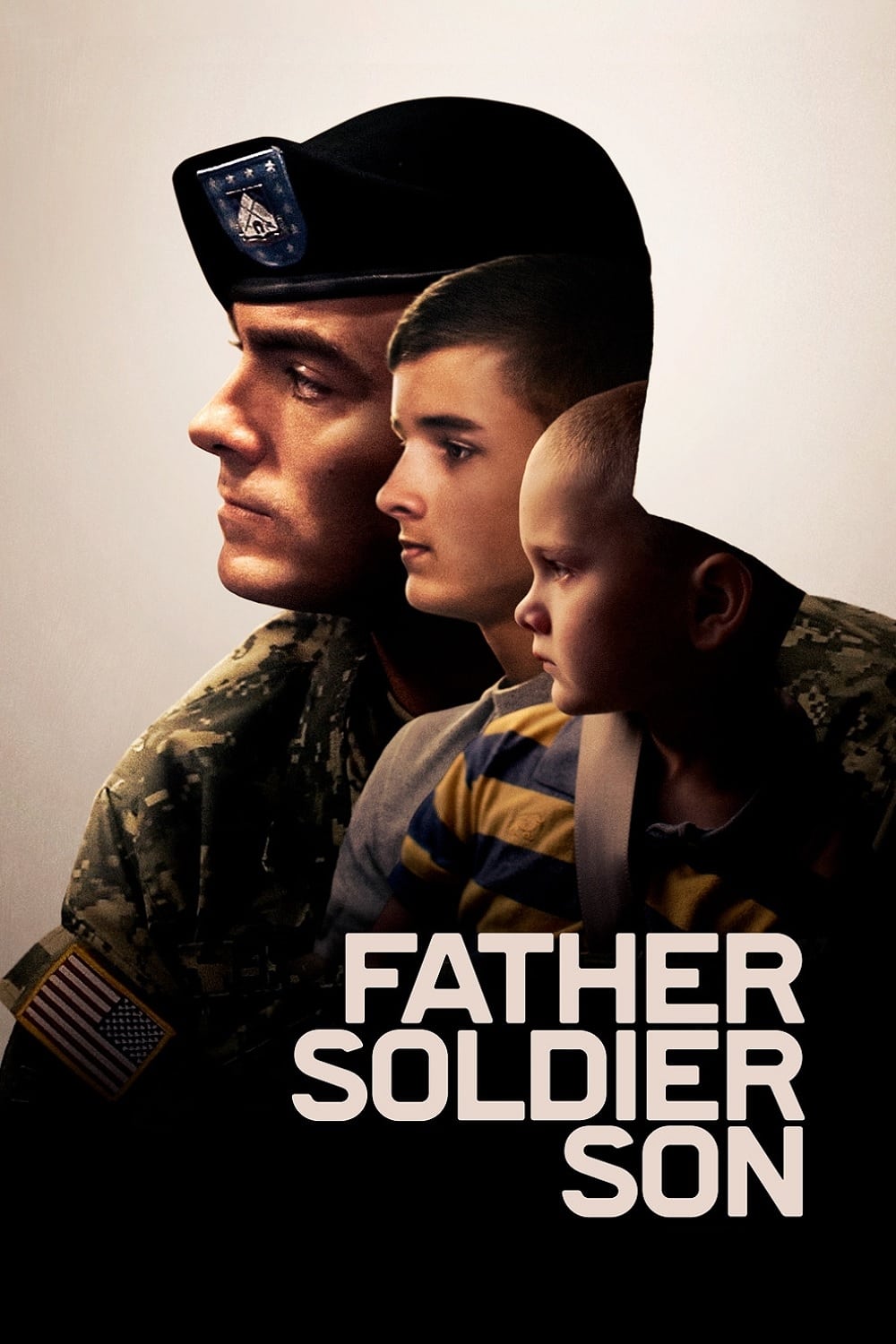
When Sgt. First Class Brian Eisch is critically wounded in Afghanistan, it sets him and his sons on a journey of love, loss, redemption and legacy.
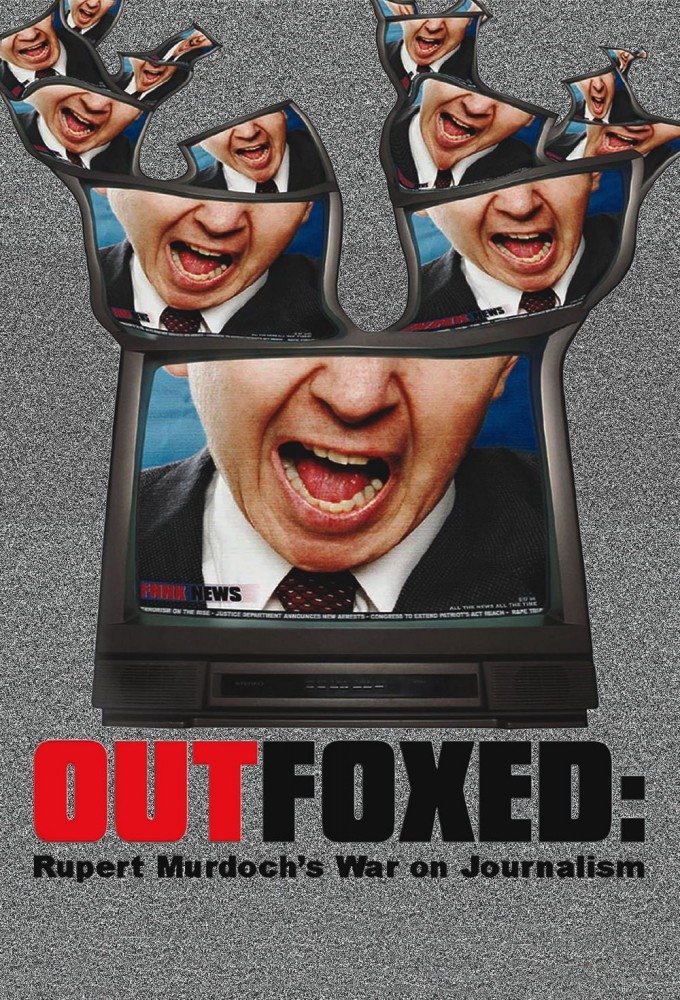
This film examines how media empires, led by Rupert Murdoch's Fox News, have been running a "race to the bottom" in television news, and provides an in-depth look at Fox News and the dangerous impact on society when a broad swath of media is controlled by one person. Media experts, including Jeff Cohen (FAIR) Bob McChesney (Free Press), Chellie Pingree (Common Cause), Jeff Chester (Center for Digital Democracy) and David Brock (Media Matters) provide context and guidance for the story of Fox News and its effect on society. This documentary also reveals the secrets of Former Fox news producers, reporters, bookers and writers who expose what it's like to work for Fox News. These former Fox employees talk about how they were forced to push a "right-wing" point of view or risk their jobs. Some have even chosen to remain anonymous in order to protect their current livelihoods. As one employee said "There's no sense of integrity as far as having a line that can't be crossed."
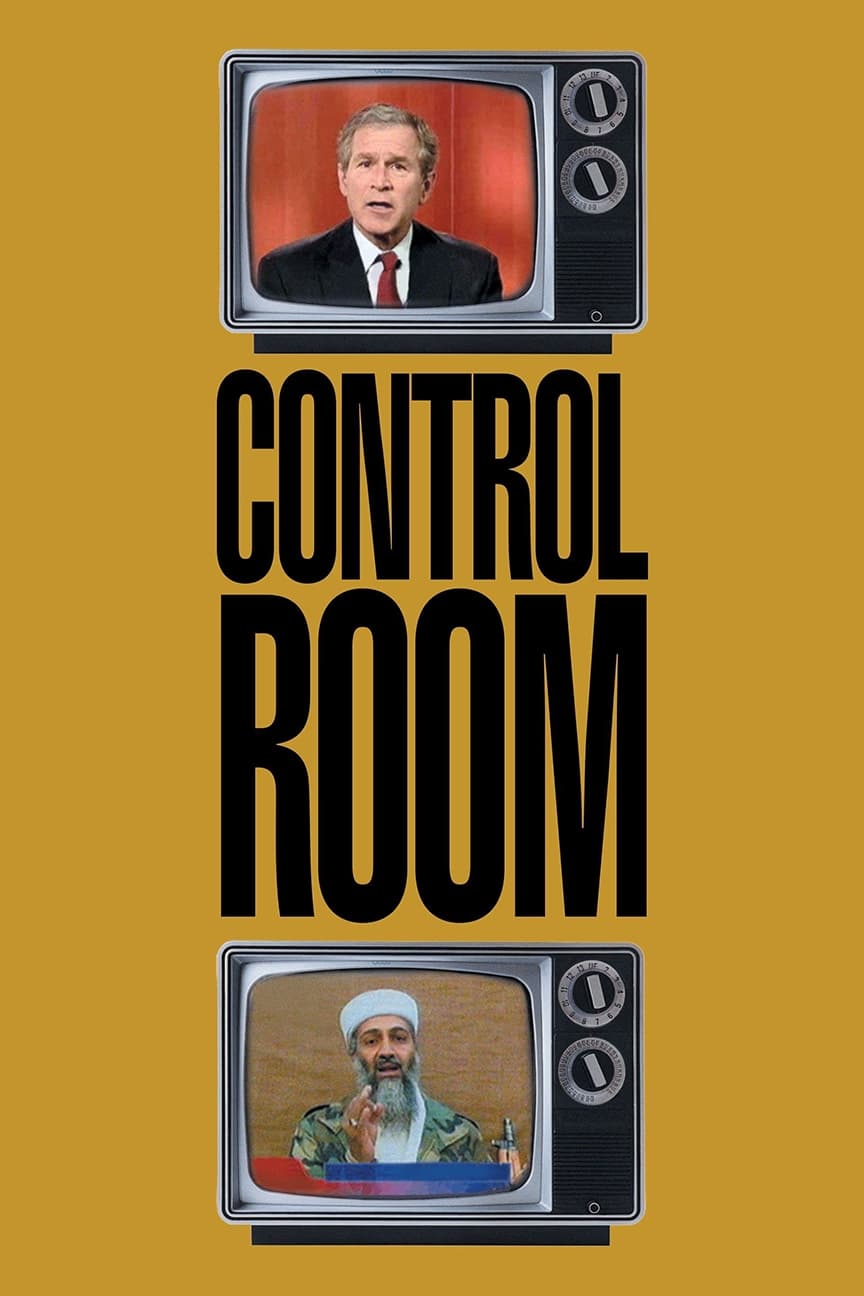
A chronicle which provides a rare window into the international perception of the Iraq War, courtesy of Al Jazeera, the Arab world's most popular news outlet. Roundly criticized by Cabinet members and Pentagon officials for reporting with a pro-Iraqi bias, and strongly condemned for frequently airing civilian causalities as well as footage of American POWs, the station has revealed (and continues to show the world) everything about the Iraq War that the Bush administration did not want it to see.