A documentary covering the Second Chimurenga, the Zimbabwean War of Liberation.
Social & External
The people behind it
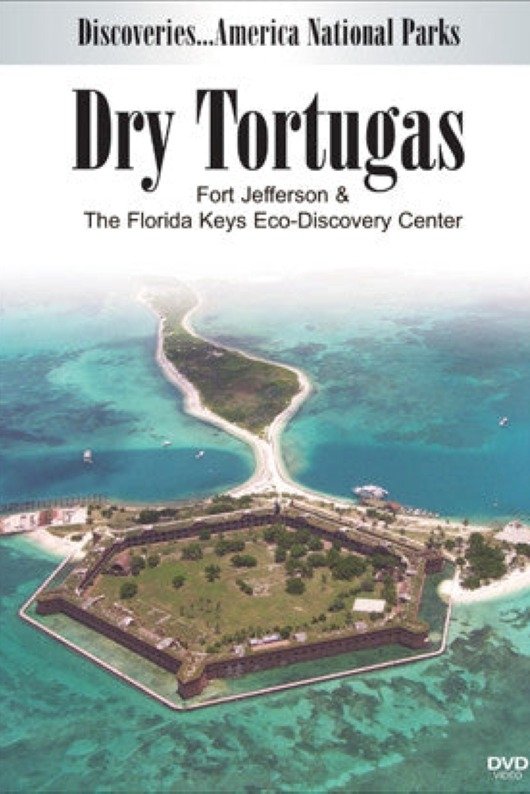
Dry Tortugas: Journey aboard the Yankee Freedom, a 100 foot catamaran for the 2.5 hour, 70 mile trip. The area is known for its famous bird and marine life, its legends of pirates and sunken gold, and its military past. Fort Jefferson: The strategic location of the Dry Tortugas brought a large number of vessels through its surrounding waters as they connect the Atlantic Ocean and the Gulf of Mexico. Early on, the shipping channel was used among Spanish explorers and merchants traveling along the Gulf Coast. Go on a tour with National Park Ranger Chris Ziegler to fully appreciate the Fort's unique construction and history. Florida Keys Eco-Discovery Center: Journey into the world of the native plants and animals of the Keys, both on land and underwater. Leave with an increased awareness and appreciation of the need to protect and conserve the ecosystem of South Florida.
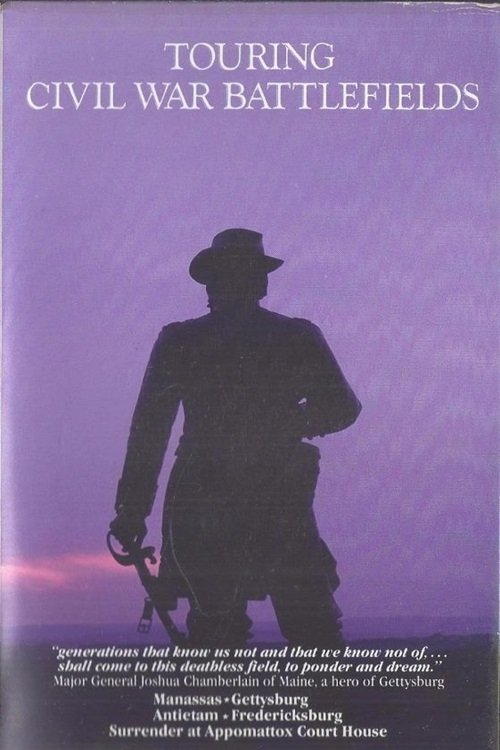
See the actual battlefields as they were and as they are today. No battlefields have greater appeal than the meticulously preserved meadows and forests where four heroic encounters of the Civil War were decided. Relive the story behind each conflict as thousands reenact the battles.
Blood Diamonds is a made-for-TV documentary series, originally broadcast on the History Channel, that looks into the trade of diamonds which fund rebellions and wars in many African nations. The program focuses primarily on two nations: Sierra Leone and Angola. Diamonds which are traded for this purpose are known as blood diamonds.
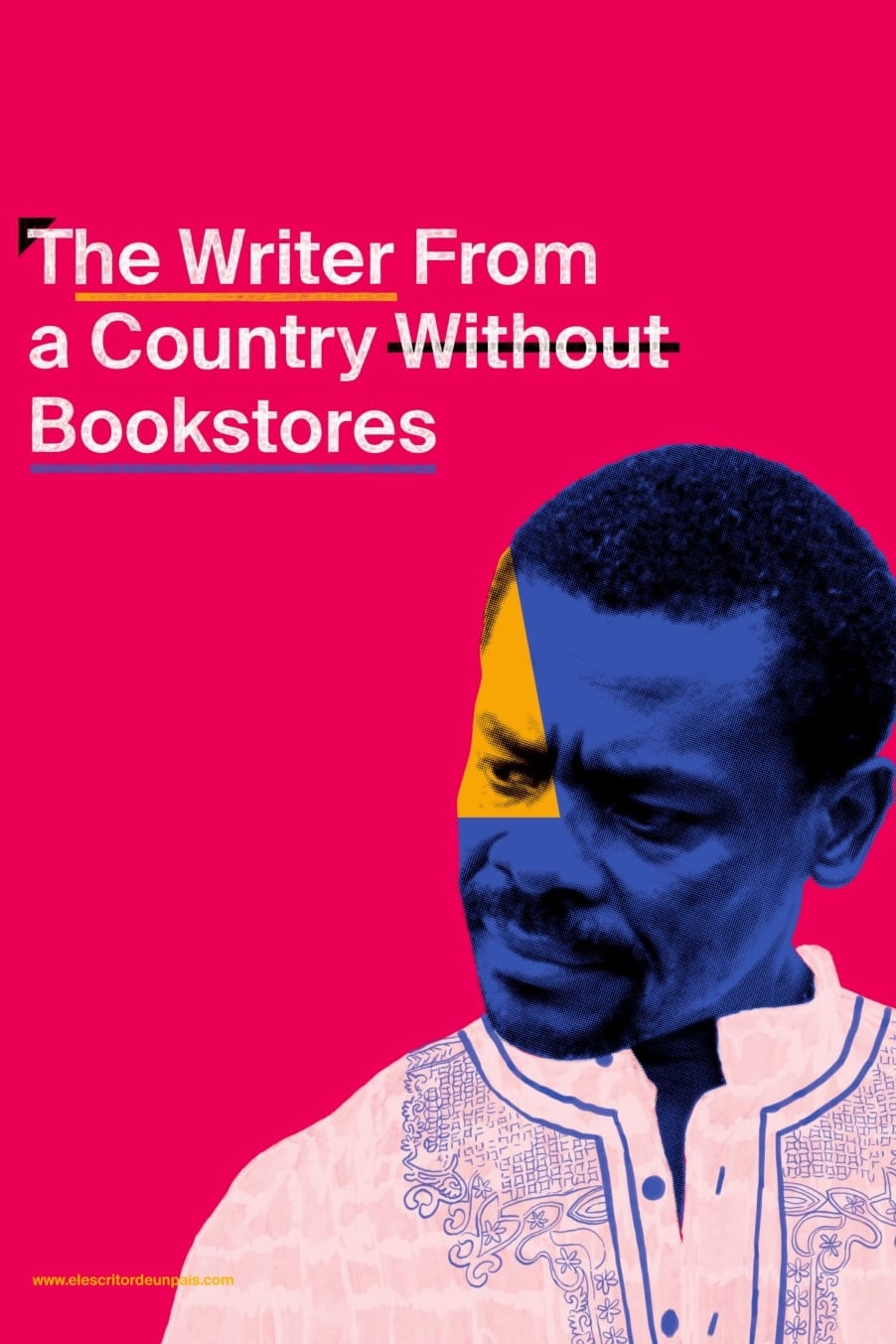
The ruthless dictator Teodoro Obiang has ruled Equatorial Guinea with an iron hand since 1979. Juan Tomás Ávila Laurel is the most translated Equatoguinean writer, but he had to flee the country in 2011, after starting a hunger strike denouncing the crimes of the dictatorship. Since then, he has lived in Spain, feeling that, despite the risks, he must return and fight the monster with words.
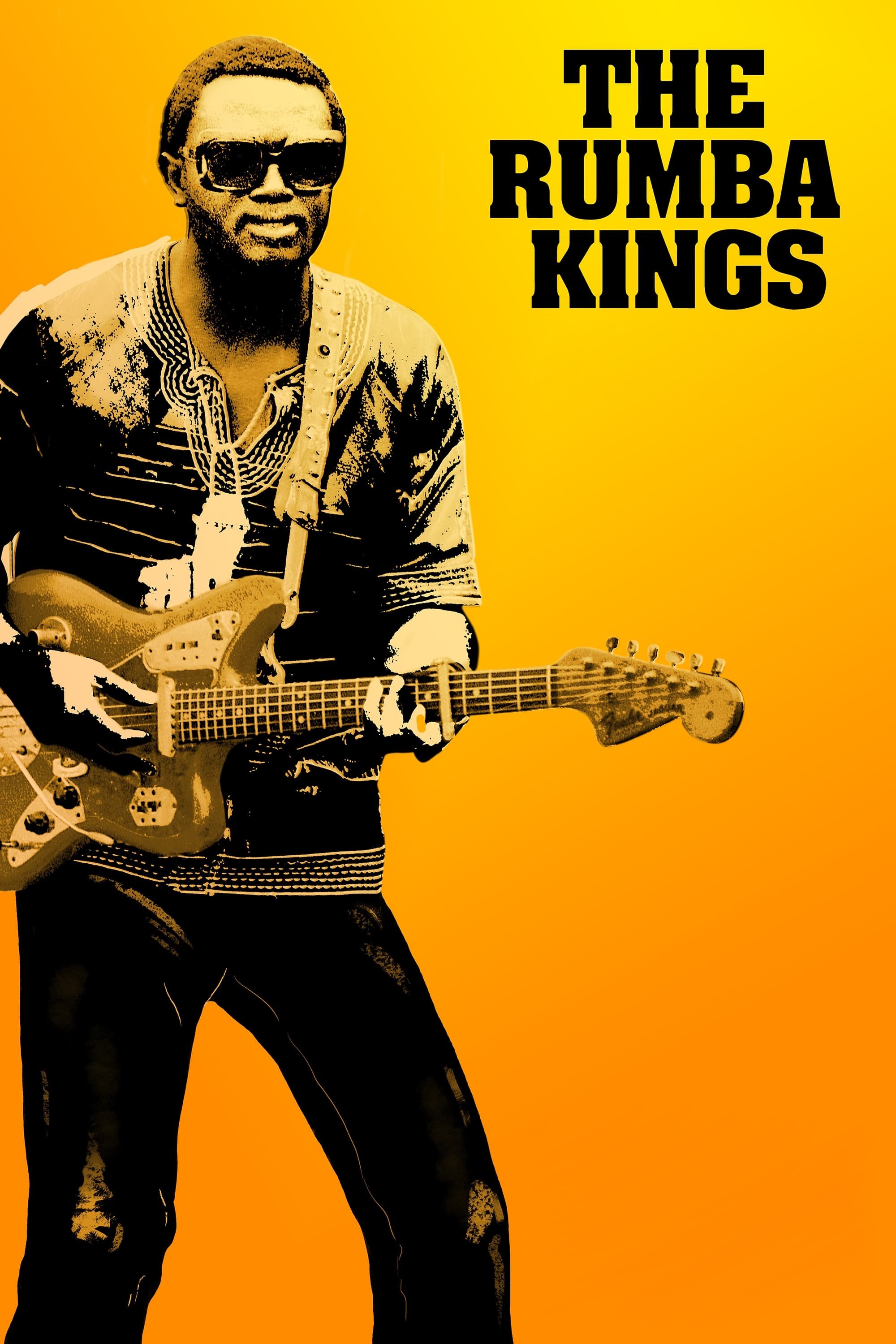
In the fifties, when the future Democratic Republic of Congo was still a Belgian colony, an entire generation of musicians fused traditional African tunes with Afro-Cuban music to create the electrifying Congolese rumba, a style that conquered the entire continent thanks to an infectious rhythm, captivating guitar sounds and smooth vocals.
"CIVIL WAR SURVEILLANCE POEMS (Part 1)" is the first installment in a five-part project of experimental and hybrid-form short films contemplating a second American civil war via lyrical nonfiction, mixing call-in radio, twenty years of verité footage from the filmmaker's archive, and robots. Conceptually speculating from sixteen years in the future (and a protracted civil war), the project is partly nostalgic political travelogue, partly a quest to mine the archive for what went wrong, and part prewar surveillance records, the project deconstructs and builds to a clashing ideology, culminating in an installation of sound sculpture, four-walled video and artifacts.
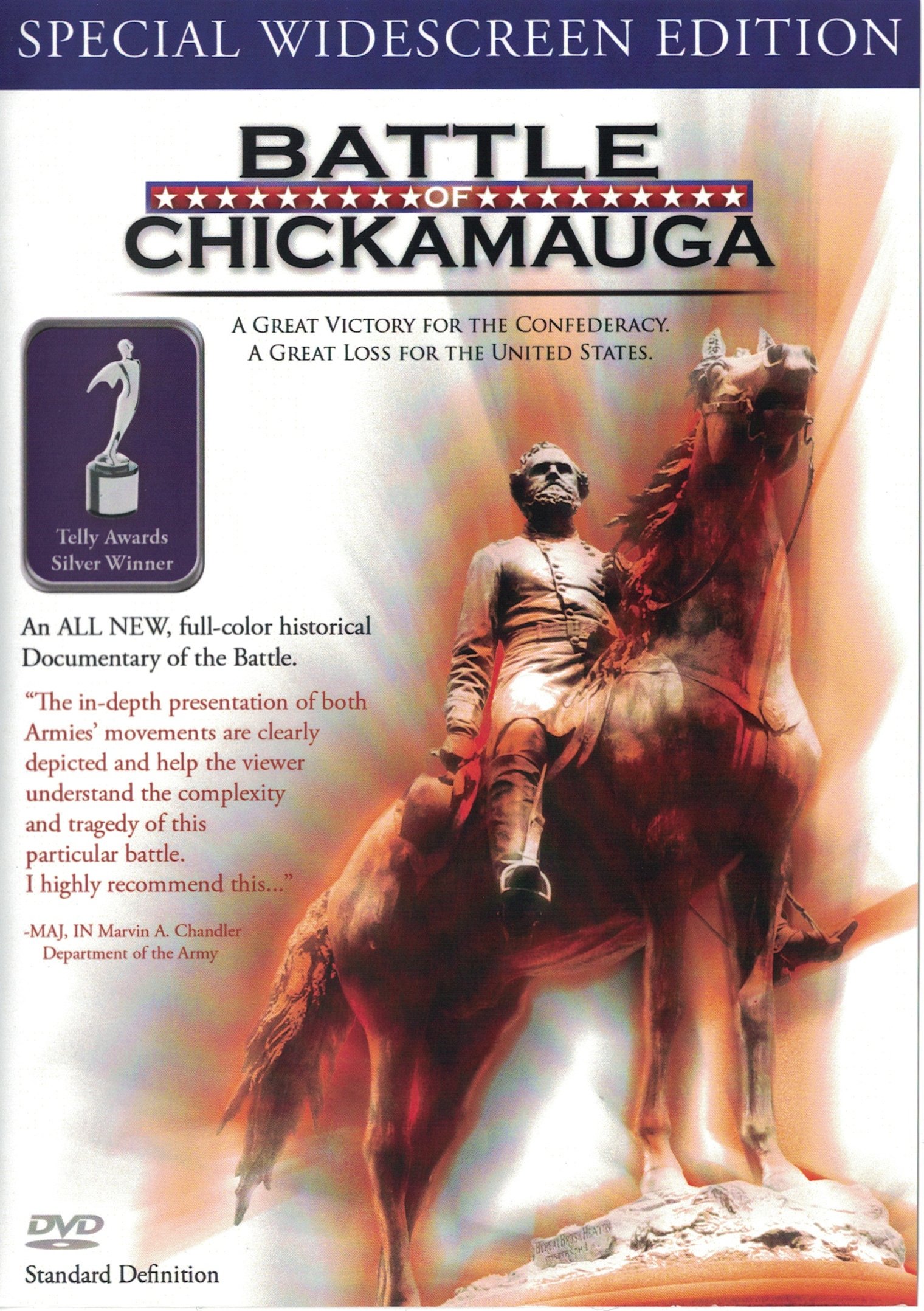
The Battle of Chickamauga proved to be one of the fiercest engagements of the American Civil War. Over a period of two days in September 1863, more than 100,000 men struggled for control of the south's most strategic transportation hub, the city of Chattanooga. Along the hills and valleys surrounding the Chickamauga Creek, over 34,000 casualties would be suffered, and the Confederate Army of Tennessee would achieve their last, great victory. Shot on location using High Definition cameras, this 70-minute documentary film dramatically recreates the battle by including more than 50 fully animated maps, period photographs, historical documents, and over 200 reenactors.
Documentary giving the background on all of the major players involved in the planning of the assassination of President Lincoln, including the investigation and aftermath.
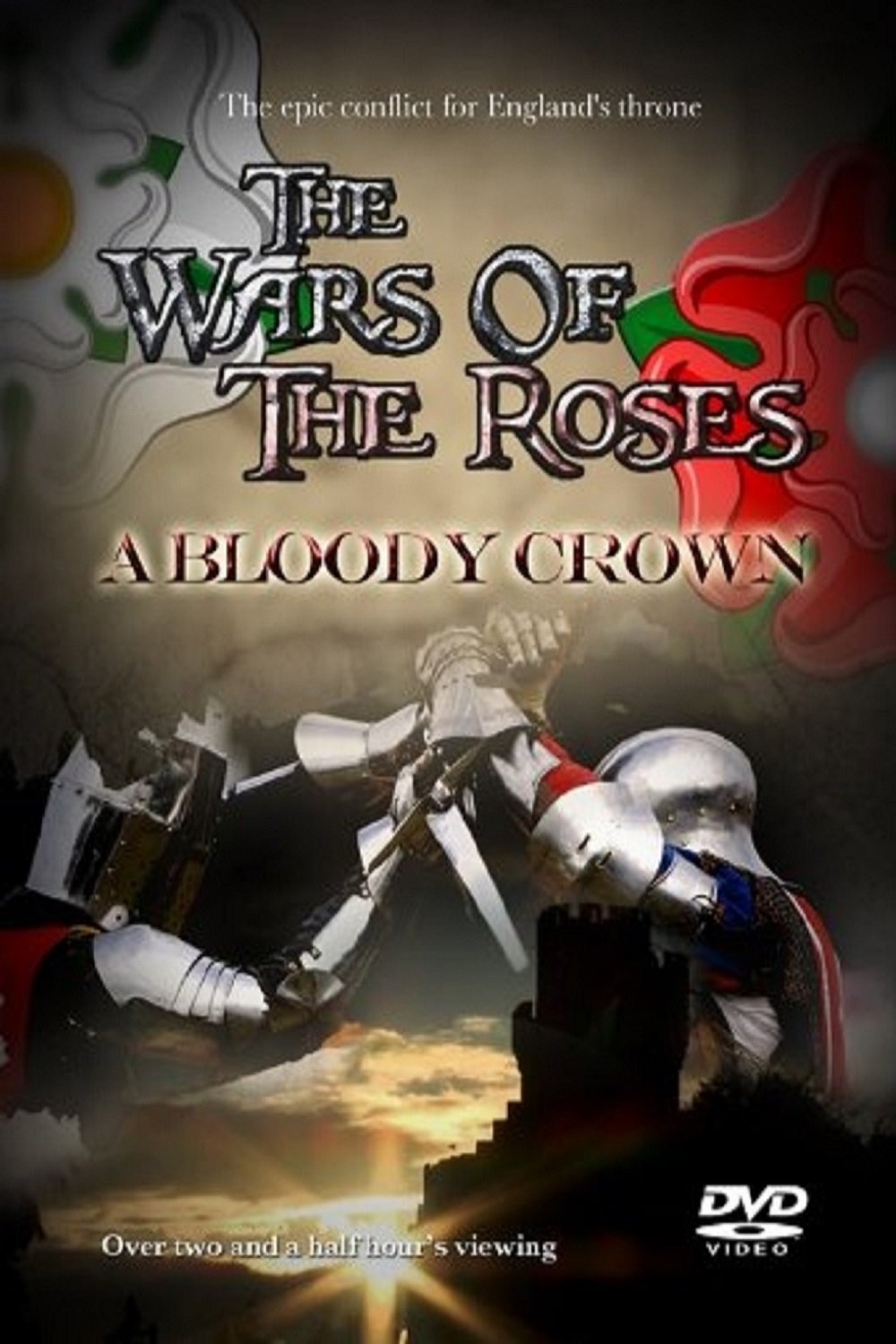
Using historically-accurate, battle-filled re-enactments and interviews with expert historians and noted authors, this two-part documentary series brings to vivid life the captivating true stories behind Britain's bloody civil wars.
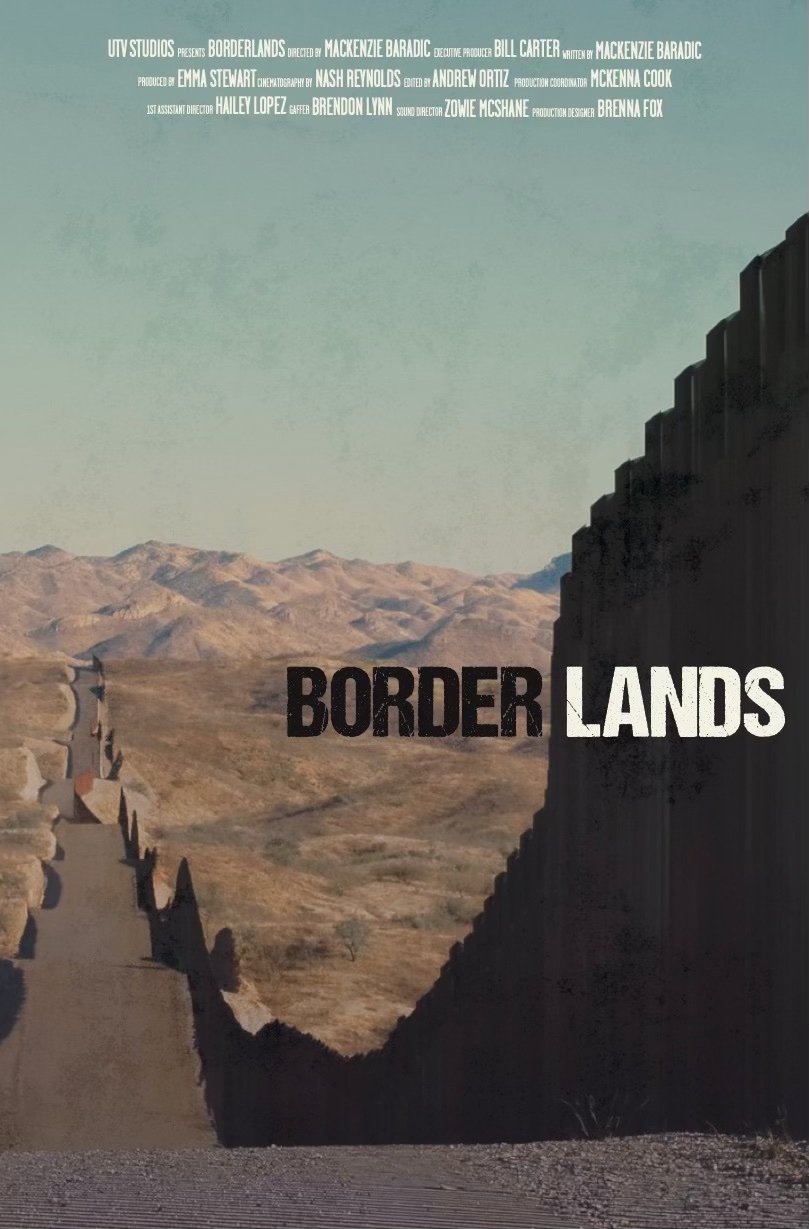
Fleeing the 1980 Civil War in El Salvador, Dora Rodriguez, among a group of twenty-five asylum seekers, were abandoned by their guide and left to fend for themselves in the relentless Sonoran desert of Arizona.
Jung is a narrative documentary that follows the human and professional adventure of its protagonists, the Afghan people in the midst of civil war.
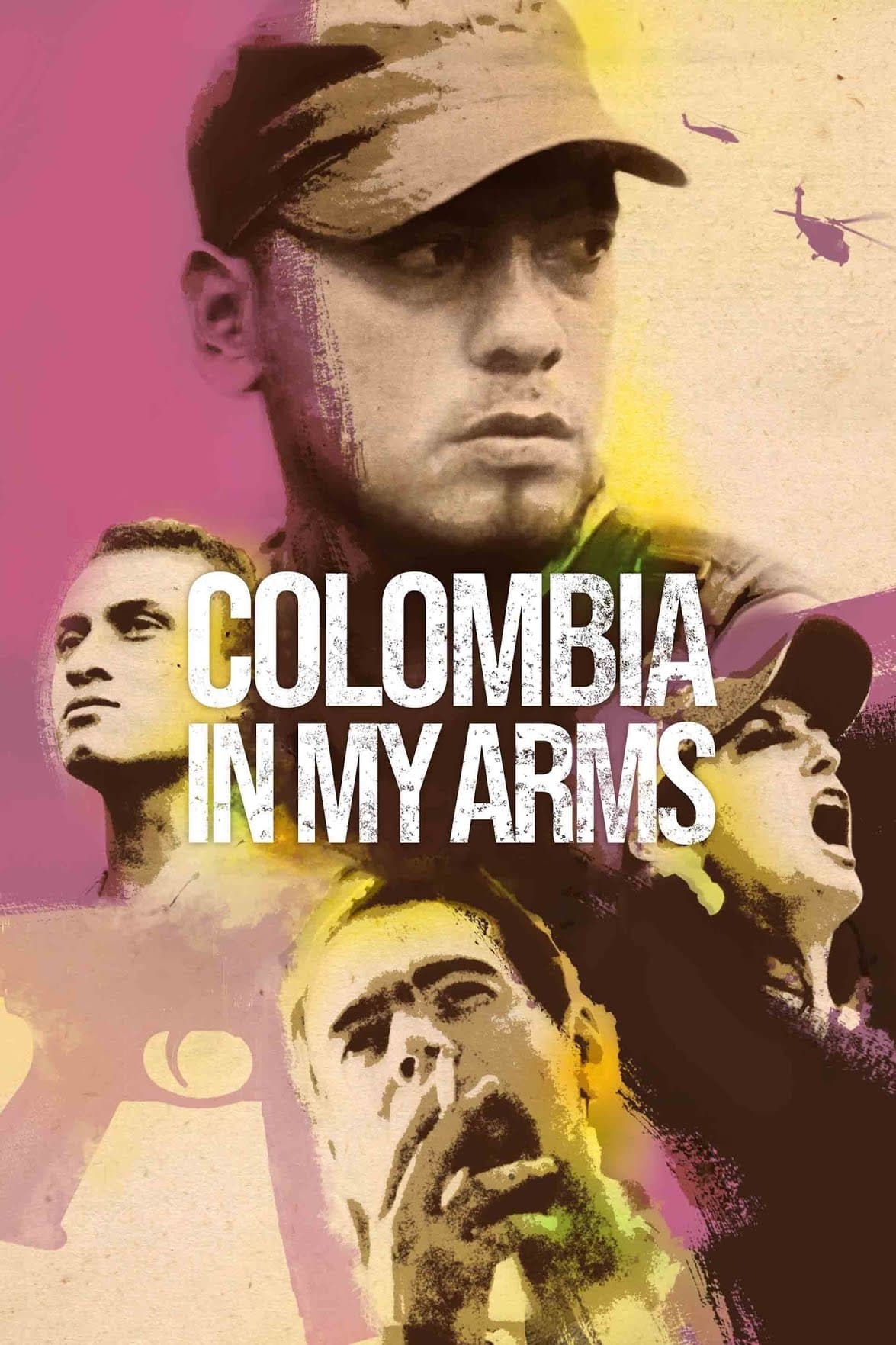
After 52 years of armed conflict the FARC guerrillas are about to hand over their arms in exchange for political participation and social inclusion of the poor. Ernesto is one of them. The much celebrated Colombian peace agreement throws Ernesto and the polarised society around him into chaos in which everyone is afraid of the future and their own survival.
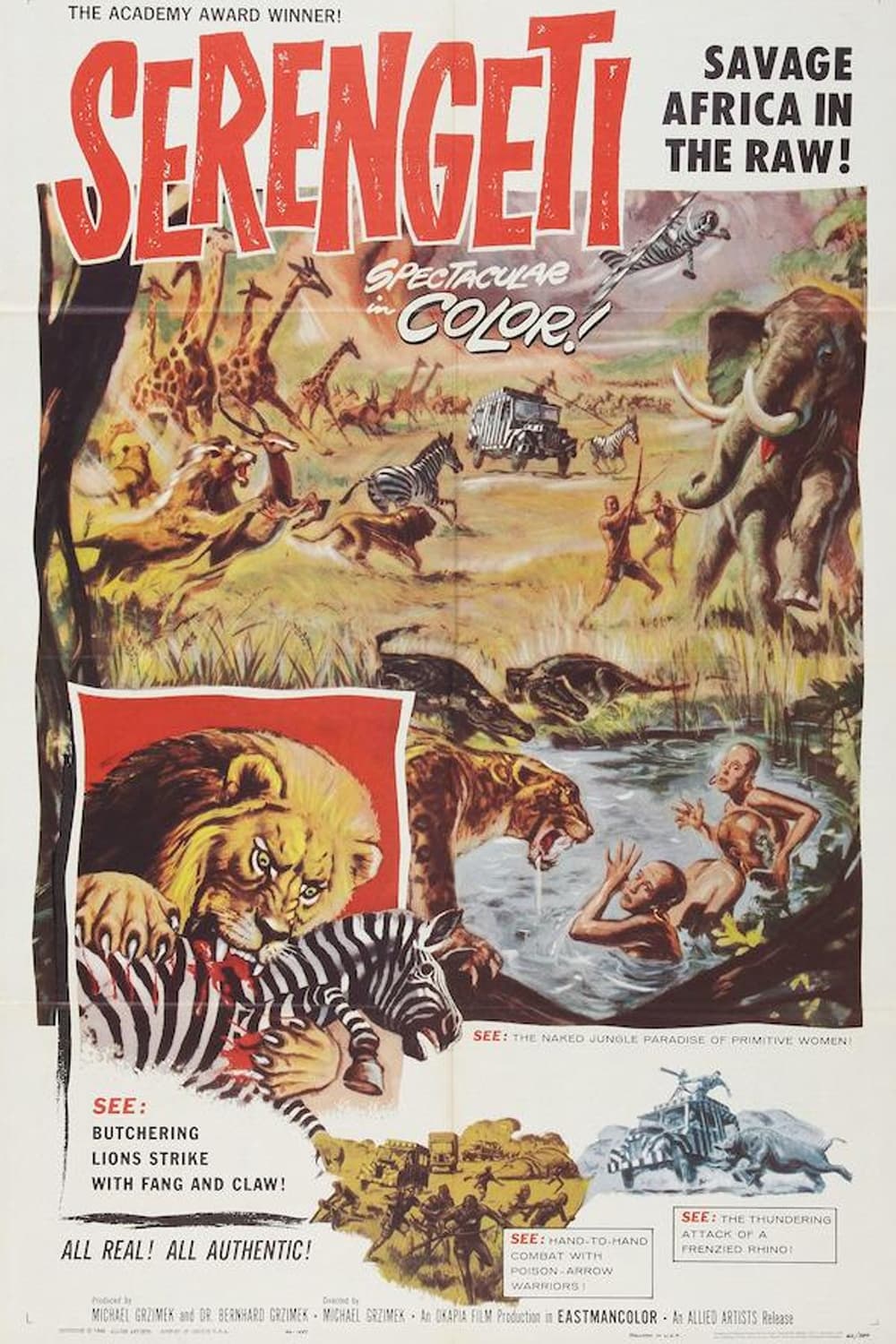
The film tells of the beginnings of the Serengeti National Park in Tanzania. At the end of the 1950s, the Tanzanian National Park Administration wanted to fence in the protected area around the Ngorongoro Crater. Bernhard and Michael Grzimek were invited by the national park administration in 1957 to get a precise picture of the animal migrations and to provide the national park administration with the values they needed for their project. Using a new counting method with two airplanes, the Grzimeks found out that the migration of the herds was different than assumed.
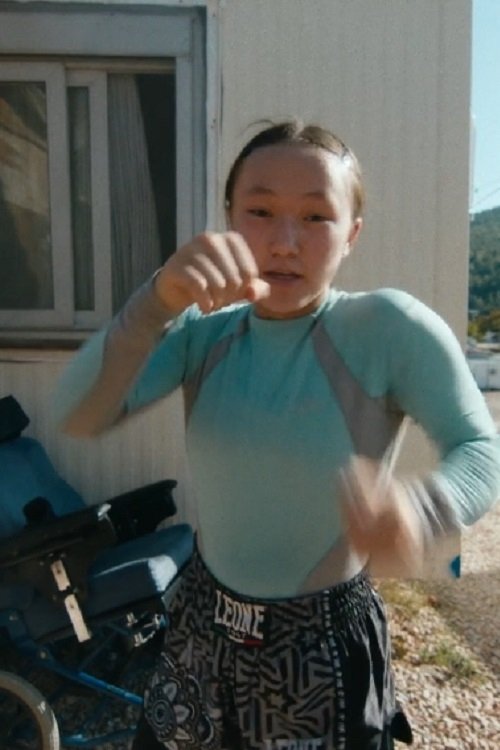
Sohaila, Zahra and Zeinab train every day. Their dream is to become professional fighters and to show the world that all people are equal. Director Lukas Tielke and his team spent a week in Malakasa refugee camp, outside Athens, getting to know these inspirational young Afghan women.
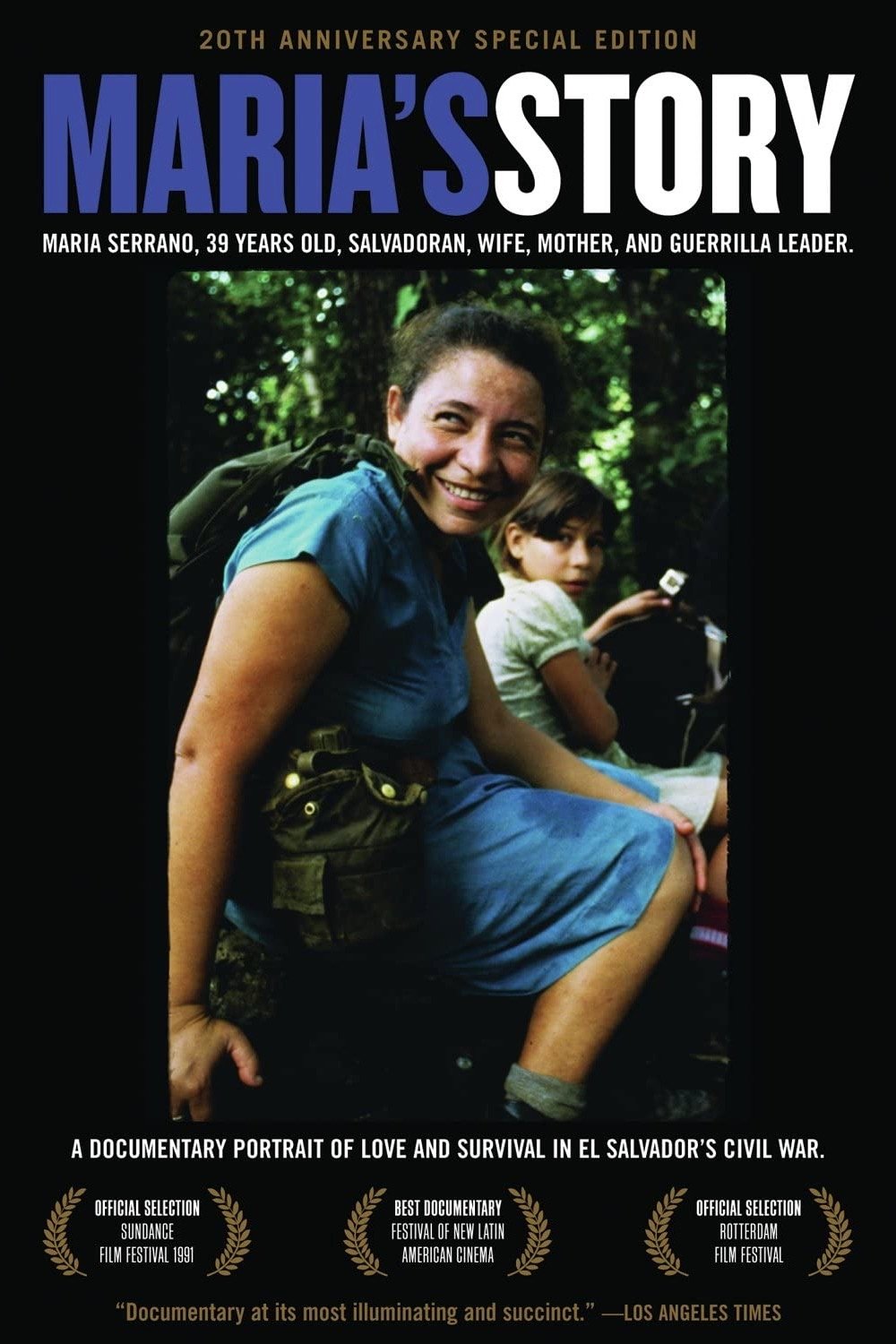
It is El Salvador, 1989, three years before the end of a brutal civil war that took 75,000 lives. Maria Serrano, wife, mother, and guerrilla leader is on the front lines of the battle for her people and her country. With unprecedented access to FMLN guerrilla camps, the filmmakers dramatically chronicle Maria's daily life in the war.
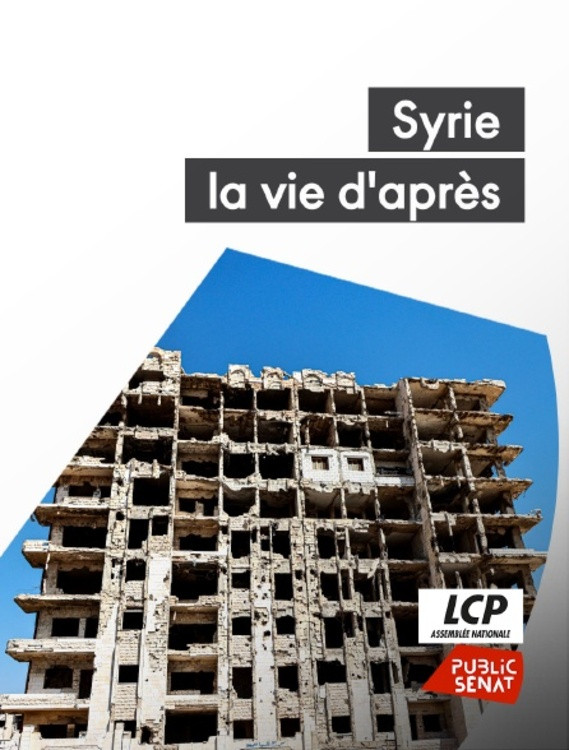
After twelve years in exile, Syrian journalist and filmmaker Daham Alasaad returns to Homs, devastated by the war in Syria. Once the city of his childhood, it is now a relic of an authoritarian regime, where different communities (Sunnis, Christians, Alawites) are trying to rebuild their lives together after terrible years of division and destruction. Thanks to Daham Alasaad's close relationship with the city's inhabitants, the director highlights some very moving characters, torn between grief, fear, the need for justice, and the desire for peace and reconciliation. By opening up naturally to the camera, they allow viewers to experience what Syrians of all backgrounds are going through today. "Homs-Syria, Life After" is a personal and political investigation into the ability of this symbolic city to rebuild hope on the ruins of a Syria ravaged by more than fifteen years of war and facing an uncertain future.
Denese Joy Becker, a manicurist living in Iowa, discovers she is indeed Dominga Sic Ruiz, a survivor from a 1982 Guatemalan massacre, when more than 200 people were killed in the small village of Rio Negro, after opposing the construction of a dam, sponsored by World Bank. She then tries to unveil the truth.
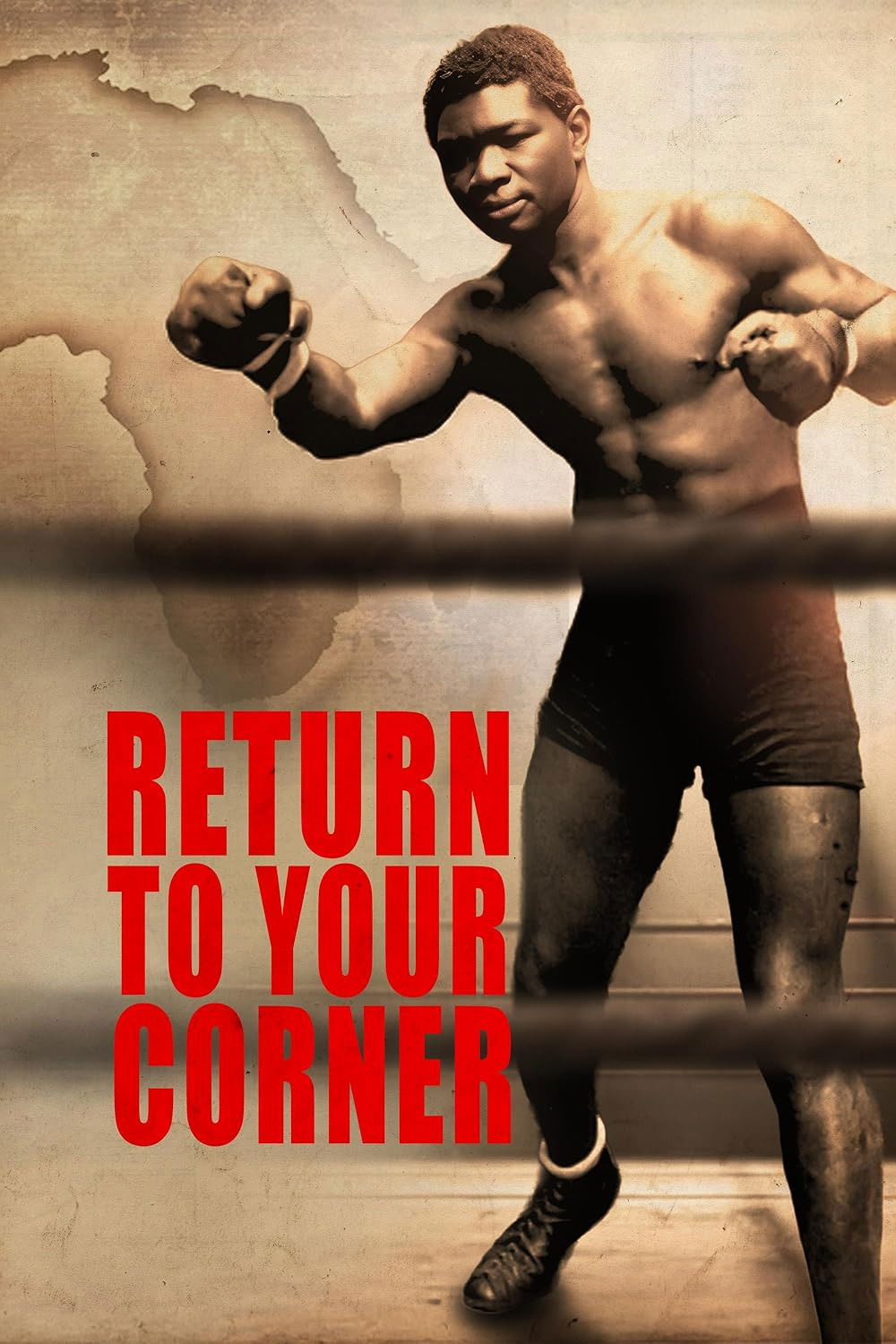
This is the story of Africa's first Boxing World Champion, Battling Siki. Who was this boxer born in Senegal, decorated for Bravery in World War I? Why do so few know that he fought and won the World Light Heavyweight Title aged 25, only to lose it controversially six months later? And why was his life cut short on a New York Street aged 28?
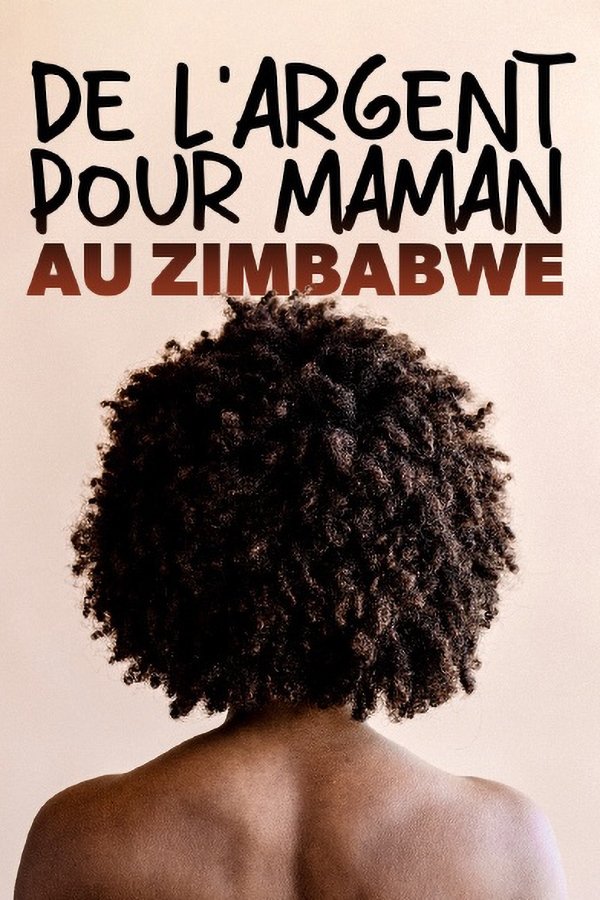
Many Zimbabweans have fled their economically stricken country, but they do send a lot of money home: in 2021 remittances totaled more than a billion dollars. One such migrant is Frank, who has emigrated to Cape Town. His brother Miles and sister Portia live in the UK, one in London, the other in Luton. His other sister still lives in Zimbabwe, but their mother MaMlilo thinks that she should also emigrate.
A history of racialism in Rwanda, from the European colonization to the 1994 genocide.
A documentary on the expletive's origin, why it offends some people so deeply, and what can be gained from its use.
A visual montage portrait of our contemporary world dominated by globalized technology and violence.
Through deeply personal interviews with her siblings and an examination of the photographs, letters, and belongings left behind, Mariska assembles a new portrait of her mother Jayne Mansfield, an extraordinary and complex woman.
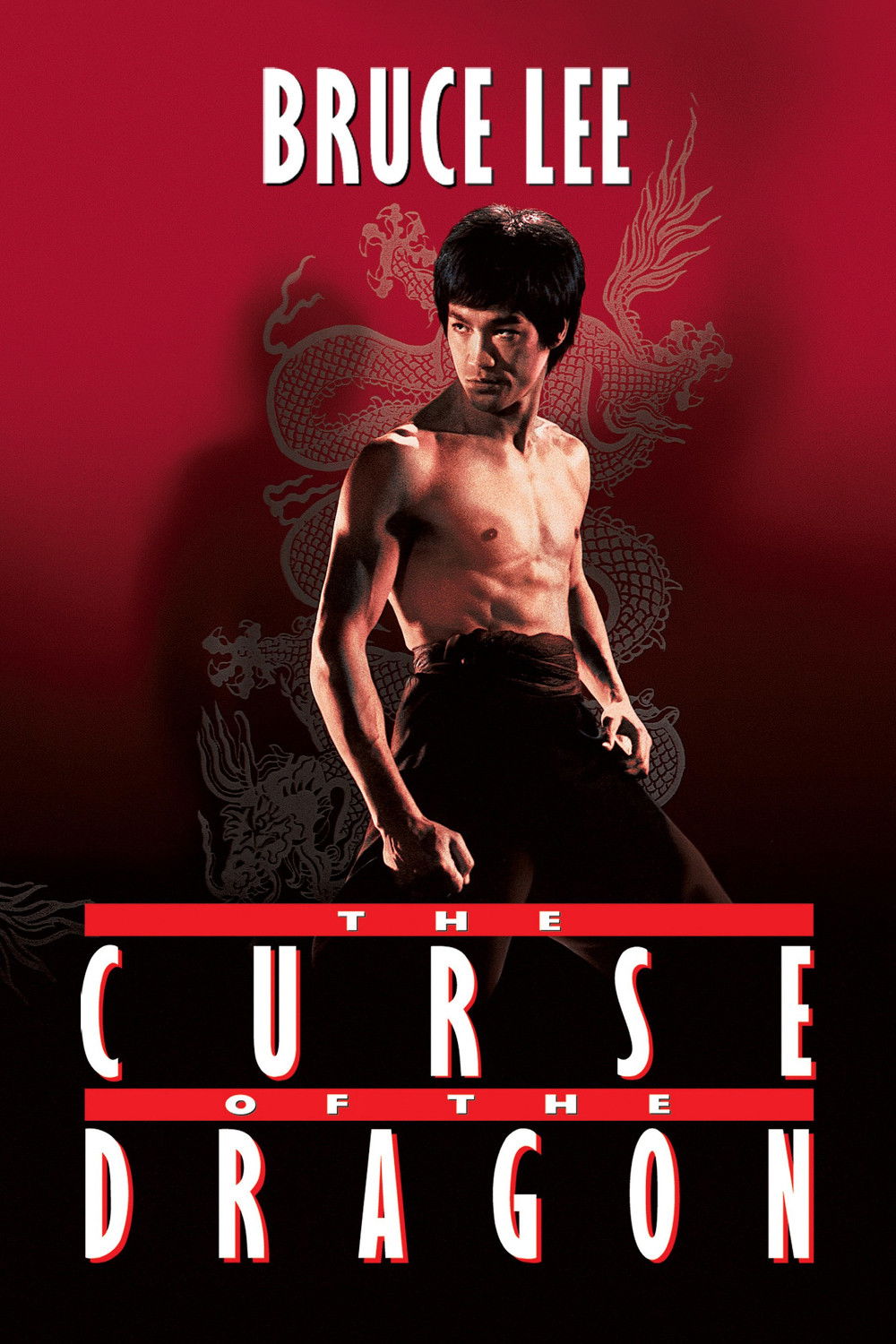
A 1993 documentary film about Bruce Lee. The film includes interviews from some of his fellow students and opponents who worked alongside him in his movies.
A documentary about the life and films of director John Ford.
A look at the origins, history and conspiracies behind the "Majestic 12", a clandestine group of military and corporate figureheads charged with reverse-engineering extraterrestrial technology.
In an intimate and joyful story of love in the face of loss, celebrated poets Andrea Gibson and Megan Falley find strength—and unexpected hilarity—in what might be their final year together.
When Allied forces liberated the Nazi concentration camps in 1944-45, their terrible discoveries were recorded by army and newsreel cameramen, revealing for the first time the full horror of what had happened. Making use of British, Soviet and American footage, the Ministry of Information’s Sidney Bernstein (later founder of Granada Television) aimed to create a documentary that would provide lasting, undeniable evidence of the Nazis’ unspeakable crimes. He commissioned a wealth of British talent, including editor Stewart McAllister, writer and future cabinet minister Richard Crossman – and, as treatment advisor, his friend Alfred Hitchcock. Yet, despite initial support from the British and US Governments, the film was shelved, and only now, 70 years on, has it been restored and completed by Imperial War Museums under its original title "German Concentration Camps Factual Survey".
Using the book 'Fragments', which collects Marilyn Monroe's poems, notes and letters, and with participation from the Arthur Miller and Truman Capote estates who have contributed more material, each of the actresses will embody the legend at various stages in her life.
Brilliant, long in-the-works story of the life and art of the world's greatest comedian and the cinema's first genius, Charlie Chaplin. Produced, written and directed by renowned film critic Richard Schickel.
A string of threatening emails escalates into a revenge plot involving a newly married US marshal and his ex-girlfriend.
An inside look at one of the most anticipated movie sequels ever with James Cameron and cast.
This revealing documentary honors the legendary Sidney Poitier—iconic actor, filmmaker, and civil rights activist. Featuring interviews with Denzel Washington, Spike Lee, Halle Berry, and more.
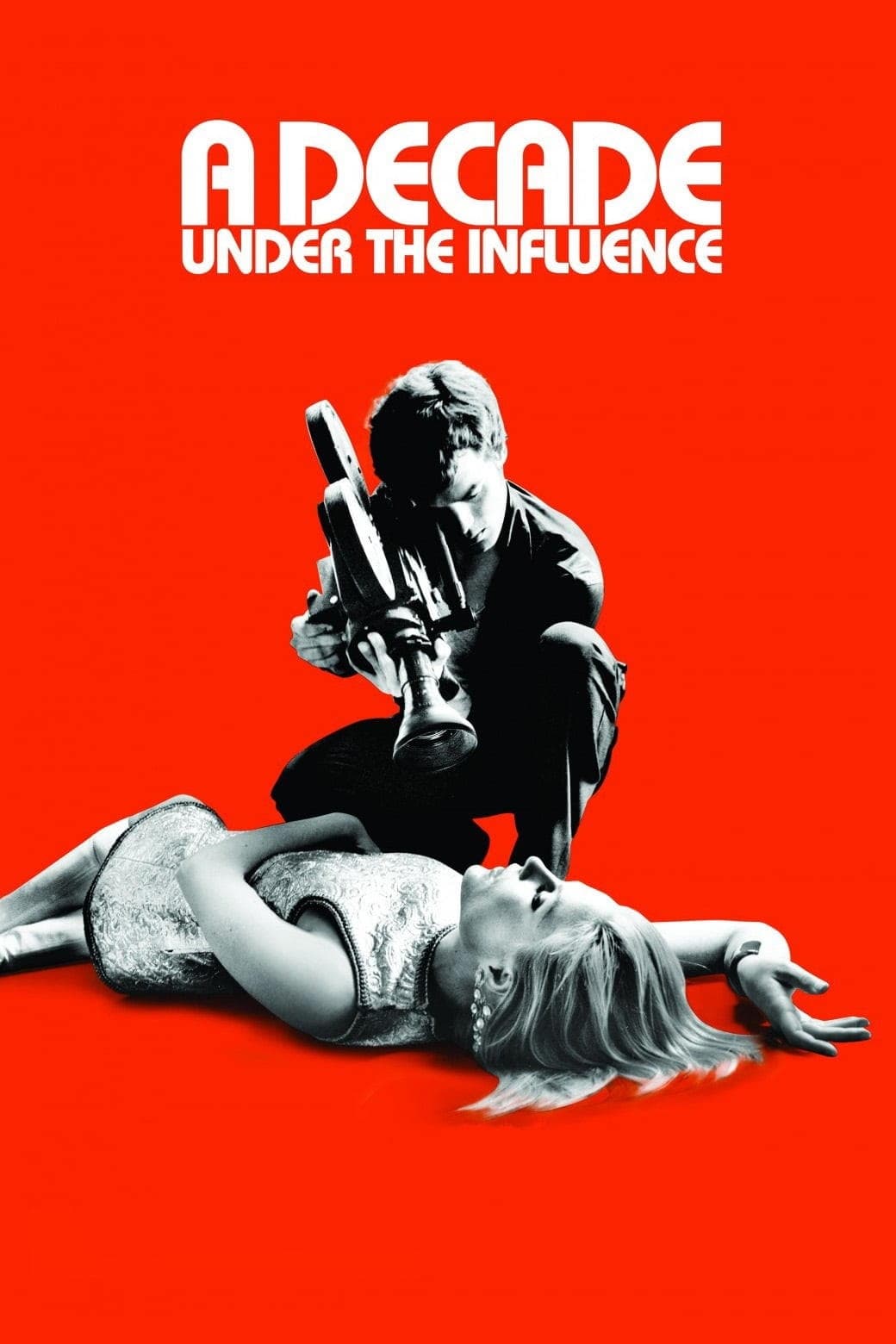
A documentary examining the decade of the 1970s as a turning point in American cinema. Some of today's best filmmakers interview the influential directors of that time.
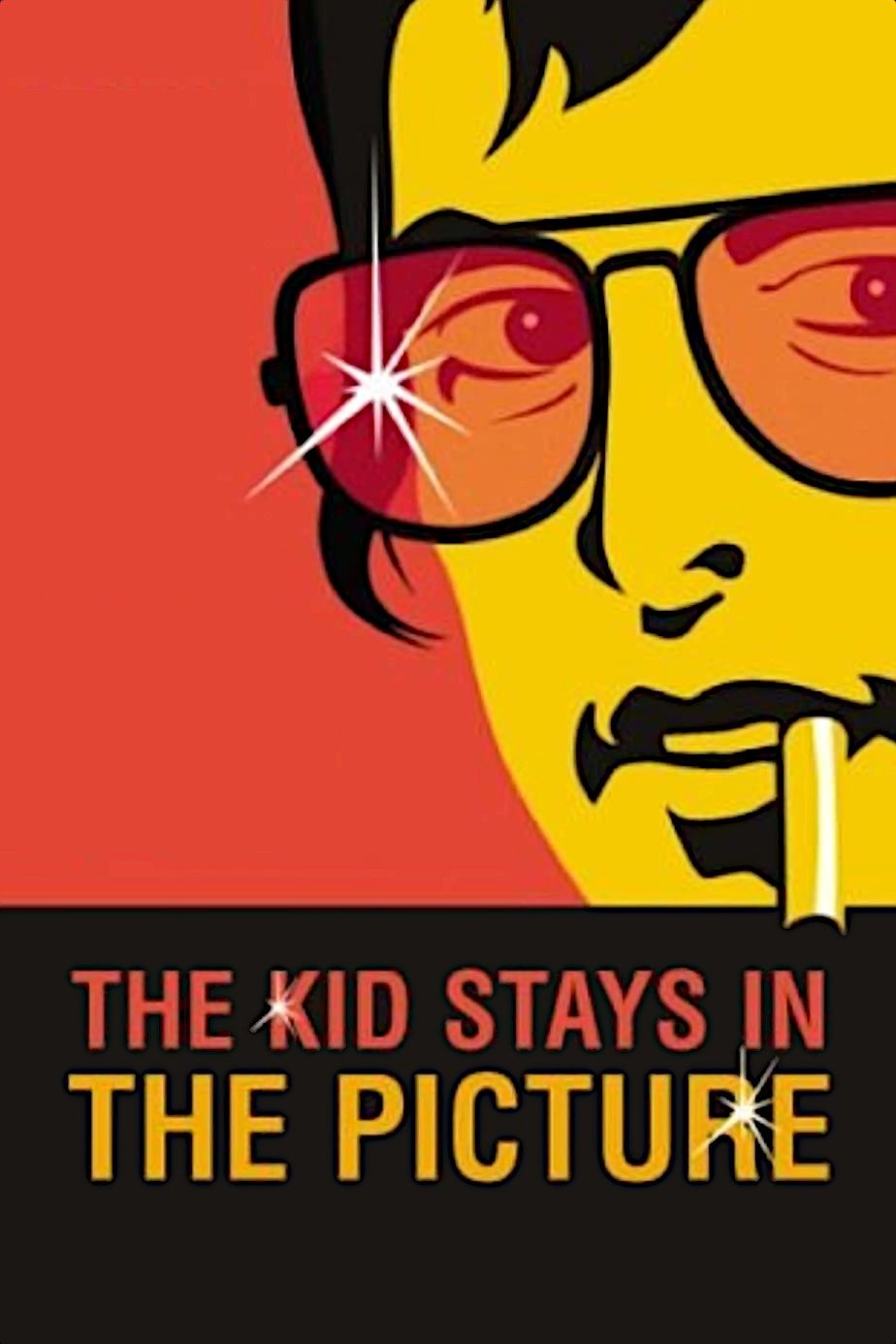
Documentary about legendary Paramount producer Robert Evans, based on his famous 1994 autobiography.
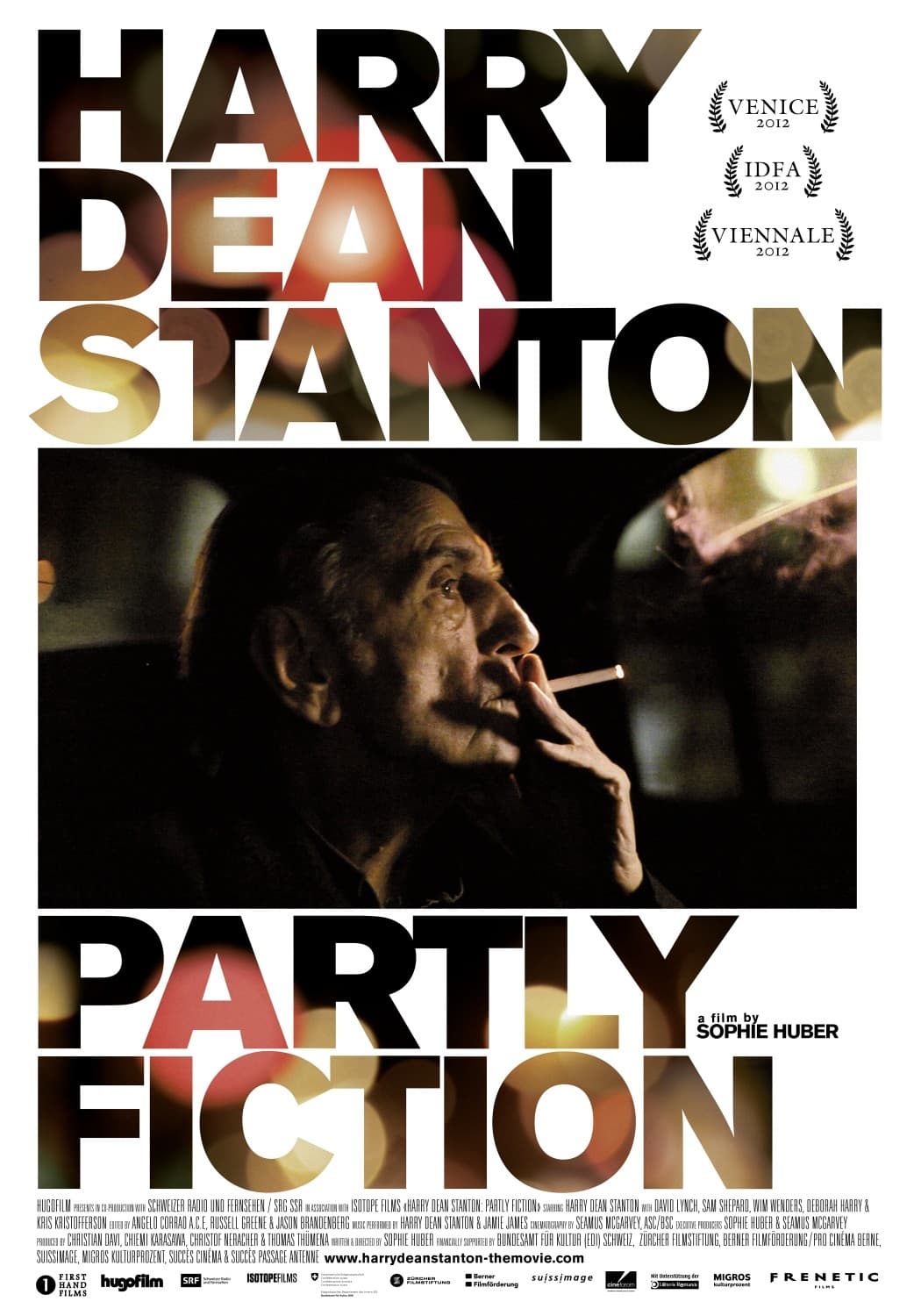
An impressionistic portrait of the iconic actor Harry Dean Stanton comprised of intimate moments, film clips from some of his 250 films and his renditions of American folk songs.
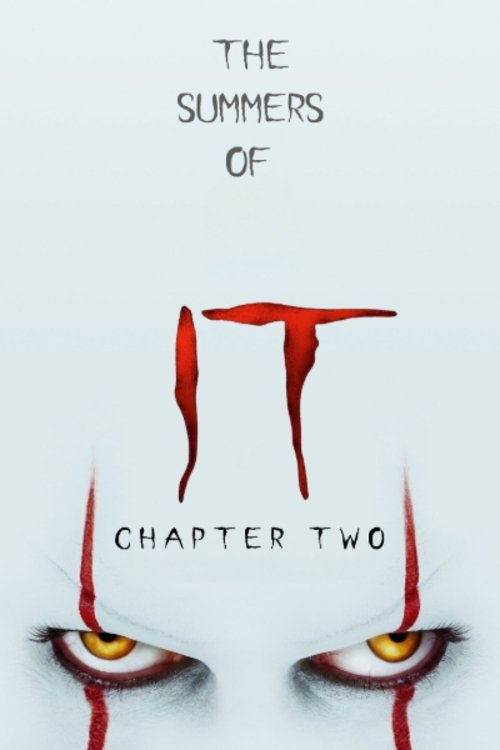
This documentary focuses on the actors and their journey over two summers to create the remake to the original IT, by Stephen King. The documentary originally released as bonus material, bundled with IT: Chapter Two.
From the heights of her modeling fame to her tragic death, this documentary reveals Anna Nicole Smith through the eyes of the people closest to her.
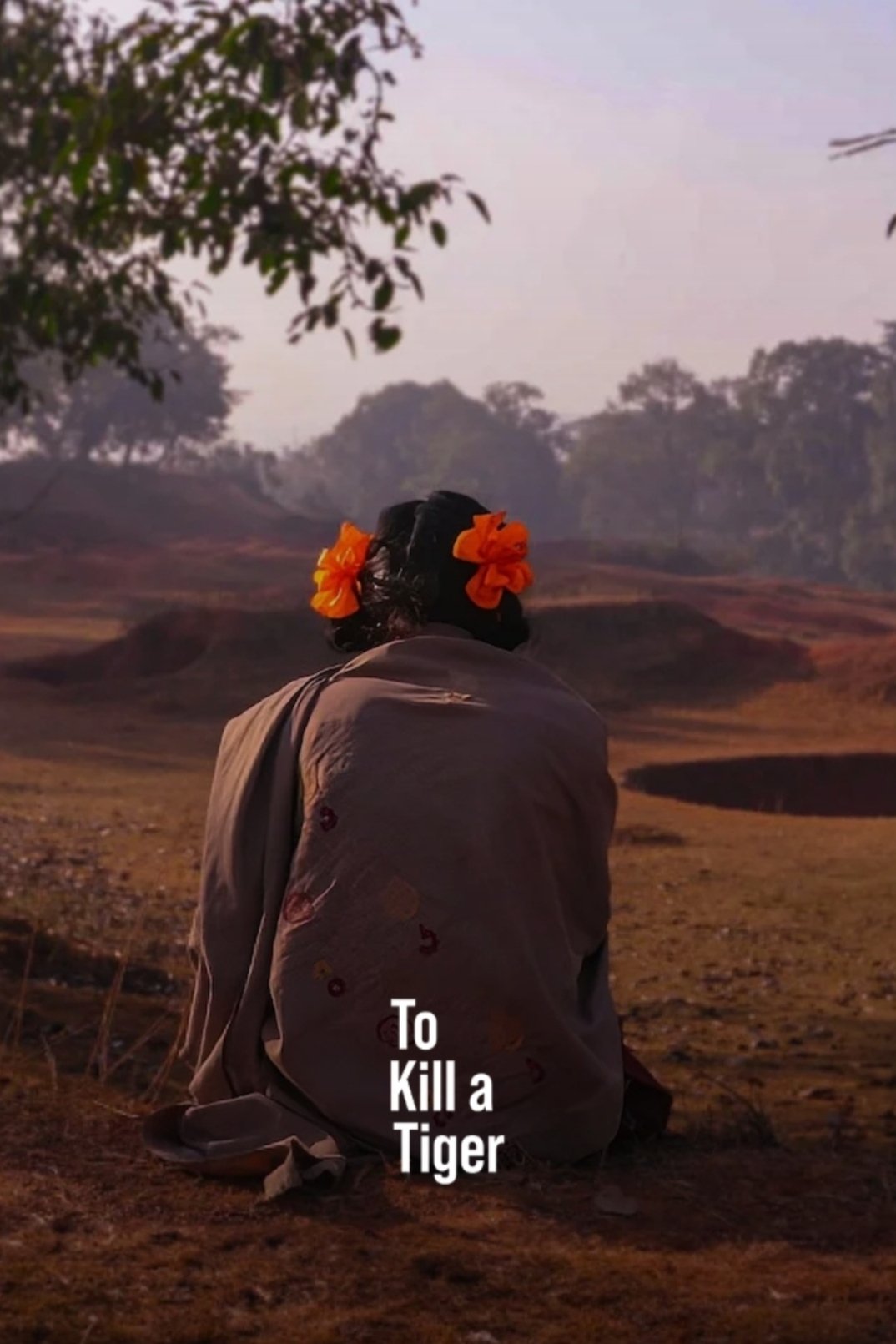
Ranjit, a farmer in India, takes on the fight of his life when he demands justice for his 13-year-old daughter, the victim of a brutal gang rape. His decision to support his daughter is virtually unheard of, and his journey unprecedented.
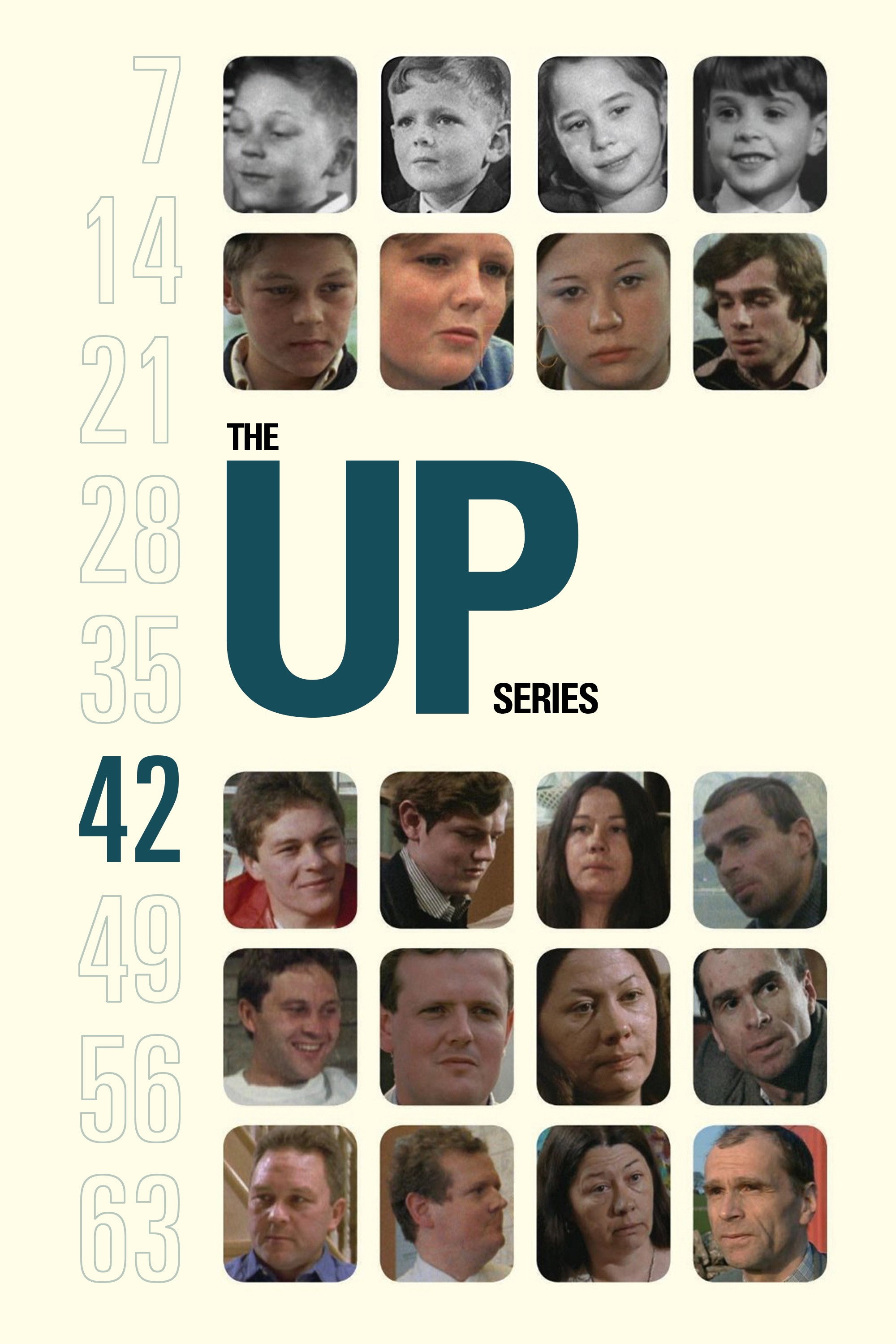
Director Michael Apted revisits the same group of British-born adults after a 7 year wait. The subjects are interviewed as to the changes that have occurred in their lives during the last seven years.