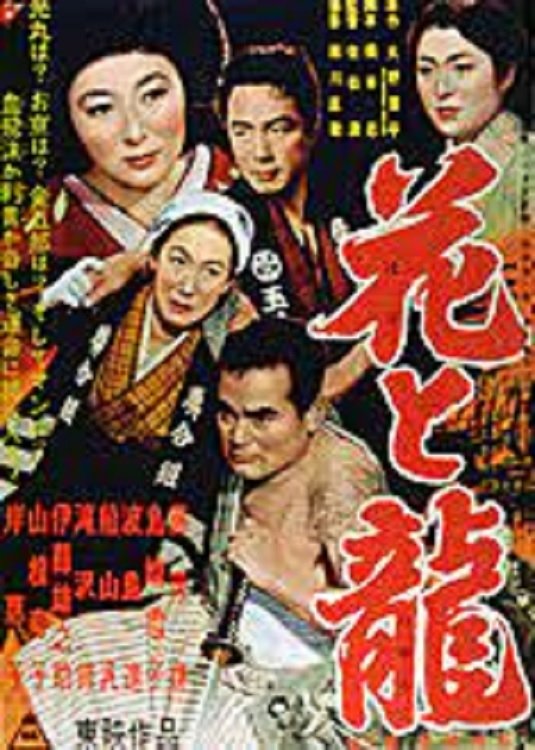
Dai-ni-bu: Aijô ruten: Kiyoshi Saeki directed movie
Social & External
The people behind it
Susumu Fujita
Kingorô Tamai
Takashi Kanda
Yasugorô Inoue
Takamaru Sasaki
Kizô Tomoda
Reizaburo Yamamoto
Yasushi Nagata
Setsurin Harada
Osamu Takizawa
Keiko Kishi
Hisako Yamane
Yūnosuke Itō
Hiroshi Funayama
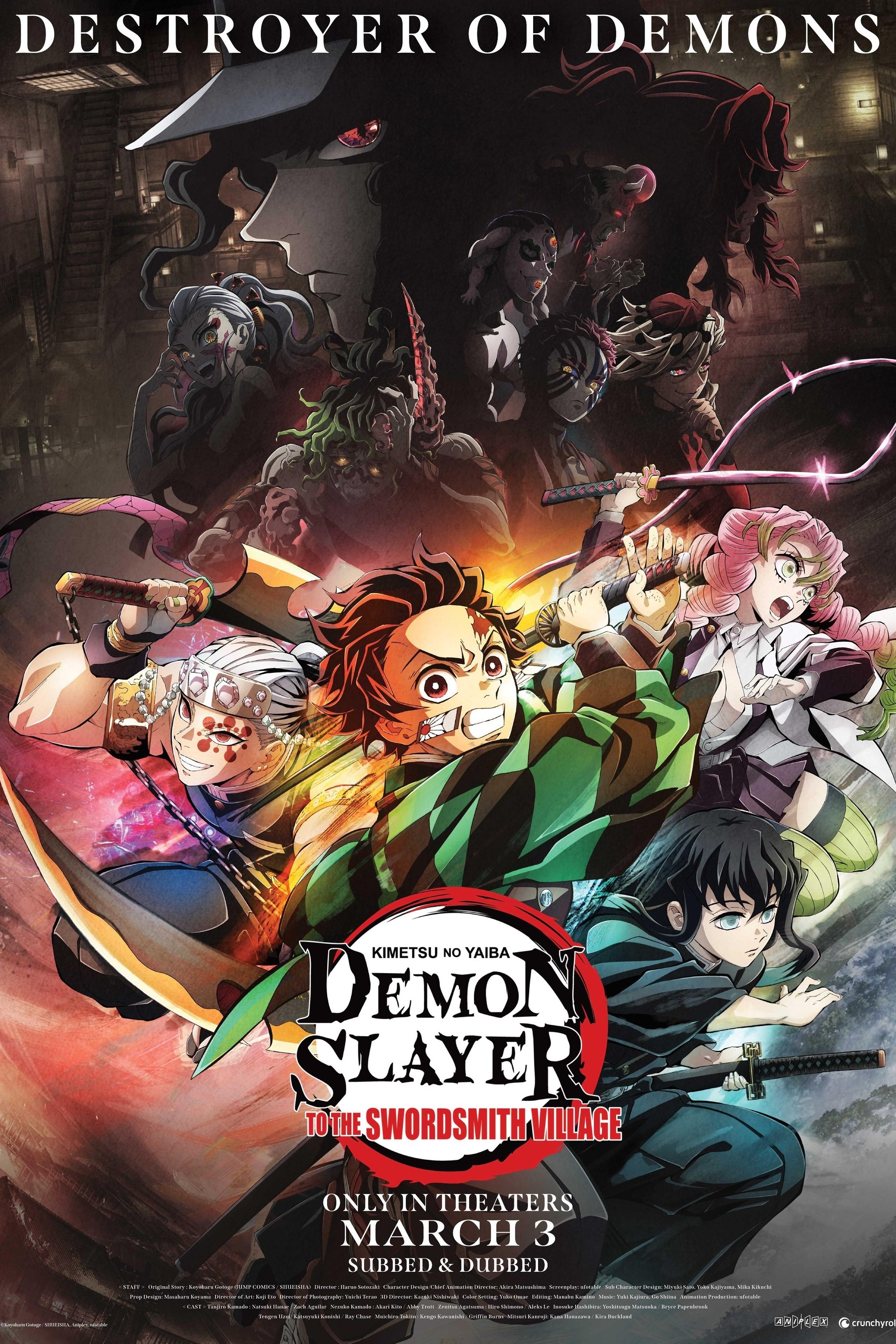
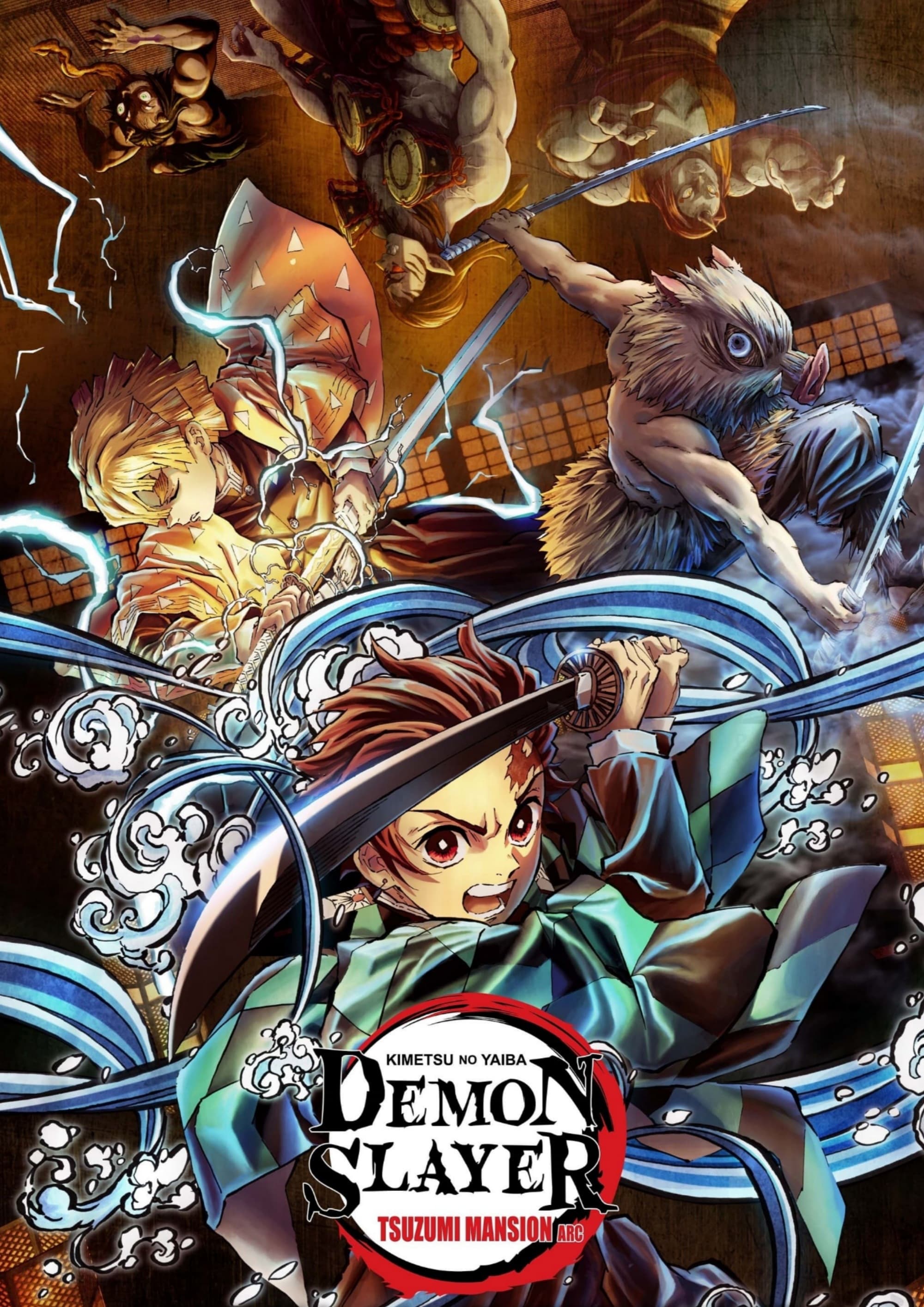
Tanjiro Kamado, joined with Inosuke Hashibira, a boy raised by boars who wears a boar's head, and Zenitsu Agatsuma, a scared boy who reveals his true power when he sleeps, boards the Infinity Train on a new mission with the Fire Hashira, Kyojuro Rengoku, to defeat a demon who has been tormenting the people and killing the demon slayers who oppose it!
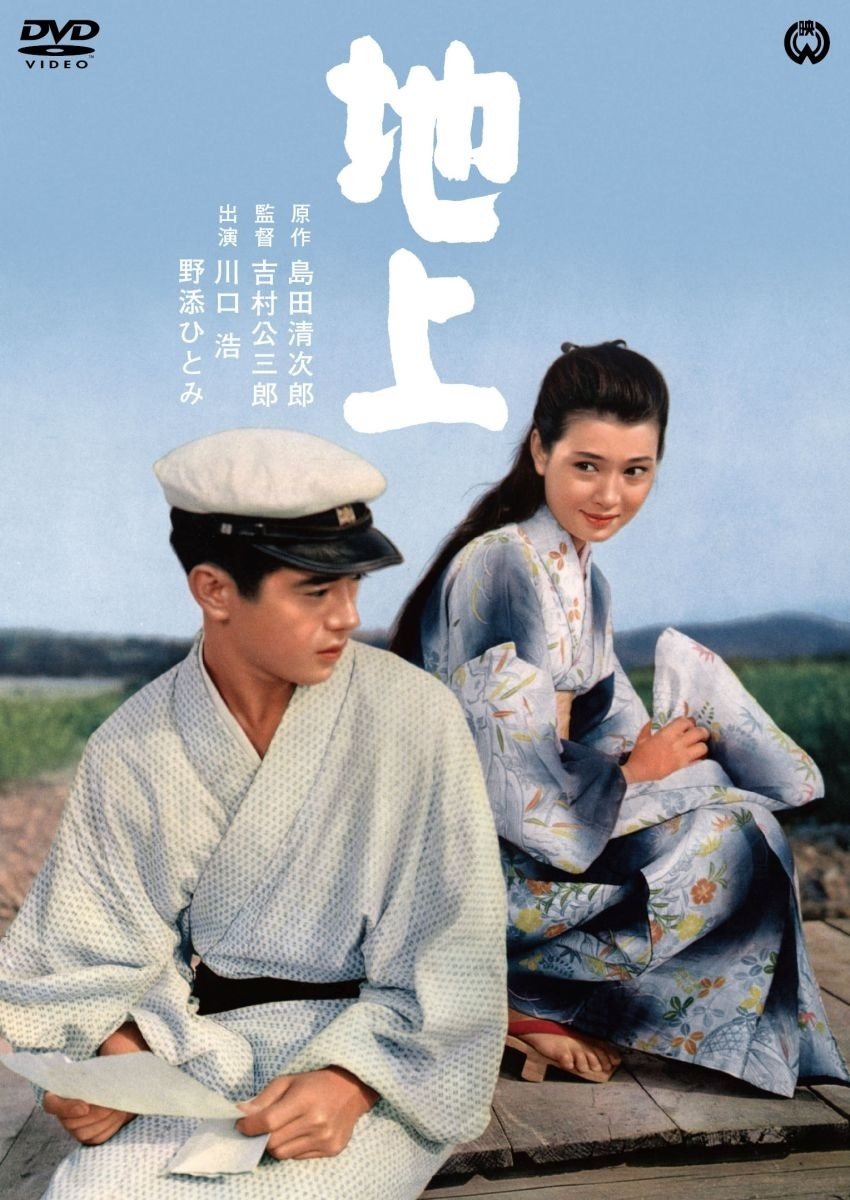
Ichiro’s family used to be a large landowner, but now he is living in poverty with his mother. His mother works hard to get her son through school. Under such circumstances, Ichiro meets Wakako, the daughter of a wealthy man, and they fall in love with each other, but they are opposed by those around them because of their different social status.
During the Taisho era of 1918, 17-year-old Benio Hanamura thrives on bucking tradition. As a boisterous and quarrelsome tomboy, Miss Hanamura leads a life of kendo and tree-climbing adventure with her best friends Tamaki and Ranmaru. Benio determines to find love on her own, though her family has other plans. Benio will encounter tests of love, independence, and friendship during wartime.
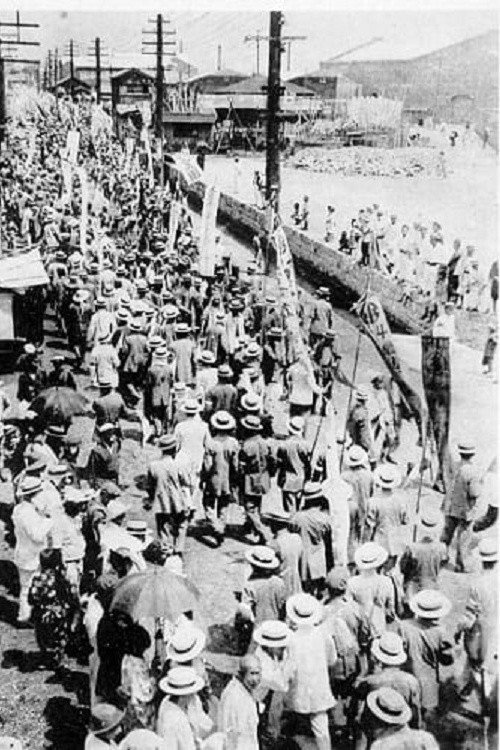
In the summer of 1921 (Taisho 10), a major labour dispute broke out at the Kawasaki-Mitsubishi shipyard in Kobe. The Kawasaki-Mitsubishi dispute is said to be the largest labour dispute in the pre-war period, with an unprecedented scale of 30,000 participants. The dispute, which had been fiercely fought for more than 40 days under the scorching sun, ended with the declaration of defeat by the workers. This live-action film, only nine minutes long and silent, provides a glimpse into the grand demonstration on July 10th, when the dispute was at its peak. Filming was done by the Nikkatsu film crew at the request of the Ohara Institute for Social Research.
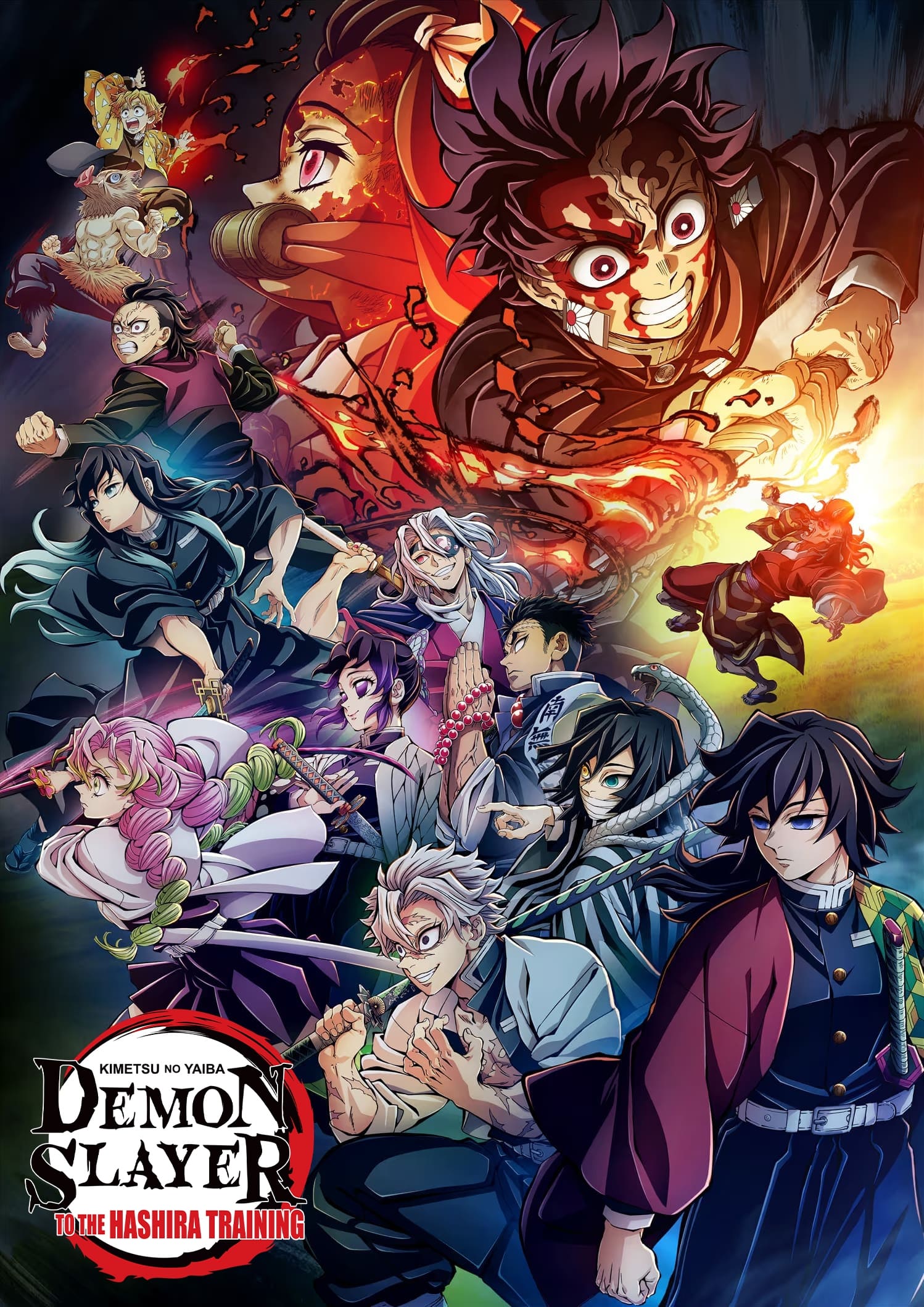
Tanjiro undergoes rigorous training with the Stone Hashira, Himejima, in his quest to become a Hashira. Meanwhile, Muzan continues to search for Nezuko and Ubuyashiki. A recap of Kimetsu no Yaiba episodes 55–56, with new footage and special end credits.
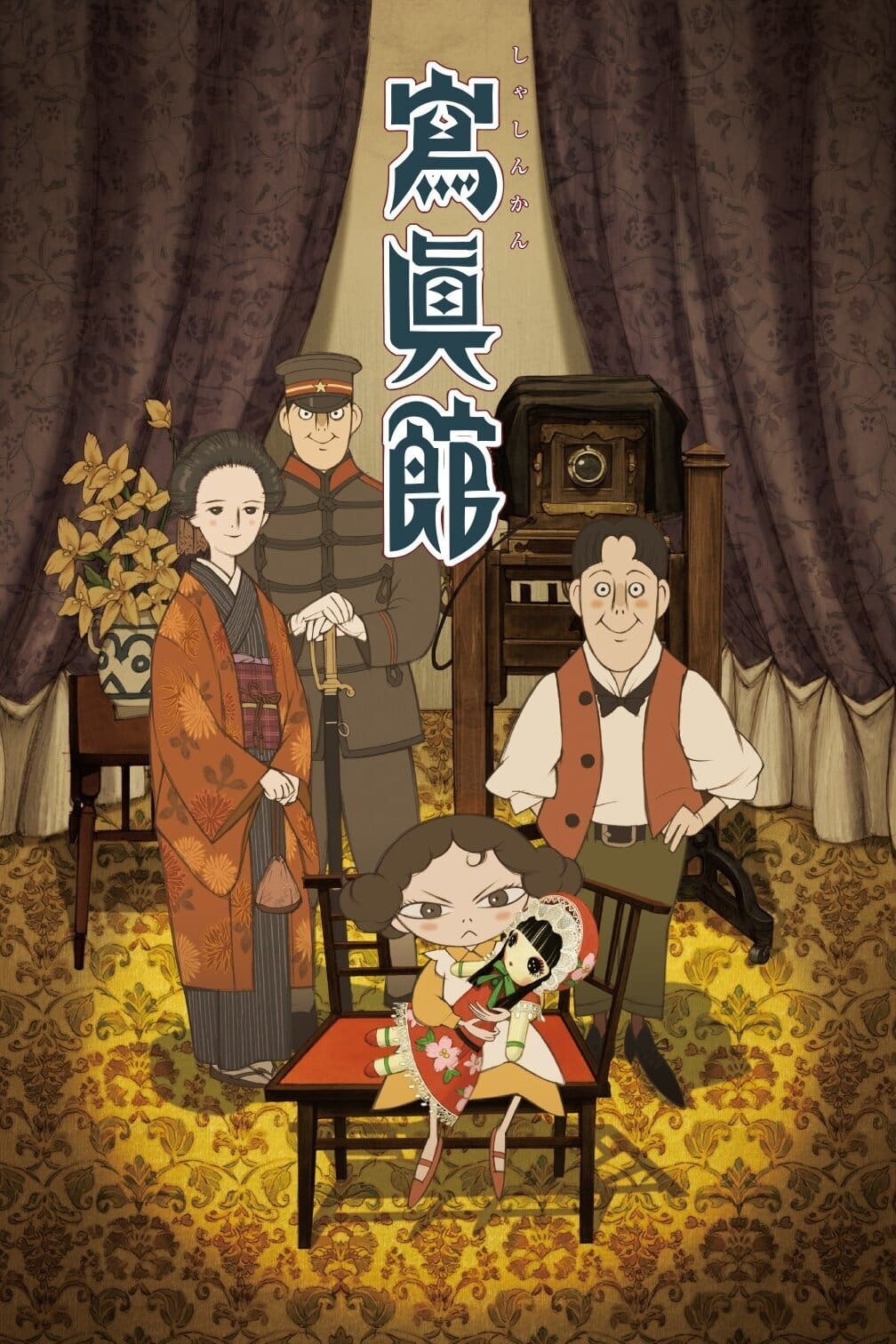
Late 19th century Japan: a studio photographer who always captures his clients’ best smile. One day he tries to coax a smile out of a little girl, but… A nostalgic tale of a relationship that transcends wars and disasters.
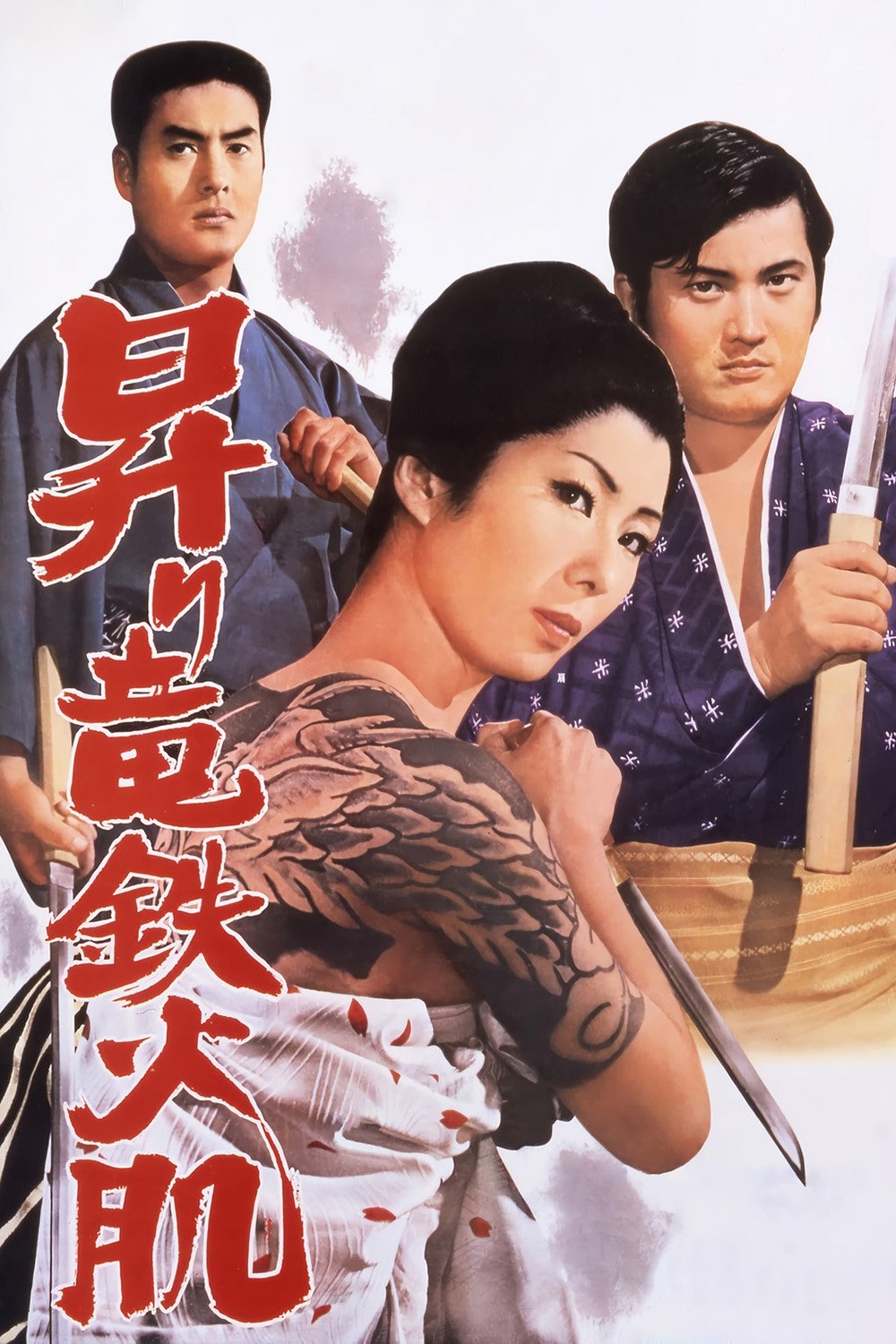
Japanese crime film
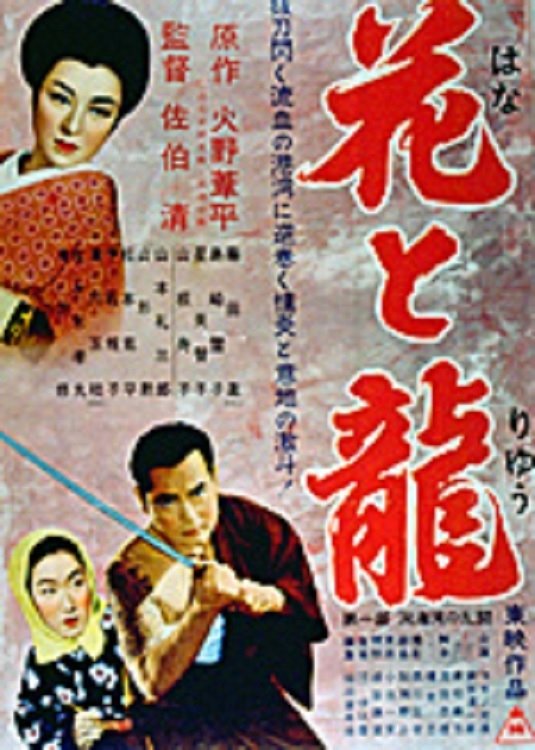
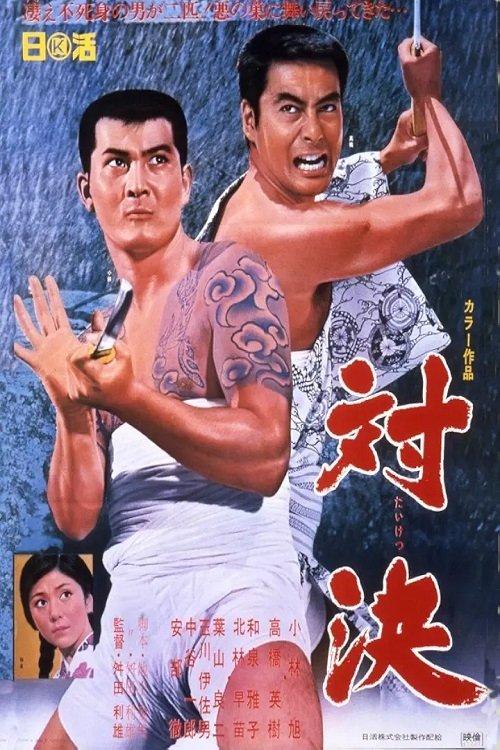
Dai-ichi-bu: Dôkai-wan no rantô - Kiyoshi Saeki directed movie.
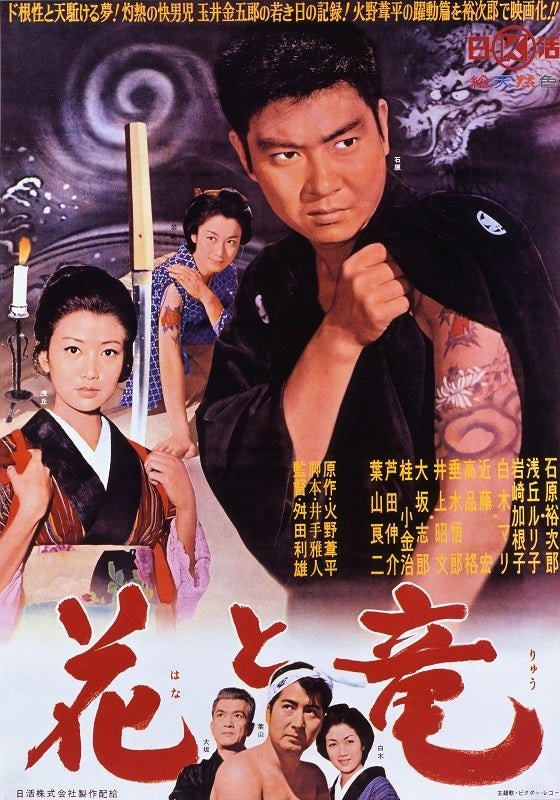
In the late 1890s, coal is a precious new natural resource. During an era of rapid economic growth, dreams are instilled into the lives of many across Japan. A vigorous young man with a look of fearless determination, sets foot on the northern part of Kyushu, an area where Yakuza thrived. His name is Kingoro Tamai (Yujiro Ishihara). With plans to travel the world, Kingoro worked diligently at a coal mine. His loyalty and hard work earned the respect of his peers, his courage won the heart of the beautiful Mon (Ruriko Asaoka), and his success evoked jealousy in his enemies.
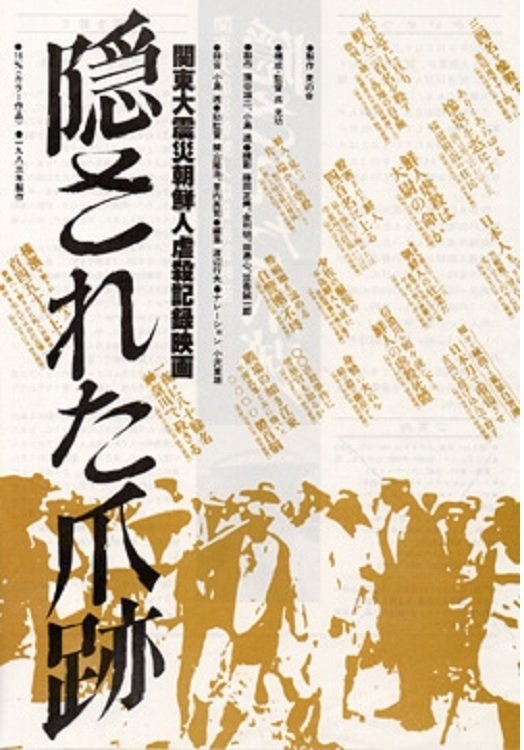
In the wake of the Great Kanto Earthquake (1923), which killed nearly 100,000 people, more than 6,500 Koreans were murdered by the military, the police and civilians. This film uses evidence and testimony to examine the history behind this massacre.
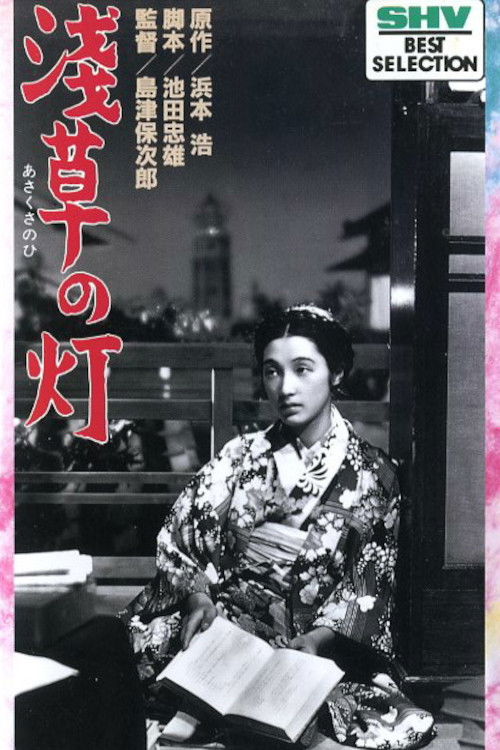
Pre-war Asakusa was a riotous district of cabarets, dance-halls and brothels - a striking backdrop for Shimazu's story of innocence and experience. Pretty, young Reiko is the new dancer in an infamous theatre troupe, and her fellow performers try to protect her virtue in a land of vice. Meanwhile, an ageing actor wants to be a hero off stage as well as on, and the troupe matriarch Marie has to keep them all together.
A recap of Kimetsu no Yaiba episodes 43–45, with new footage and special end credits. Together with his comrades, Zenitsu and Inosuke, along with one of the top-ranking members of the Demon Slayer Corps, Tengen Uzui, Tanjiro embarks on a mission within the Entertainment District, where they encounter the formidable, high-ranking demons, Daki and Gyutaro.
In 1924 Yuri killed 57 people as a spy before going underground as the madam of a small brothel. There, she encounters an orphan whose family was murdered and holds the key to finding a large sum of money reported missing by the Imperial Japanese Army. But with an army of soldiers after them, they must fight to survive.
In turn of the 20th Century Japan, a period characterized by widespread innovation and social restructuring, Benio Hanamura endeavors to take modernization to new heights. With a tomboy nature, Benio rails against traditional ideas that women should take care of the home—serving their husbands rather than pursuing their own dreams. Her values as a modern woman come under fire as the one man who supports her independence, Lieutenant Shinobu Ijuin, goes missing in action. Resurfacing back in Japan, Shinobu has lost all memory of his true identity. In this stunning sequel, will Benio be able to reconnect with Shinobu before she is married off to a new man?
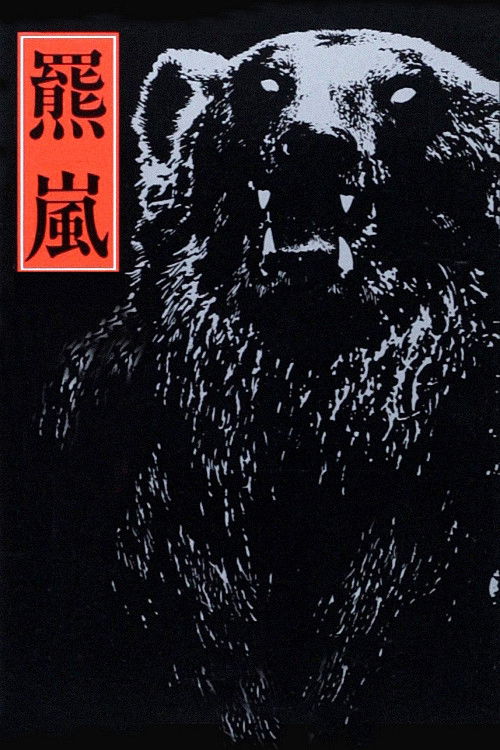
An adaptation of Akira Yoshimura's original suspense novel starring Rentaro Mikuni. 4th year of the Taishō era. About 15 families who moved in search of agricultural land to the land of the pioneers in Hokkaido led a peaceful life. One day, one of the pioneers, Mikio Shimakawa's wife Yura, and her child Taichi are attacked and killed by a bear that cannot hibernate. To resolve the situation, Shimakawa goes against all odds and turns to Ginshiro, the most hated hunter in the village, for help. While Shimakawa was away from the village, Yura and his friends were holding a funeral, the bear attacked again...
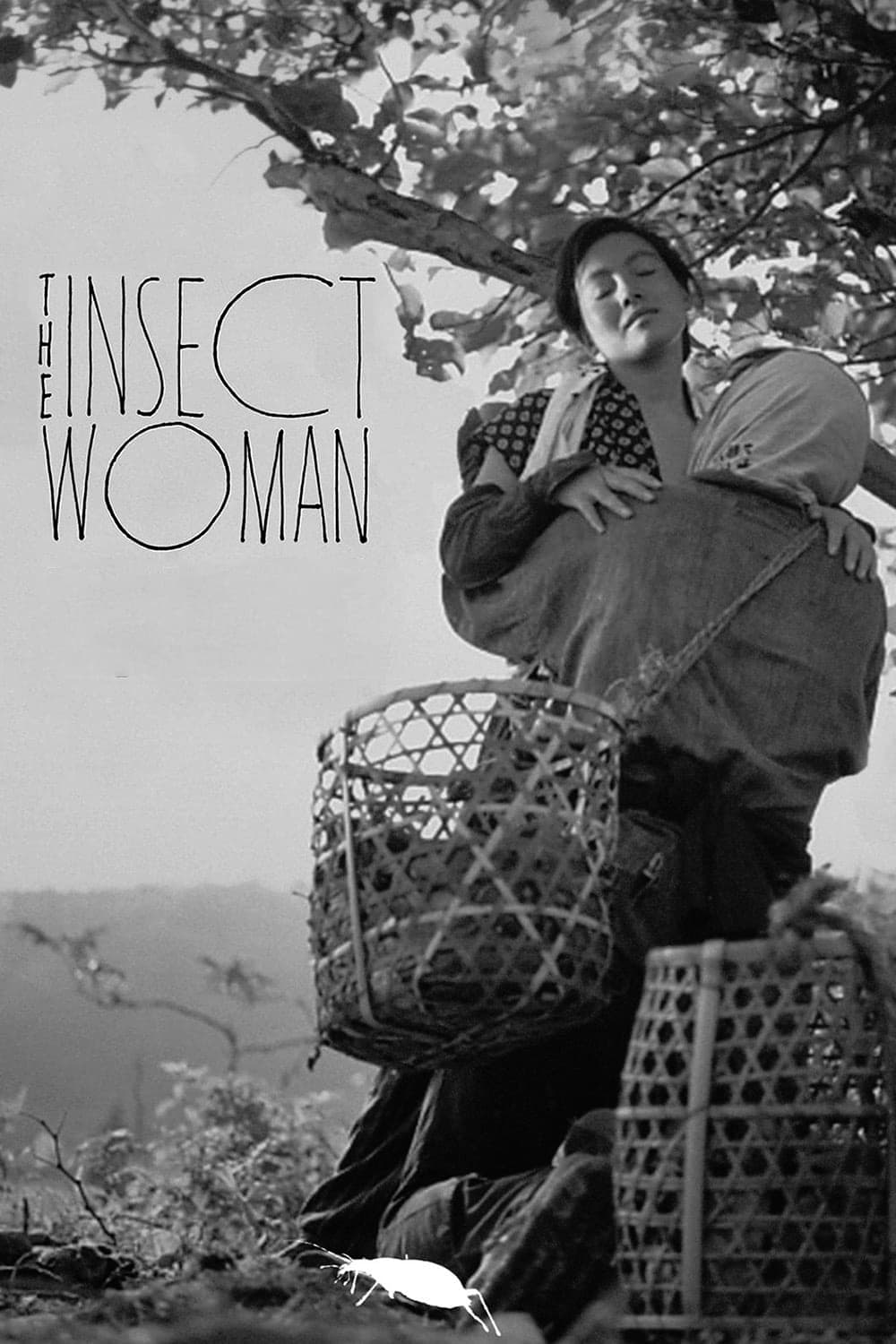
A woman, Tome, is born to a lower class family in Japan in 1918. The title refers to an insect, repeating its mistakes, as in an infinite circle. Imamura, with this metaphor, introduces the life of Tome, who keeps trying to change her poor life.
Kenji, the eldest son of Masajiro, a wealthy moneylender, refuses to work in the family business and becomes obsessed with farming, jewelry and religion.
Late Taishō period. The Shibatora family, led by Naojirō, held power over the Tomigawara area in Jōshū. After launching an attack on the Takayasu family for encroaching on their territory, they were instead ambushed by Takayasu's forces. Taking full responsibility, Naojirō turned himself in to the police. Six years later, upon his release, he is enraged to find that everything has changed drastically from how it once was.
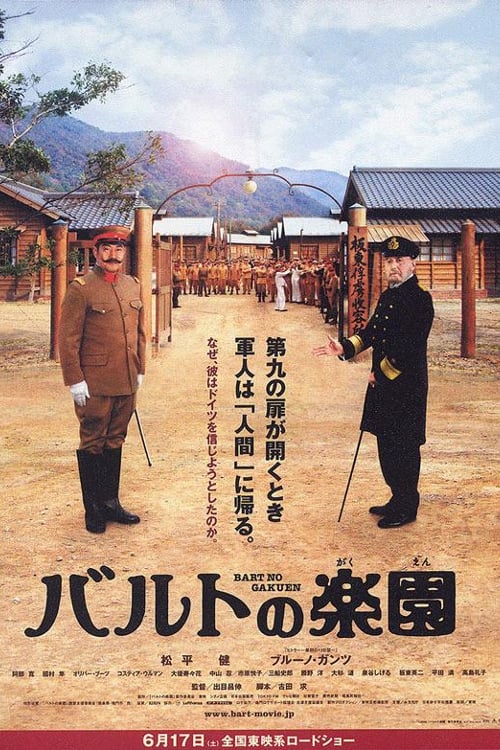
Based on the true story of the Bandō prisoner-of-war camp in World War I. It depicts the friendship of the German POWs with the director of the camp and local residents at the stage of Naruto, Tokushima Prefecture, in Japan.
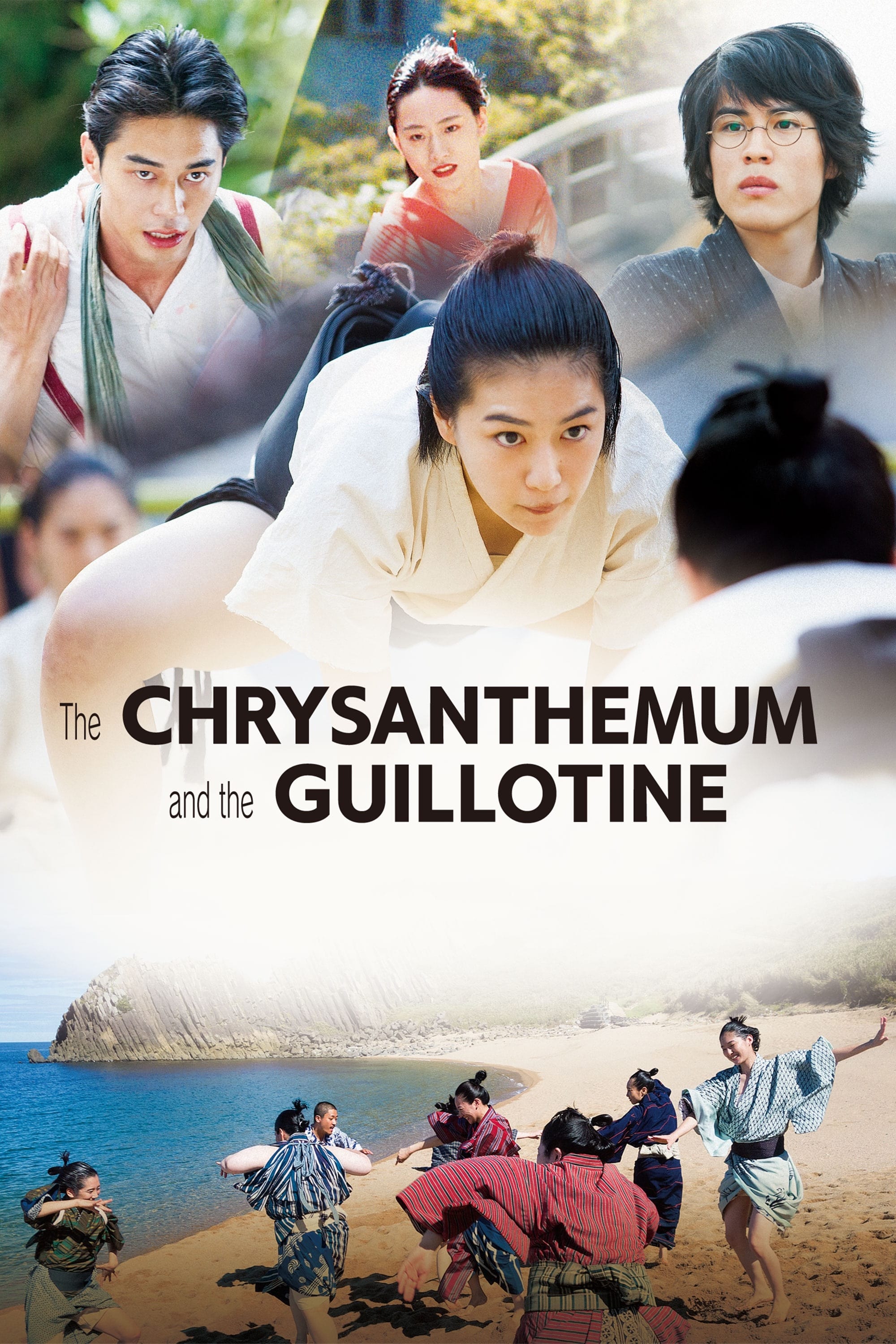
In the wake of the social unrest caused by the 1923 Great Kanto Earthquake, two female sumo athletes, Kiku and Tokachi, and an anarchist group called the Guillotine Society, spark an unlikely connection.
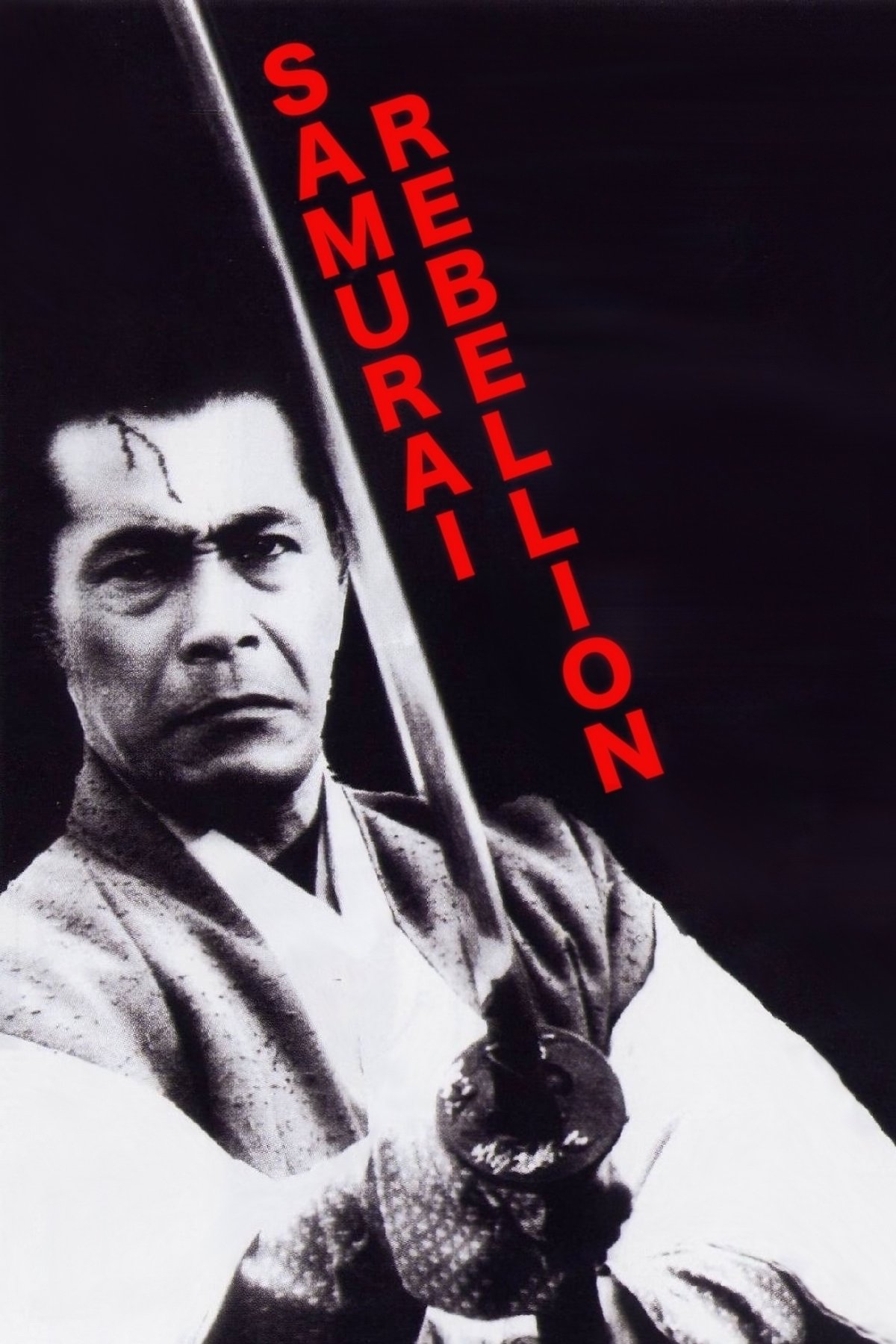
The mother of a feudal lord's only heir is kidnapped by the lord. Her husband and his samurai father must decide whether to accept the unjust decision, or risk death to rescue her.
The tragic, true story about Hachikō, an Akita dog who was loyal to his master, Professor Ueno, even after Ueno's death.
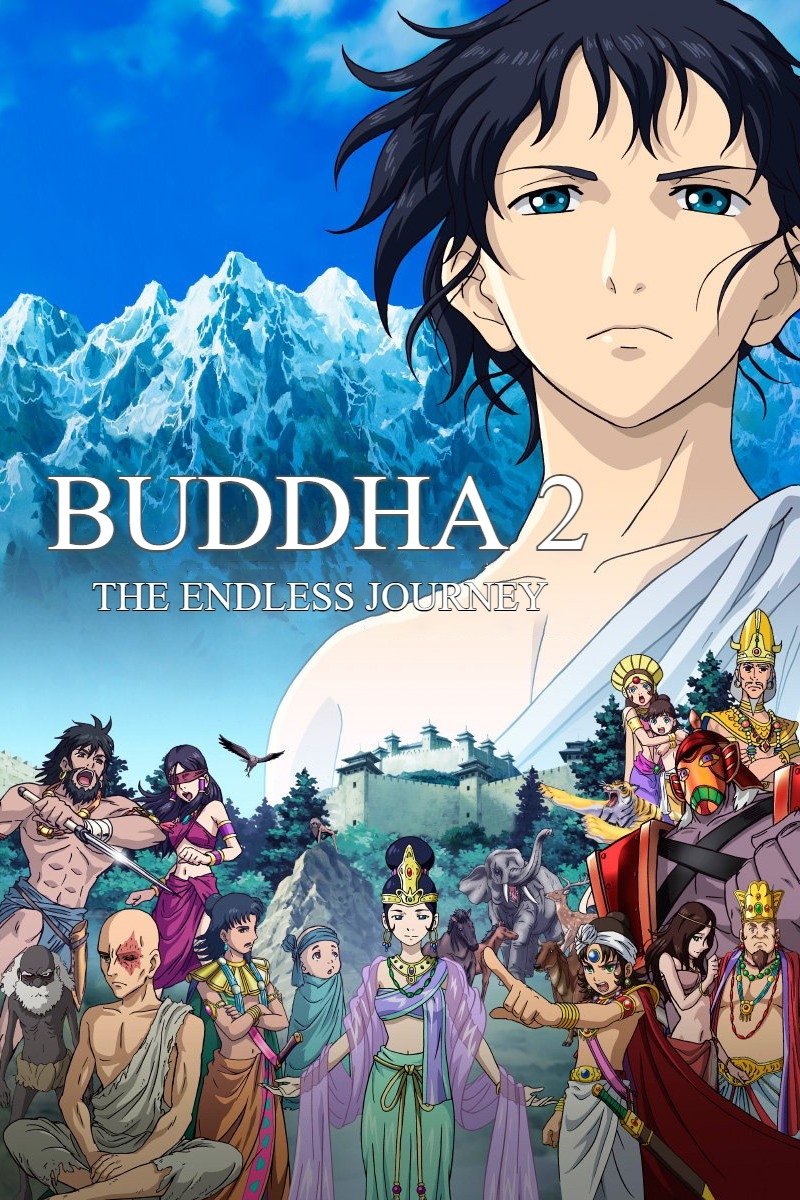
2500 years ago, in India, Siddhartha was born as a prince of the Shakya clan, but he gives up his position as a prince to see the world. He meets a strange boy named Assaji, who can predict the future, a monk with only one eye and Depa. Siddhartha continues traveling. Siddhartha is overwhelmed by the sufferings he witnesses around him. Meanwhile, Prince Ruri of Kosara begins his attack on the Shakya clan. Second Buddha movie from Tezuka Productions.
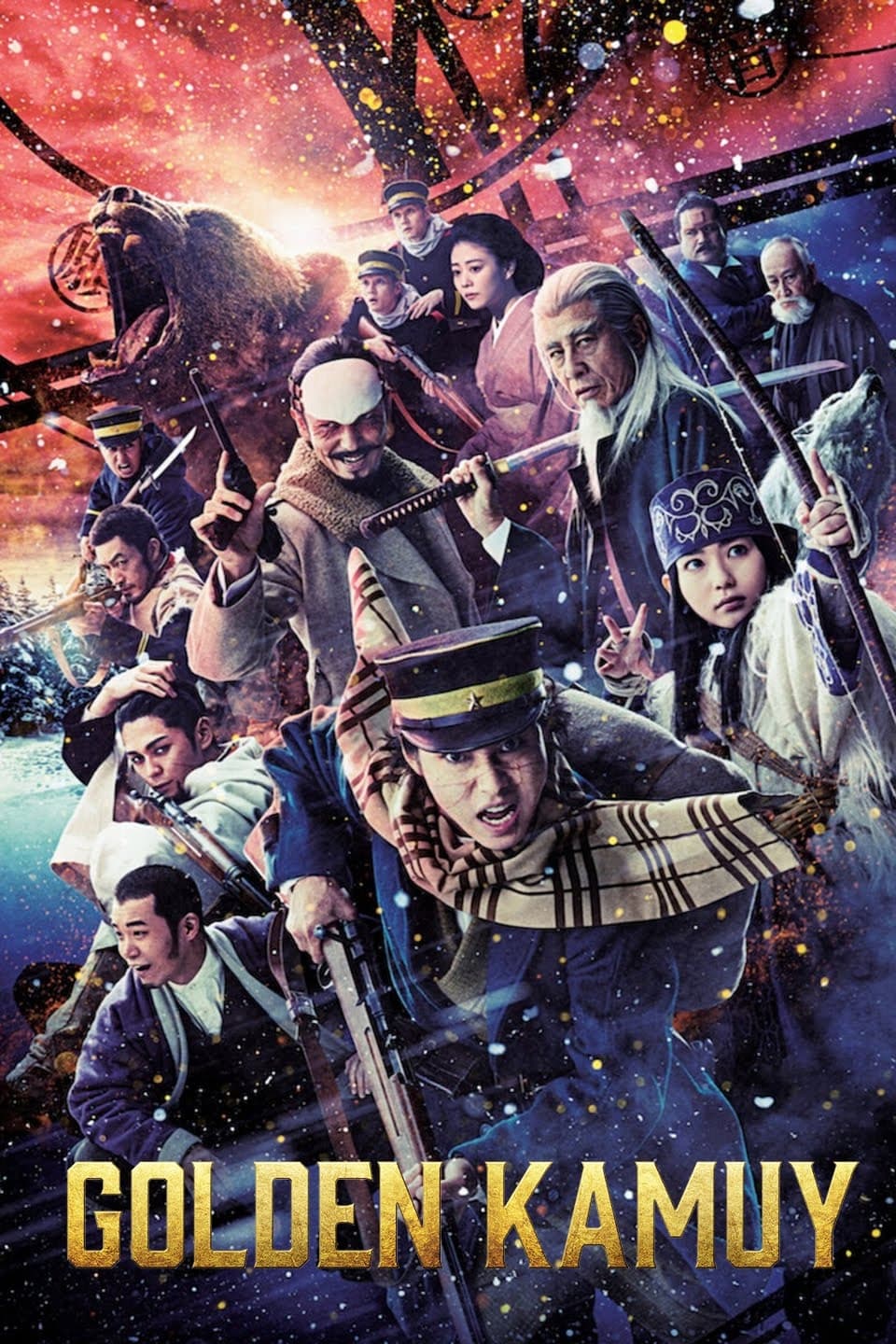
On the Hokkaido frontier, a war veteran and Ainu girl race against misfits and military renegades to find treasure mapped out on tattooed outlaws.
Tanjiro ventures to the south-southeast where he encounters a cowardly young man named Zenitsu Agatsuma, a fellow survivor from Final Selection. His sparrow asks Tanjiro to help keep him in line. A recap of Kimetsu no Yaiba episodes 11–14, with new footage and special end credits.
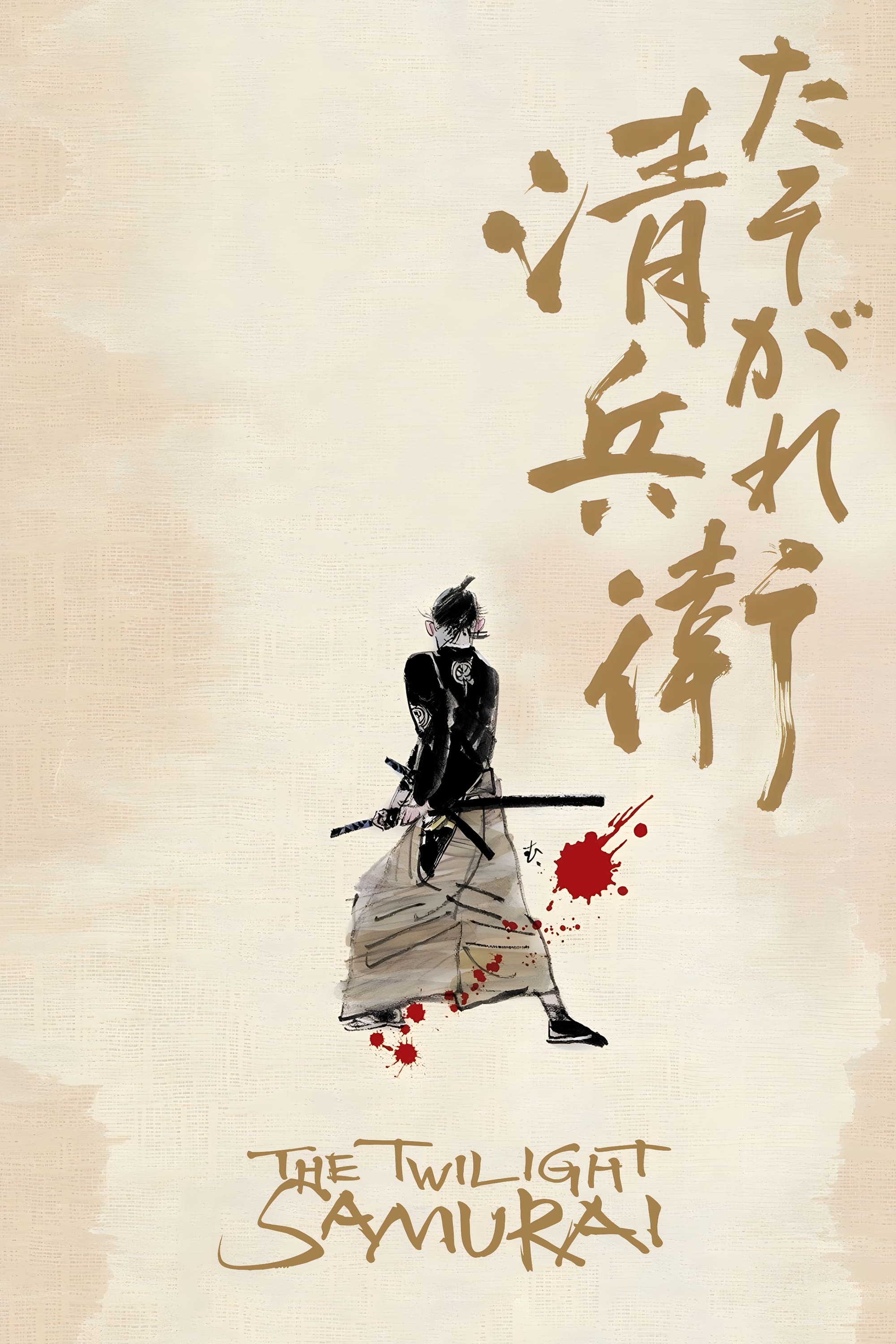
Seibei Iguchi leads a difficult life as a low ranking samurai at the turn of the nineteenth century. A widower with a meager income, Seibei struggles to take care of his two daughters and senile mother. New prospects seem to open up when the beautiful Tomoe, a childhood friend, comes back into he and his daughters' life, but as the Japanese feudal system unravels, Seibei is still bound by the code of honor of the samurai and by his own sense of social precedence. How can he find a way to do what is best for those he loves?
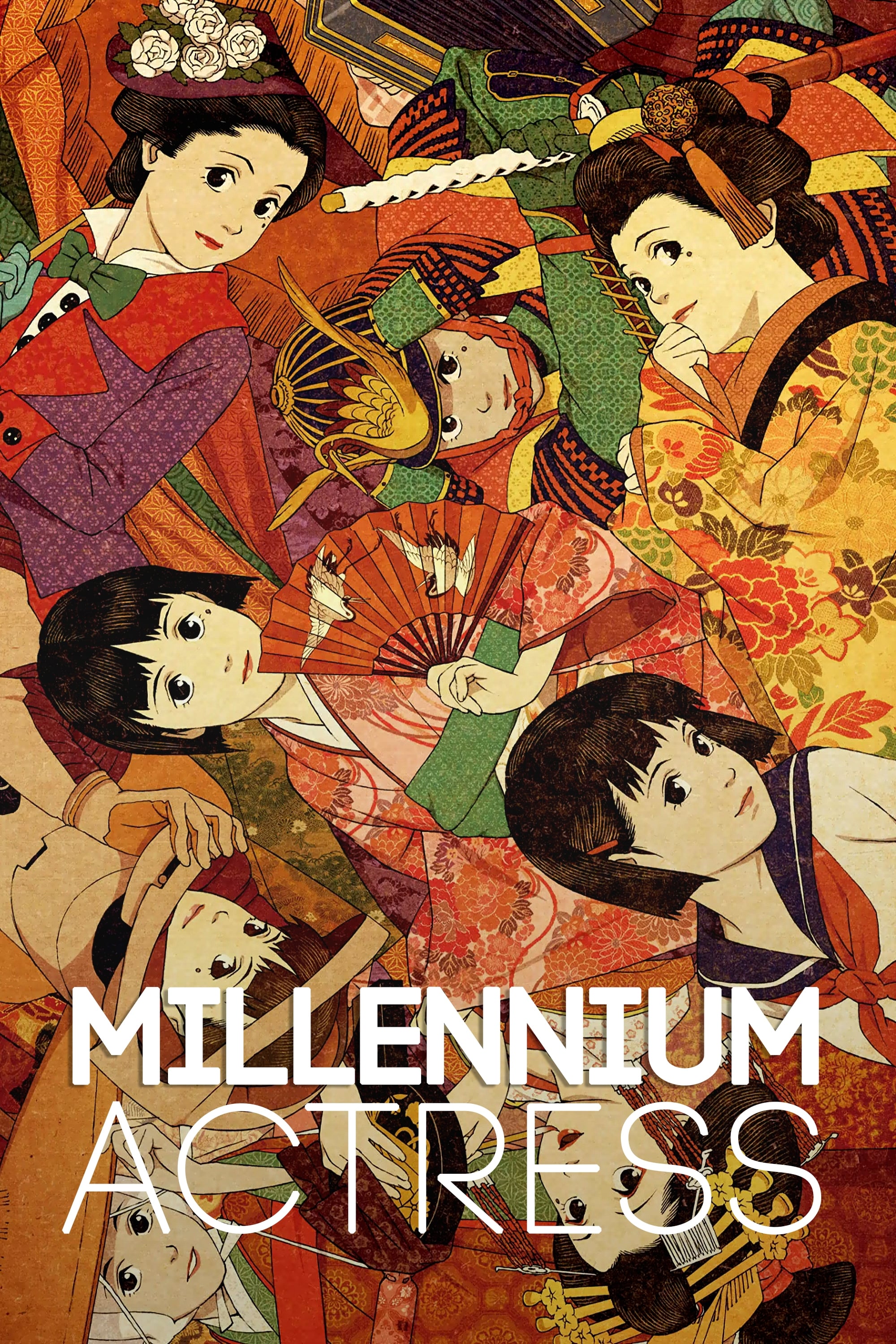
Documentary filmmaker Genya Tachibana has tracked down the legendary actress Chiyoko Fujiwara, who mysteriously vanished at the height of her career. When he presents her with a key she had lost and thought was gone forever, the filmmaker could not have imagined that it would not only unlock the long-held secrets of Chiyoko’s life... but also his own.
After their lord is tricked into committing ritual suicide, forty-seven samurai warriors await the chance to avenge their master and reclaim their honor.
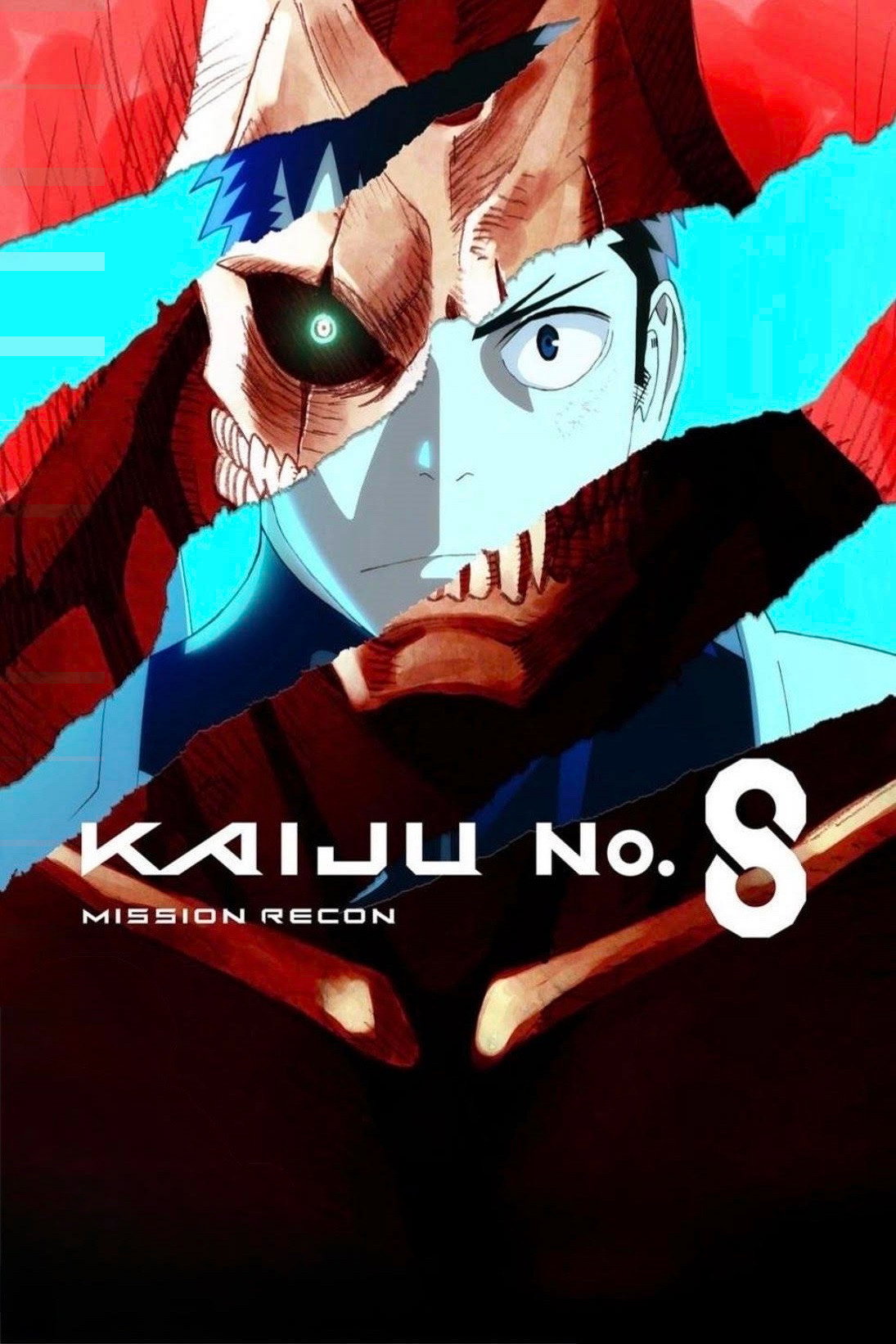
In a Kaiju-filled Japan, Kafka Hibino works in monster disposal. After reuniting with his childhood friend Mina Ashiro, a rising star in the anti-Kaiju Defense Force, he decides to pursue his abandoned dream of joining the Force, when he suddenly transforms into the powerful "Kaiju No. 8." An action-packed recap of the first season of Kaiju No. 8 and a new original episode, Hoshina's Day Off.
In an age of revolution, Marie Antoinette and her protector Oscar François de Jarjayes face tough choices as women growing into their distinct roles.
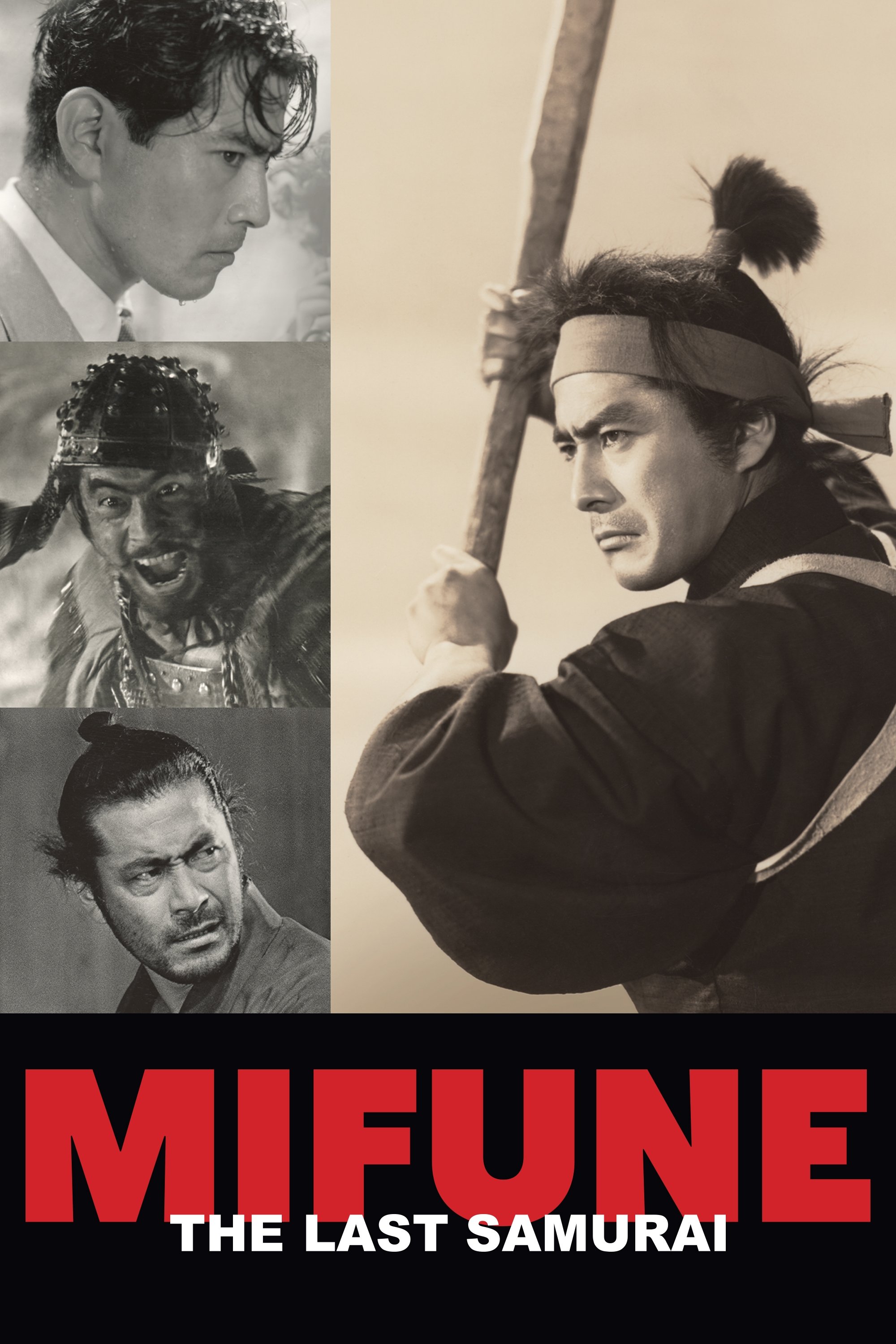
An account of the life and work of legendary Japanese actor Toshirō Mifune (1920-97), the most prominent actor of the Golden Age of Japanese cinema.
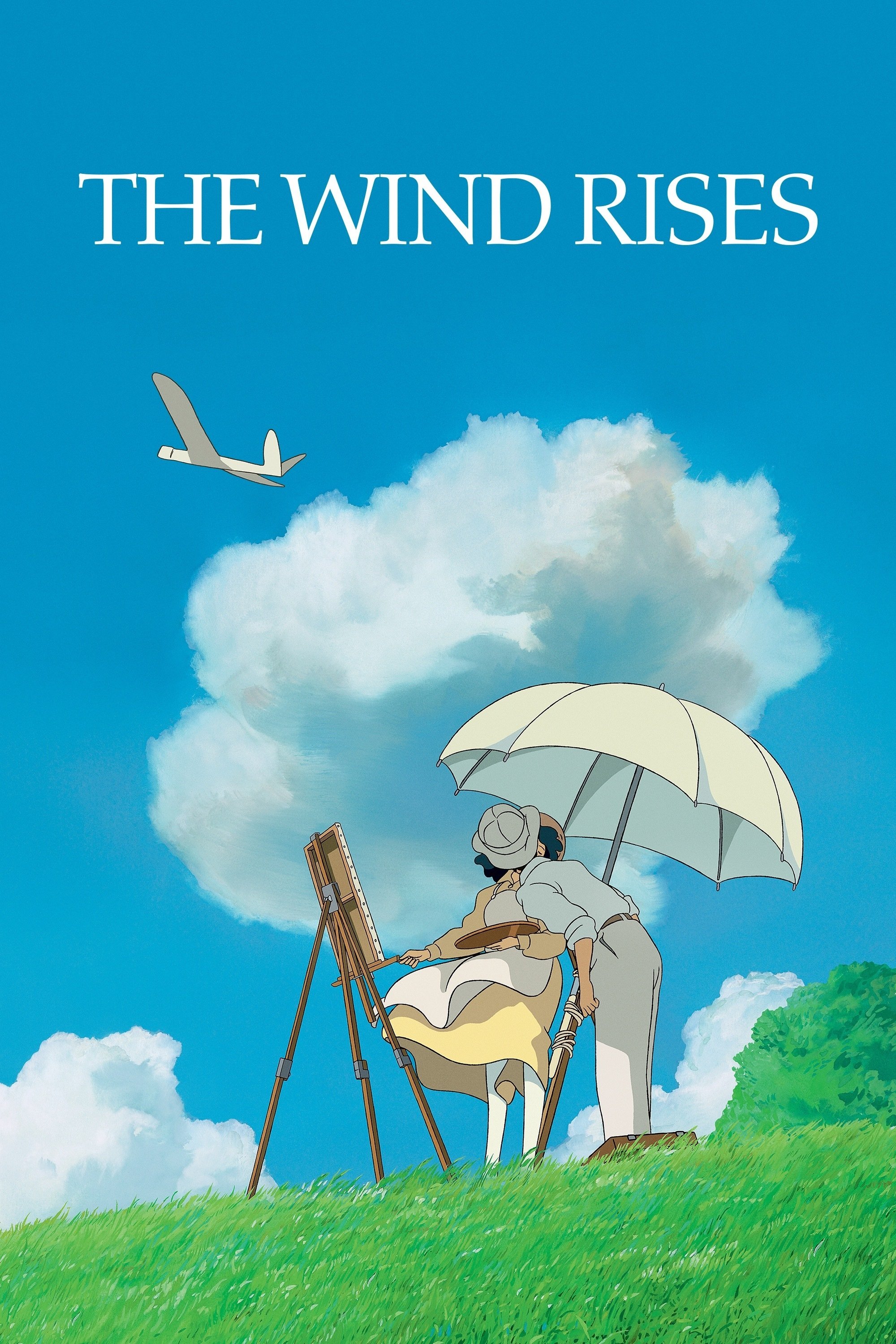
A lifelong love of flight inspires Japanese aviation engineer Jiro Horikoshi, whose storied career includes the creation of the A-6M World War II fighter plane.
Shin-chan is approached by his time-traveling future bride-to-be Tamiko, who asks him to help save his adult self from the ruler of Neo Tokio.
Yokohama, 1963. Japan is picking itself up from the devastation of World War II and preparing to host the 1964 Olympics—and the mood is one of both optimism and conflict as the young generation struggles to throw off the shackles of a troubled past. Against this backdrop of hope and change, a friendship begins to blossom between high school students Umi and Shun—but a buried secret from their past emerges to cast a shadow on the future and pull them apart.
Two outsiders, both shaped by the circumstances that have brought them together, forge a deep and lasting love.
Toshio hires Yasaka to work in his workshop. But then this old acquaintance, who has just been released from prison, begins to meddle in Toshio's family life.
After years on the road establishing his reputation as Japan's greatest fencer, Takezo returns to Kyoto. Otsu waits for him, yet he has come not for her but to challenge the leader of the region's finest school of fencing. To prove his valor and skill, he walks deliberately into ambushes set up by the school's followers.
Sewashi and Doraemon find themselves way back in time and meet Nobita. It is up to Doraemon to take care of Nobita or else he will not return to the present.
The story follows the social intercourse between a cameraman, Masaya, with a visual impairment, and Misako who disconnects from the world.
In lyrical switches between the present and the past, Taeko contemplates the arc of her life, and wonders if she has been true to the dreams of her childhood self.