The creation of an infinite space. Light modulations over water surfaces, conjugating into multiple alterations. Time and light being reshaped through a liquid lens. The illusion of a starry night turns into a sea “roofed over by rainbows.”
Social & External
The people behind it
Electro-Pythagorus is an intimate and subjective portrait of the late Martin Bartlett, the Canadian electronic music pioneer who studied with Pauline Oliveros, David Tudor, John Cage, and Pandit Pran Nath. His contribution as an interdisciplinary composer, educator, and founding member of Western Front, though undoubtedly extensive, is in danger of being erased from cultural memory since his death from AIDS in 1993. Navigating an array of archival materials including letters, correspondences, notebooks, personal photos, and a huge body of unreleased music and field recordings held at the archives of Simon Fraser University, Electro-Pythagoras is a journey through the evolution of Bartlett’s musical time and space, softly guided by Luke Fowler’s insightful camera and montage—creating an experimental portrait that defies one-dimensionality.
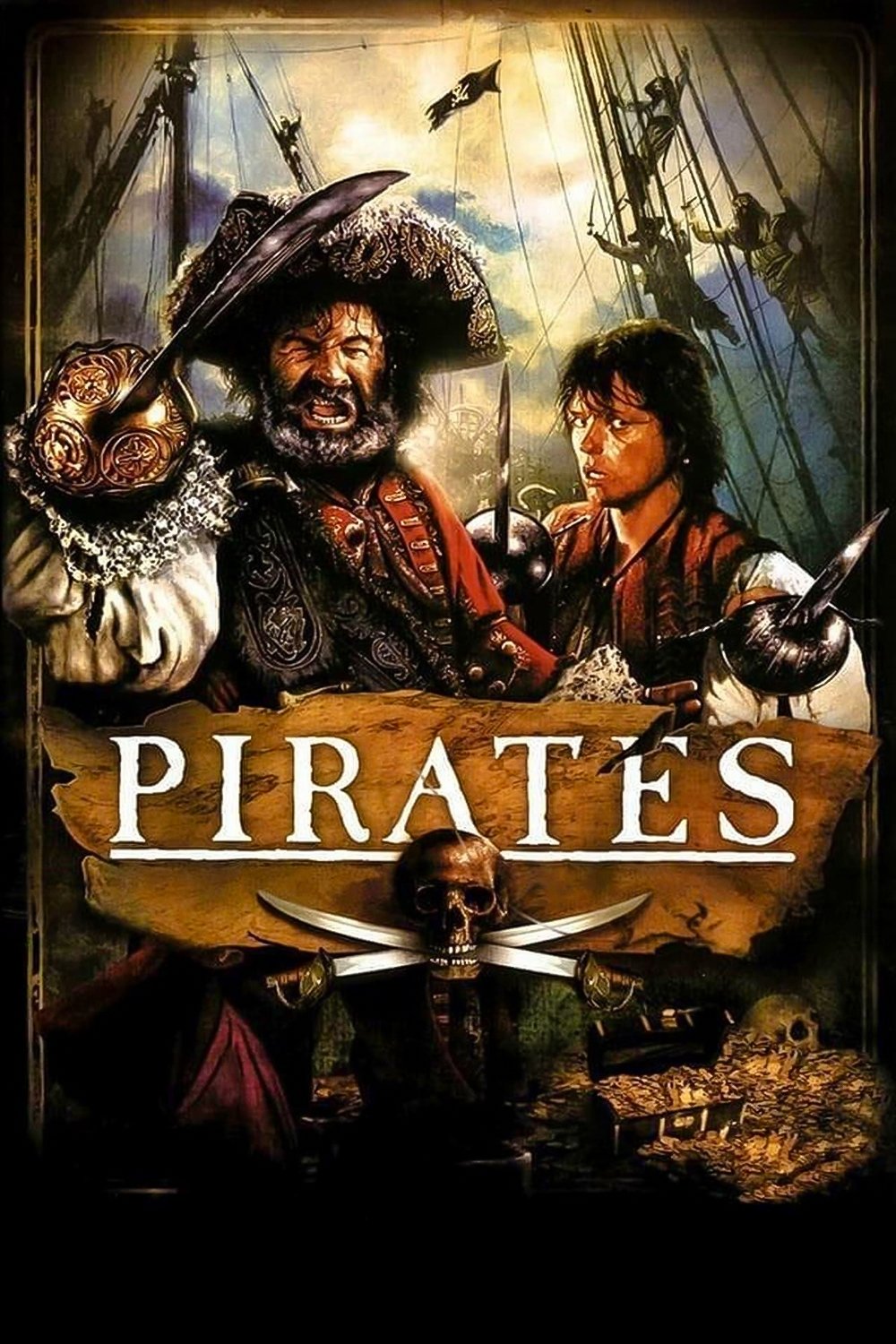
The adventures of pirate Captain Red and his first mate Frog.
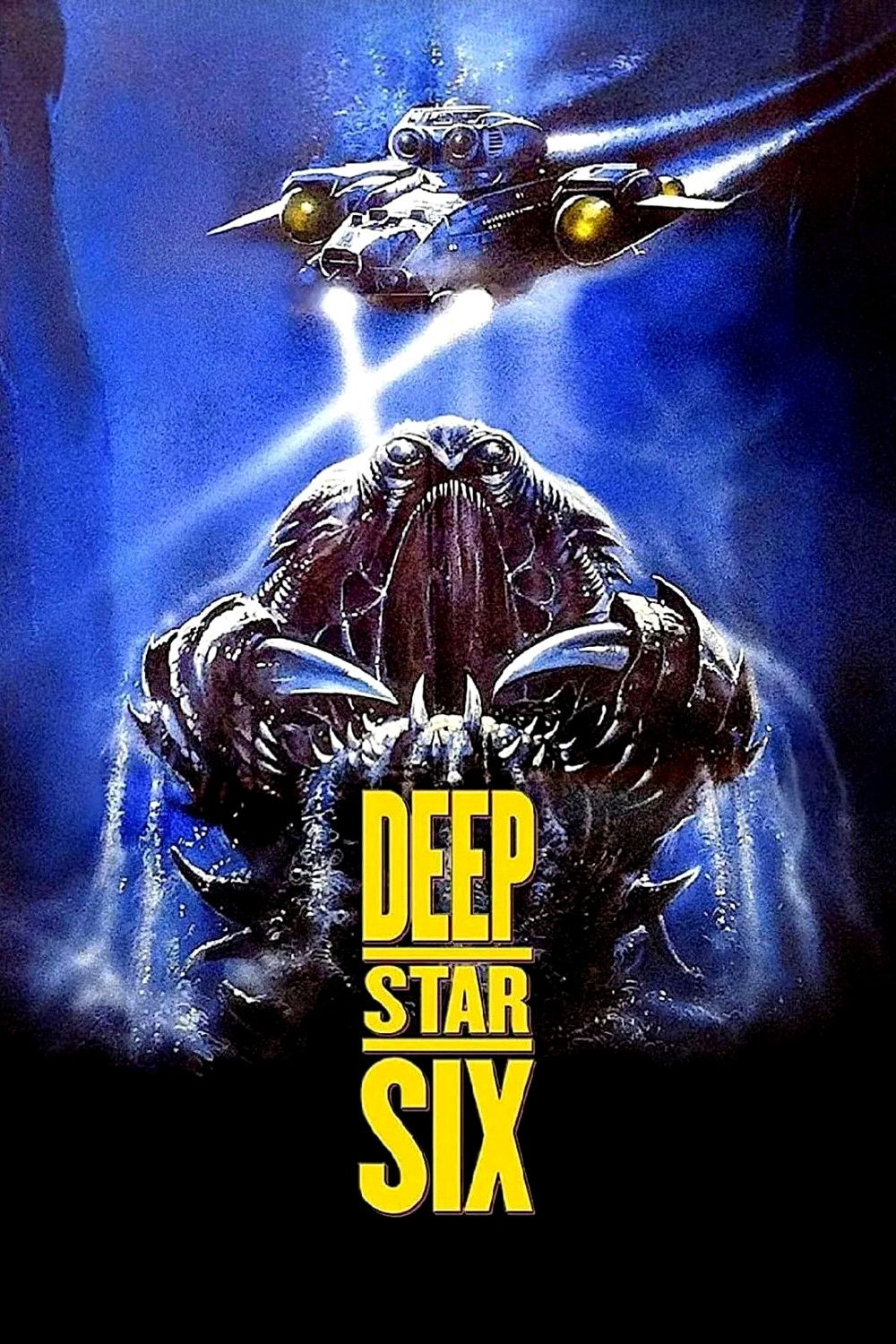
The crew of an experimental underwater nuclear base are forced to struggle for their lives when their explorations disturb a creature who threatens to destroy their base.
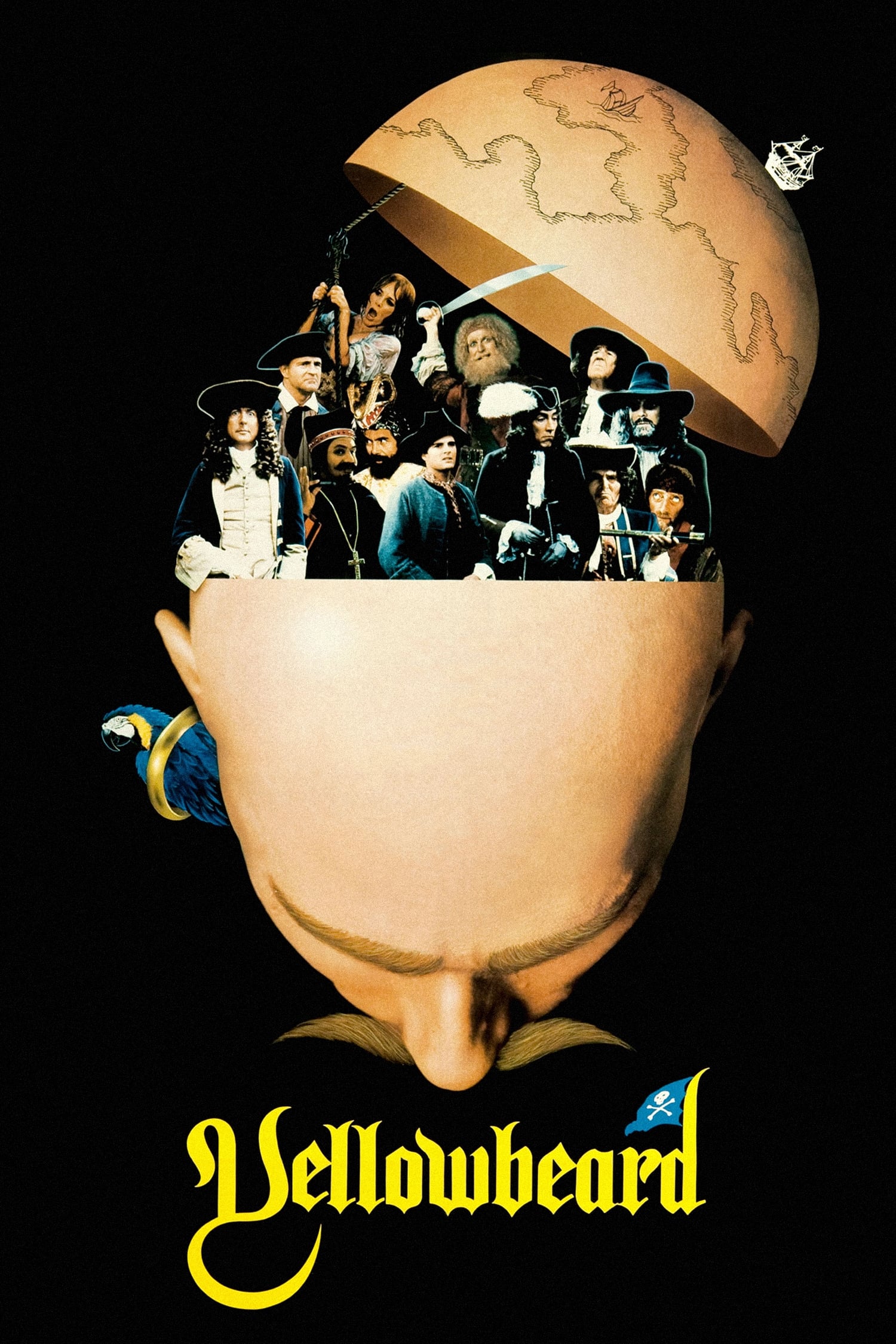
For years Yellowbeard had looted the Spanish Main, making men eat their lips and swallow their hearts. Caught and convicted for tax evasion, he's sentenced to 20 years in St. Victim's Prison for the Extremely Naughty. In a scheme to confiscate his fabulous treasure, the Royal Navy allows him to escape and follows him, where saucy tarts, lisping demigods and some awful puns and punishments await.
To summon the third eye awakening, we should not agitate the surface of the mind and physical eye, but soothe and provoke the third eye to awaken. In the gap of time, the flame of images that rise and become eternity is forming the rhythm and the speech. The teachings received in my travels and in green crystals. In distanced mysteries, the half rotten emulsion is the art of metaphysical connection and path of the awakening.
The animation, music, and optical printing of Kitsch in Synch was produced by Beckett and the students in two classes he was teaching at CalArts. Although a group project, it is clear that Beckett was the director. The playful, catchy soundtrack is used to create a cycle of building tension and release. The brightly colored shapes create approximate symmetrical formations and become more densely layered, with glimpses of iconographic objects and even live footage near the end. Preserved by the Academy Film Archive, in partnership with the iotaCenter, in 2007.
In Hong Kong, a young woman haunted by visions of her future self meets a stranger who changes the course of her night -- and possibly her life.
Using century old technology, PXXXL creates digital glitch from analog process. It was animated directly on the celluloid without a camera, in a darkroom, using lights, objects, and handmade lenses. There is no digital manipulation involved-- just light, celluloid, and processing.
STILL FRAMES is a laboratory film, conceived while I was finishing SARABAN. Indeed the two films were produced from the same images. The aim was not only to prove that the same source of image can generate two different films but also to highlight the incidence of light on color.
Set in a nightmarish Bardo, a place between death and rebirth, a tormented writer faces down demons of his own making. Forced to confront the darkest moment in his life, he mines fractured and repressed memories for a way out. A woman is at the center of all the writer’s afterlife encounters. She is the subject of his life’s greatest regret, and she materializes everywhere in this Otherworld. The writer cannot detach any thoughts of his life from her.
Experimental mash-up of circus and sideshow footage.
“Peter Kubelka…was teaching at Staatliche Hochschule für Bildende Künste – Städelschule (Städel) at the time. His classes, filmmaking and cooking, were very unique, and this film was made around the time I was studying with him at Städel… This is a single-shot film, moving along the passageway using a handmade dolly. I used an Arriflex 16ST camera, and I changed the filming speed from 48fps to 4-6 fps while shooting.” - Yo Ota
“The visual harmony of the landscape is disturbed by a screen that allows us to see into the distance (television). The film is composed of six scenes that feature a television in the landscape. The speed of the television (in NTSC) is 30 frames per second, and never changes in this film. But the landscape views pass at different speeds.” - Yo Ota
“The structure of human vision is the visual knowledge of the world. Individuals do not visually understand the world through the eyes, but through the brain. That is to say, human vision has been formed by knowledge and experience. The film can show a new vision, provided that the cinema is also a kind of visual experience and visual knowledge.” - Yo Ota
“One can not speak of time as a thing in itself. It is movements and variations that give the feeling of time. Men have always linked time and spatial movement.” - Yo Ota
“This film offers a metacinematic study of tempo and change and a figure of velocity. […] Ota recorded [three different locations in Tokyo] at the interval of hours, and sometimes even days, by using different filters and by alternating the camera speed. The result…represents an inquiry into the abstract space-time of cinema where Ota plays with the physical fact that time is a ‘function of movement in space.’” –Malin Wahlberg
“Sequences of space-time manipulation that raise the problem of continuity in the shot.” - Yo Ota
“My attempt at a filmic interpretation of Haraguchi Noriyuki’s ‘Inclined Horizon,’ a three-dimensional physical work featured in the ‘Dance Hakushu 2006’ exhibition held in the Hakushu district of Hokuto City, Yamanashi Prefecture. Haraguchi’s work was modeled out of earth that will return to its original form after about a month, and my aim was to resurrect the concept of this work on film.” - Yo Ota
“This film was made for an event that included an exhibition of artwork by Eishi Yamatomo. Yamatomo’s metal sculpture is often finished with a chromium plating, which reflects its surroundings. For this project, I tried to obtain the image of a metal sculpture as an existing entity and its reflection as an illusion on a film medium, which can hold an image as an object. It was originally shot on 8mm film, hand-processed, edited, then re-photographed on 16mm film.” - Yo Ota
“The ‘exhibition’ held by ‘artist’ Katsuhiro Fujimura in Tokyo during the very hot summer of 2013 was one that made viewers suffer. The ‘painting’ that stood leaning against the window had very faint colors and regular scratches that could not be seen very well because of the light streaming in from the outside. The light changed with the time of day, and the surface of the painting also shifted. The paint on the front of the panel can only be perceived as ‘color’ by reflecting light. The fact that if the light changes what is seen also changes is quite obvious, but because it is a ‘painting’ viewers find this hard to accept.” - Yo Ota
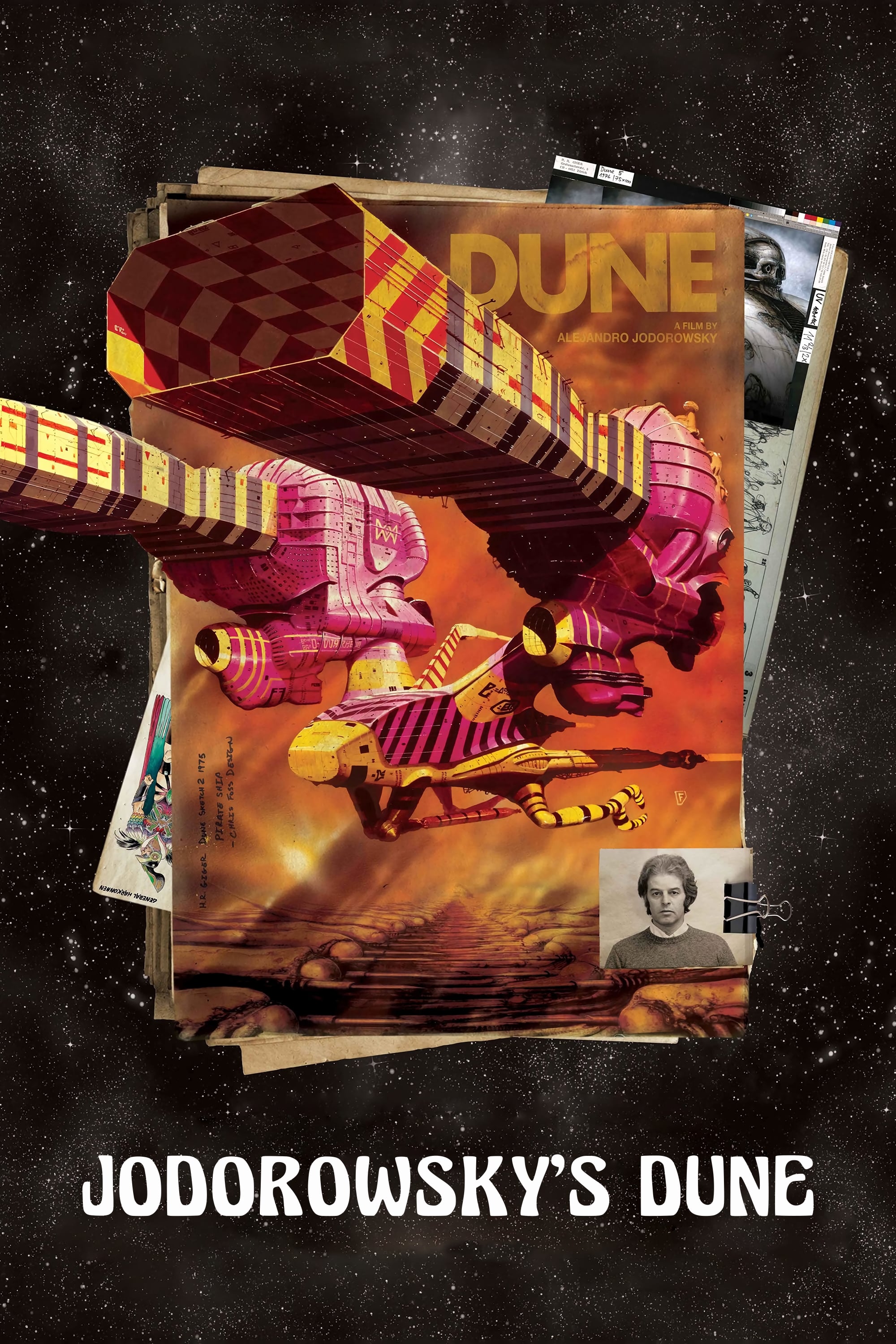
In 1974, Chilean-French director Alejandro Jodorowsky embarked on the quixotic project of adapting Frank Herbert's influential novel Dune (1969) for the big screen. After investing two years, and millions of dollars, the gigantic project ended in failure; but the artists Jodorowsky brought together to carry it out continued to work together, and ended up laying the foundations for modern science fiction cinema.
The Making-of James Cameron's Avatar. It shows interesting parts of the work on the set.
Capturing Avatar is a feature length behind-the-scenes documentary about the making of Avatar. It uses footage from the film's development, as well as stock footage from as far back as the production of Titanic in 1995. Also included are numerous interviews with cast, artists, and other crew members. The documentary was released as a bonus feature on the extended collector's edition of Avatar.
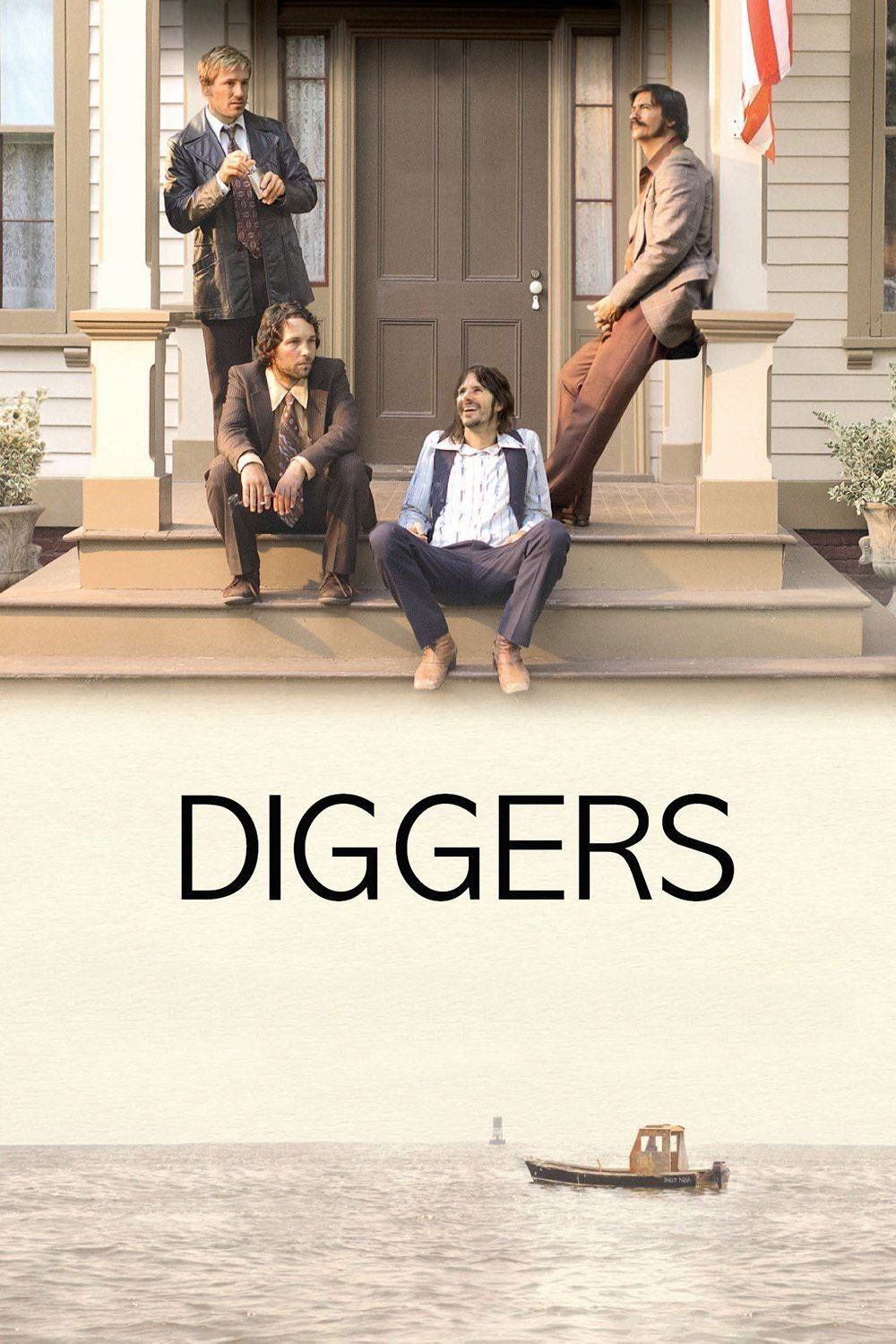
In 1976, four working-class friends come of age in The Hamptons, on the South Shore of Long Island, New York, as clam diggers, as were their fathers and their grandfathers before them. They must cope with and learn to face the changing times in both their personal lives and their neighborhood.
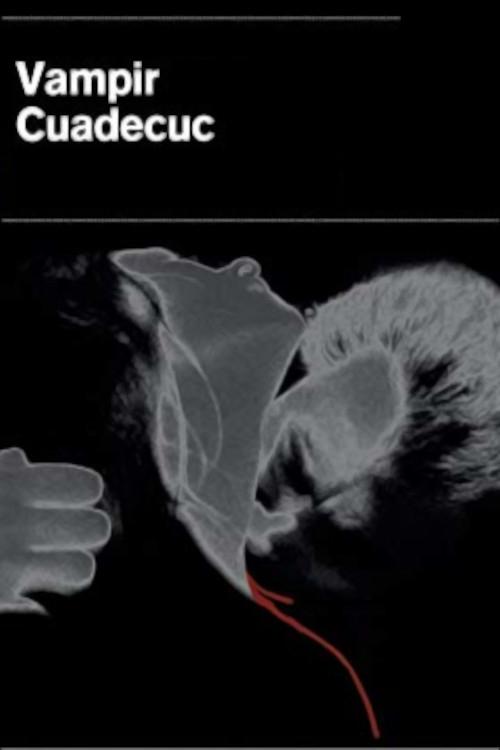
An atmospheric essay, which is an alternative version of Count Dracula, a film directed by Jess Franco in 1970; a ghostly narration between fiction and reality.
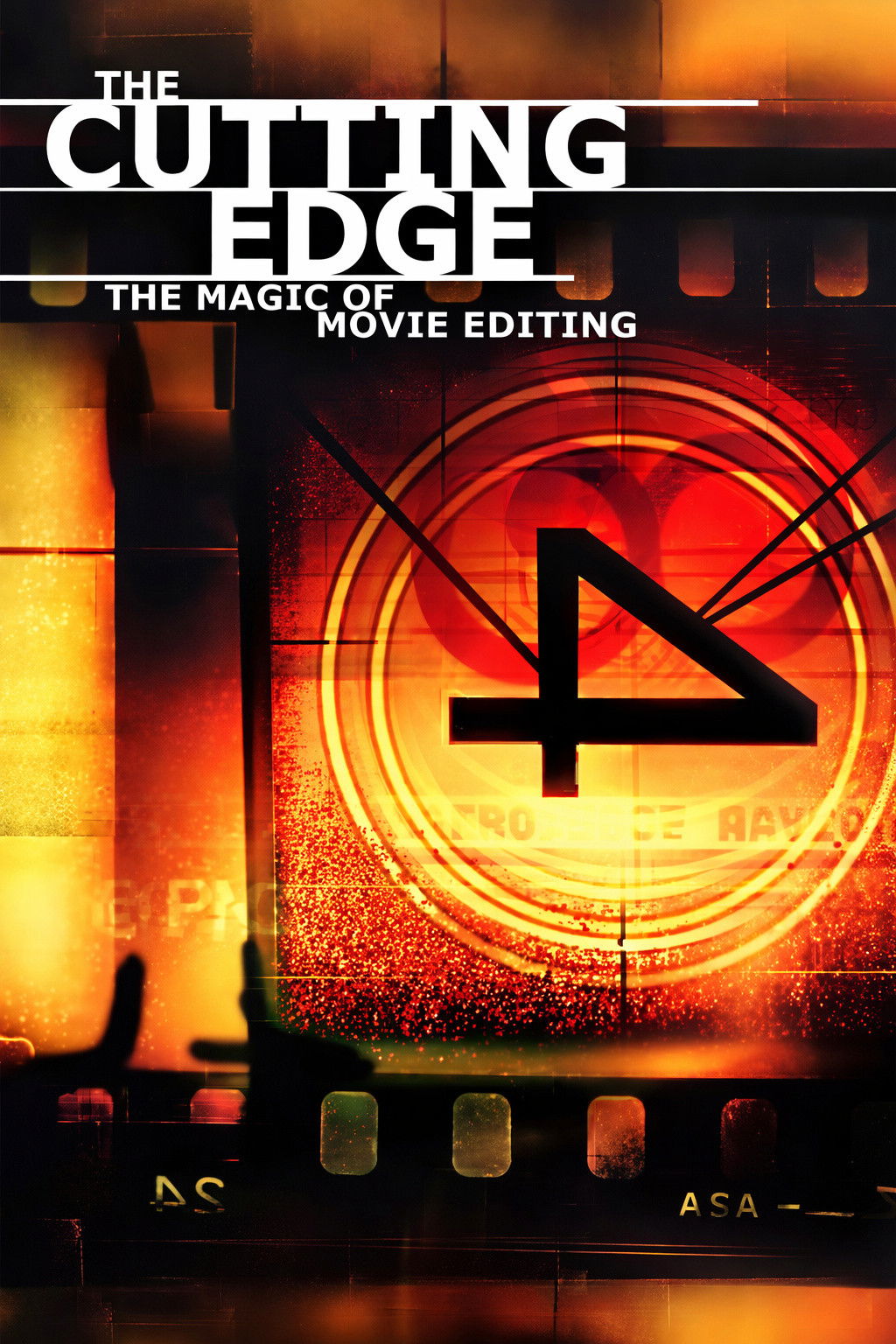
Documentary about the art of film editing. Clips are shown from many groundbreaking films with innovative editing styles.
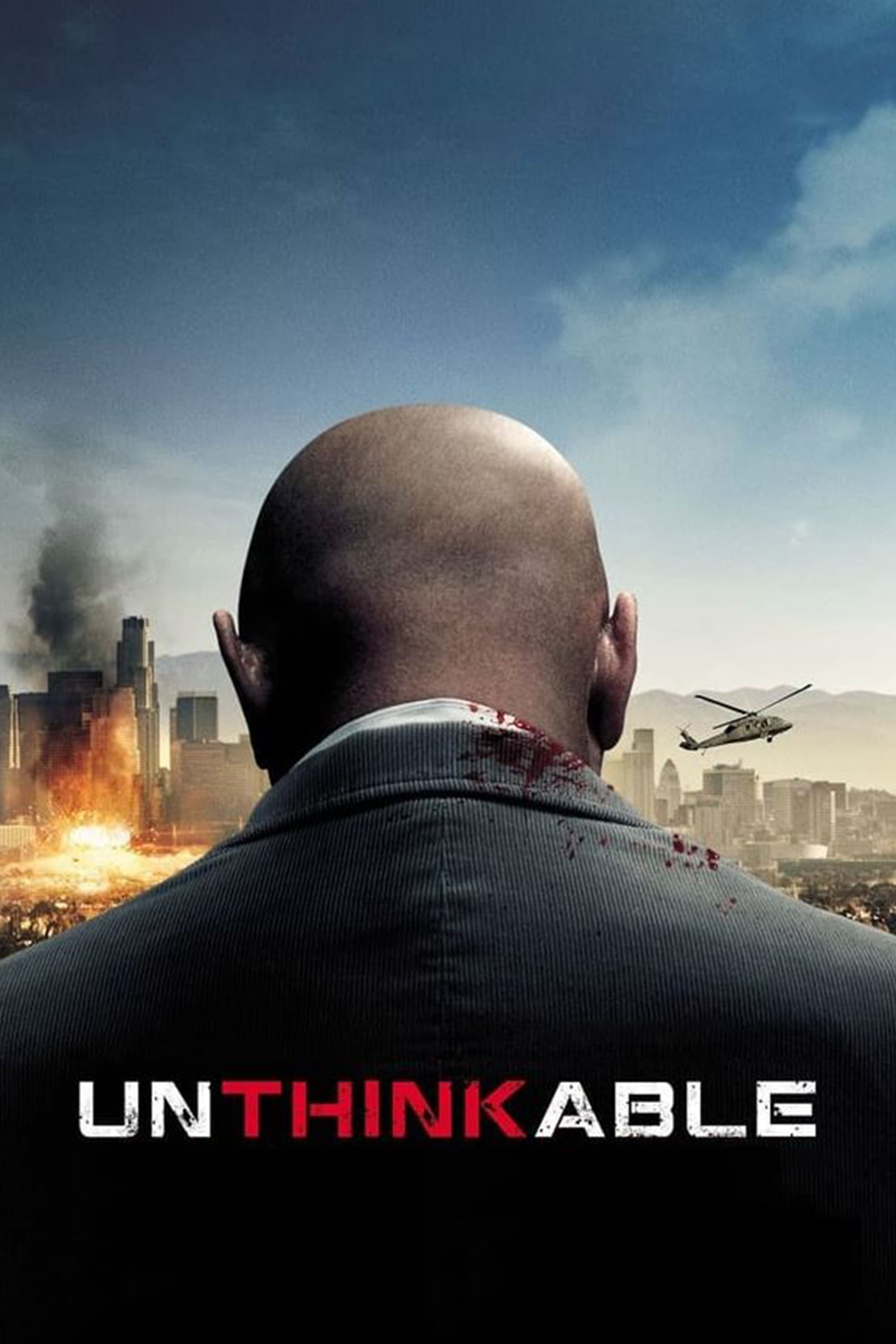
The government gets wind of a plot to destroy America involving a trio of nuclear weapons for which the whereabouts are unknown. It's up to a seasoned interrogator and an FBI agent to find out exactly where the nukes are.
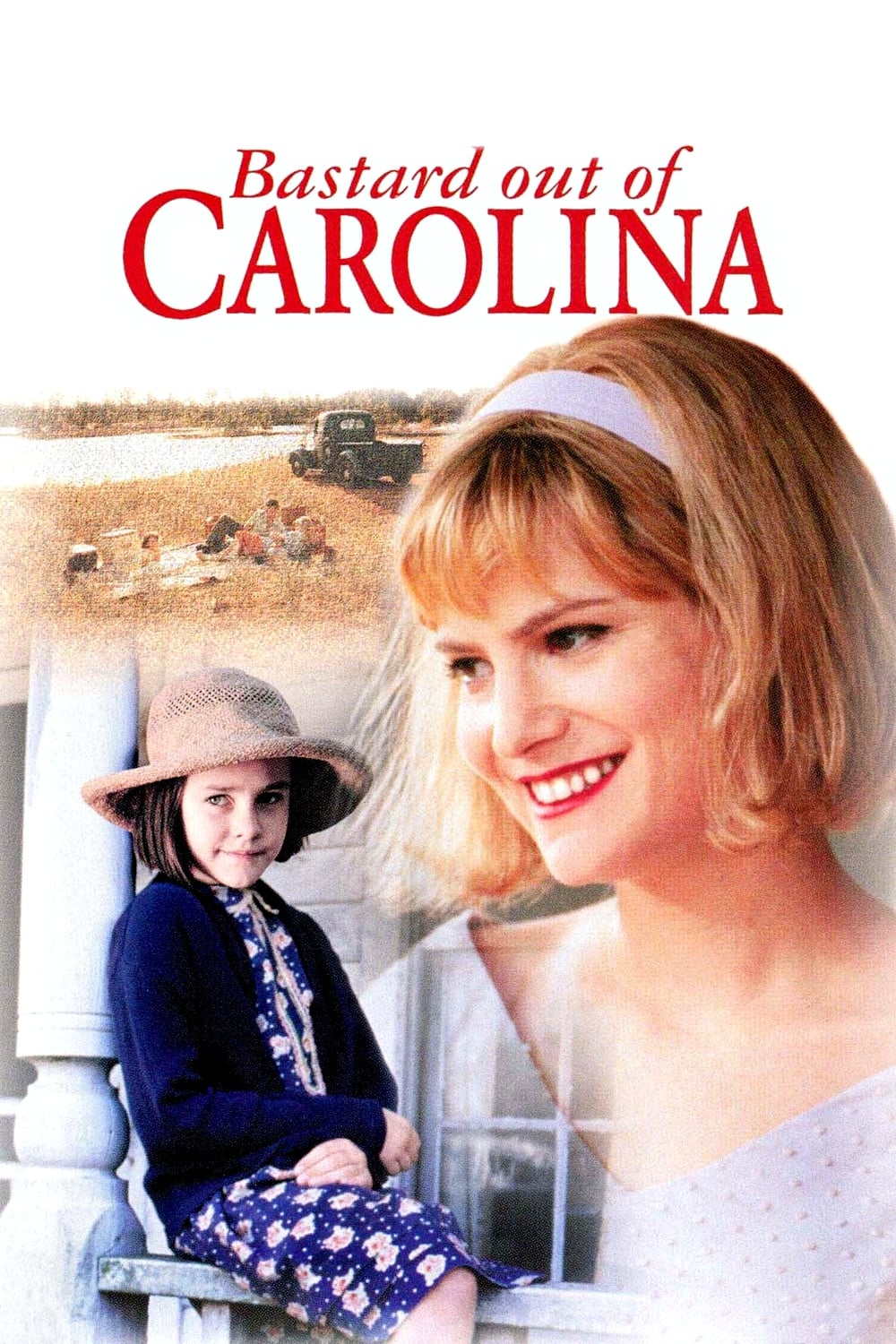
A poor, struggling South Carolinian mother and daughter face painful choices with their resolve and pride. Bone, the eldest daughter, and Anney her tired mother, grow both closer and farther apart: Anney sees Glen as her last chance.
Gay, alienated Los Angeles teens have a hard time as their parents kick them out of their homes, they don’t have money, their lovers cheat, and they are harassed by gay-bashers.
In the Realms of the Unreal is a documentary about the reclusive Chicago-based artist Henry Darger. Henry Darger was so reclusive that when he died his neighbors were surprised to find a 15,145-page manuscript along with hundreds of paintings depicting The Story of the Vivian Girls, in What is Known as the Realms of the Unreal, of the Glodeco-Angelinnian War Storm, Cased by the Child Slave Rebellion.
Against a plain, unchanging blue screen, a densely interwoven soundtrack of voices, sound effects and music attempt to convey a portrait of Derek Jarman's experiences with AIDS, both literally and allegorically, together with an exploration of the meanings associated with the colour blue.
Following a tense encounter with a mysterious stranger with otherworldly powers, a man finds himself banished to a parallel, tyrannical Earth, where he fights to get back to the woman he loves.
Summer 1939. Influential families in Nazi Germany have sent their daughters to a finishing school in an English seaside town to learn the language and be ambassadors for a future looking National Socialist. A teacher there sees what is coming and is trying to raise the alarm. But the authorities believe he is the problem.
In a suburban landscape, the lives of several families interlace with loss, despair and personal crisis. Esther Gold has lost focus on all but caring for her comatose son, Paul, and neglects her daughter and husband. Lawyer Jim Train is devoted to his career, not his family. Helen Christianson wants to find a new spark in life, while Annette Jennings tries to rebuild hers.
Takes us to locations all around the US and shows us the heavy toll that modern technology is having on humans and the earth. The visual tone poem contains neither dialogue nor a vocalized narration: its tone is set by the juxtaposition of images and the exceptional music by Philip Glass.
Seasoned deep-sea divers battle the raging elements to rescue their crewmate trapped hundreds of feet below the ocean's surface.
In New York City, the lives of a lawyer, an actuary, a house-cleaner, a professor, and the people around them intersect as they ponder order and happiness in the face of life's cold unpredictability.
The story lives forever in this feature-length documentary that charts the making of Star Wars: The Rise of Skywalker.
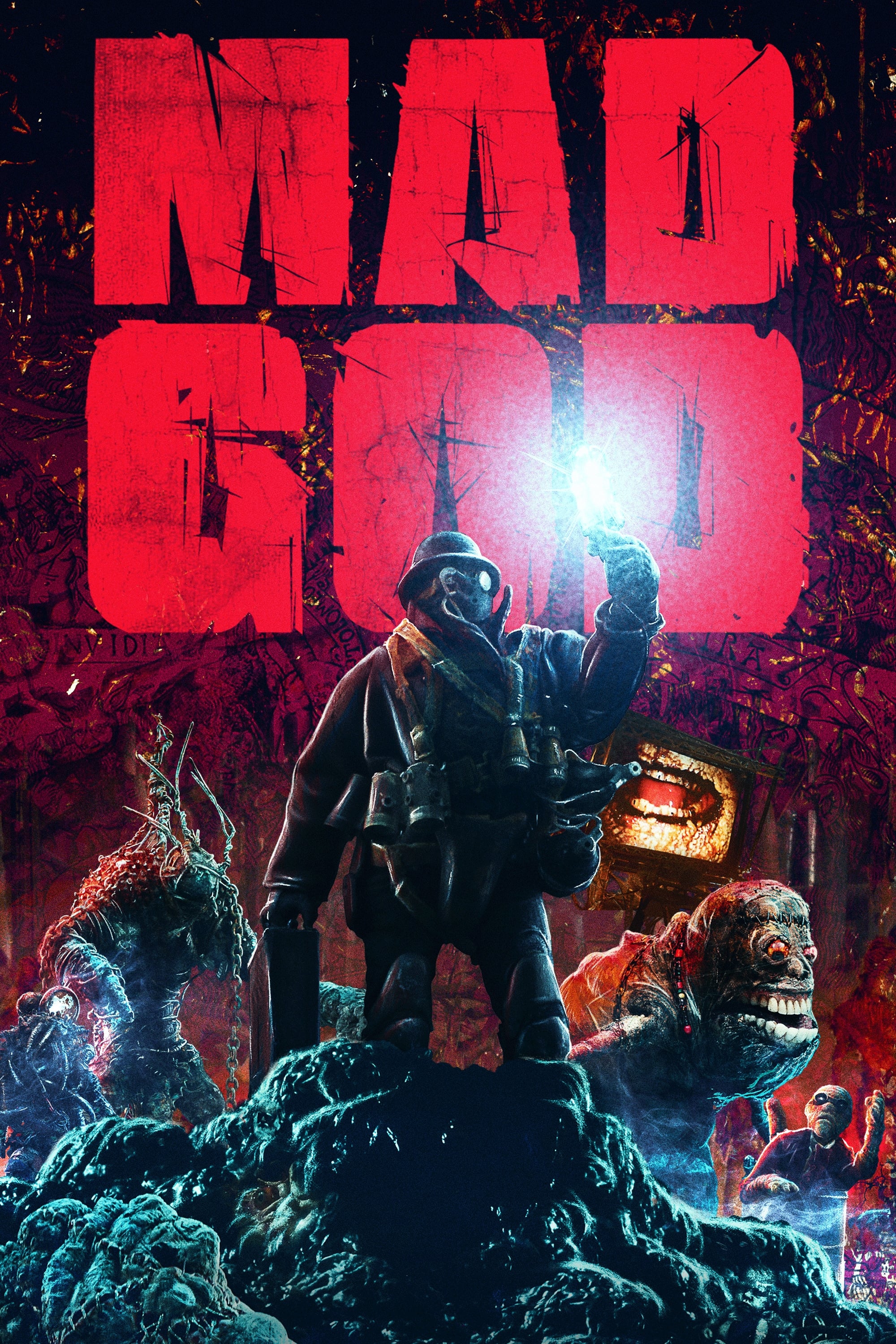
A silent figure known as The Assassin travels through a nightmare underworld of tortured souls, ruined cities and wretched monstrosities forged from the primordial horrors of the unconscious mind of Phil Tippett, the world's preeminent stop-motion animator.
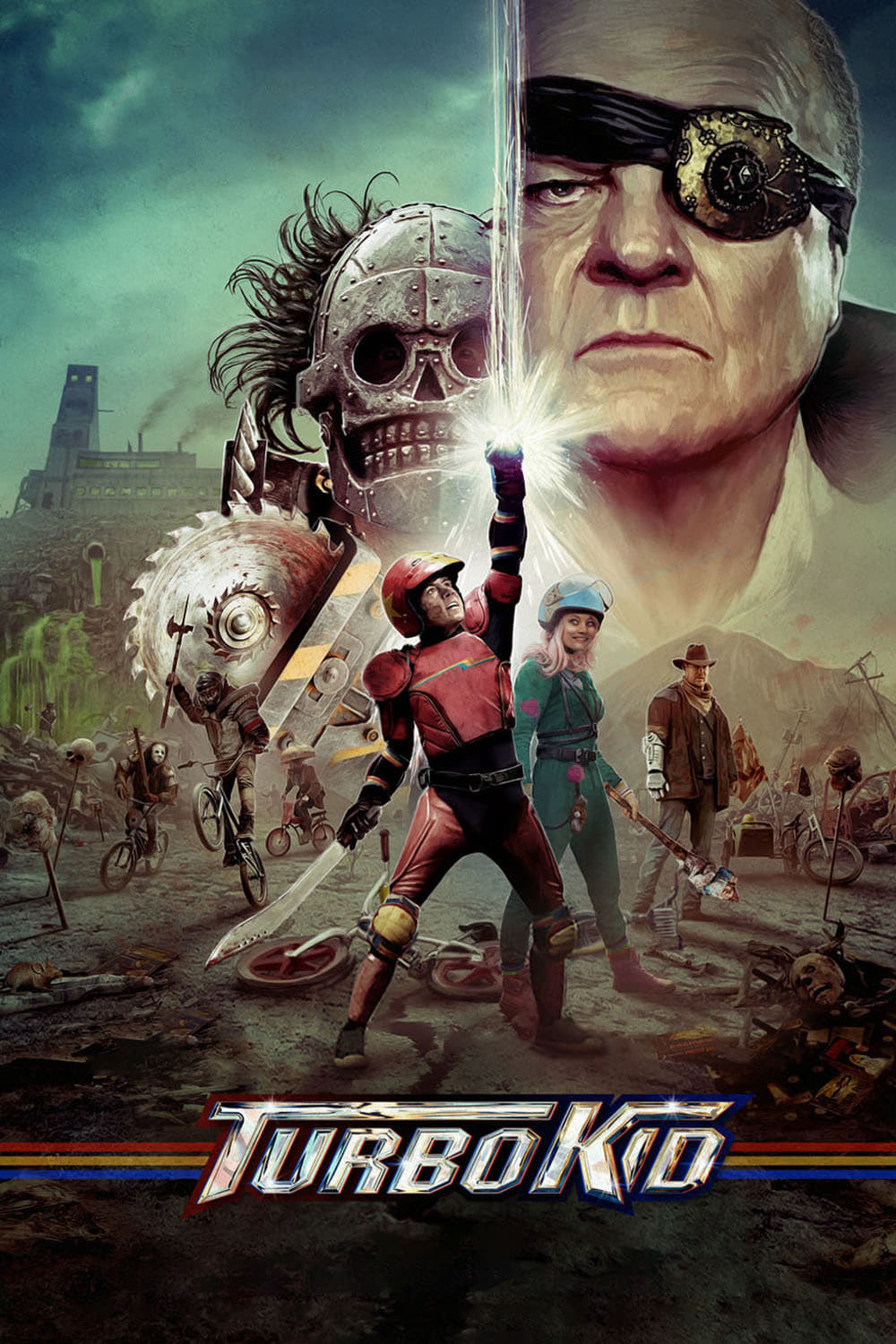
In a post-apocalyptic wasteland, an orphaned teen must battle a ruthless warlord to save the girl of his dreams.