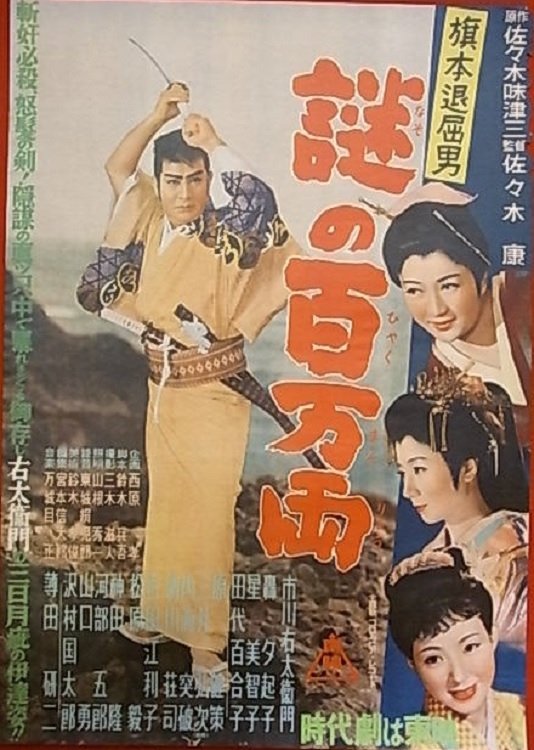
Bored Hatamoto film #16.
Social & External
The people behind it
Utaemon Ichikawa
Yukiko Todoroki
Kunitaro Sawamura
Michiko Hoshi
Kenji Susukida
Takashi Kanda
Sōji Kiyokawa
Kensaku Hara
Yuriko Tashiro
Kōji Mitsui
A daughter is constantly overshadowed by her famous father, but she is determined to make her own mark in the world.
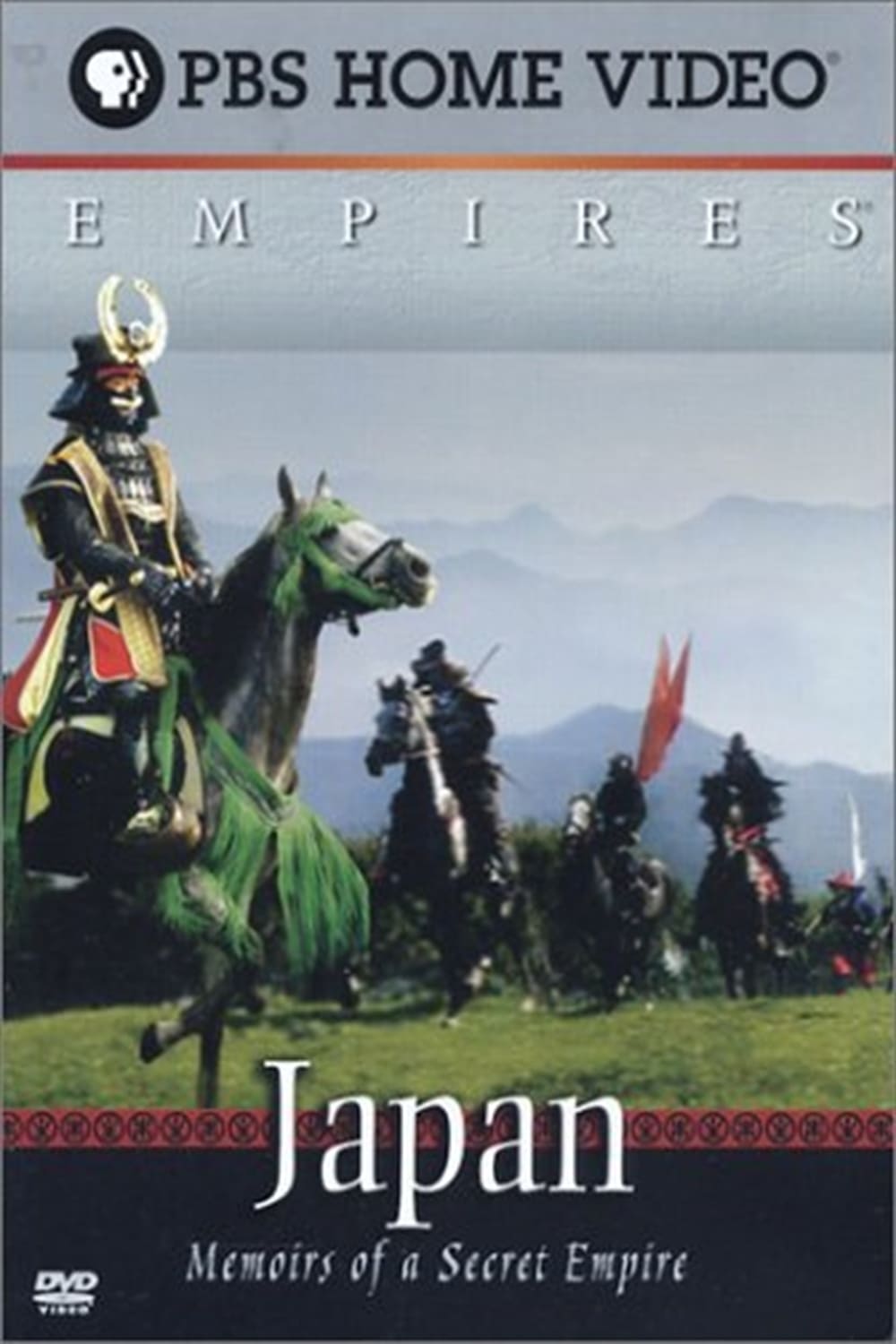
Japan blossomed into its Renaissance at approximately the same time as Europe. Unlike the West, it flourished not through conquest and exploration, but by fierce and defiant isolation. And the man at the heart of this empire was Tokugawa Ieyasu, a warlord who ruled with absolute control. This period is explored through myriad voices-- the Shogun, the Samurai, the Geisha, the poet, the peasant and the Westerner who glimpsed into this secret world.
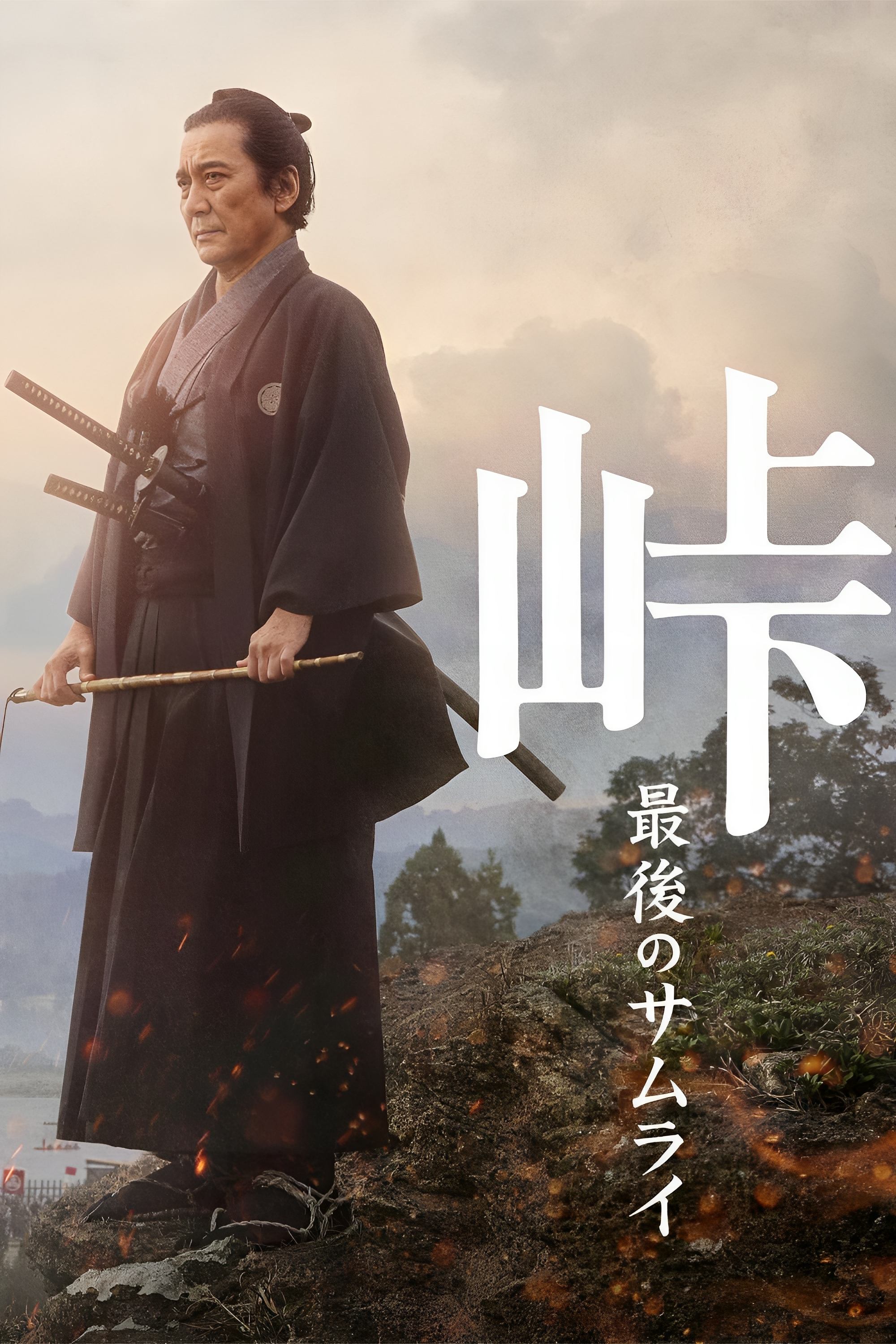
In the turbulent last days of the Edo period, Kawai Tsugunosuke, a Japanese samurai serving the Makino clan of Nagaoka, dreamt of independence from the restraints of vassalship. Despite his progressive views and his desire for his estate to remain neutral during the Boshin Civil War, he was bound by loyalty and duty to the clan and was compelled to choose sides.
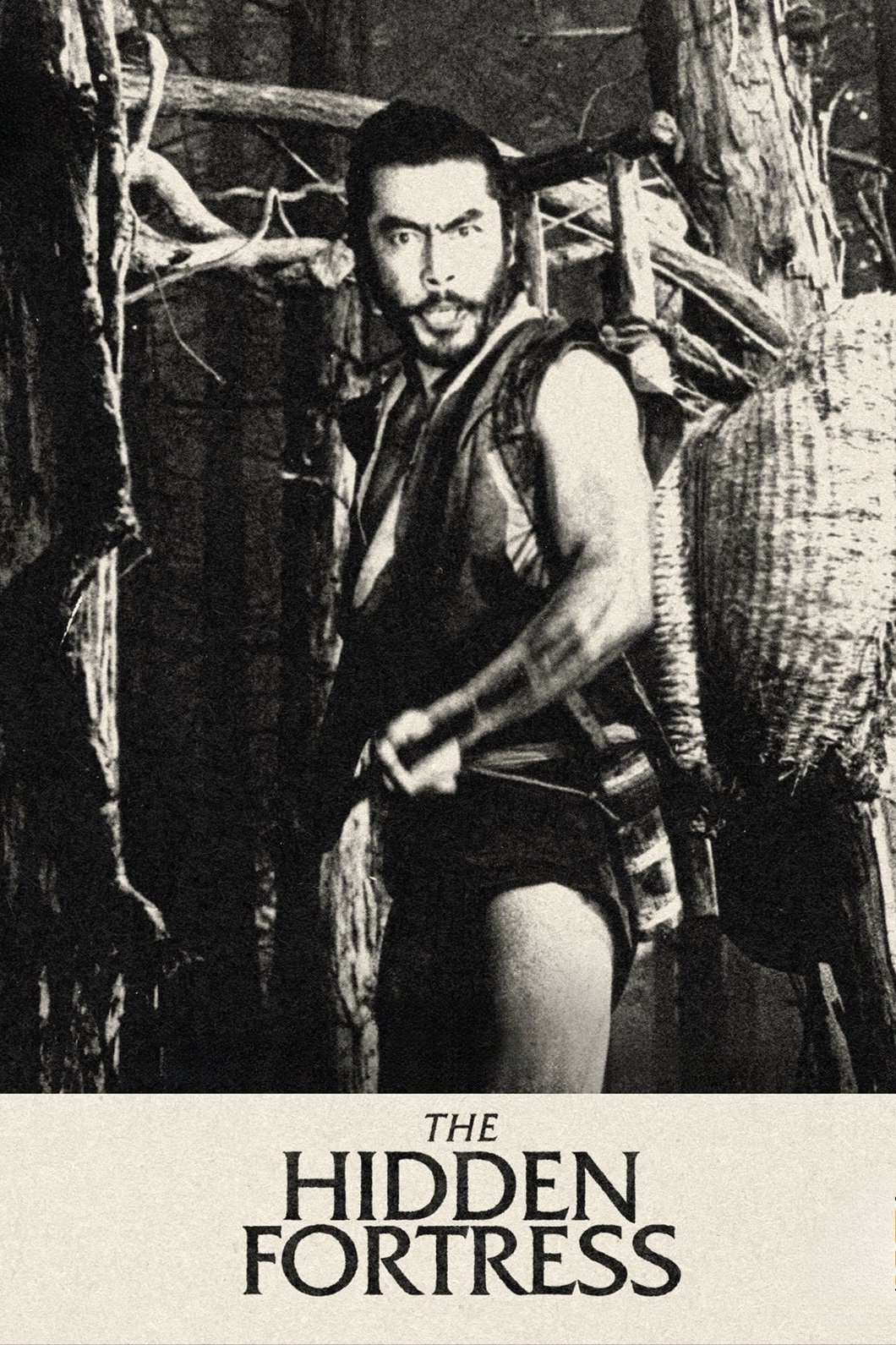
In feudal Japan, during a bloody war between clans, two cowardly and greedy peasants, soldiers of a defeated army, stumble upon a mysterious man who guides them to a fortress hidden in the mountains.
Edo-period samurai Araki Mataemon and his brother-in-law Watanabe Kazuma seek revenge on Kawai Matagoro. Paper film produced using celuloid from Araki Mataemon: Master Swordsman (Kumahiko Nishina, Japan, 1935)
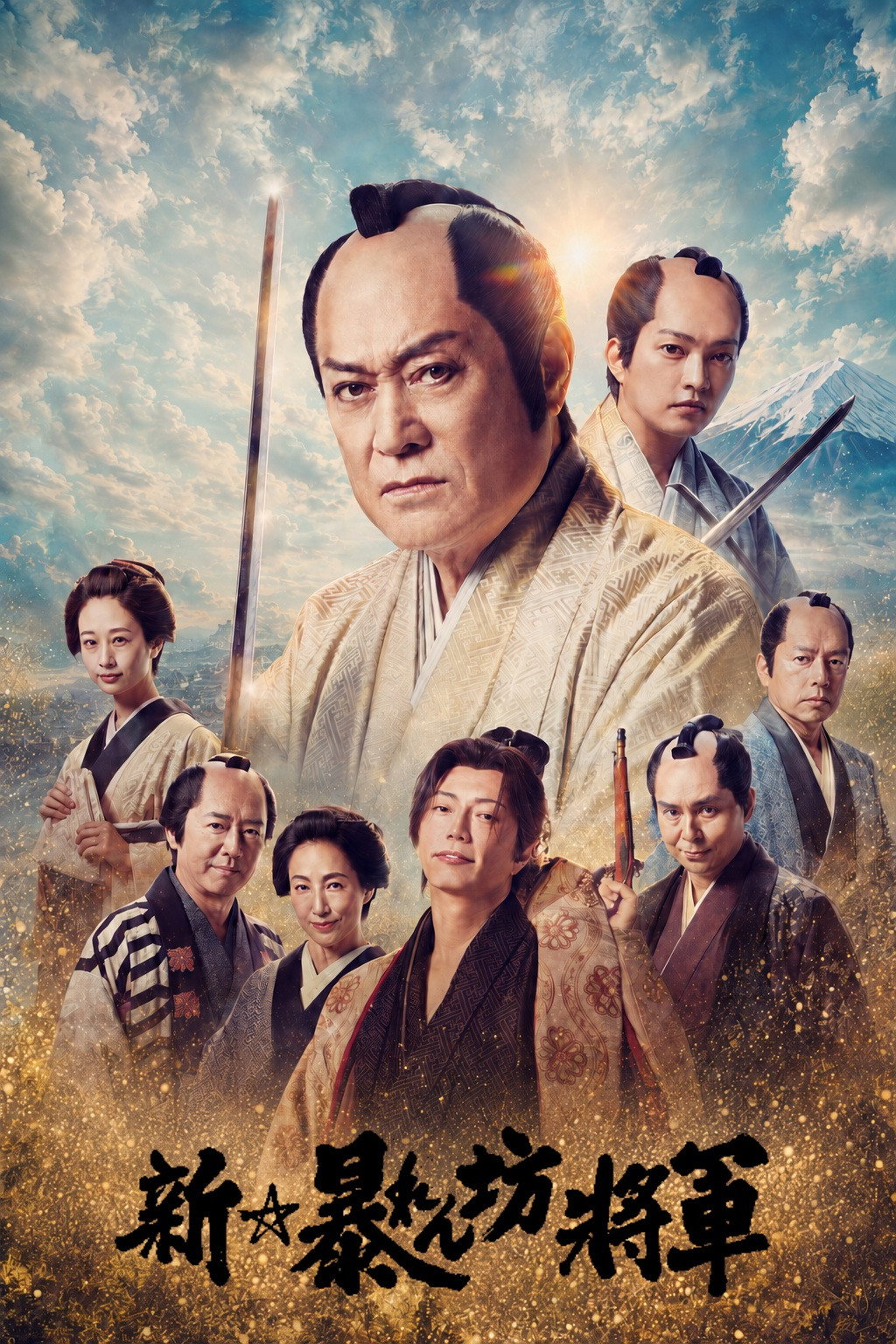
The eighth shogun, Tokugawa Yoshimune, fights against evil rampant in Edo while blending in with the common people as Tokuda Shinnosuke, the third son of a poor samurai retainer, commonly known as "Shin-san". The story depicts Yoshimune, who is shaken by the issue of succession, the drama within Edo Castle, and a difficult case involving a conspiracy that occurs in the castle town, with the addition of new characters and a sense of the era.
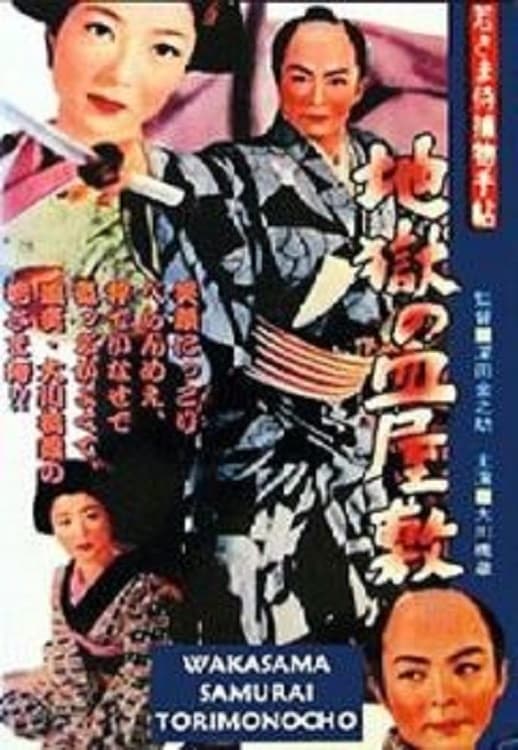
As a result of illness and unemployment, Yamaoka Tatewaki, a "Hatamoto" (or direct vassal of the Shogun), pawned his family heirloom, a valuable Gosu plate for 100 ryo. When, of all occasions, Yokogawa Dewa came to visit and asked to see the Gosu plate on May 5th, Boy's Festival. Yamaoka then sent his steward to borrow the plate back, but the pawnbroker coldheartedly refused. He died soon thereafter of an unknown cause. Soon after that, two warehouses were broken into, but nothing was taken. When Detective Shokichi seeks the help of Young lord samurai, in solving these mysterious crimes that plague the town he takes the case and immediately surmises that the thief was looking for something special. Could the answer be hidden in the coffin of a deceased merchant who had his most valuable things buried with him. The tension mounts and the mystery deepens. Can Young lord solve the case?
A warrior-in-training and his bumbling friends go in pursuit of a stolen sword.
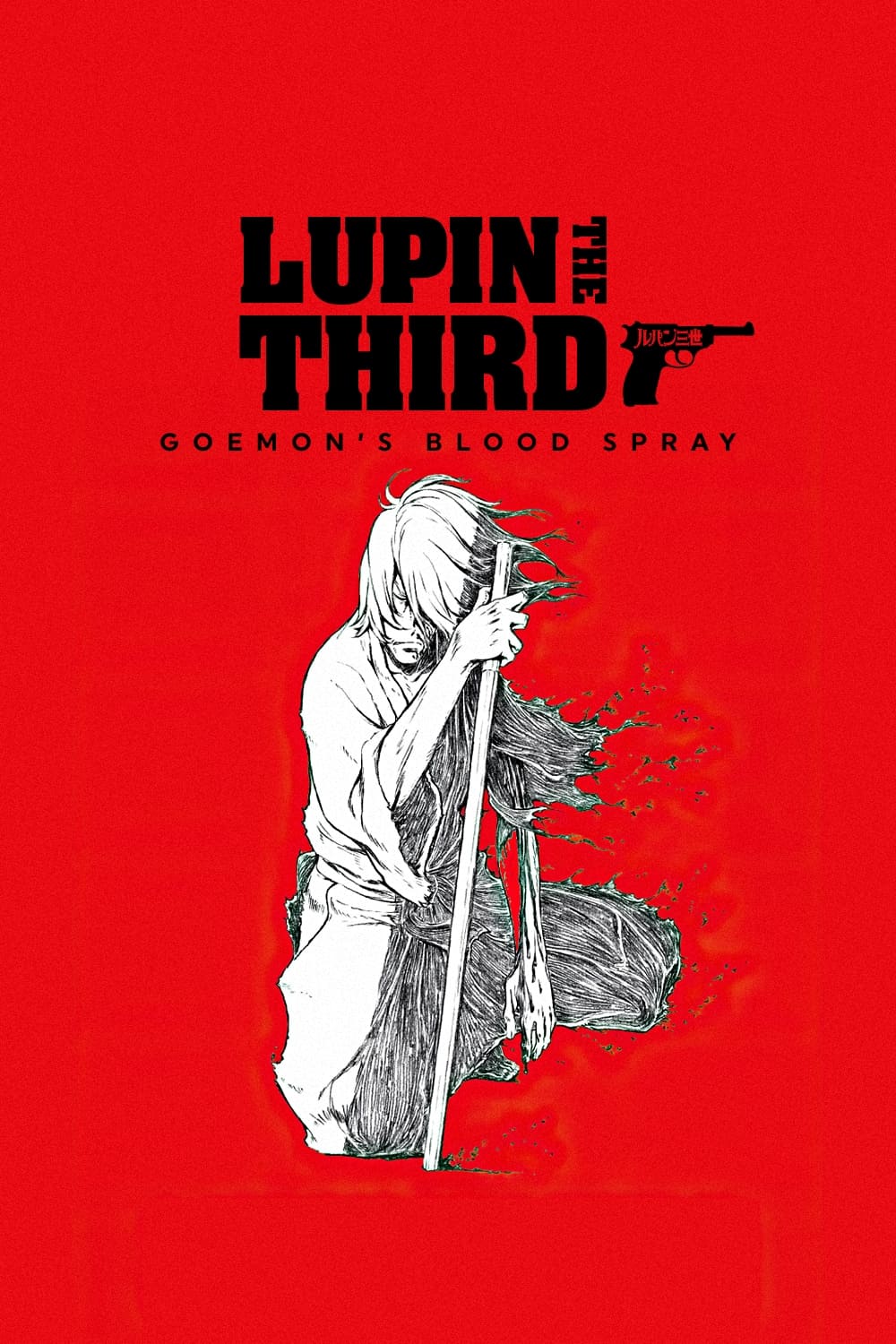
A yakuza boss hires Goemon Ishikawa, a modern day samurai, to protect him aboard his cruise ship casino. Everything goes sideways when the famous thief, Lupin the Third, tries to rob the vessel. Lupin's being hunted by a powerful and mysterious man: the so called “Ghost of Bermuda.” With Goemon's employer dead in the ensuing chaos, his honor is at stake, and the only way to preserve it is with blood. But this opponent is like no other, and to make things right, Goemon may need to sharpen not only his sword, but himself as well!
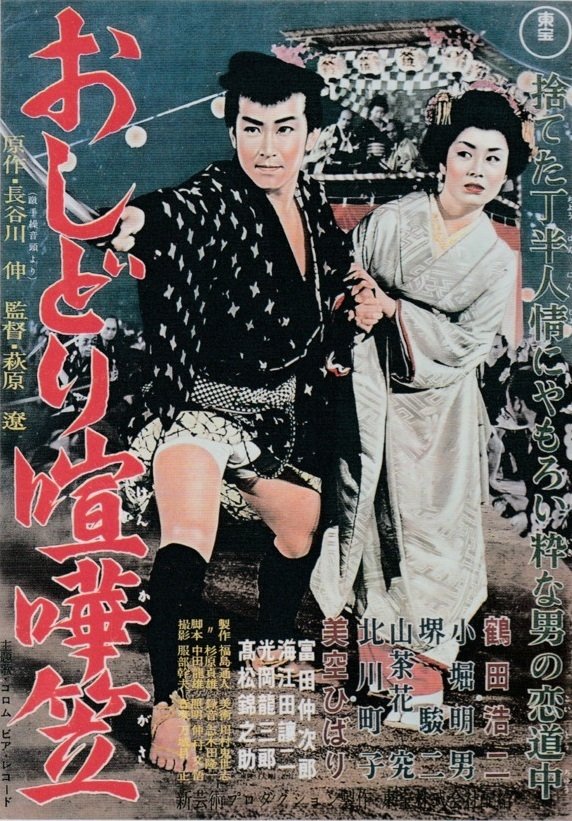
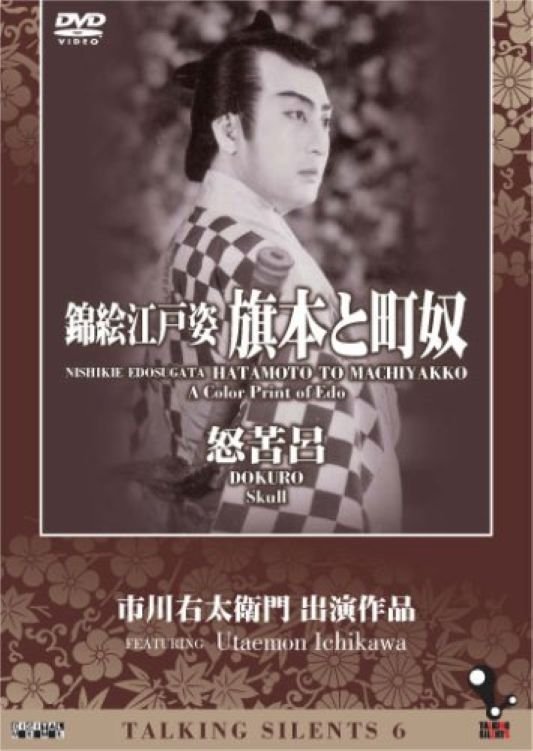
The Color Print of Edo is a 1939 black and white Japanese silent film with benshi accompaniment directed by Kazuo Mori. It is a cheerful period drama, sprinkled with comical scenes and tells the story of a loyal and handsome Edo period servant who fights to help his older brother marry the woman he loves. The star of this film, Utaemon Ichikawa, gained enormous popularity for his portrayal of a cheerful and chivalrous man.
Young Lord Genjiro, who abandoned his castle to live as a commoner in Edo, returns home to restore peace amidst disruption over an inheritance dispute. Warned by a fortune-teller that he would die by the sword, the young lord must courageously battle 30 or 40 men who attack without warning. Meanwhile, his love affair with Kocho, a singer who is also a skilled archer.
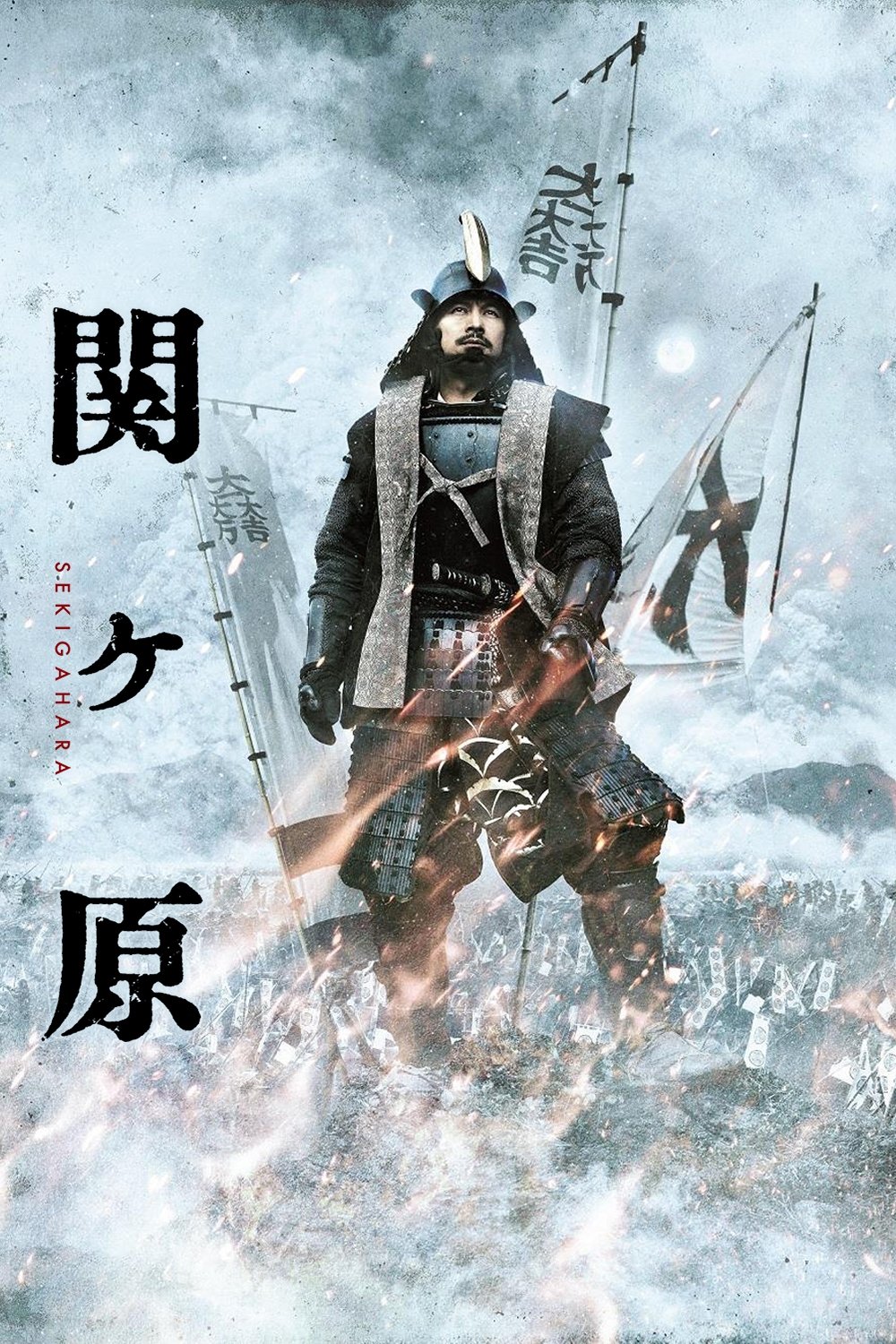
The background to and depiction of a watershed battle in Japanese history, at Sekigahara in 1600, when Tokugawa Ieyasu's Army of the East defeated the Army of the West of Ishida Mitsunari. The story includes the intrigues and shifting loyalties of the various retainers, family members, and samurai.
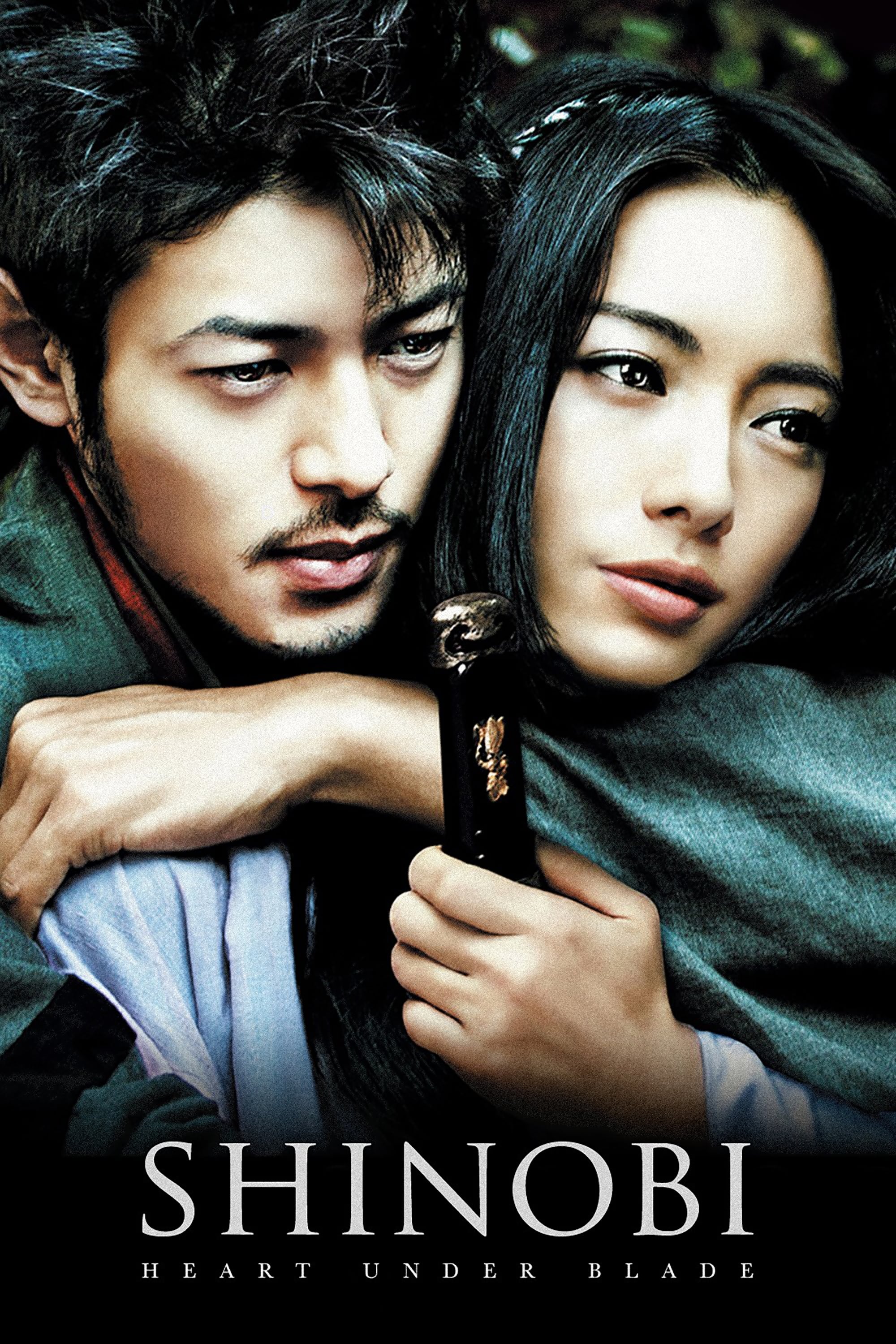
Even though Gennosuke and Oboro are from rival ninja villages, they are secretly in love. At an annual conference with the Lord, it is dictated that a competition--a fight to the death--will take place between the five best shinobi from each village. Gennosuke and Oboro's love is made even more impossible when they each got picked as the leader of the five to represent their respective villages.
The adventures of a blind, gambling masseur and master swordsman. Zatoichi targets a yakuza-controlled village, because war with a neighbouring town's smaller gang is brewing.
Returning to the village where a year before he had killed Hirate, a much-admired opponent, Zatoichi encounters another swordsman and former rival in love.
Master thief Kinosuke arrives in Edo to pull off one final heist for a tea-server who resembles his long-lost love, while Hasegawa Heizo’s spy Kumehachi tries to stop him, only to be exposed and trapped alongside the thief by Kinosuke's own crew.
A tale of friendship, betrayal, and forbidden love—set against the backdrop of Edo’s criminal underworld. While patrolling the Honjo district, the legendary samurai detective Heizo Hasegawa crosses paths with his old dojo friend, Samanosuke Kishii, and a local ruffian, Hikoju of Sagami. When they discover that Ofusa, the woman they both once loved, has been forced into marriage with a corrupt lord, their reunion takes a dark turn. As secrets from their past resurface, a deeper conspiracy tied to their former mentor begins to unravel—one that will test Heizo’s loyalty, honor, and sense of justice.
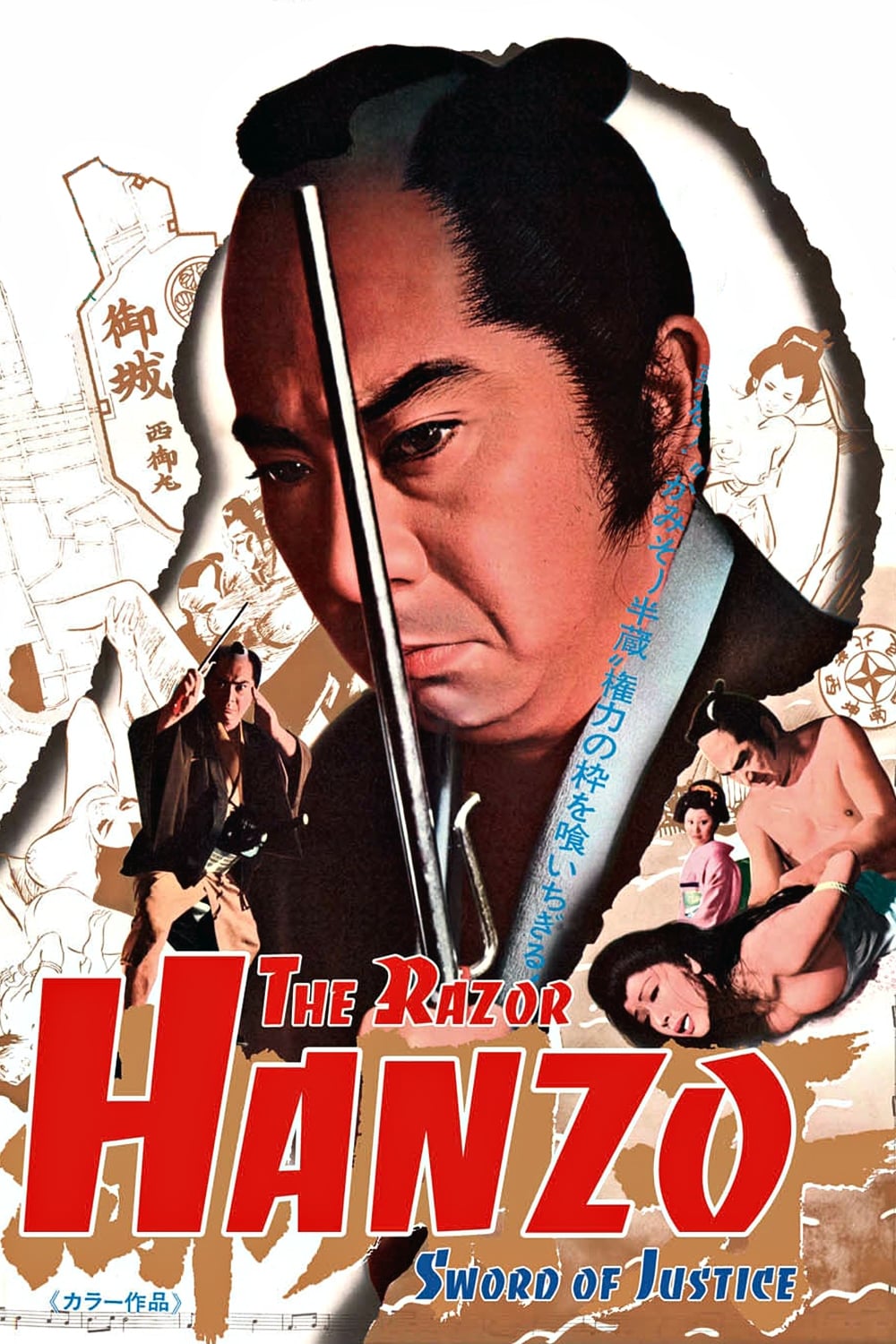
Fearless Edo-period police inspector Hanzo Itami, nicknamed The Razor, has developed his own unique way of extracting information for his inquiries. His first adventure sees him investigating his superior officer's mistress, whom he suspects of having ties with a reputed criminal on the loose.
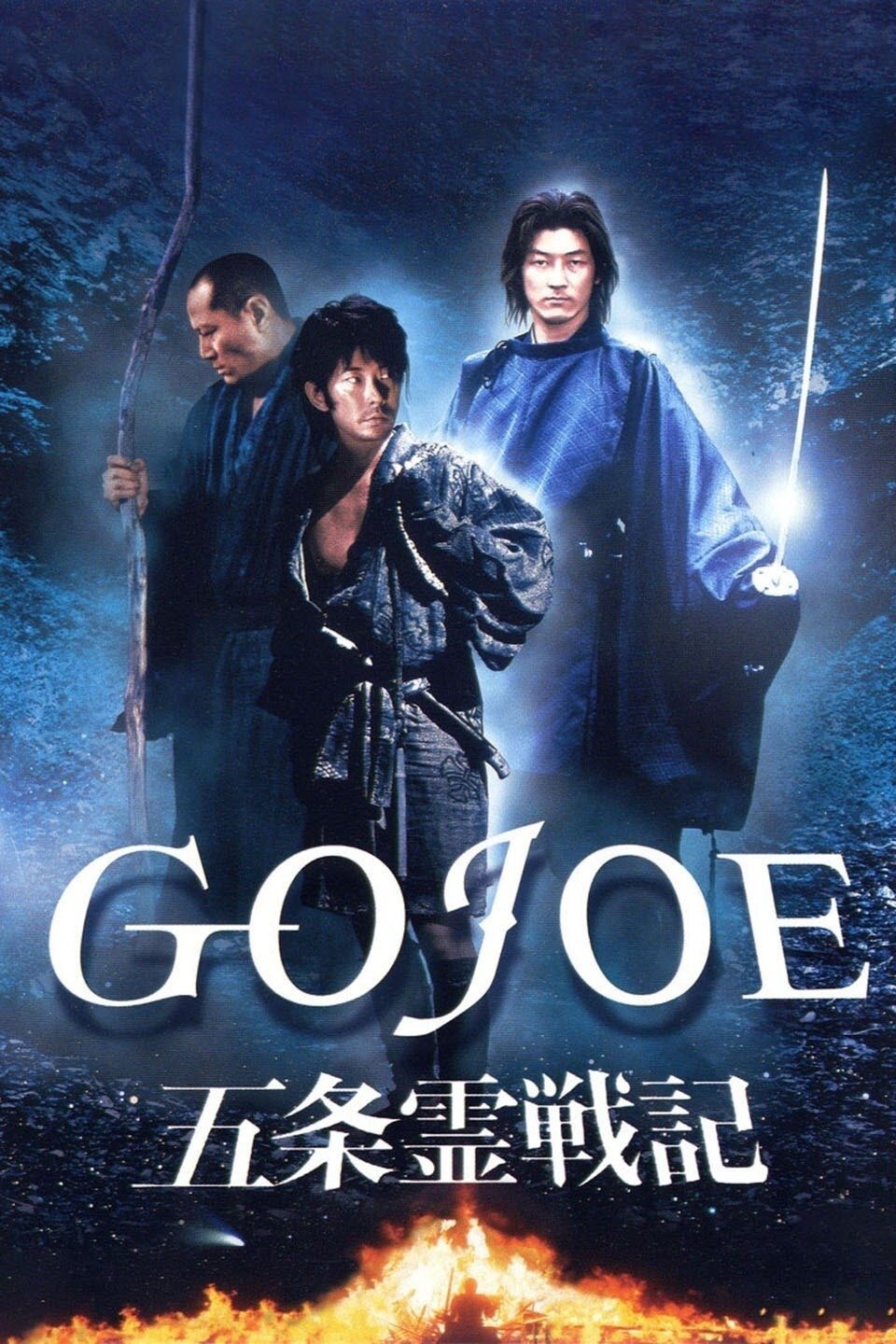
Benkei, a master fighter and killer, vows never to take another life after his conversion to Buddhism. His faith in pacifism, however, is shaken and ultimately broken by the attacks from a trio of fighters known only as the demons. Taking up his sword once more, he sets out to end their murderous terror.
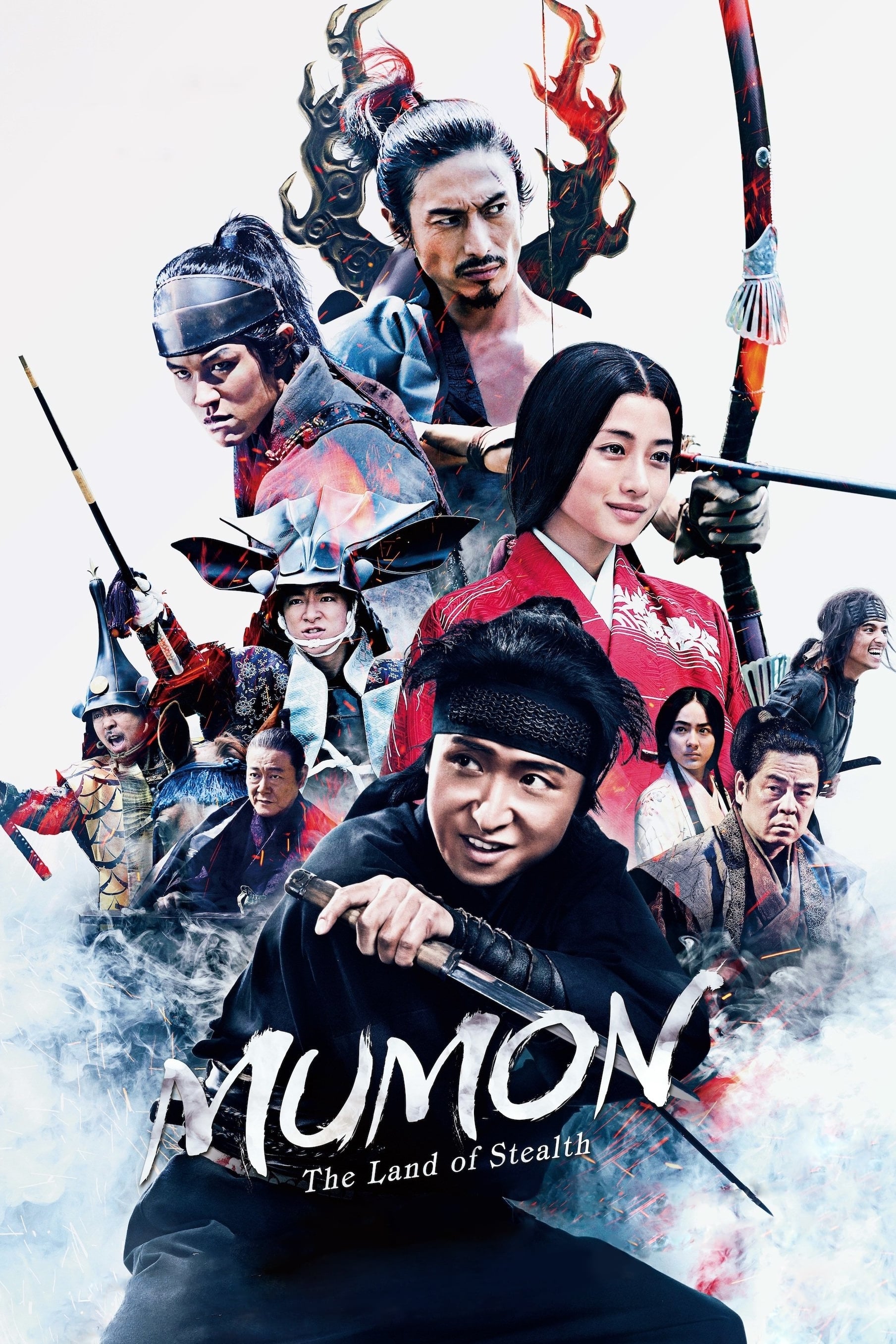
Raised suckling poison arrows among the sparring Iga ninja factions, Mumon is a carefree 16th-century mercenary. When the ninja council makes a power play to defeat the young Nobukatsu Oda struggling to step into his father’s warlord shoes as they expand rule across the country, Mumon jumps into the fray to satisfy his new bride Okuni’s demand that he make good on his promises of wealth. Yet Mumon soon finds what is worth fighting for beyond money or nation.
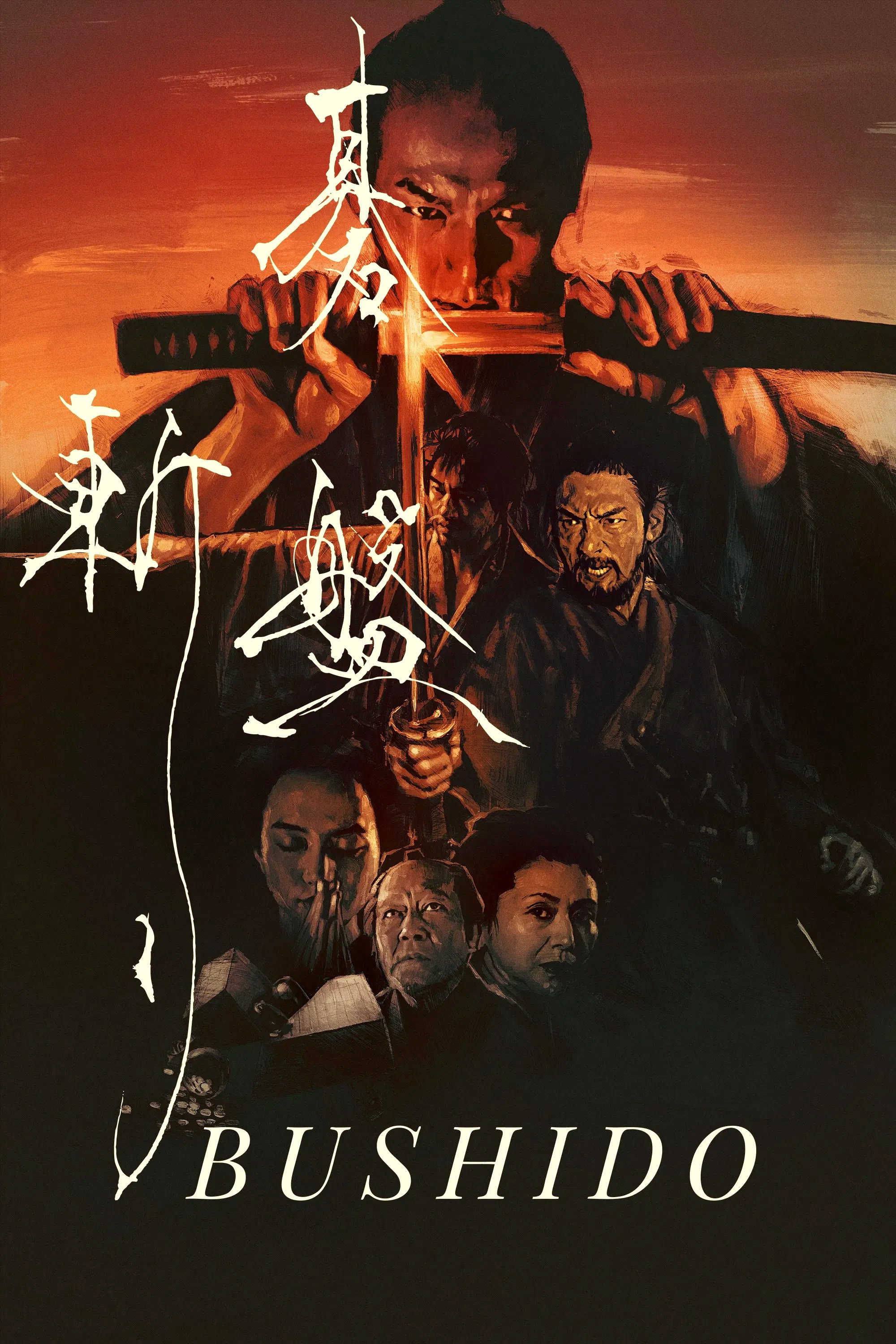
Kakunoshin, renowned for his skills with a sword and in the game of go, embodies the samurai code. Falsely accused of a theft, he is forced to become a lowly ronin. Years later, when a case of missing gold pulls him into a new web of intrigue, Kakunoshin uncovers the truth behind his downfall. With the real culprit exposed, the go board flips, and a hellstorm of righteous vengeance follows.
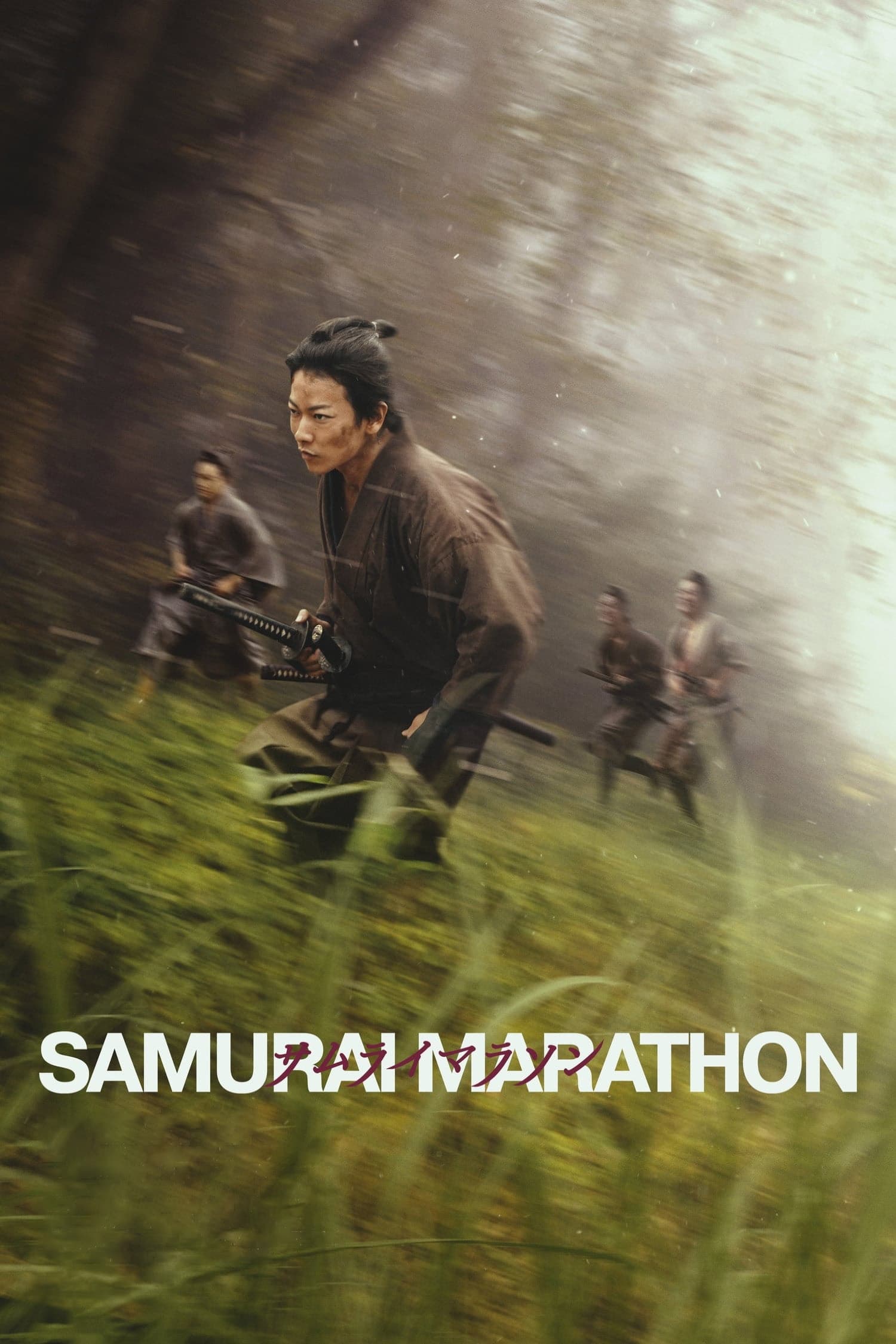
When feudal lord Itakura Katsuakira decides to prepare his samurai troops for the onslaught of modernization by having them compete in a marathon, his independent-minded daughter Yuki secretly joins the race.
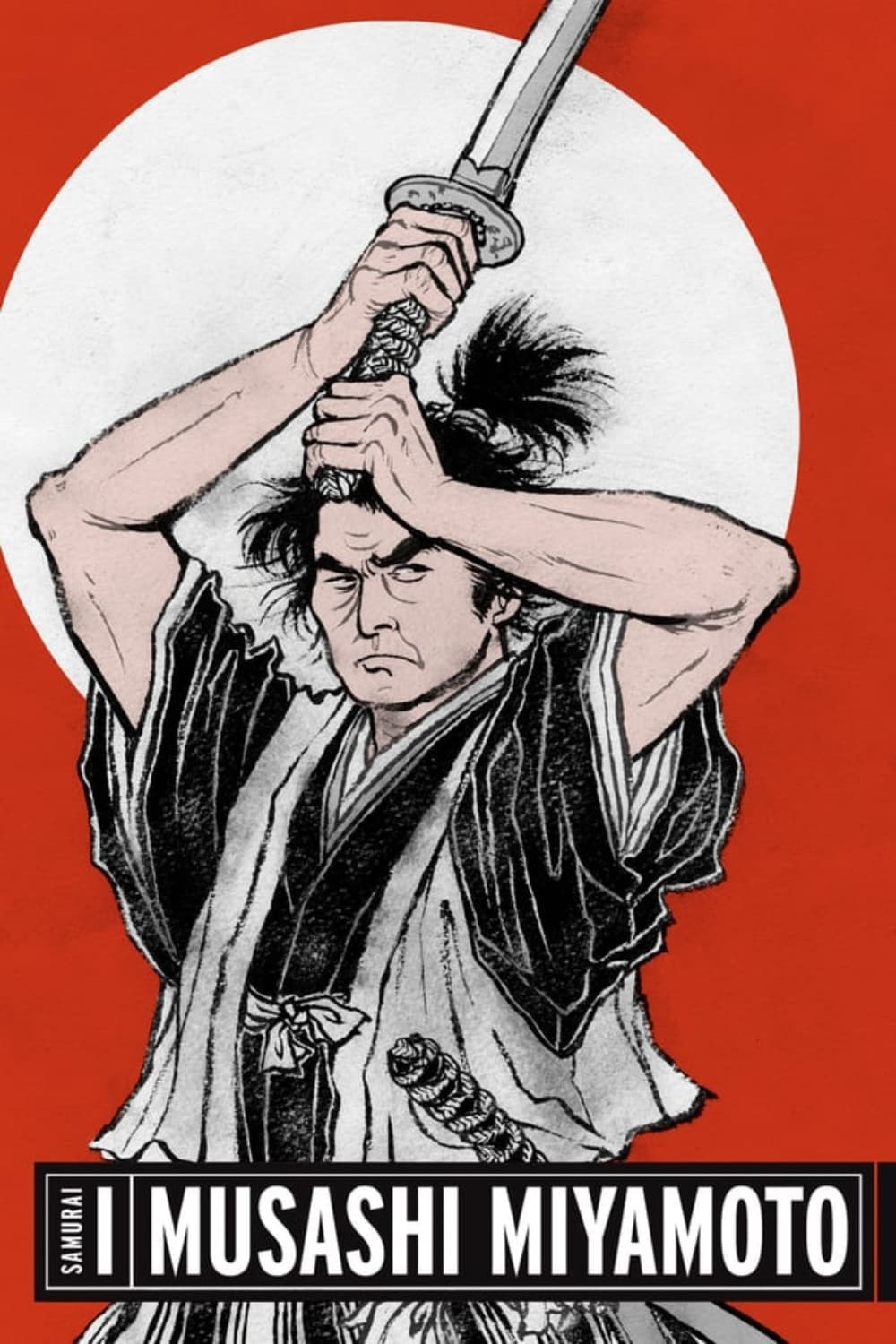
Struggling to elevate himself from his low caste in 17th century Japan, Miyamoto trains to become a mighty samurai warrior.
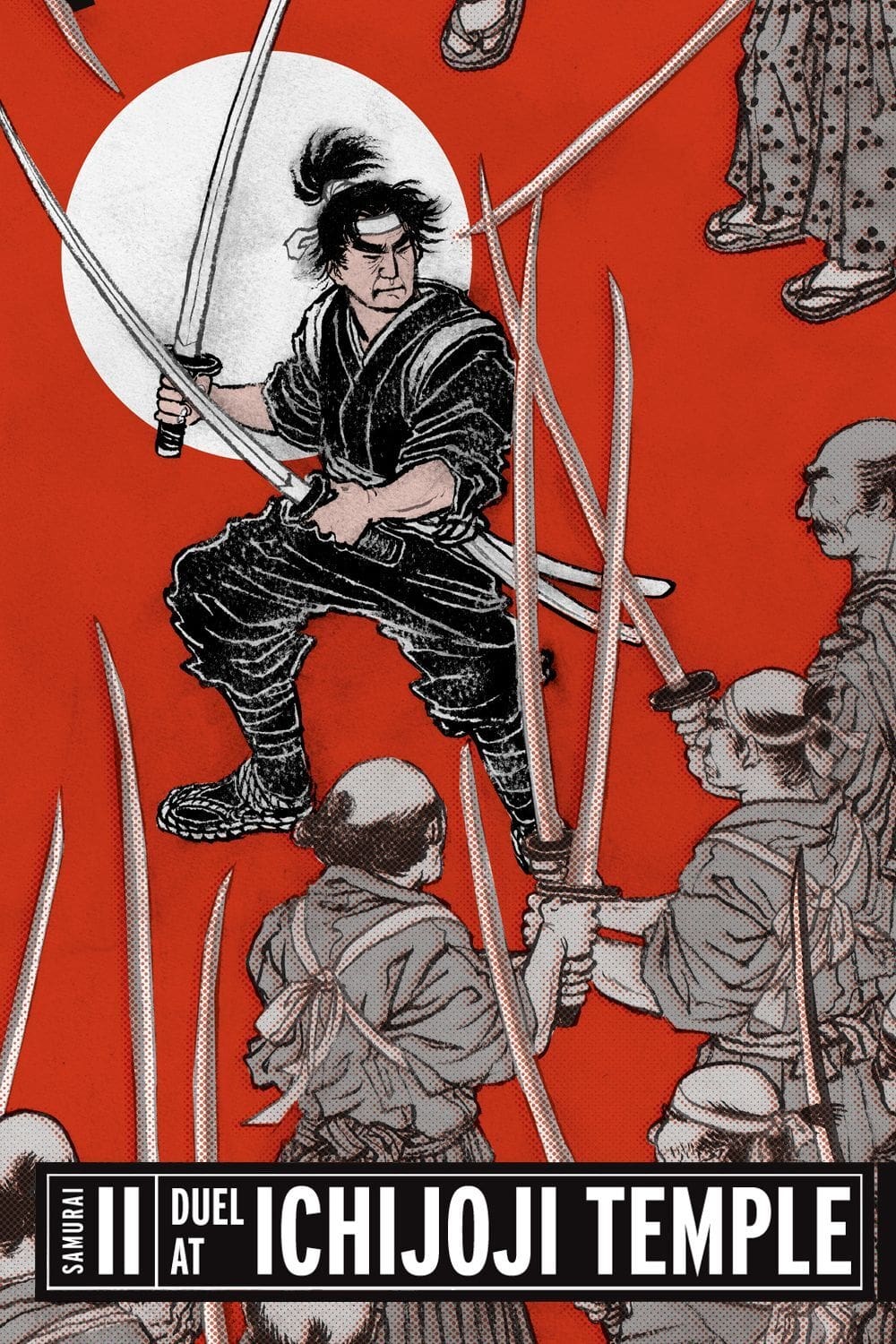
After years on the road establishing his reputation as Japan's greatest fencer, Takezo returns to Kyoto. Otsu waits for him, yet he has come not for her but to challenge the leader of the region's finest school of fencing. To prove his valor and skill, he walks deliberately into ambushes set up by the school's followers.
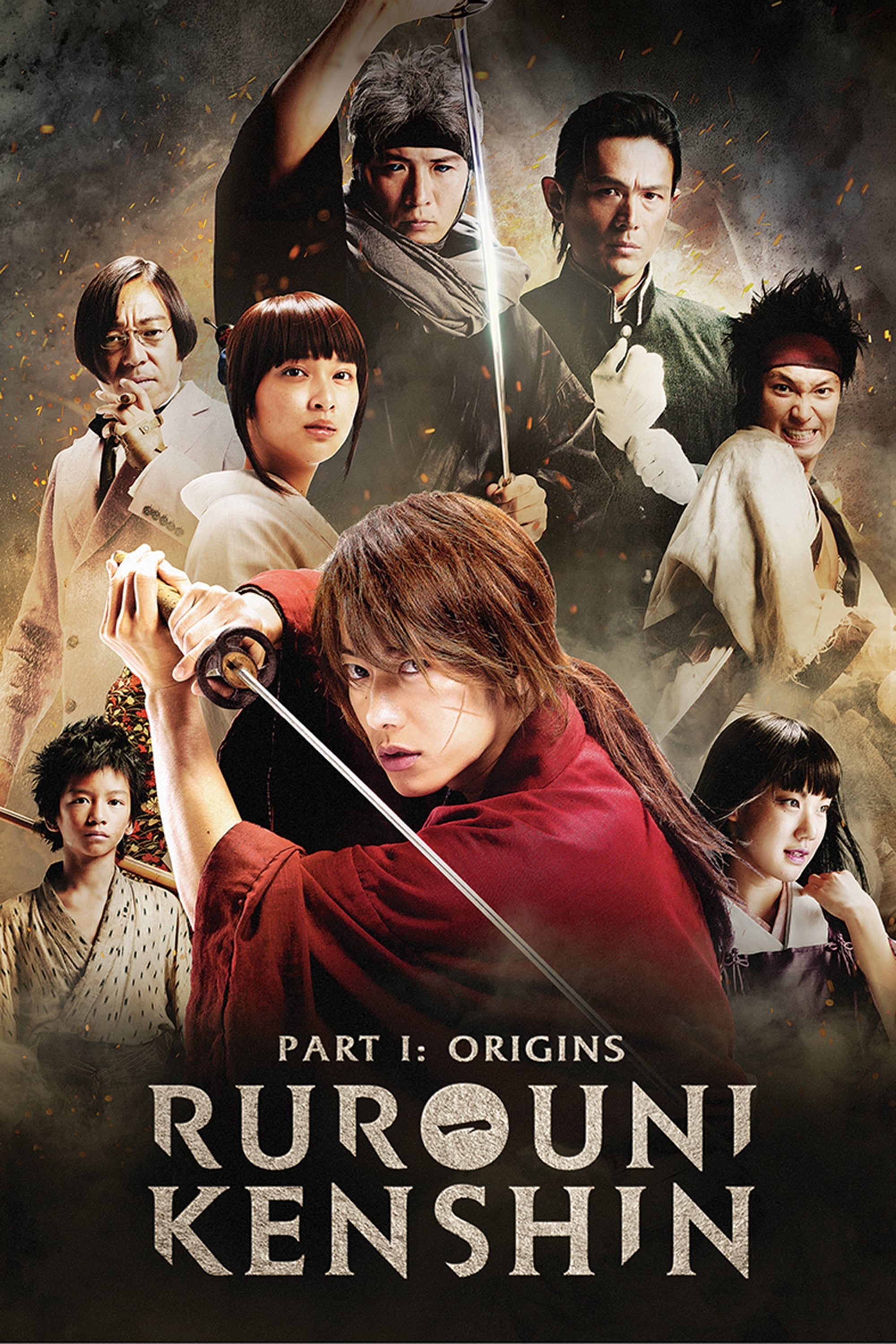
In 1868, after the Bakumatsu war ends, the ex-assassin Kenshin Himura traverses Japan with an inverted sword, to defend the needy without killing.
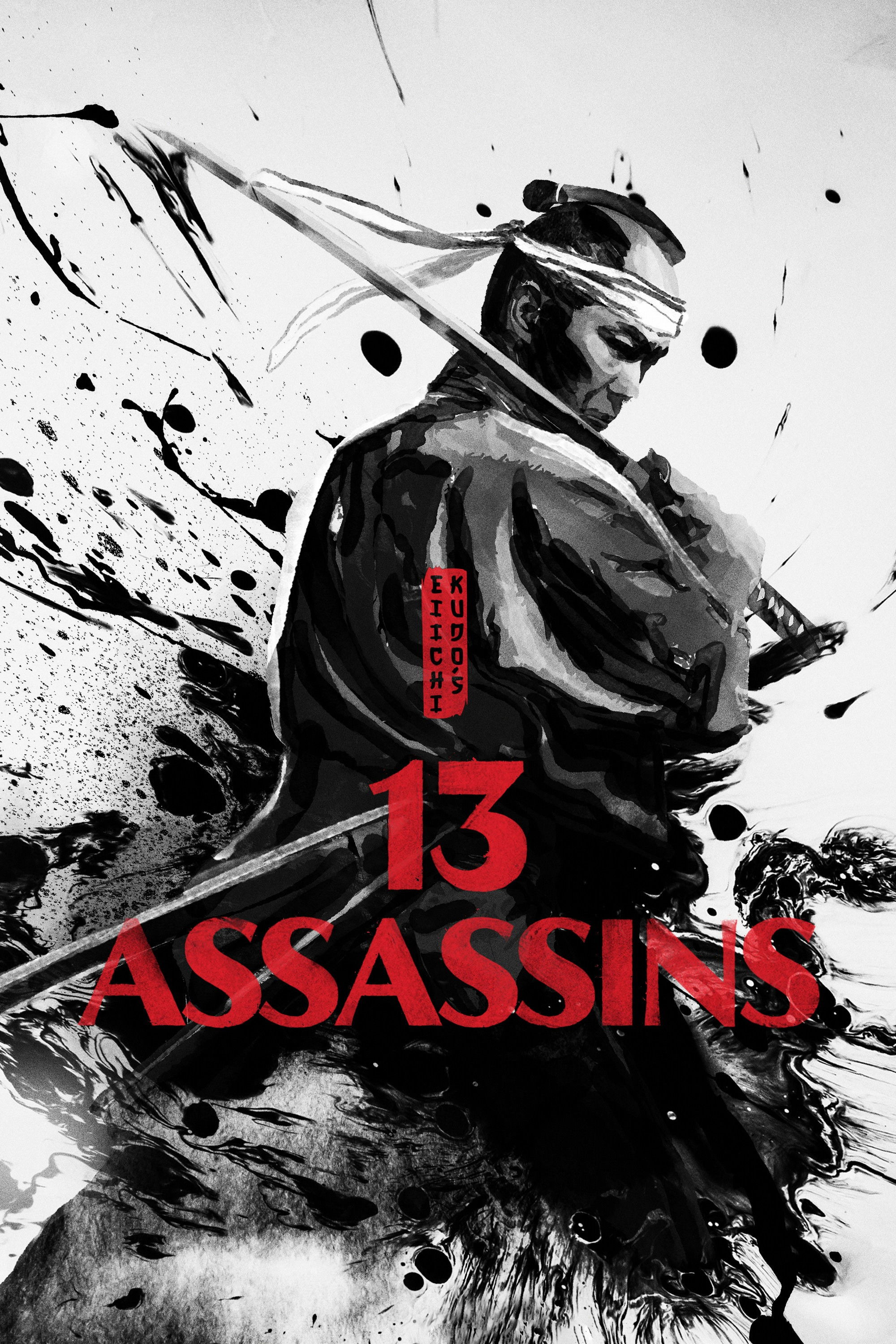
A sadistic Daimyo (feudal lord) rapes a woman and murders both her and her husband, but even when one of his own vassals commits suicide to bring attention to the crime, the matter is quickly hushed up. Not only will there be no punishment, but because the Daimyo is the Shogun's younger brother, he will soon be appointed to a high political position from which he could wreak even more havoc. Convinced that the fate of the Shogunate hangs in the balance, a plot is hatched to assassinate the Daimyo. The two most brilliant strategic minds of their generation find themselves pitted against each other; one is tasked to defend a man he despises, and has a small army at his disposal. The other is given a suicide mission, and has 12 brave men. They are the 13 Assassins.
Zatoichi comes upon the town of Tonda, overrun by gangsters. Using one of his favorite techniques, Zatoichi proceeds to win 8 ryo in a rigged gambling game. Of course, the local gangsters attempt to kill him, and the adventure begins. It turns out a blacksmith named Senzo examines Zatoichi's cane sword, and discovers it to be forged by his old mentor. Senzo discovers the sword is at the end of its usefulness and will break when it is used next.
A rebellious ninja in 17th century Japan takes refuge with a fisherman and his family.
Older, wiser but still a wandering loner, the blind, peace-loving masseur Ichi seeks a peaceful life in a rural village. When he's caught in the middle of a power struggle between two rival Yakuza clans, his reputation as a deadly defender of the innocent is put to the ultimate test in a series of sword-slashing showdowns.
A fugitive lord and his six retainers disguise themselves as monks to bluff their way through a hostile checkpoint.
In this companion piece and sequel to "Yojimbo," jaded samurai Sanjuro helps an idealistic group of young warriors weed out their clan's evil influences, and in the process turns their image of a proper samurai on its ear.
Japan, 1860. The men of the Mito clan, victims of the Ansei purge, anxiously prowl around the Sakurada Gate of Edo Castle with the intention of assassinating Naosuke Ii of Hikone, tairō of the Tokugawa shogunate and responsible for their misfortune.
Ryunosuke, a gifted swordsman plying his trade during the turbulent final days of Shogunate rule, has no moral code and kills without remorse. It’s a way of life that leads to madness.
In a poor district of Edo lives a young samurai named Soza. He has been sent by his clan to avenge the death of his father. He isn't an accomplished swordsman however, and he prefers sharing the life of the residents, teaching the kids how to write etc. When he finally finds the man he is looking for, he will have to decide whether he follows the way of the samurai or chooses peace and reconciliation.
Kanichiro Yoshimura is a samurai and family man who can no longer support his wife and children on the low pay he receives from his small-town clan. He is forced by his love for his family to leave for the city in search of higher pay to support them.
On the Hokkaido frontier, a war veteran and Ainu girl race against misfits and military renegades to find treasure mapped out on tattooed outlaws.
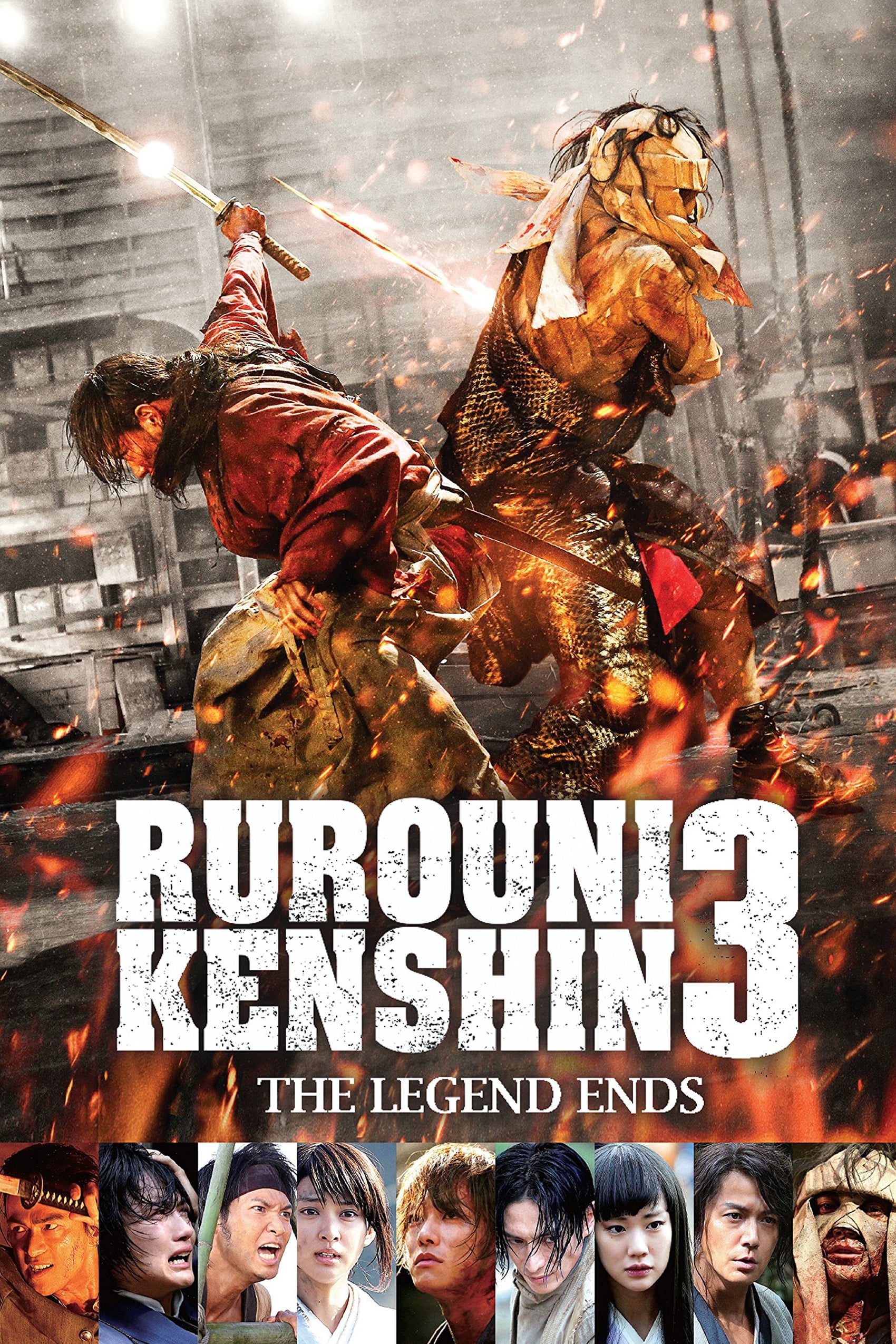
Shishio sets sail in his ironclad ship to bring down the government. In order to stop him, Kenshin trains with his old master to learn his final technique.