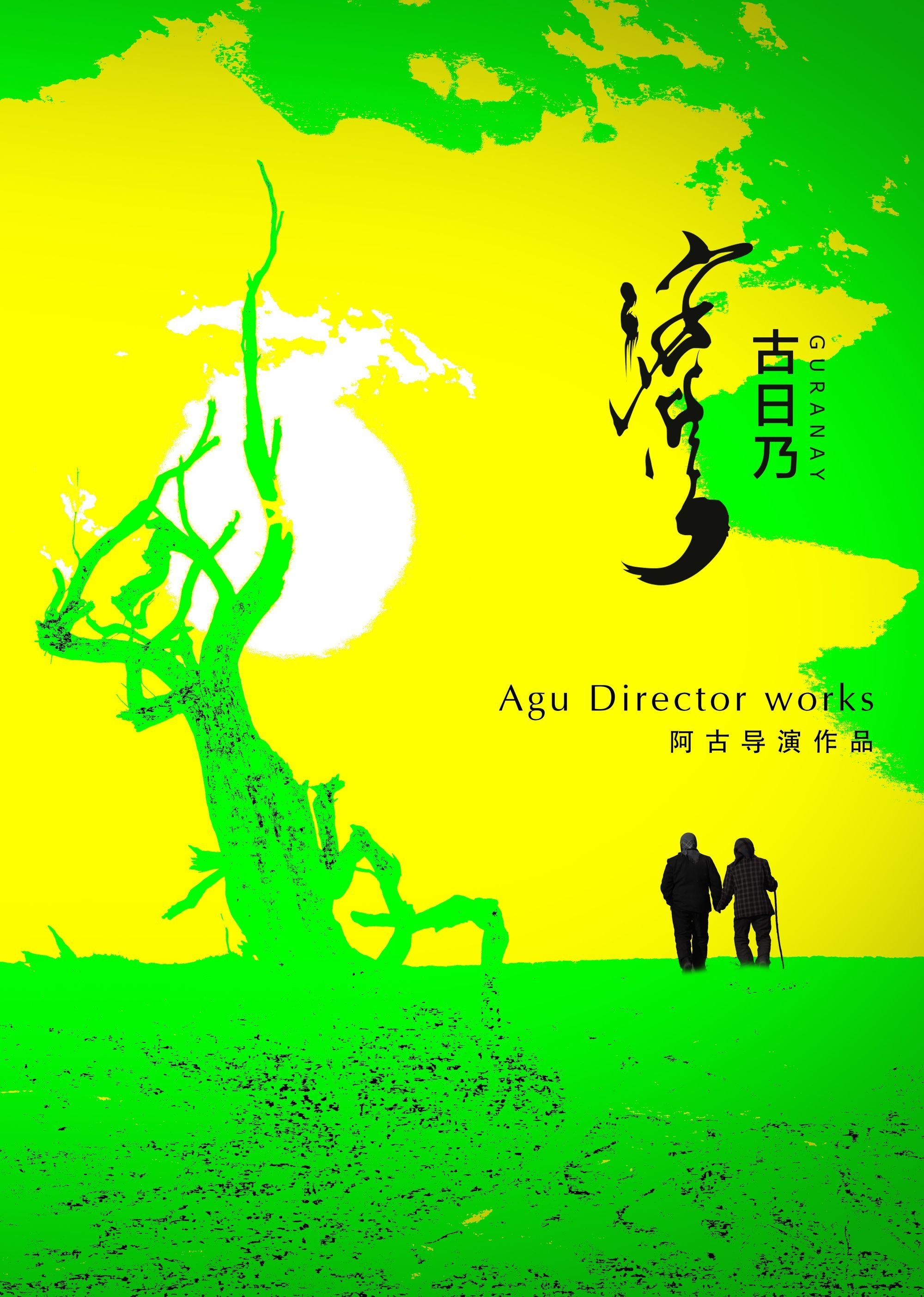
This film is a realistic record of a sixty-year-old couple living in a remote village (Gurenay) in the Badain Jaran Desert of Alashan, Inner Mongolia plant thousands of mu of ammodendron and euphratica to fight against expanding deserts.
Social & External
The people behind it
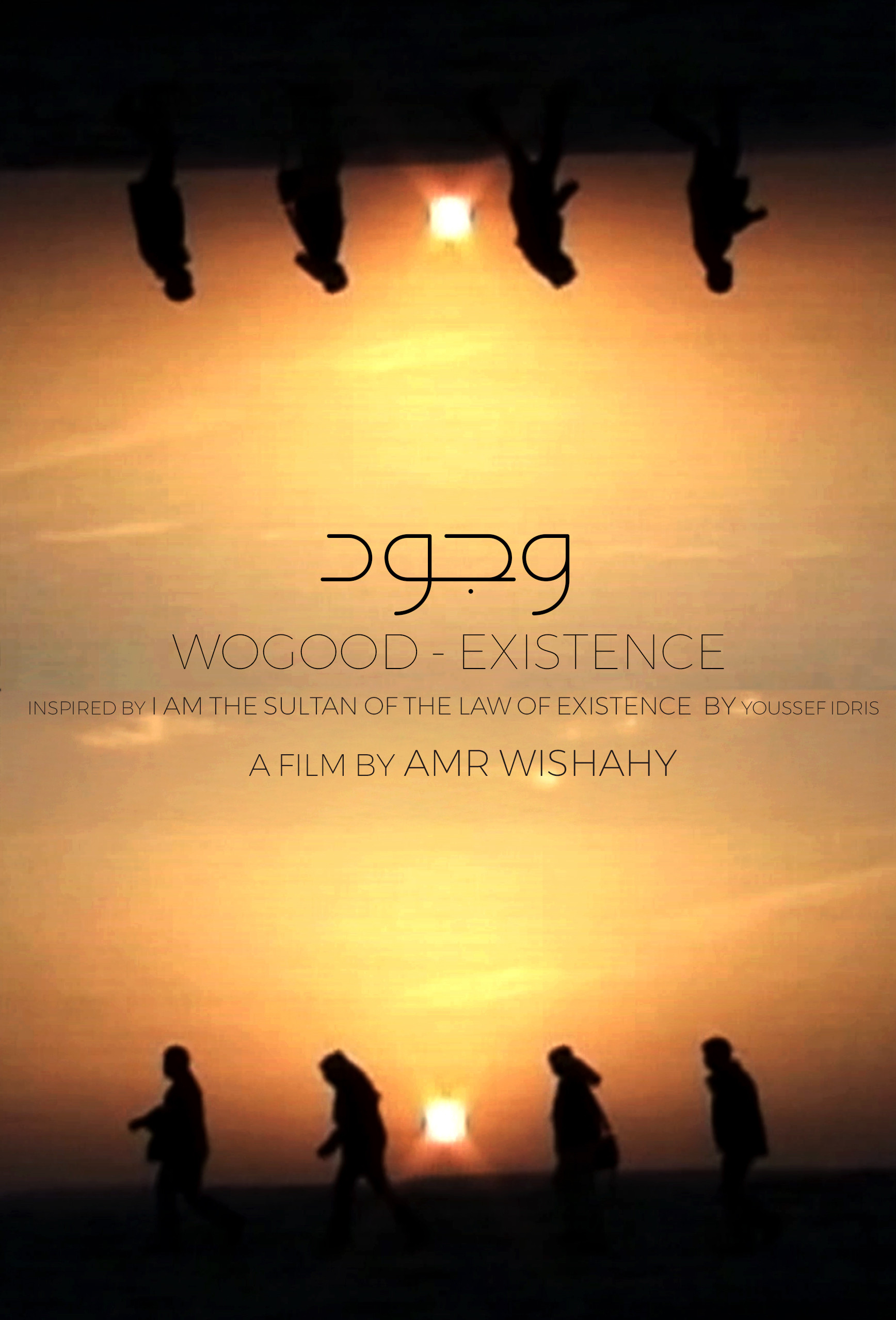
After reading I Am the Sultan of the Law of Existence by Youssef Idris, a five-day journey through Egypt’s Western Desert, traveling from north to south., covering 2,800 km and shooting for 35 hours, the expedition became both physical and existential. The desert’s vastness and silence echo the text’s meditation on the relationship between man, nature and the universe, transforming the landscape into an active force that reshapes perception and confronts the nature of existence.
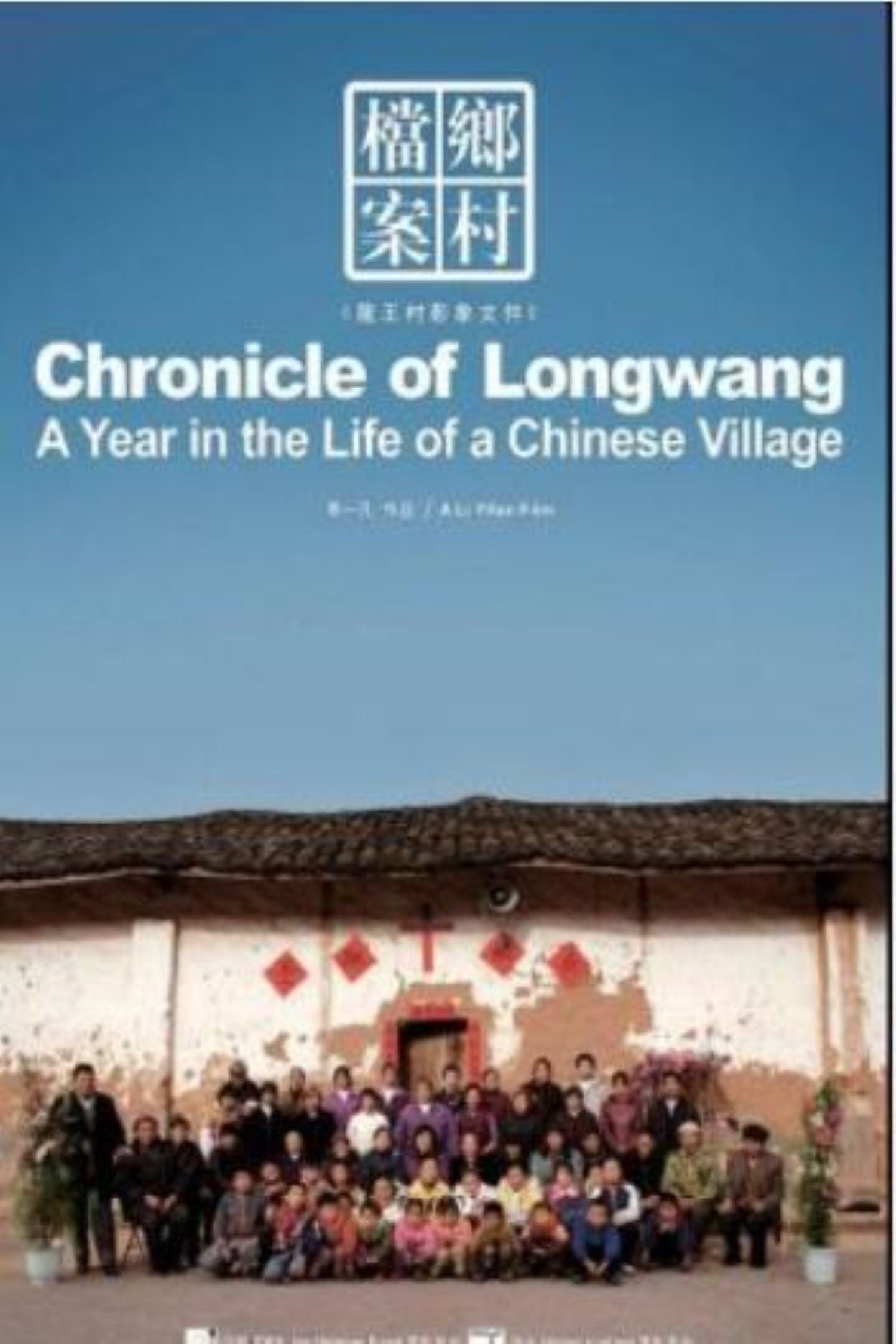
Unusually popular religions and extreme secular beliefs, unconstrained power and no authoritarian society, people work hard on the land and live thrifty but do not believe in the meaning of life at all. This is Longwang Village, an empty old farming society, the most essential reality of an ordinary western village. The film does not have a perpetual plot. The images are presented with the changing of the four seasons. There is no great joy or great sadness. Everything is recorded, and no results are produced. Strictly speaking, this is actually just a rural video file, a running account of ordinary western villages without all rhetoric.
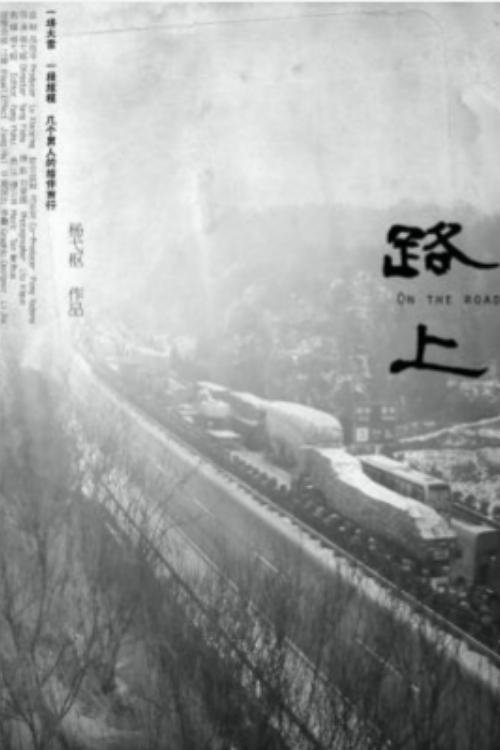
Only a few days before the Spring Festival of 2008, several truck drivers set off from Nantong, Jiangsu Province, to Guizhou province to deliver goods. But what they didn't expect was that they ran into a big snowstorm not long after their departure. What would these drivers do after they got caught up in a snowstorm and coudn't do nothing about it but wait? How would they react to this unexpected halt? And what would happen to this convoy?
The player of Jia Zhangke's early film "Xiao Wu" and the famous independent film activist Wang Hongwei talked about Chinese independent films at the IFF Independent Film Forum.
‘Body’ is an object we are all familiar with. For British sculptor Anthony Gormley, it is a medium for expressing thoughts about space, while for young female artist Wang Ying, it is a potential vehicle for expressing emotions. This documentary uses a split-screen method to create a three-dimensional space like a "body". It not only explores the artistic concept and development of Wang Ying, a female artist born in the 1990s who studied in the UK but also completed it on this basis. The documentary creator (me) thinks about her and her body, from'meeting','seeing' to'existence'
In the dream I had one early morning in 2014, I was sitting in the backseat of a car. The driver suddenly turned to look at me and said: Why aren’t you filming? It was my second elder sister who had already passed away. After her death, I began to keep a diary and take pictures. When I got a video camera, I began to film the daily life of my family. I filmed out of the fear of death and loss. The idea was to capture everything on film before it disappeared. 2015 was the 20th anniversary of my sister’s death. That dream seemed to tell me to face her death. Death did not stop the passing of time, and the family members I was filming continued to avoid their grief which hadn’t subsided with time. Birth and death continue to alternate in our lives, and we are always getting ready for the day when we must say goodbye.
I just watch the news of war in a distant country on my mobile. My fingers go back day by day to the day the war broke out and pose to see comments posted on the Facebook News Feed that I follow. Outside, I have friends who participated in anti-war rallies.
This is a film about the unison between the four seasons of life and the four seasons of the year, intertwined with the geospatial and temporal dimensions of a small town named Tongchuan situated on the northwest of the Loess Plateau.
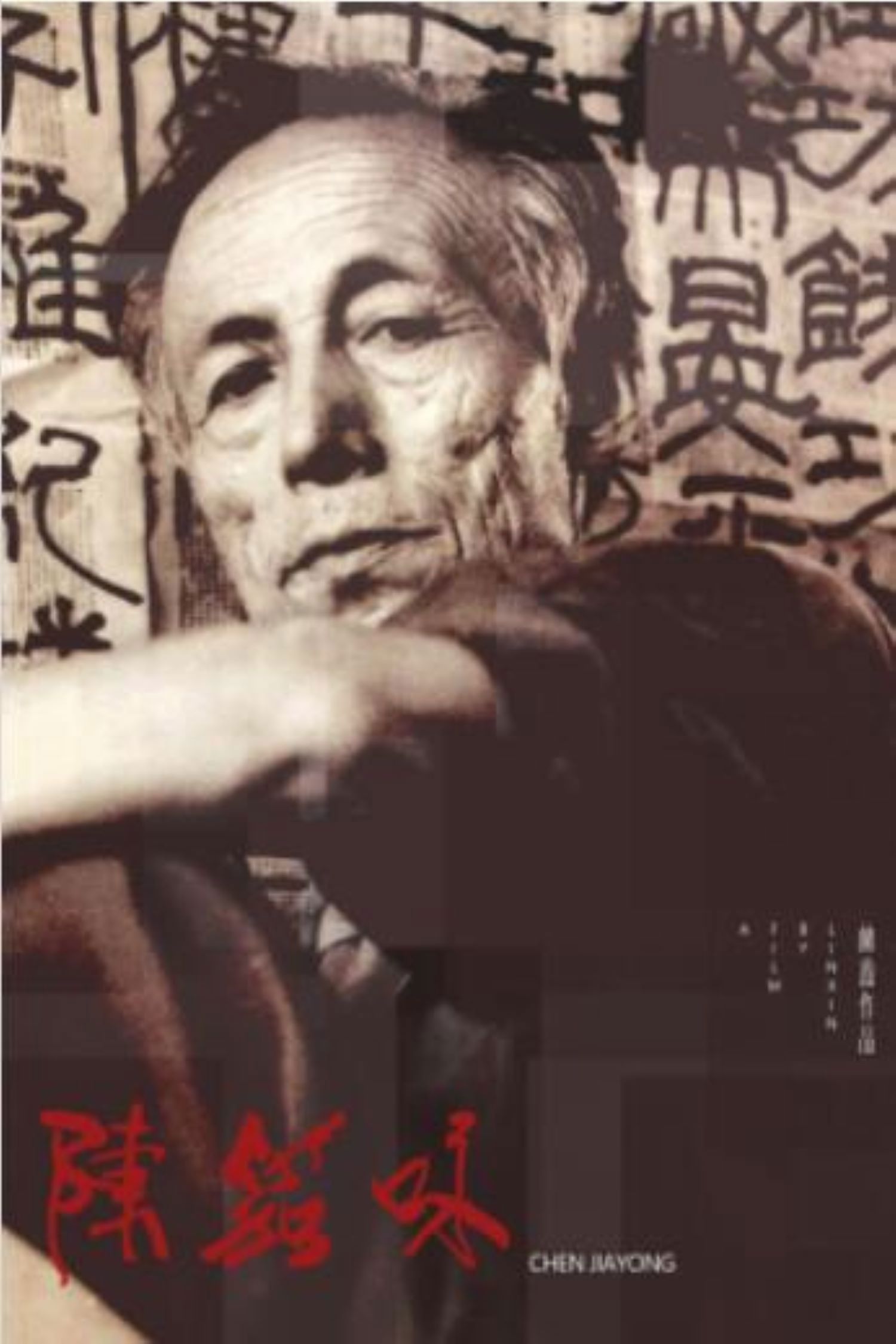
An individual's life experience is always a reflection and epitome of the times. Through the environment, literature, oral narration, calligraphy and painting works, this film faithfully records the upbringing background, family circumstances and life of the painter Chen Jiyong. His life experience and mind-watching are an ordinary case of countless intellectuals who have disappeared in the dust of time. At the same time, he has become a sample of images and life statues about this period of history.
The film records the emotions and destinies of seven single women. Whether at a loss, confused, waiting in hope, disappointed, helpless, compromised, independent or defiant, they are closely bound up to this agitated and chaotic era. Through their different experiences they tell us about the failed marriages of middle-aged women, about life being single, and about a group of men who have not yet showed up but who appear vivid from a female perspective.
This is an image of a family. Through the memories of many people, it traces the growth, migration and different life experiences of several generations of the author's family. It shows the destiny of ordinary people and their inner scenery in social transformation. Each generation has its own joy and pain, and life still continues in hope, hardship and helplessness. The various imprints of survival that remain in the film are the hard riverbed of individual life and a period of micro-history washed out by time
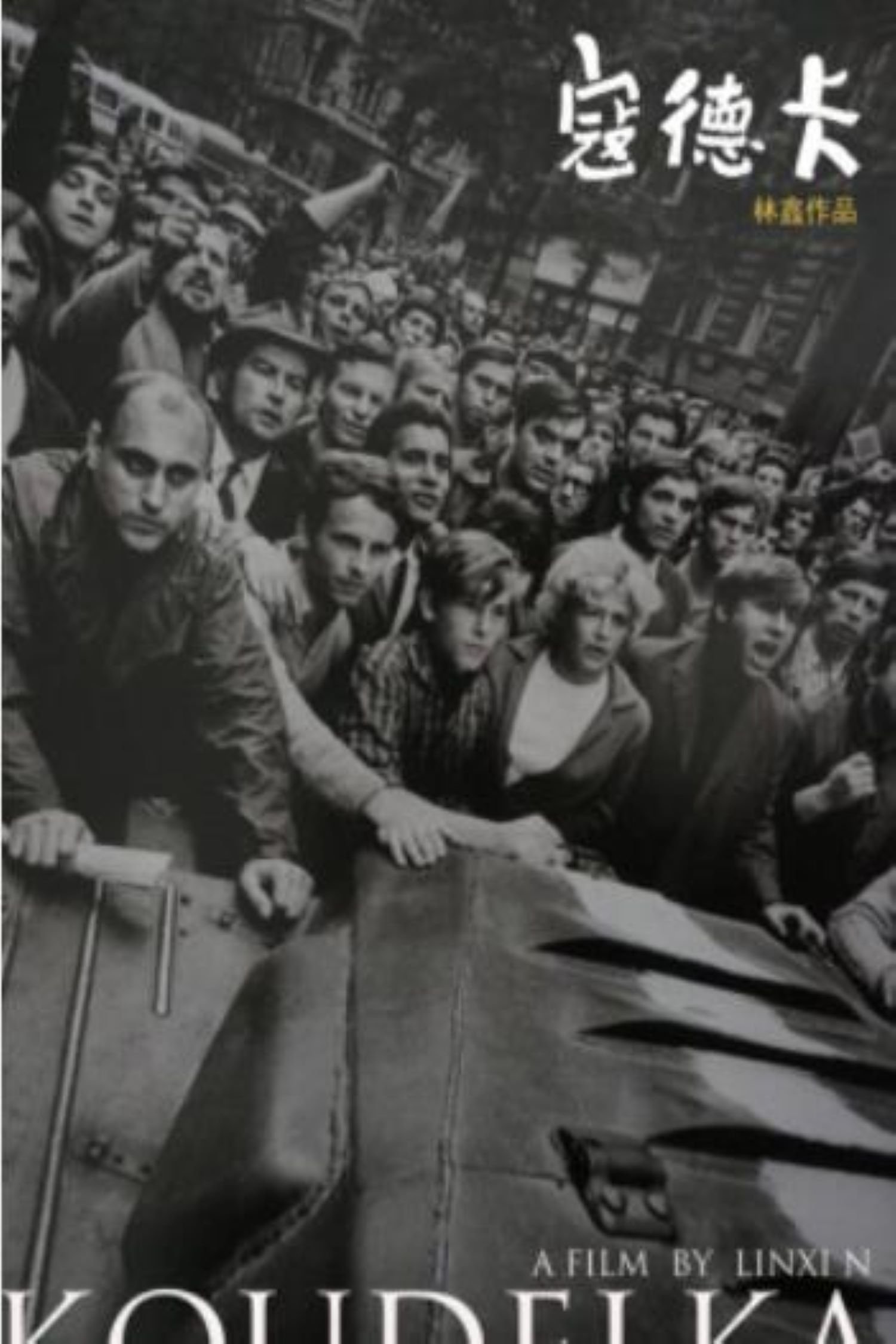
This is a documentary filmed in a subjective perspective. Without any commentary, the film records, in the switches and transitions of the faces, the gamut and track of emotions and vision of the author in enjoying the photographs by Koudelka—from the scenes of life in “Gypsies”, to the conflicts in “Invasion”, further to the still images in “Exiles”, and finally focused on desolately dignified “Chaos”. The four chapters of the film echo the four photo albums of Koudelka. With the indoor CD player playing the music by Shostakovich, the invasion of the landscape without the windows, intermingled with the background noise, complicates the ambient circumstances of the film and renders an immediate sense of urgency and relevance.
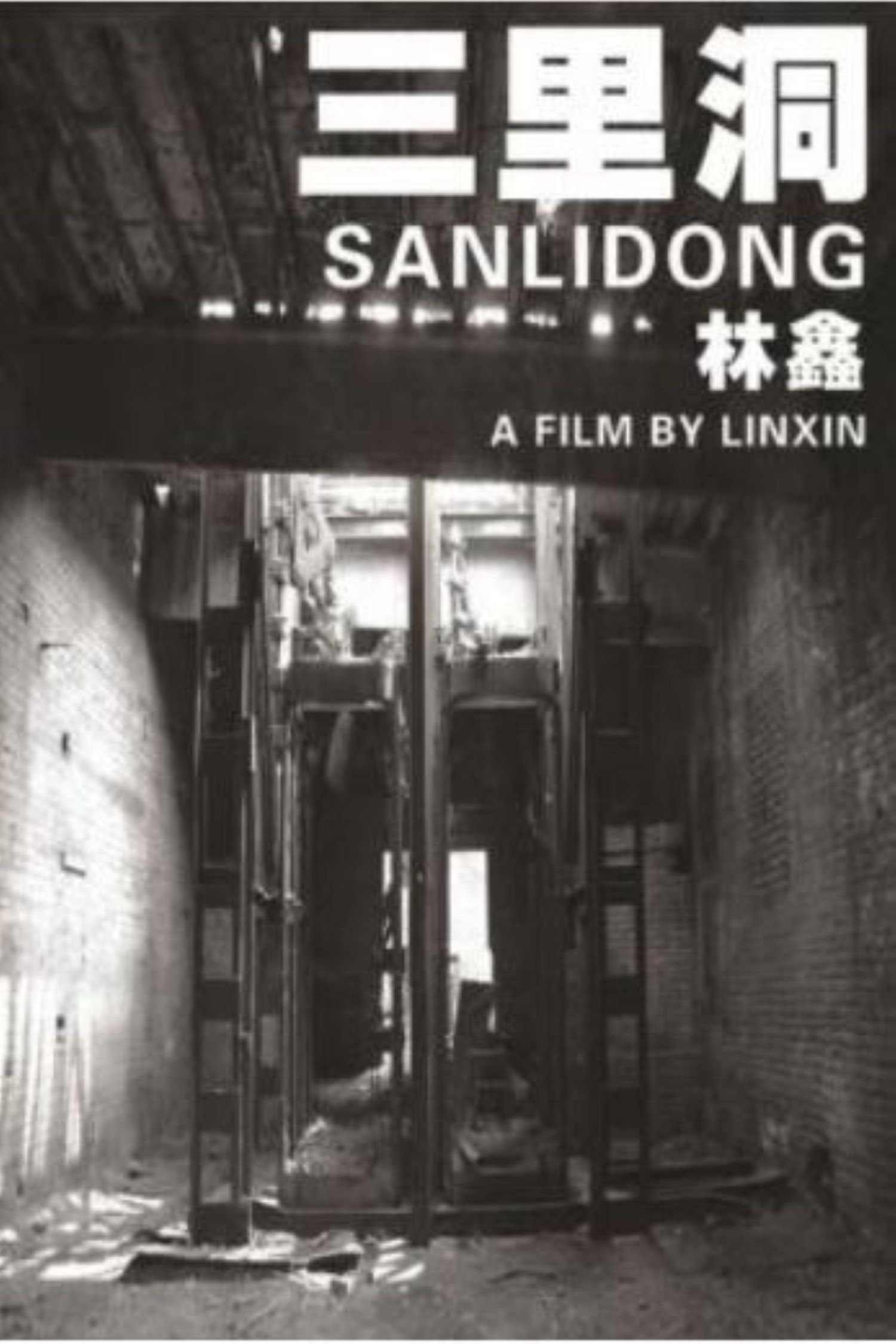
On April 6, 2001, a gas explosion occurred in the Chenjiashan Coal Mine of the Tongchuan Mining Bureau in Shaanxi Province, killing 38 people. On November 28, 2004, a gas explosion occurred in the Chenjiashan coal mine, and 166 people were killed. Five years later, Lin Xin, the son of the miners, filmed this film about mine disasters. Through the oral interviews of more than 20 people, such as miners and family members of the victims, and random interviews on the street, the film presents the real life of the miners and the cruel and complicated social reality behind the mine disaster from different angles. This film is the end of Lin Xin's "Trilogy of Survival".
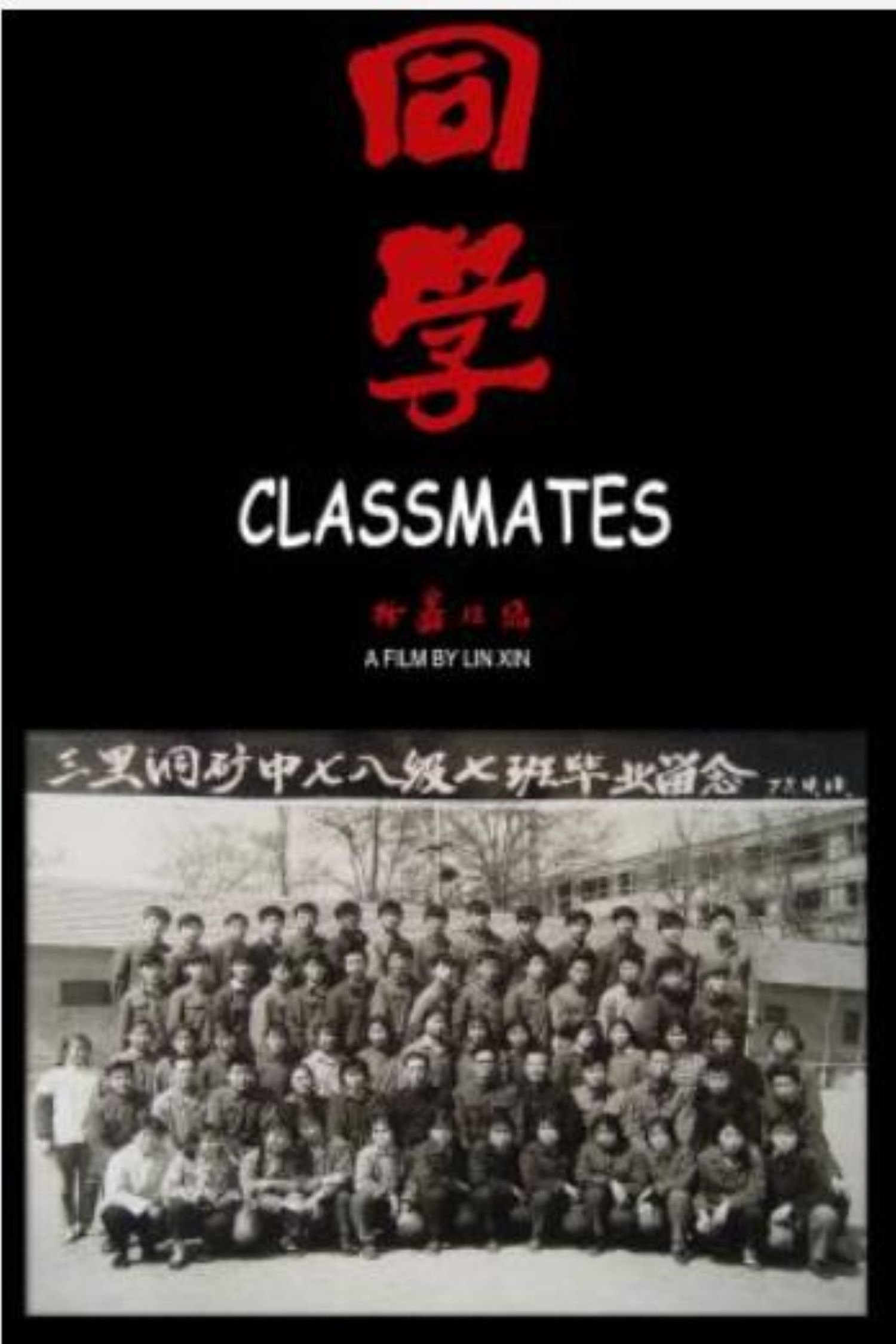
Twenty plus classmates look back into the past, tracing back through a 30 year history. One after another adapts to the random events that come to shape their lives, to the four seasons of life and nature. The years they were about experience coincided with the reforms and opening up of China. Floating in the changes of the new era, some experience compromises and the loss of ideals, whilst some keep struggling ahead with great determination. Thirty years later, Lin Xin encounters his old classmates, and records their individual lives and history; the ease of monotony, the loneliness of success, the weariness of a life of plentiful, the helplessness of poverty... all come forth in the lives of these group of people, becoming an epitome of the lives of ordinary people in small to middle-sized cities in this era, and at the same time reflecting on a generation that advances forward undefeated.
This is a documentary about the father of a miner. In 1955, more than 300 young people from Shanghai came to Sanlidong Coal Mine in Tongchuan City, Shanxi Province with the hope and dream of supporting the construction of the Northwest. After 50 years, most of the builders of that year were gone. In the land where black coal is buried, the fate and breathing of the miners are always stirring. The film uses 15 clips to record the old miners, the deceased and the era that is still living in the area, witnessing the tenacity and dignity of life with a group of miners. They are: Shu Guoqi, Gu Longxiang, Shen Longgen, Wang Zhengxiang, Yao Hongchang, Ge Dengfa, Zhang Baisheng, Lu Rongchu, Zhou Shougen, Luo Shijun, Ding Fuzhen, Tong Guang, Gao Zhangshun, Chen Yixiang, Zhu Yongsheng.
Painter Lin Xin tells the story of a thousand-year-old ceramic town in the hinterland of the Loess Plateau in this first experimental documentary "Chen Furnace". The film consists of a 360-degree panoramic prologue and three parts: "Self-Talk", "Bone Style" and "Style". "Fengqing" focuses on the unique scenery of the ancient town's folk customs, houses and famous-tank wall.The film consists of a 360-degree panoramic prologue and three parts: "Self-Talk", "Bone Style" and "Style".The charm and product production process of traditional ceramic crafts such as hand-drawn blanks and engravings are displayed; "Fengqing" focuses on the unique scenery of the ancient town's folk customs, houses and famous-tank wall. The whole film, with its gazing gaze and poetic language, tries to leave in the video the final scene of the "Furnace Never Ending" and the traditional Chen Fa gradually fading away.
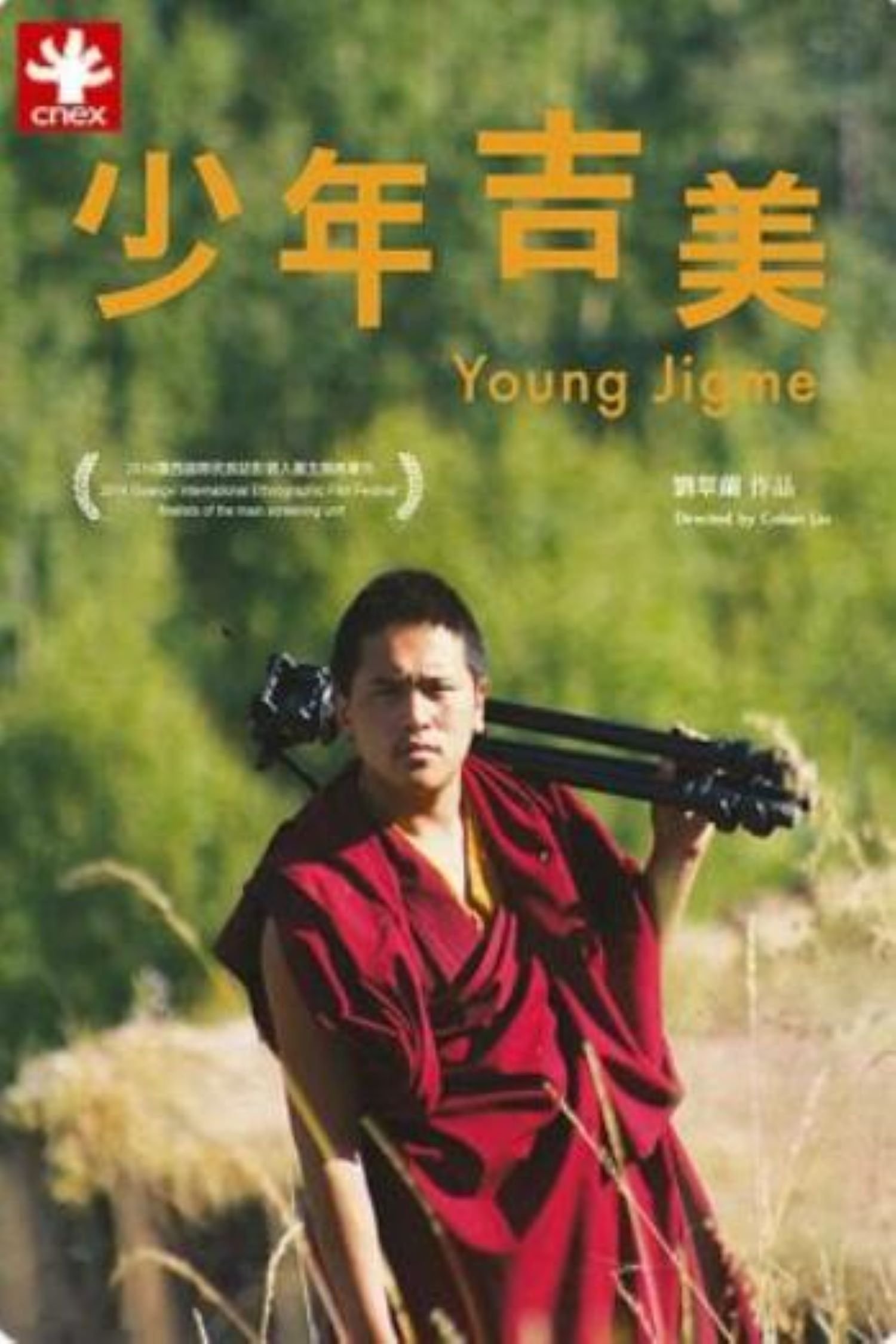
There are two roads in the woods. You can only take one of them, and wonder about the other for the rest of your life. Longwu is a temple of no more than 20 monks. When 17-year-old Jime became a junior monk there, he had no idea whether it's better to renounce or to join the secular world. The temple quietly sits in the depths of a mountain.This year, with only 11 monks left, there are not enough junior monks to officially receive the precepts during summer recluse. The temple seniors decide to have three young monks to do this. Jime is fully aware what this means to him. He patiently waits for an answer to dawn on him. On a dark night, Jime takes out the long roll of sutra that he reads every day, and cleans it carefully by a lamp. This summer, someone has come to the crossroad of life. Of the two roads out there, he can only choose one.
Southside Chicago. Crime reports. A Chinese woman. An investigation.The filmmaker, as a newcomer, explored southside Chicago through the filming of a search for a Chinese woman.
The short film recorded a group of children living status in a brick factory.Their parents work here to earn money.Because of the language barrier, living habits and economic conditions, they didn't go to school. But they are living in a wonderful time and they have extraordinary ability to survive......
Strange boy was a child picked up by guangbin when he was young. He was raised, but one day his biological parents found him and took him away. At that time, guangbin was not at home, and there was no address left, only a phone number left. Guangbin has since made a phone call to guangbin every few days, and there is only answering the phone, never replying. One day, he was reminded by the landlord that he met a strange poet who was also a doctor in the villagers' mind. The doctor told him many things he had never heard. He had more questions and seemed to be the answer. After the strange boy returned to the original family, the original family had been broken, and everyone gradually became more and more unfamiliar with him from the joy of his return, until they found the secret of their father, the emergence of the mysterious girl, and the chance encounter with the poet, with a sudden "eclipse Festival" breaking all plans.
Ranjit, a farmer in India, takes on the fight of his life when he demands justice for his 13-year-old daughter, the victim of a brutal gang rape. His decision to support his daughter is virtually unheard of, and his journey unprecedented.

In an intimate and joyful story of love in the face of loss, celebrated poets Andrea Gibson and Megan Falley find strength—and unexpected hilarity—in what might be their final year together.
In the Realms of the Unreal is a documentary about the reclusive Chicago-based artist Henry Darger. Henry Darger was so reclusive that when he died his neighbors were surprised to find a 15,145-page manuscript along with hundreds of paintings depicting The Story of the Vivian Girls, in What is Known as the Realms of the Unreal, of the Glodeco-Angelinnian War Storm, Cased by the Child Slave Rebellion.
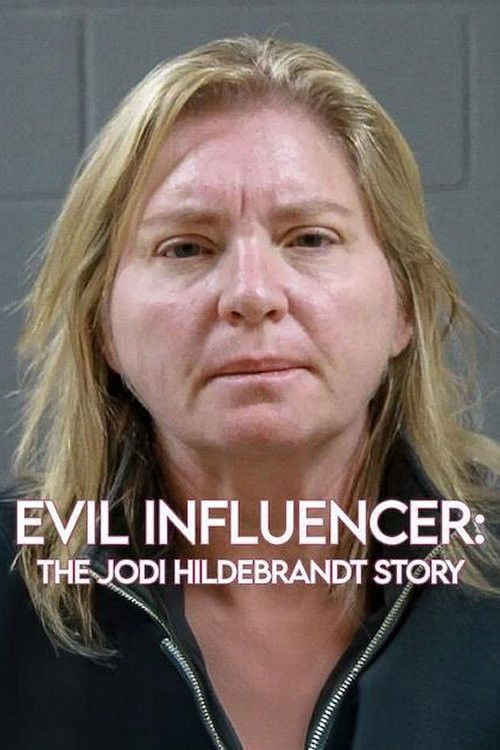
Unravel the case of Utah therapist Jodi Hildebrandt, whose child abuse arrest with parenting YouTuber Ruby Franke exposed a twisted tale of manipulation.
A string of threatening emails escalates into a revenge plot involving a newly married US marshal and his ex-girlfriend.
A visual montage portrait of our contemporary world dominated by globalized technology and violence.
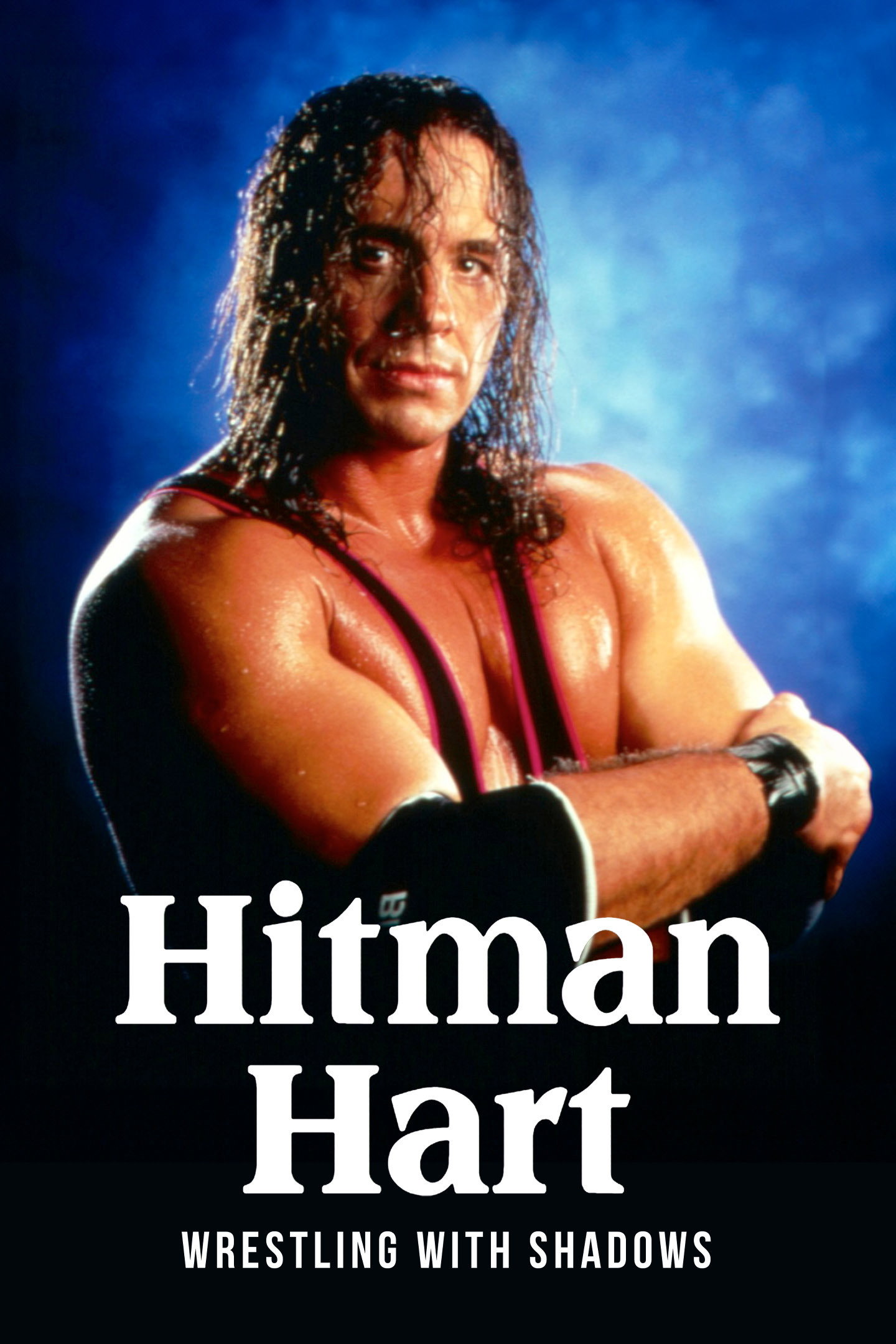
This documentary follows superstar Bret Hart during his last year in the WWF. The film documents the tensions that resulted in The Montreal Screwjob, one of the most controversial events in the history of professional wrestling, in which Vince McMahon, Shawn Micheals, and others, legitimately conspired behind the scenes to go against the script and remove Bret Hart as champion.
A documentary about the life and films of director John Ford.
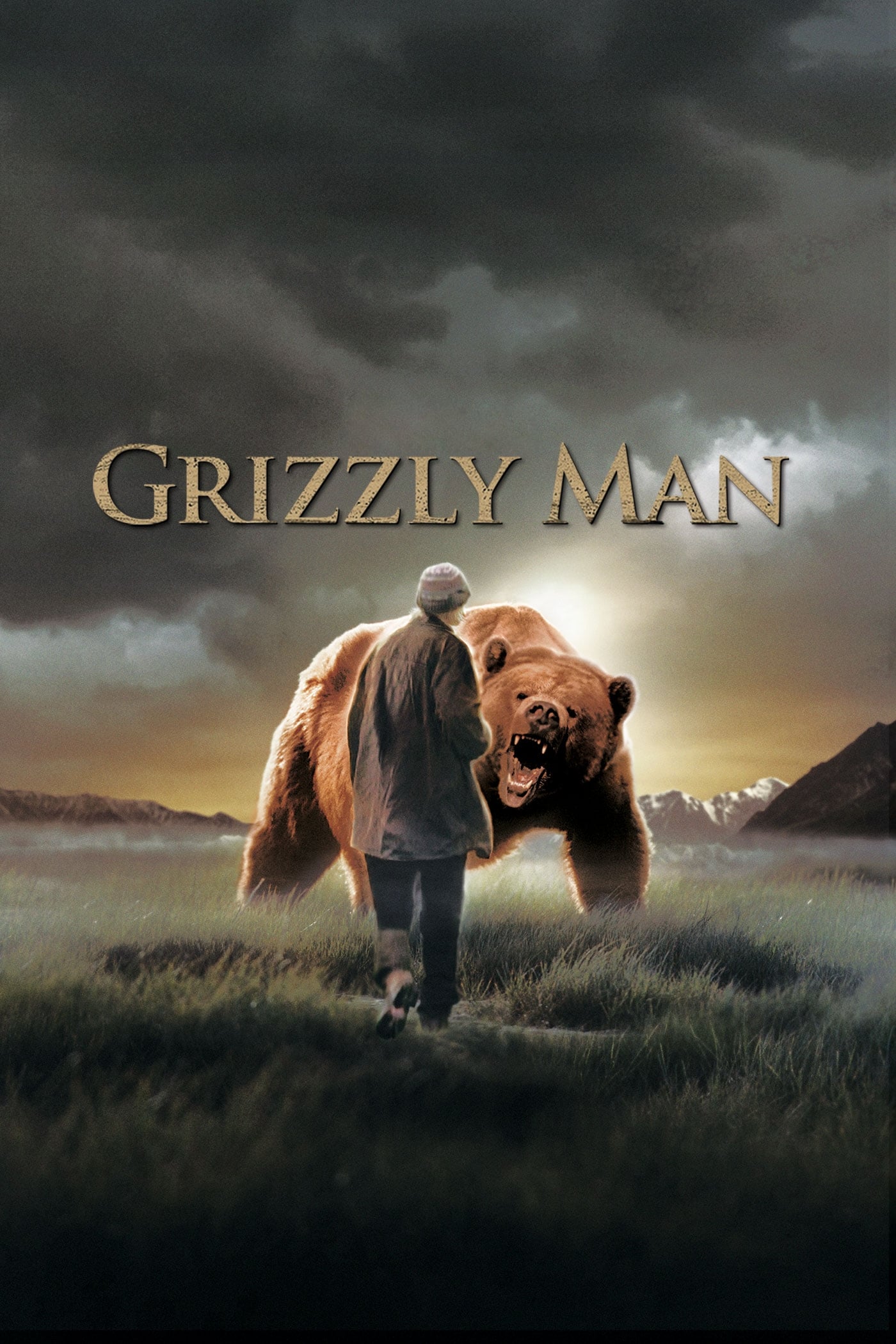
Follows the story of "Grizzly Man" Timothy Treadwell and what the thirteen summers in a National Park in Alaska were like in his attempt to protect the grizzly bears. The film is full of unique images and a look into the spirit of a man who sacrificed himself for nature.
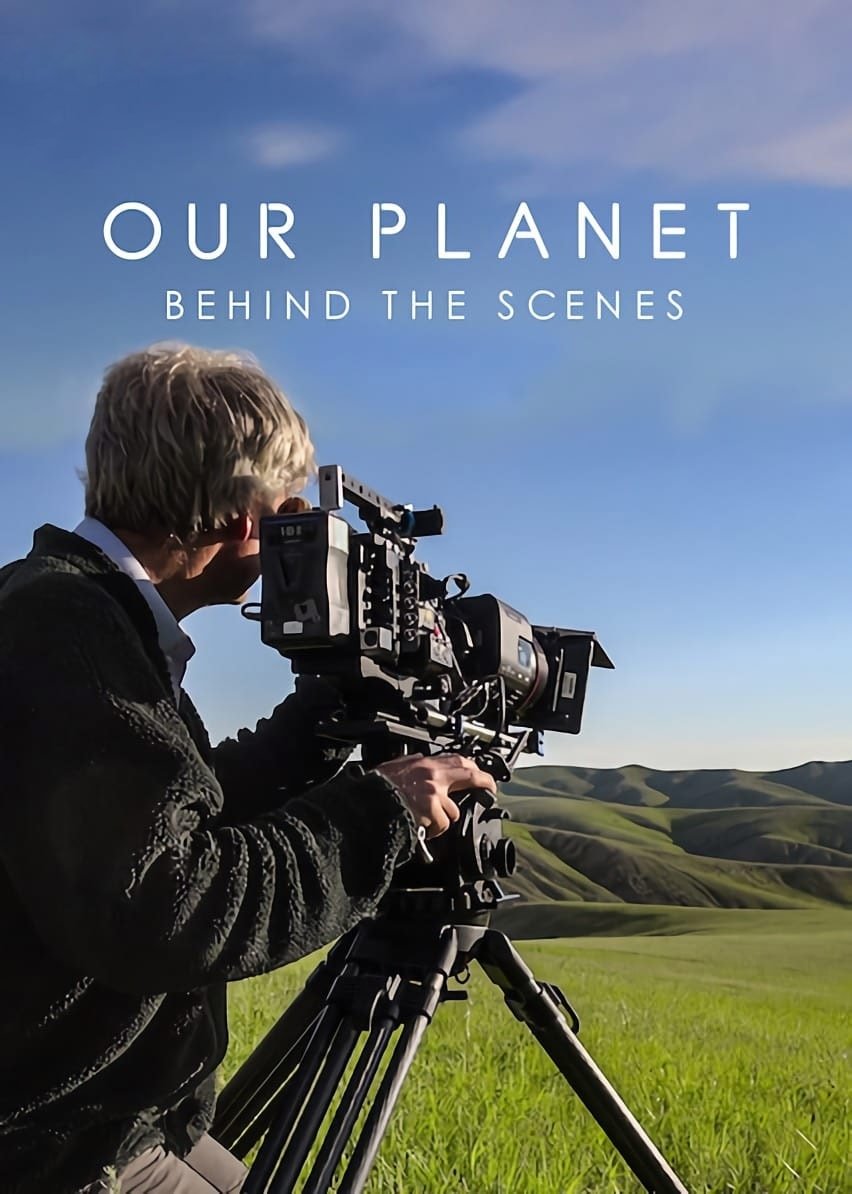
Years spent recording footage of creatures from every corner of the globe is bound to produce a bit of drama. Here's a behind-the-scenes look.
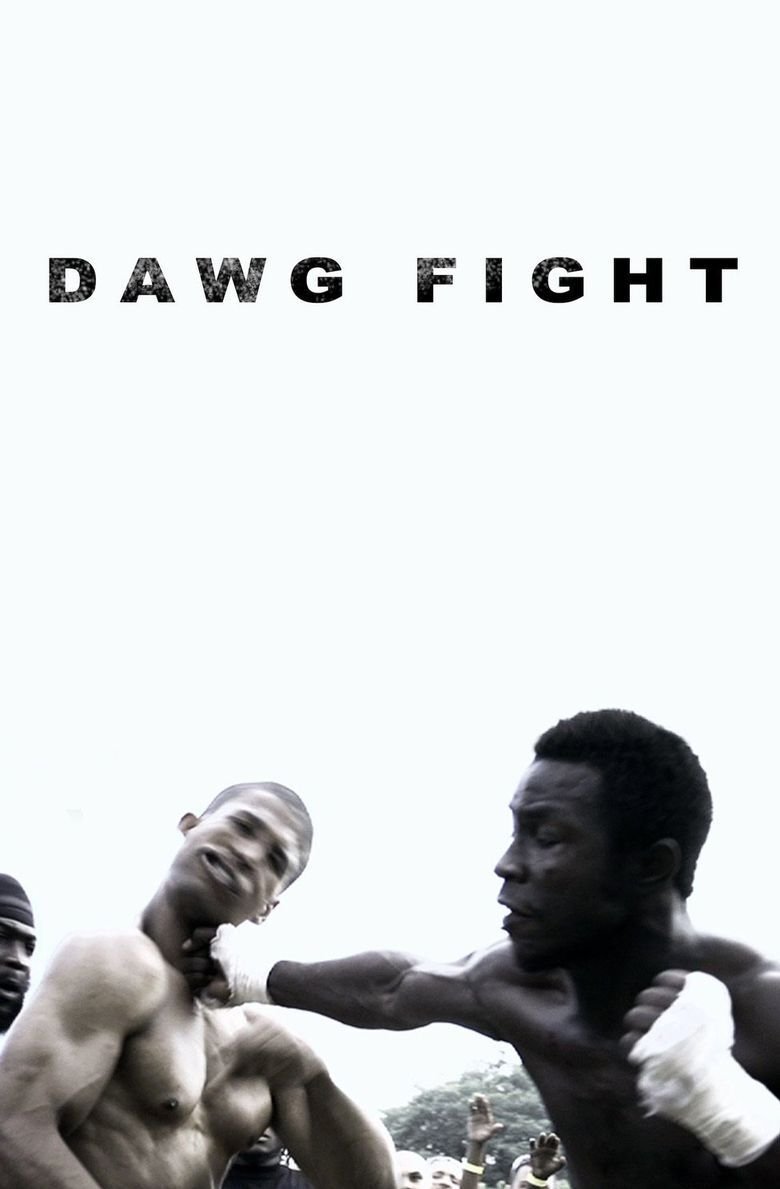
In a crime-plagued neighborhood near Miami, brutal, bare-knuckled backyard fights give young men a chance to earn money -- and self-respect.
When Allied forces liberated the Nazi concentration camps in 1944-45, their terrible discoveries were recorded by army and newsreel cameramen, revealing for the first time the full horror of what had happened. Making use of British, Soviet and American footage, the Ministry of Information’s Sidney Bernstein (later founder of Granada Television) aimed to create a documentary that would provide lasting, undeniable evidence of the Nazis’ unspeakable crimes. He commissioned a wealth of British talent, including editor Stewart McAllister, writer and future cabinet minister Richard Crossman – and, as treatment advisor, his friend Alfred Hitchcock. Yet, despite initial support from the British and US Governments, the film was shelved, and only now, 70 years on, has it been restored and completed by Imperial War Museums under its original title "German Concentration Camps Factual Survey".
A documentary on the expletive's origin, why it offends some people so deeply, and what can be gained from its use.
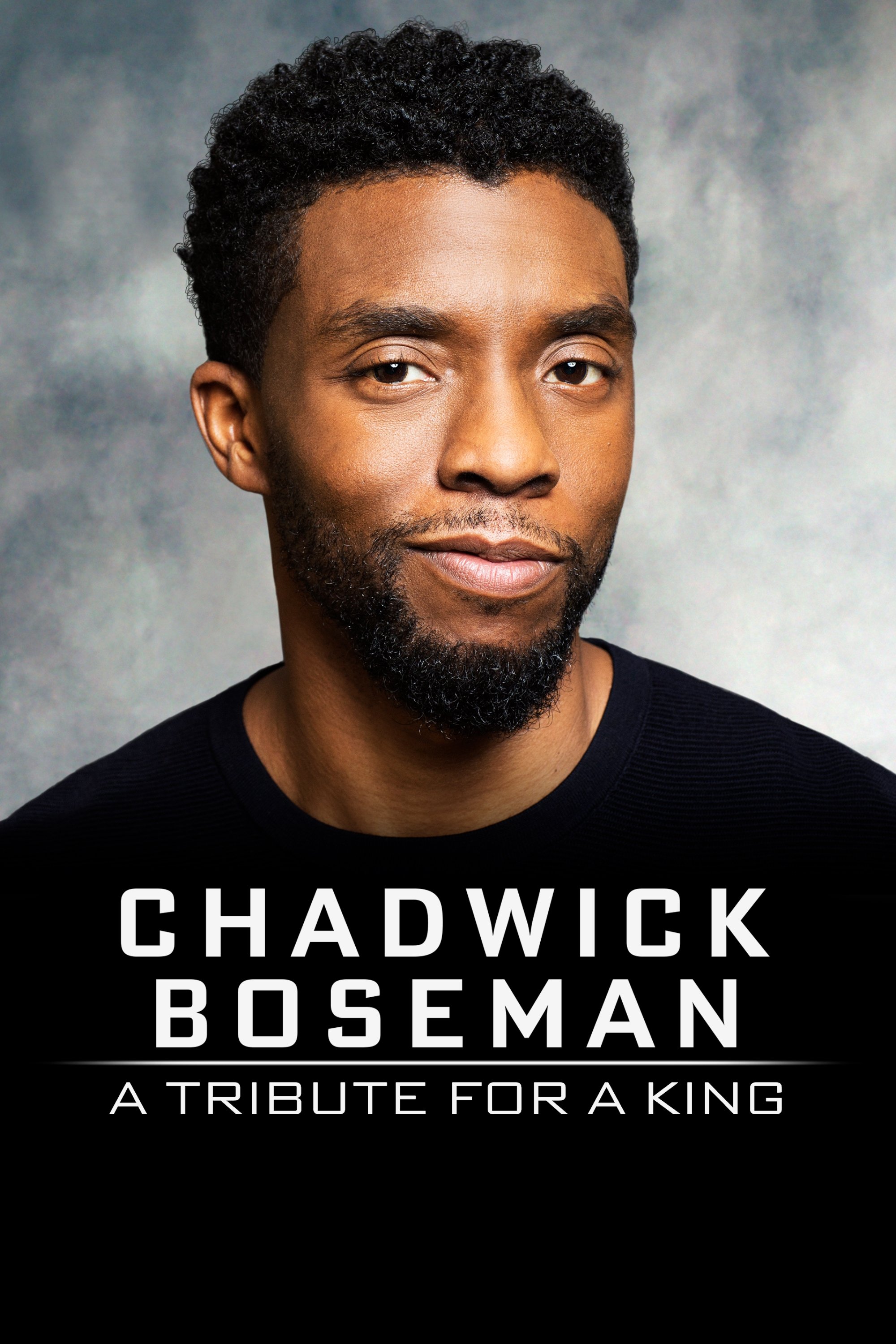
A tribute to Chadwick Boseman, celebrating his life and legacy.
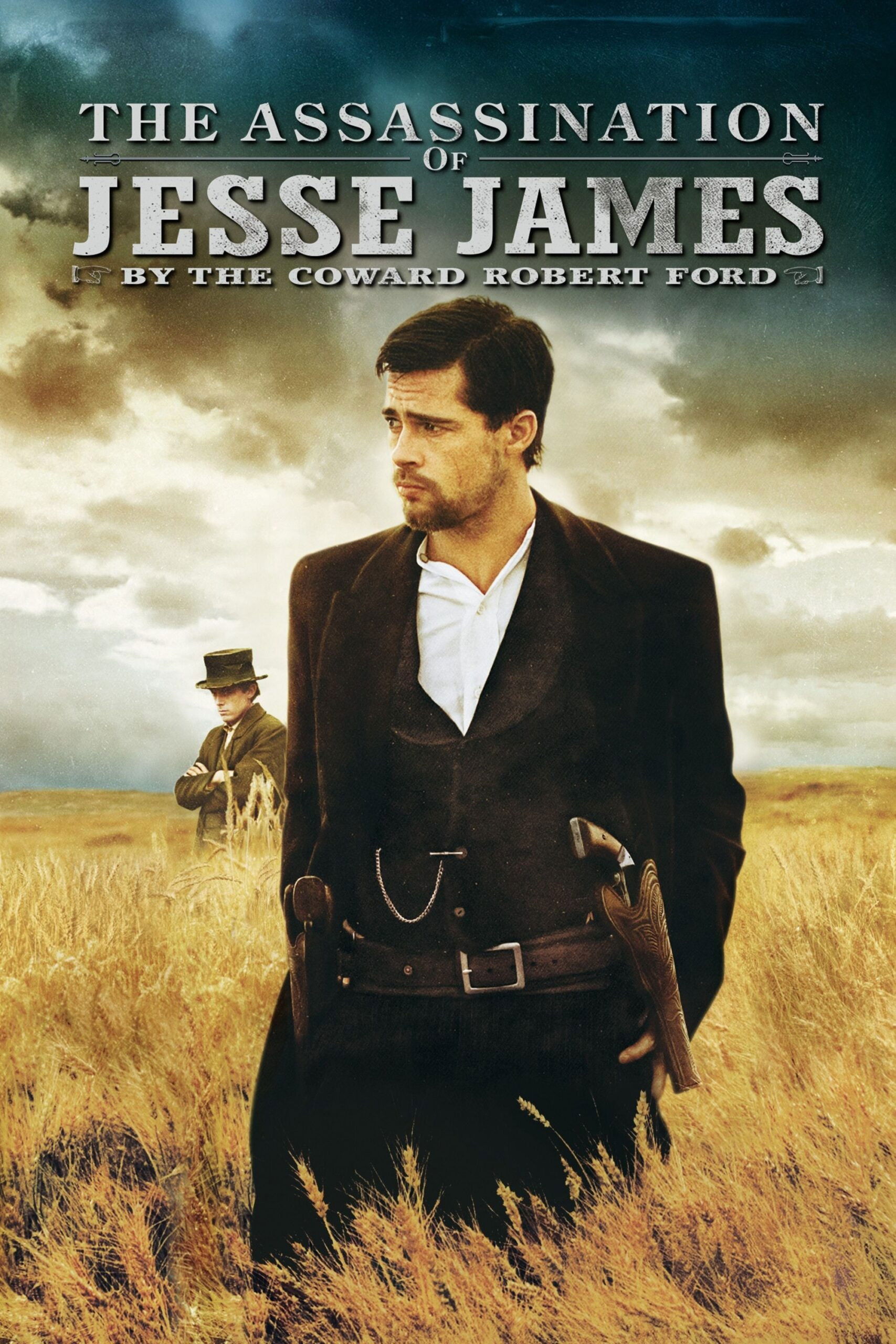
Explores the true story of the notorious Jesse James, how the myth developed during his lifetime, and how the legends have persisted over 100 years after his death at the hands of his former friend, Robert Ford.
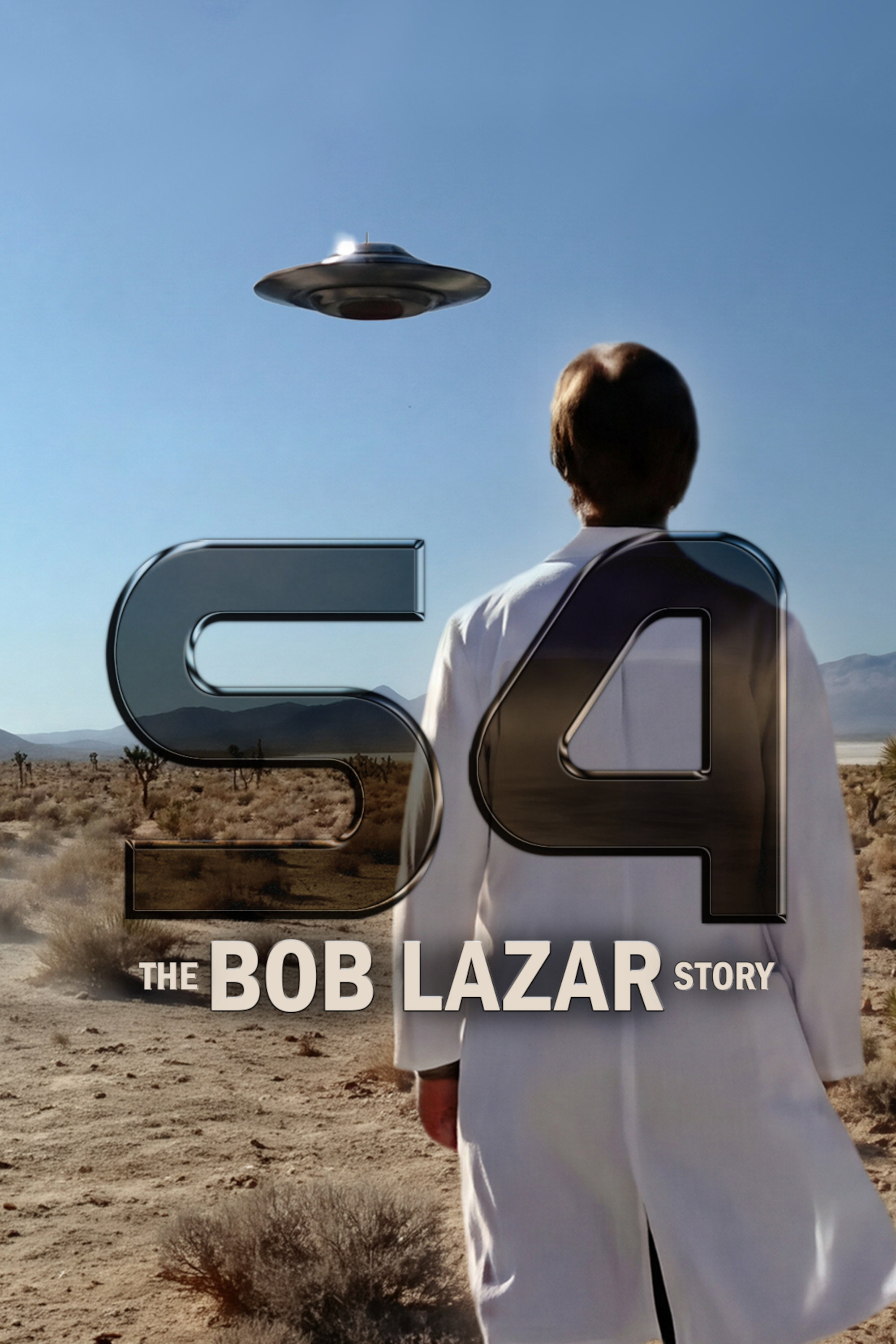
Over 35 years after Bob Lazar's revelations, this documentary exposes secrets of a facility the government still denies. Featuring Lazar's testimony, recreations, and new evidence, it reopens a case that continues to spark global curiosity
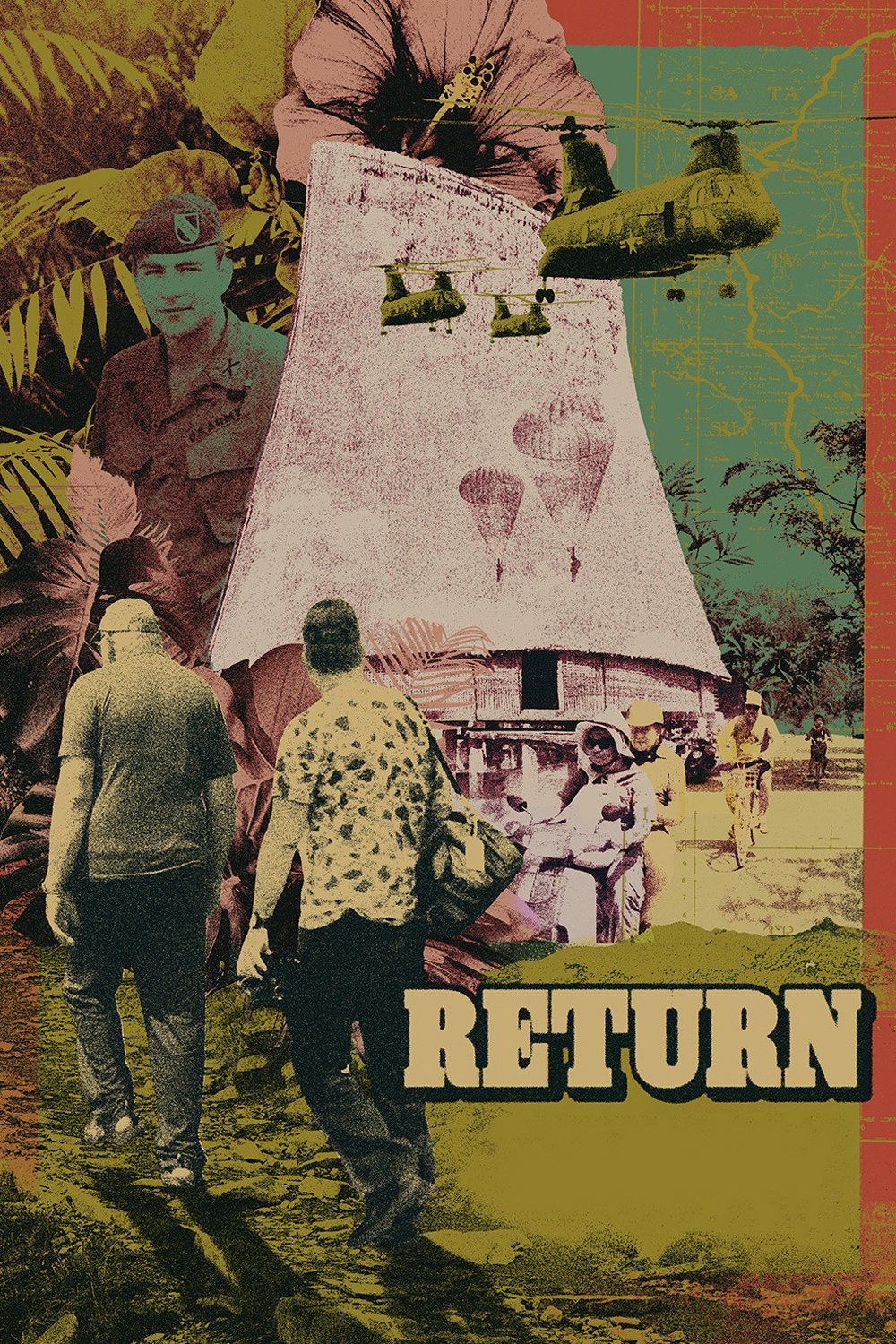
RETURN tells the story of a retired Green Beret who embarks on a healing journey from Montana to Vietnam. There he retraces his steps, shares his wartime experiences with his son, treats his Post-Traumatic Stress Disorder, and seeks out the mountain tribespeople he once lived with and fought alongside as a Special Forces officer.
Musician and performance artist Laurie Anderson reflects on the deaths of her husband Lou Reed, her mother and her beloved dog.
Through deeply personal interviews with her siblings and an examination of the photographs, letters, and belongings left behind, Mariska assembles a new portrait of her mother Jayne Mansfield, an extraordinary and complex woman.
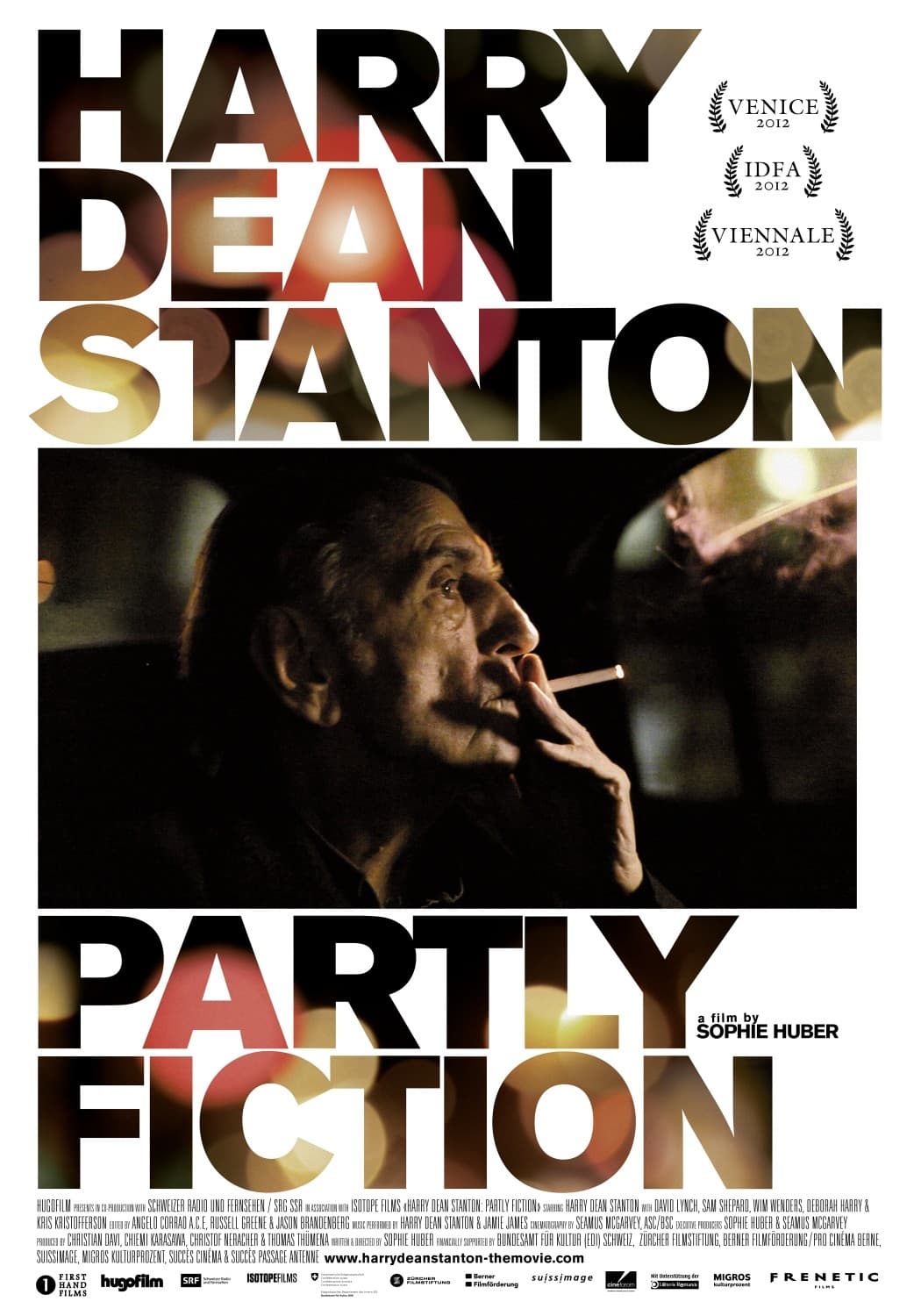
An impressionistic portrait of the iconic actor Harry Dean Stanton comprised of intimate moments, film clips from some of his 250 films and his renditions of American folk songs.