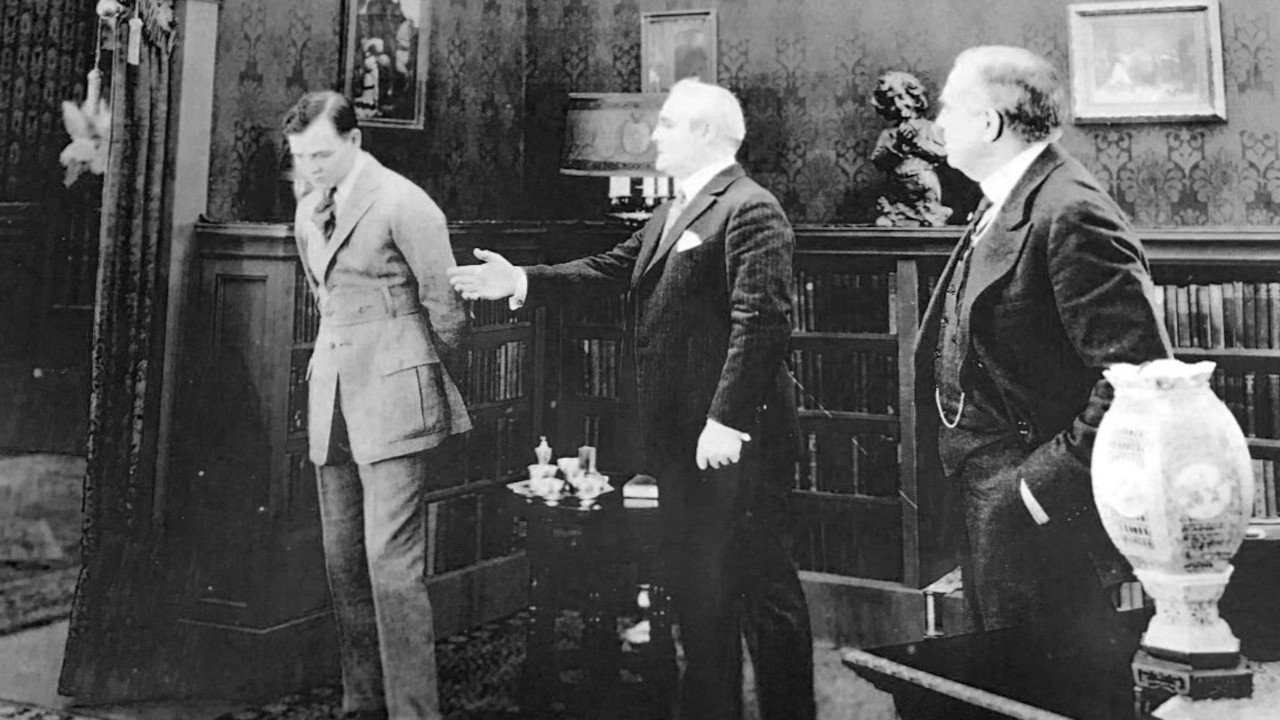
"They Wouldn't Let Him Go to France so He Started a War of His Own at Home"
An American munitions manufacturer and his son become ensnarled with enemy agents from Germany during the First World War.
Social & External
The people behind it
Charles Ray
John Stanton
Jane Novak
Virginia Lee
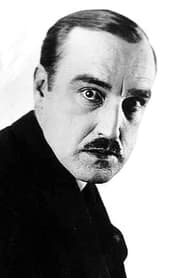
Robert McKim
Alfred Werner
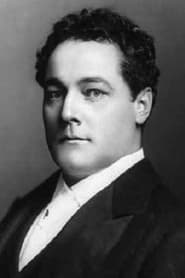
Melbourne MacDowell
Godfrey Stanton
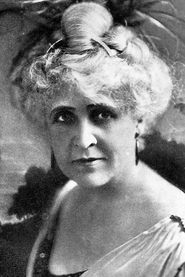
Mollie McConnell
Mrs. Godfrey Stanton
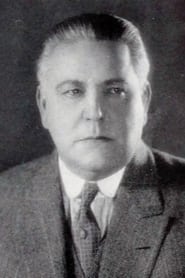
Henry A. Barrows
Dorcas Matthews
Muriel Charters
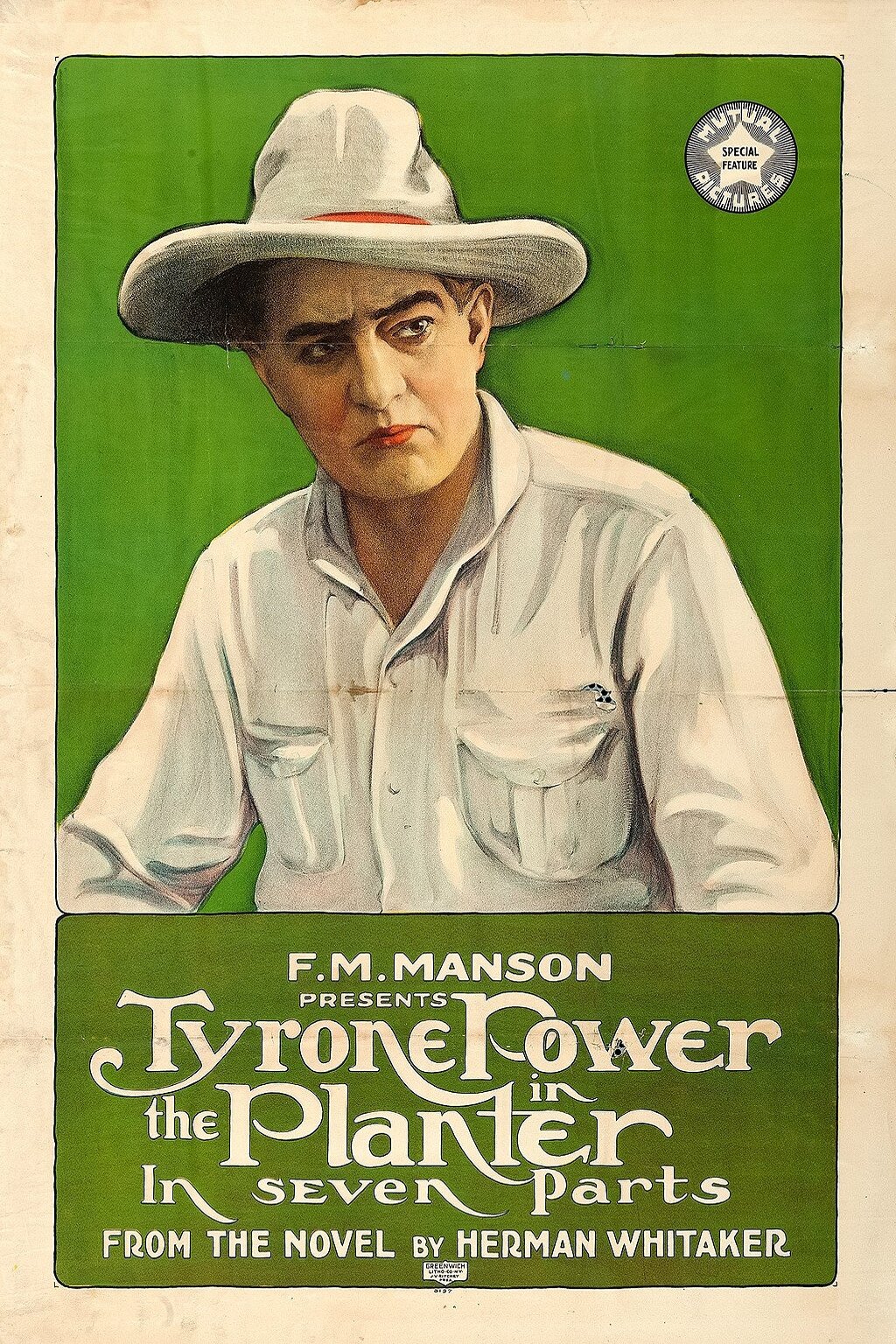
To prevent David's widowed mother, Elizabeth, from being influenced by her son against their fake tropical rubber plantation investment, the promoters trick David into managing the plantation in Mexico. Seeking to prove his worth after a failed marriage proposal, David travels to the tropics. There, he encounters the brutal reality of the rubber slavery system. He meets Ludwig Hertzer (the villainous "Planter," played by Tyrone Power Sr.), a feared and hated man who runs a slave-labor-based operation. David also encounters Senora Morales and her daughter, Consuela, who are involved in the slave trade. David discovers his family's investment is actually a "rubbish heap." He attempts to warn his mother via cable, but the message is intercepted by Hertzer for his own gain.
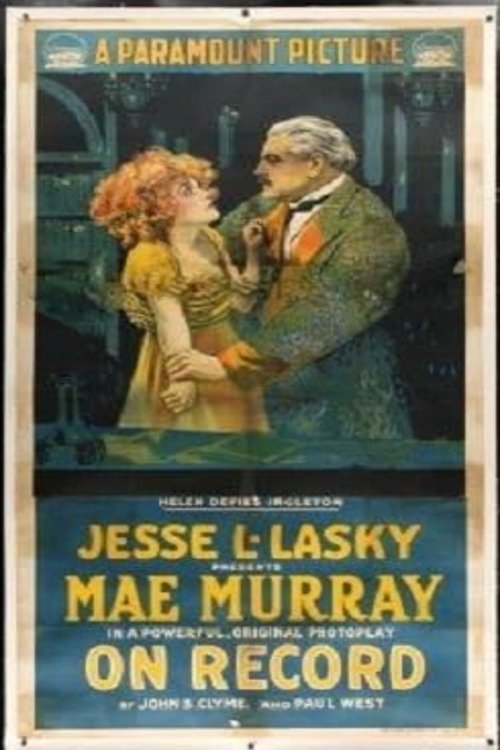
Wanting to escape from the drab life of the country, Helen Wayne moves to the big city and becomes a secretary for the Calder family. Just before beginning her new job, however, Helen meets a man who promises to take the hungry girl to dinner. When she goes to the prearranged meeting place, she is arrested and her name is put on the police record. Some time later, Helen and young Rand Calder fall in love. As they are about to announce their engagement, Martin Ingleton, the man who earlier had caused Helen's arrest, attempts to ruin Rand's business ventures. When all of the principals go to court to fight the issue, Ingleton recognizes Helen and tries to label her a woman of unworthy character. Instead of causing Rand to admonish her, however, Ingleton instigates Helen to tell the judge her story and she is exonerated.
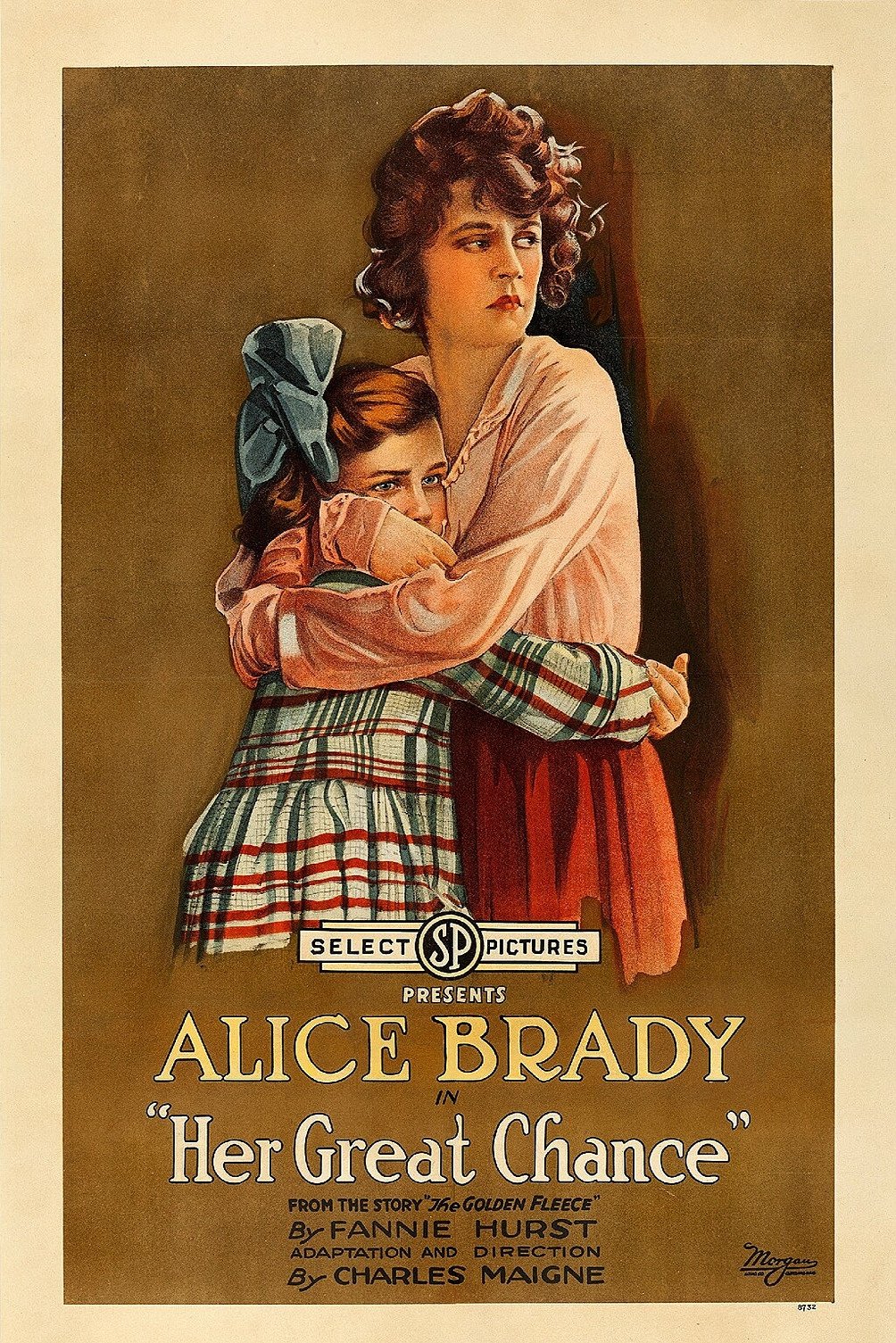
Lola Gray working in a New York department store as a clerk, loves Charles Cox, a millionaire's son who is described by his friends as "Broadway's million-dollar kid." One evening at a lavish party, Charlie, quite intoxicated, proposes to Lola, but because of his irresponsible habits, she refuses him. Heartbroken, Charlie decides to drown himself in the hotel fountain and urges his friends and the proprietor to join him. When Lola learns from her sister, Ida Bell Gray, that Cox, Sr., having read about Charlie's antics in the newspaper, plans to disown his son, she phones Charlie immediately to accept his proposal. Although startled by the news of his disinheritance, Charlie is comforted by Lola's assertion that she prefers a man of character to one of wealth, and the two begin their married life on a farm in the Midwest.
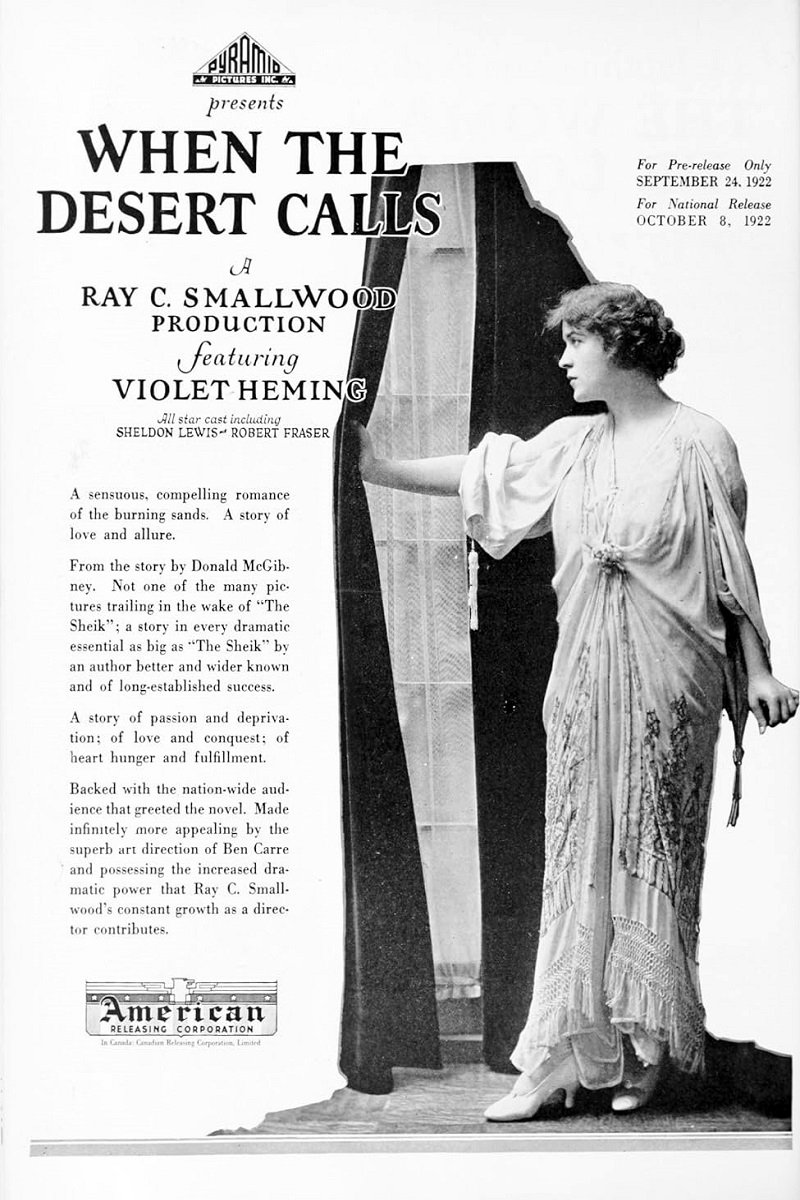
British bank cashier Eldred Caldwell lives with his wife on the edge of the Arabian desert. One day a man named Richard Manners appears at their doorstep. He has some incriminating information about Eldred, who is so devastated he disappears, an apparent suicide. His wife flees into the desert, with Manners in hot pursuit. She is taken in by an unlikely rescuer and years later, after she becomes a nurse when World War I ends, she makes a startling discovery.
Cyril makes wife Violet angry and finds himself trying to win his wife back!
Frivolous Jasmine Grenfel is torn between the bold Rudyard Byng and the reserved Ian Stafford. Impulsively she marries Byng with the rejected Stafford leaving for South Africa. He proves to be a poor husband, and much heartache follows but when war breaks out Rudyard distinguishes himself in the field, recovering from his former dissipation and the couple are reunited.
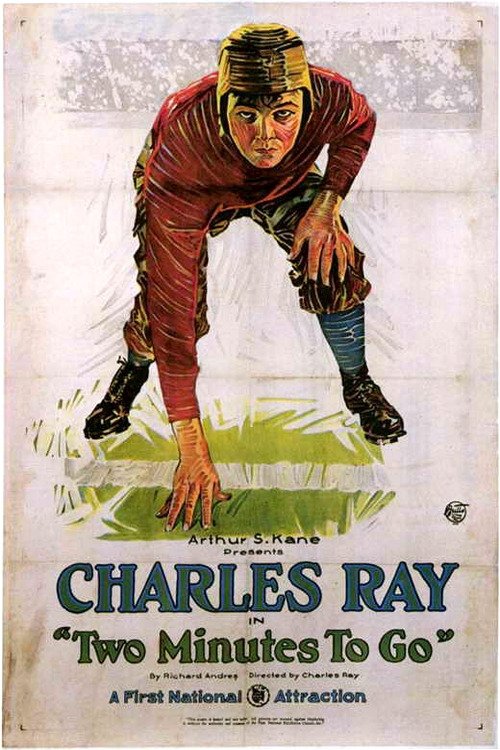
A star of the college football team is forced to work as a milkman when his father's business begins to fail.
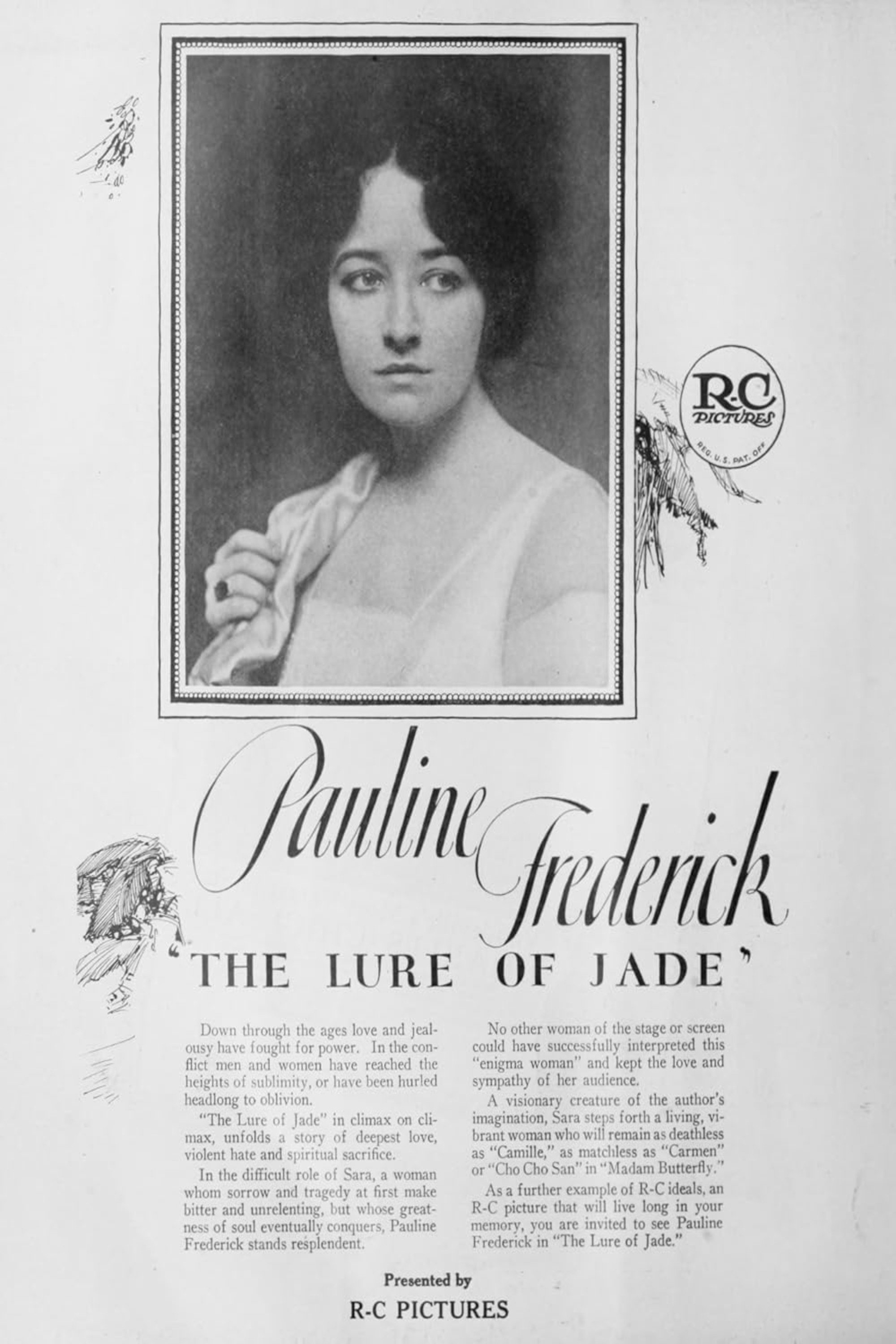
Wife of wealthy ladies' man Challis Wrandall, Sara, is called to a roadhouse to identify her husband's body and told that he was murdered by an unidentified woman. On her way home, Sara rescues a young woman who is about to drown herself. Believing the woman, Hetty Castleton, to be the murderer, Sara offers her employment in the Wrandall home as her companion. Because her husband and his family treated her so coldly during her married life, Sara seeks revenge by arranging a romance between her brother-in-law Leslie and Hetty, but the latter has fallen in love with artist Brandon Booth and refuses to marry young Wrandall. Sara threatens to expose the girl, but just then a detective appears and accuses Sara of the crime. Hetty confesses, explaining to the family that Challis had lured her to the inn and attacked her. The Wrandalls forgive her, and she leaves her home in Booth's company.
Rich Matthew Thurlow, spends nearly every night at cabarets, admires Dazie, a leading dancer whom he calls "Redhead." Dazie loves Matthew, but she is dismayed that he wastes his life in clubs. After Matthew, while intoxicated, marries Dazie to win a bet, Dazie insists that they remain married. When Matthew's uncle cuts off his allowance and ends his "soft" bank job, Dazie decides to make a man out of Matthew, but he scorns her. She rents a small apartment, while he gets work in an auto factory. Although Matthew is genial when Dazie's parents visit, he remains cold to her. When Matthew's uncle offers Dazie money for a divorce, she refuses, but says that she will agree to a divorce if Matthew really wants one. Matthew develops a new interest in life and realizes he loves Dazie when he becomes jealous through a misunderstanding. After his uncle, seeing Dazie's effect on Matthew, threatens to disinherit him for good if he does divorce her, Matthew confesses his love.
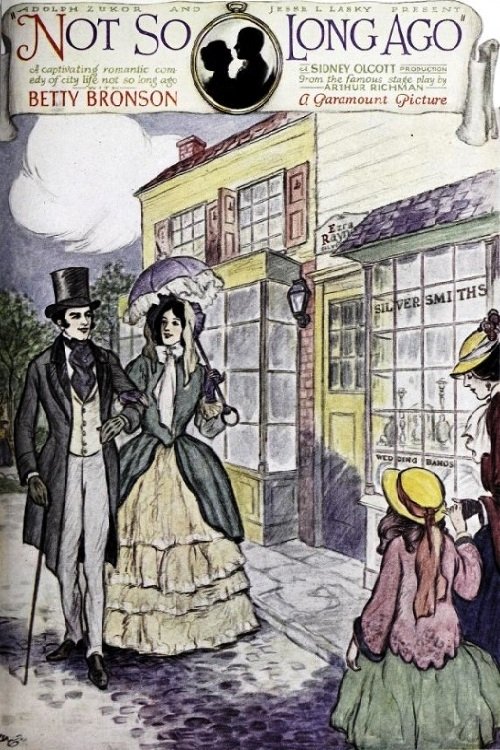
Against the backdrop of New York City of the early 1850s, a young woman -- naively seeking to win the love she reads about in the romance novels she devours -- finds one prospect in an earnest denizen of the Bowery, and another in an elegant young aristocrat. Focusing on the bygone era's fashions, the novelty of the bicycle-built-for-two, and an inventor's quest for the horseless carriage, the film gently stirs the audiences' nostalgia for simpler times.
Wealthy Anne Wilmot vacationing along with her aunt Katherine at her fiancé Leon Morse's (Hull) Arizona mountain lodge discovers his plot to destroy a nearby hydroelectric engineering project in order to obtain the land for his railway. She thwarts the sabotage but find herself in a life and death struggle.
Paul and Virginia are two young lovers who have grown up together from infancy on an island in the Indies. When Virginia is sixteen, her mother receives a letter from a wealthy aunt in Paris, who offers to make Virginia her heir and give her a good education, providing Virginia will, in the future, make her aunt's home her own. Virginia goes leaving Paul brokenhearted at her departure. Virginia tries to be a dutiful niece, but when her aunt insists that Virginia marry a rich nobleman she refuses, and her aunt disowns her sending her back to her island home. Virginia's ship arrives during a hurricane, and despite being only a cable's length from shore, it sinks before help can reach it. Paul almost loses his own life in a vain attempt to save her, but Virginia is lost.
When Granny Nichols' daughter heads to go to the city in search of a job she meets and marries a wealthy man. The husband is falsely arrested and before he can prove his innocence, his wife, believing herself deserted returns to her mother with the babe. Freed he finds only a note from his wife upon his return saying that he will never see them again. Returning to the farm with her dying breath, the mother entrusts baby Lena to the care of Granny. When Lena, never knowing her father’s name, is sixteen her Uncle John decides to take Granny and she to live with him in the city. Lena's father, a frequent visitor to John’s home unaware of his connection to his dead wife, Meets Lena and espying a locket worn round her neck containing the picture of her mother, he recognizes her as his daughter.
Jennie is a slavey in a theatrical boarding house. To her the actors are all wonderful, but Montague Booth is the chief. In an accident Booth is disfigured for life and is saved from suicide by Jennie. They join a medicine show in which Booth is lecturer, but Jennie cannot stand the road. Booth leaves the show and takes up a homestead claim. The manager of the show sends one of Booth's old loves to get him back, for his services are valuable, but Belle fails after very nearly wrecking everyone's happiness.
Wealthy John Steele has a handsome young son, Frank, on whom he pins his hopes. But riches lead Frank not into social standing and duty, but into depravity, drug-addiction, criminal activity, and finally to tragedy.
Valerie St. Cyr, seizes a chance for excitement and money, deserts her infant daughter Joan and her impoverished husband and runs away to Paris with the Count Du Poissy. Years later, without knowing that they are mother and daughter, both Valerie and Joan fall in love with artist Julian St. Saens, who rejects the former but becomes engaged to the latter. Enraged, Valerie convinces the count to kidnap Joan, but after she is captured, Joan stabs the count to death. When Valerie learns that Joan is her daughter, she takes the blame for the murder and goes to the guillotine while Joan, still unaware that Valerie is her mother, makes plans with Julian for their marriage.
The president of a state bank, guilty of malfeasance bribes the District Attorney to suppress the case. The DA’s secretary takes a photograph of the moment when a considerable sum of money changes hands extorting his employer. The dissolute secretary makes advances on a friend’s wife and as the husband rushes the roue a lamp is upset, plunging the place into darkness. A flash and a shot and the young blackmailer falls to the floor dead. The wife thinks the husband fired in anger, the husband believes the wife shot to protect herself. The District Attorney, the guilty man, is called upon to prosecute and accuses them both. An unexpected witness appears at the last moment and the pair are set free.
Walter Sandry, holder of a mortgage on timber lands in the Pacific Northwest, arrives to claim his property. He comes into conflict with a rival company and with lumberjacks influenced by their foreman, Hampden, whom he later beats in a fight.
Besse Belwin works as a stenographer for district attorney John Mobley. It doesn't take long for Mobley to fall in love with his cute little employee and he proposes. Besse doesn't reveal that her father has a criminal past which he has since renounced.
During World War I, a group of British miners are recruited to tunnel underneath no man's land and set bombs from below the German front in hopes of breaking the deadly stalemate of the Battle of Messines.
A WWII veteran escapes his care home in Northern Ireland and embarks on an arduous but inspirational journey to France to attend the 75th anniversary of the D-Day landings, finding the courage to face the ghosts of his past.
Based on the true story of Oberleutnant Franz von Werra, the only German prisoner of war captured in Britain to escape back to Germany during the Second World War.
During the harrows of WWII, Jo, a young shepherd along with the help of the widow Horcada, helps to smuggle Jewish children across the border from southern France into Spain.
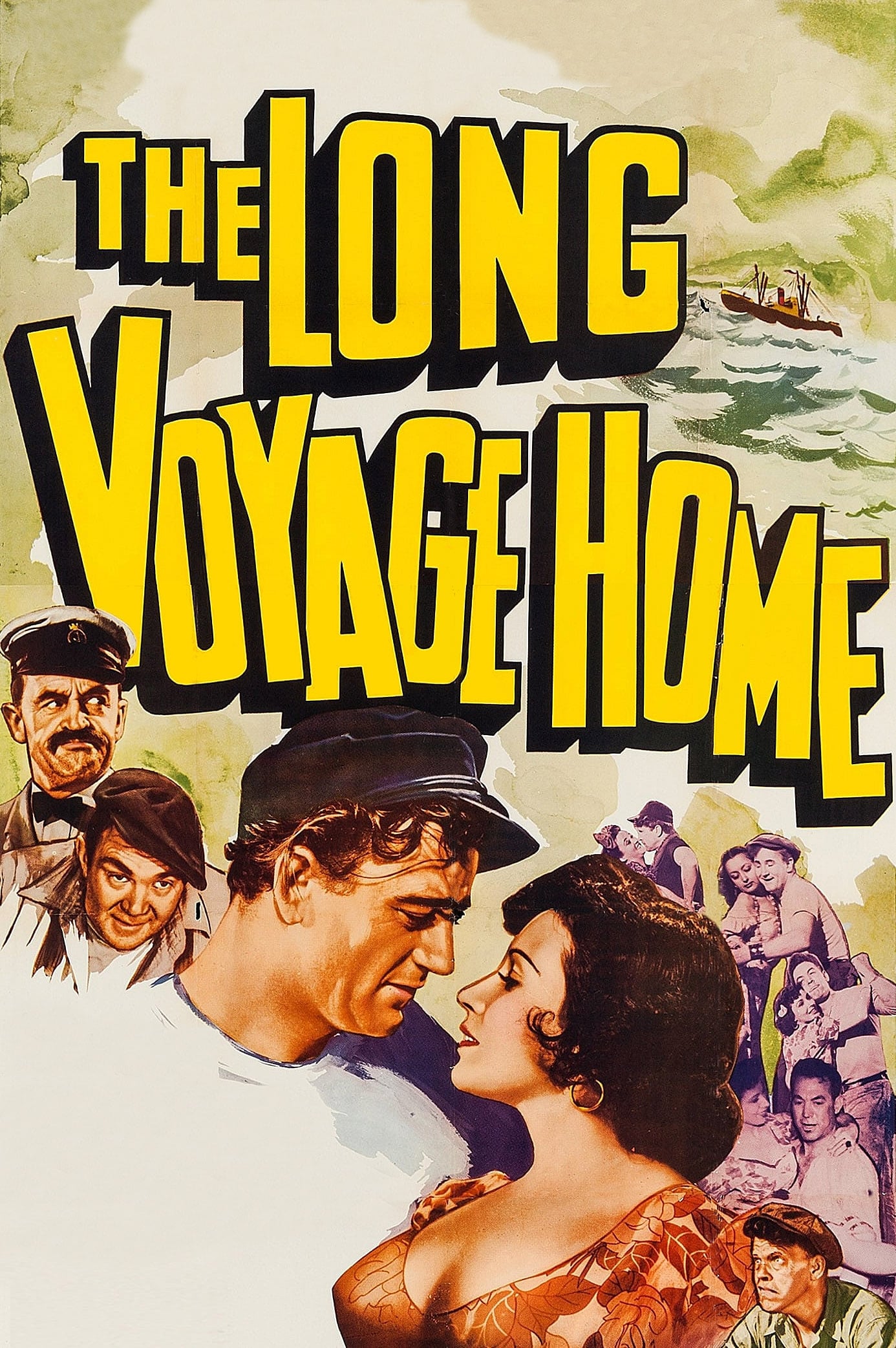
The crew of the merchant ship Glencairn hope to survive a transatlantic crossing during World War II. Adapted from four Eugene O'Neill one-act plays.
The lives of three young men, a German and two Americans, during WWII.
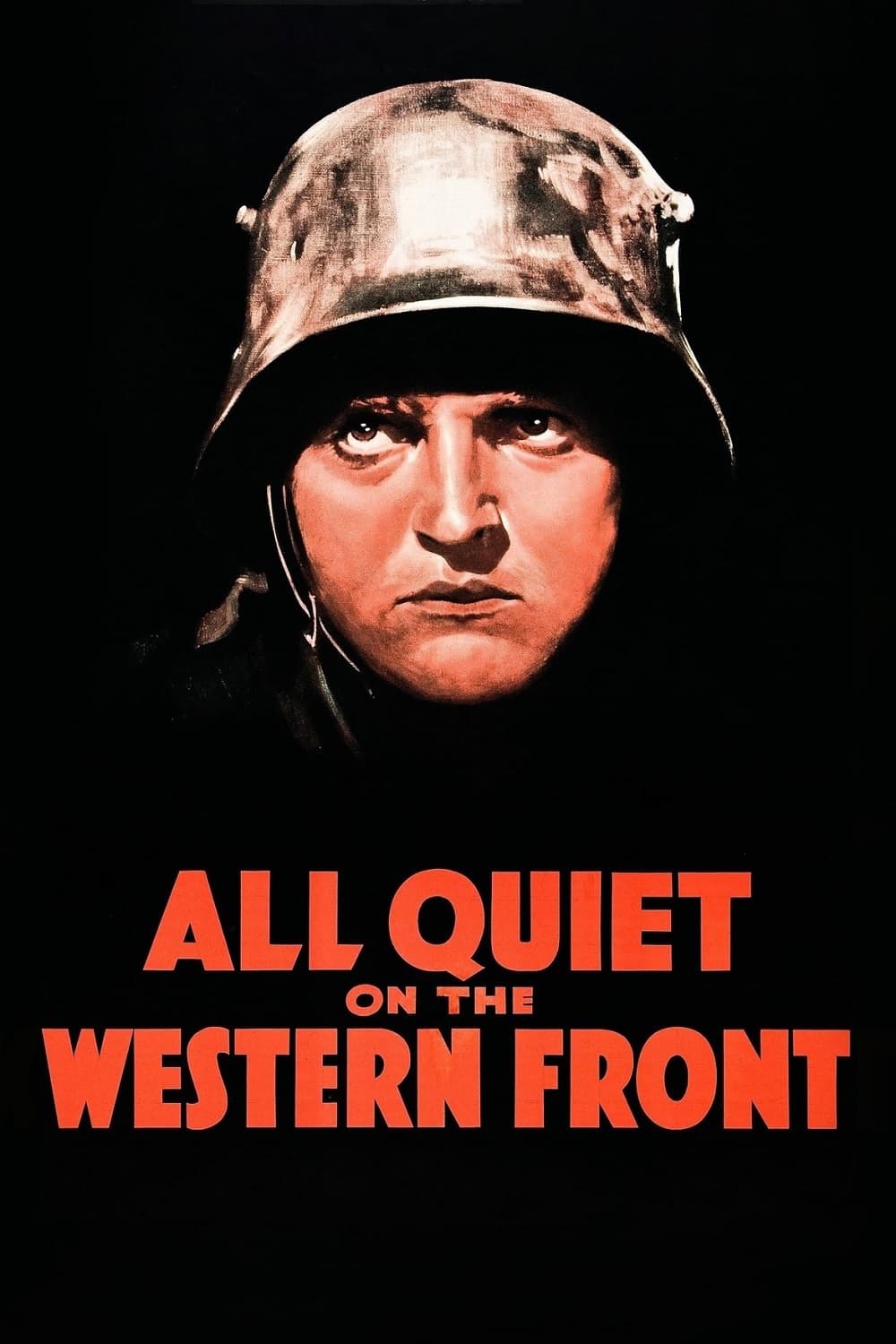
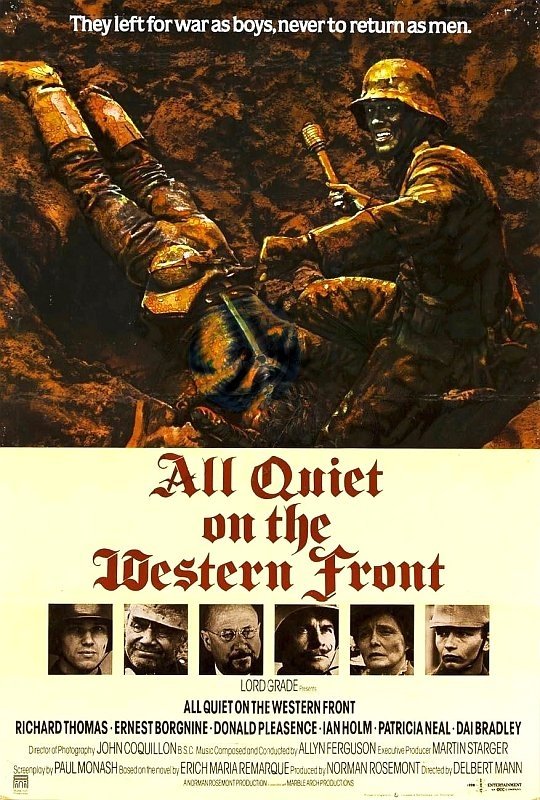
When a group of idealistic young men join the German Army during the Great War, they are assigned to the Western Front, where their patriotism is destroyed by the harsh realities of combat.
Young women toiling in a factory are exposed to hazardous material which takes a disastrous toll on their health.
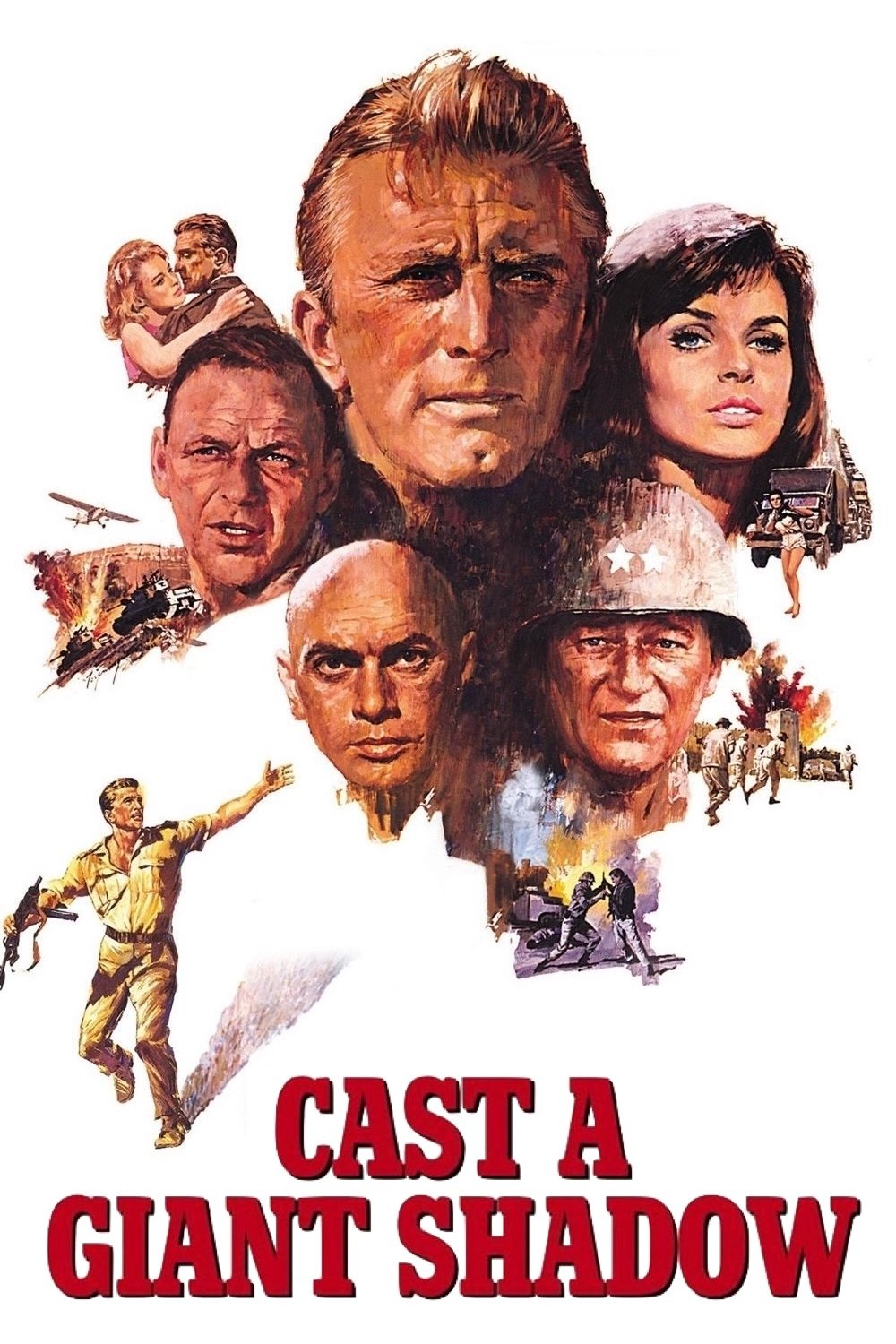
An American Army officer is recruited by the yet to exist Israel to help them form an army. He is disturbed by this sudden appeal to his Jewish heritage. Each of Israel's Arab neighbors has vowed to invade the poorly prepared country as soon as partition is granted. He is made commander of the Israeli forces just before the war begins.
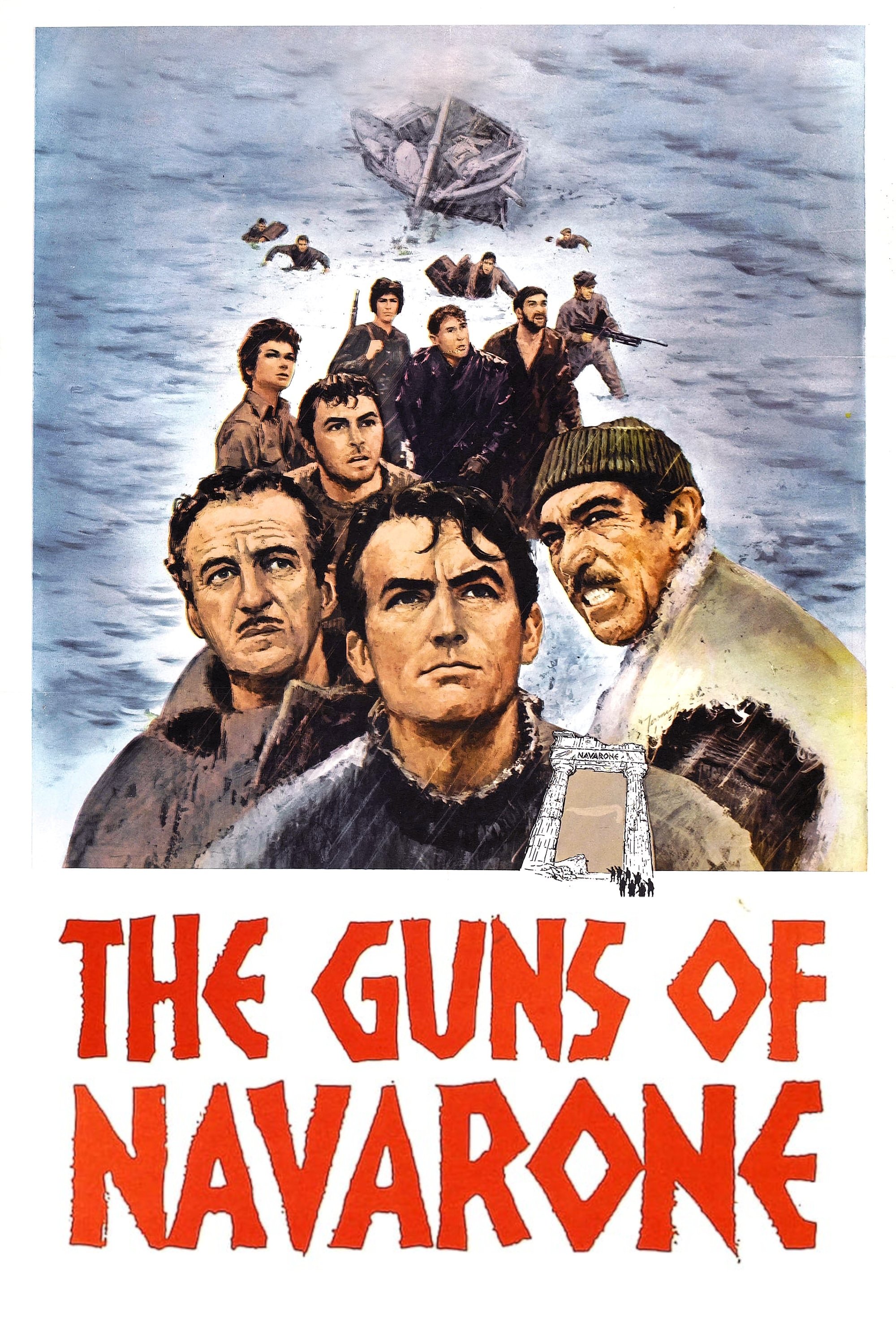
A team of allied saboteurs are assigned an impossible mission: infiltrate an impregnable Nazi-held island and destroy the two enormous long-range field guns that prevent the rescue of 2,000 trapped British soldiers.
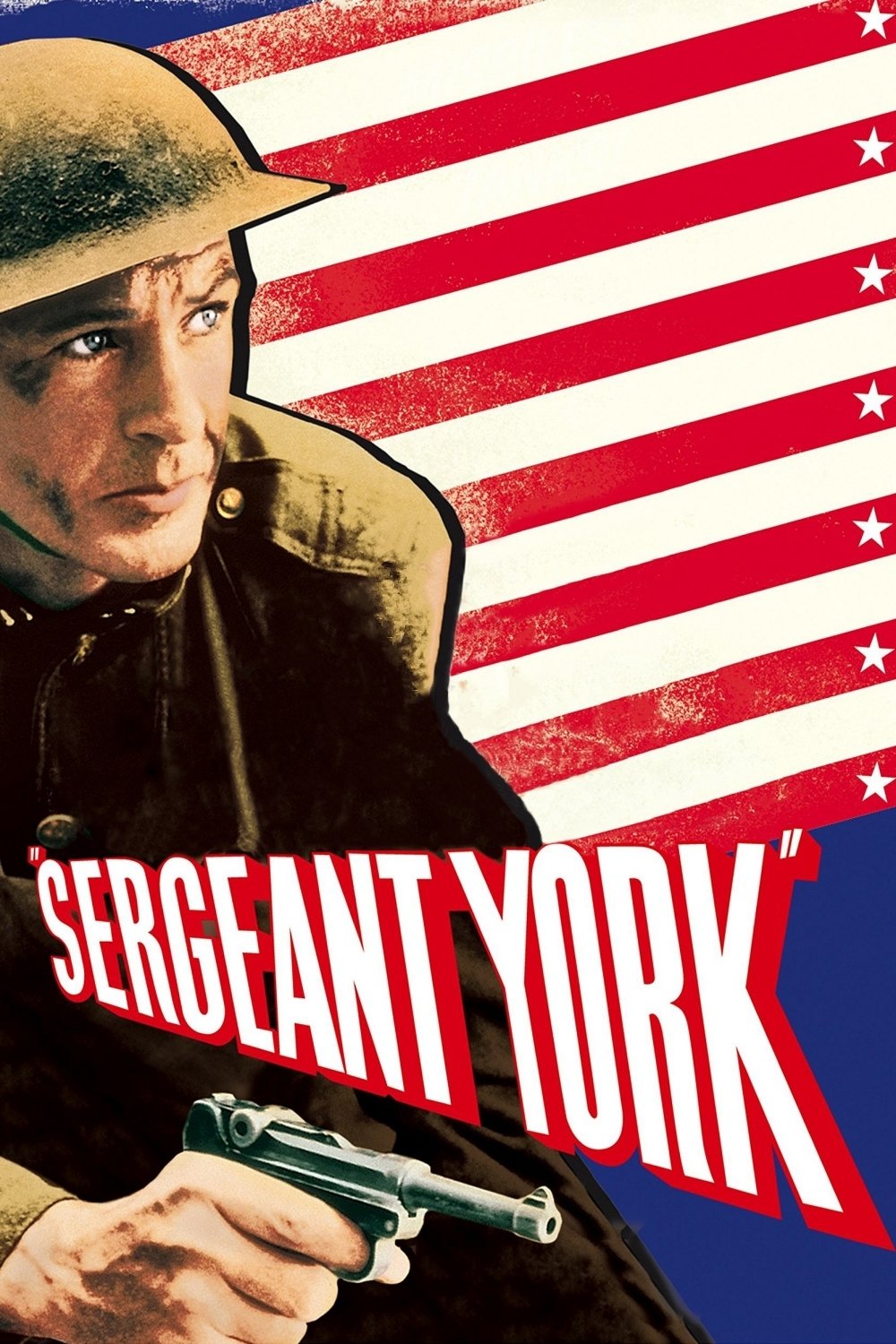
Alvin York a hillbilly sharpshooter transforms himself from ruffian to religious pacifist. He is then called to serve his country and despite deep religious and moral objections to fighting becomes one of the most celebrated American heroes of WWI.
A dramatization of the American general and his court martial for publically complaining about High Command's dismissal and neglect of the aerial fighting forces.
When a soldier's mother discovers the bullet that killed her son in Afghanistan was made at the factory where she works, she sets out on a path of revenge against those responsible.
Two families, abolitionist Northerners the Stonemans and Southern landowners the Camerons, intertwine. When Confederate colonel Ben Cameron is captured in battle, nurse Elsie Stoneman petitions for his pardon. In Reconstruction-era South Carolina, Cameron founds the Ku Klux Klan, battling Elsie's congressman father and his African-American protégé, Silas Lynch.
During World War II, a young man is called up and, with an increasing sense of foreboding, undertakes his army training ready for D-Day, June 6th, 1944.
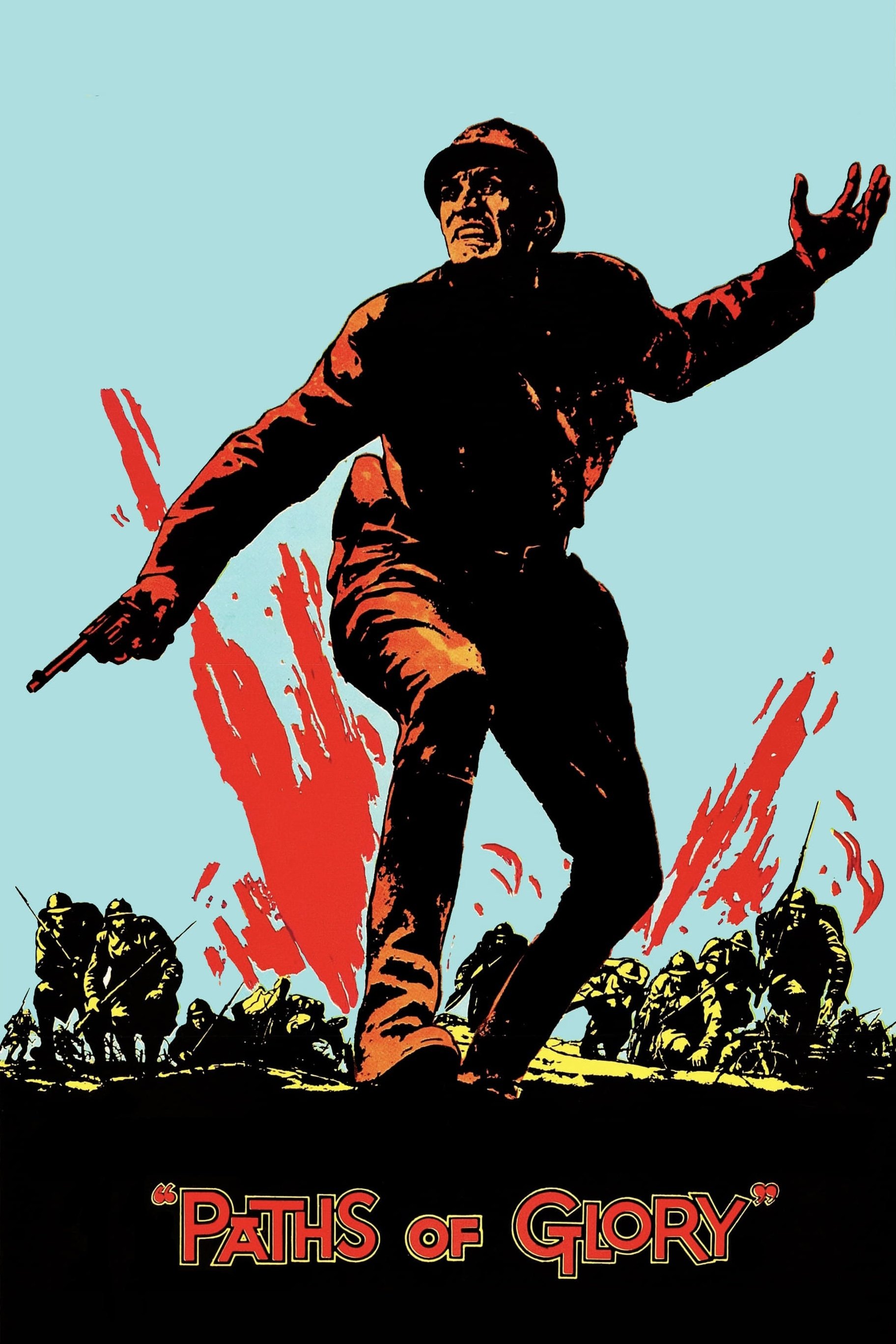
A commanding officer defends three scapegoats on trial for a failed offensive that occurred within the French Army in 1916.
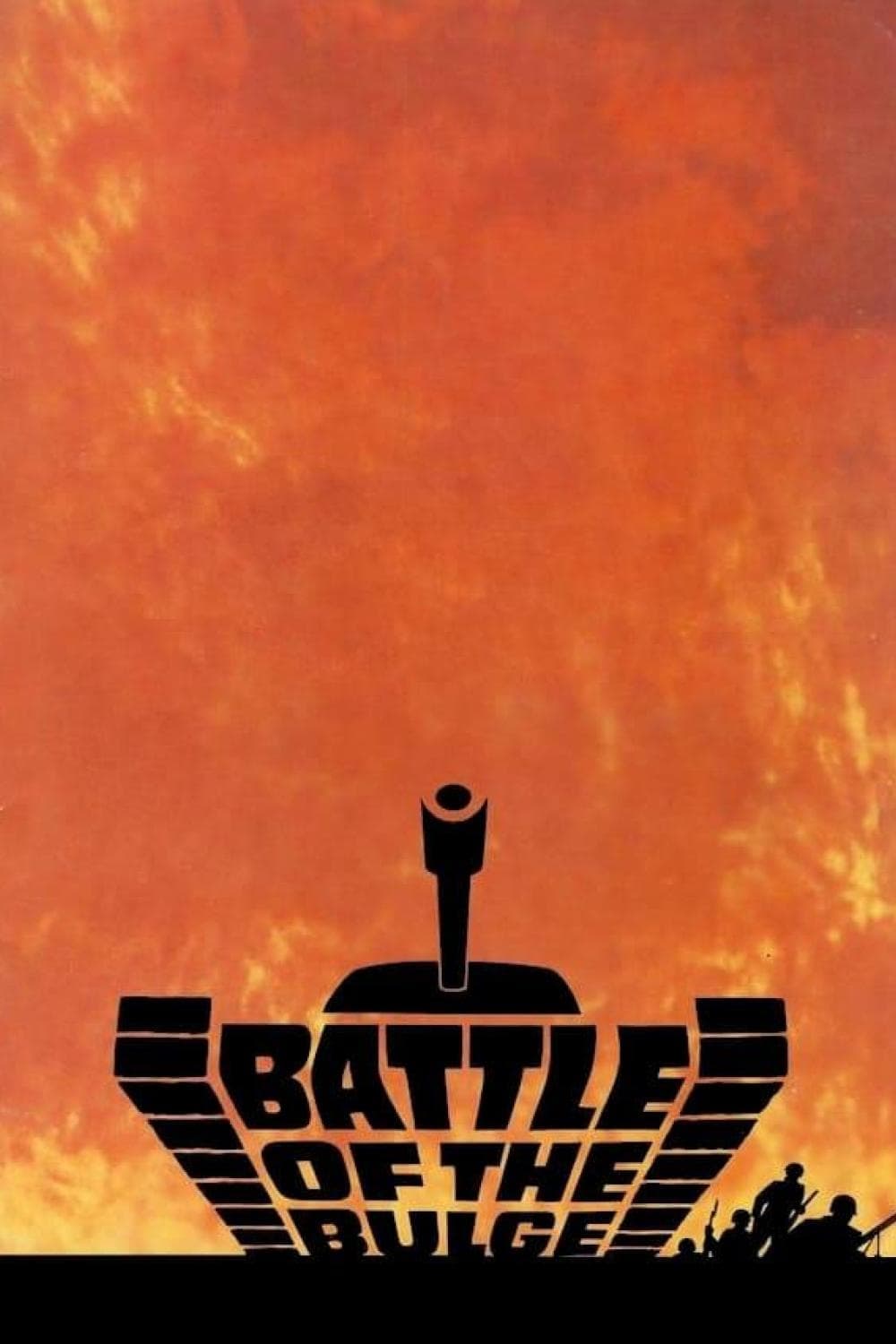
In the winter of 1944, the Allied Armies stand ready to invade Germany at the coming of a New Year. To prevent it, Hitler orders an all-out offensive to re-take French territory and capture the major port city of Antwerp.


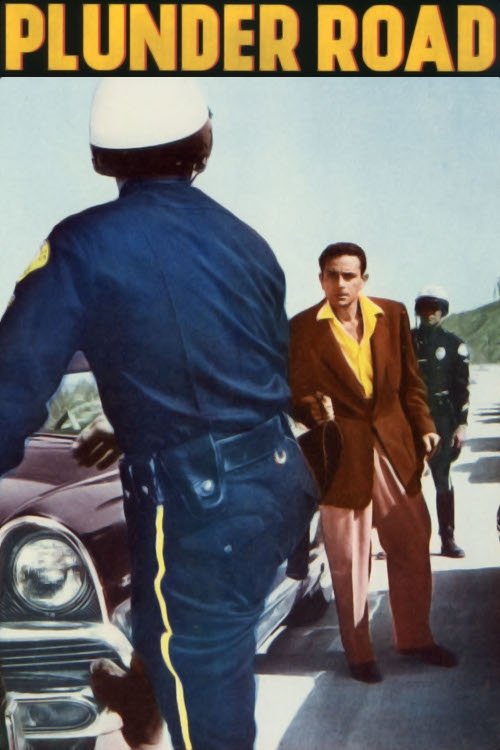
A spectacular heist starts to unravel as the crooks take it on the lam.
At the start of World War I, Paul Baumer is a young German patriot, eager to fight. Indoctrinated with propaganda at school, he and his friends eagerly sign up for the army soon after graduation. But when the horrors of war soon become too much to bear, and as his friends die or become gravely wounded, Paul questions the sanity of fighting over a few hundreds yards of war-torn countryside.
In the summer of 1863, General Robert E. Lee leads the Confederate Army of Northern Virginia into Gettysburg, Pennsylvania with the goal of marching through to Washington, D.C. The Union Army of the Potomac, under the command of General George G. Meade, forms a defensive position to confront the rebel forces in what will prove to be the decisive battle of the American Civil War.