The ninth film from Shahriar Hanife's series of experimental etudes, an Iranian researcher.
Social & External
The people behind it
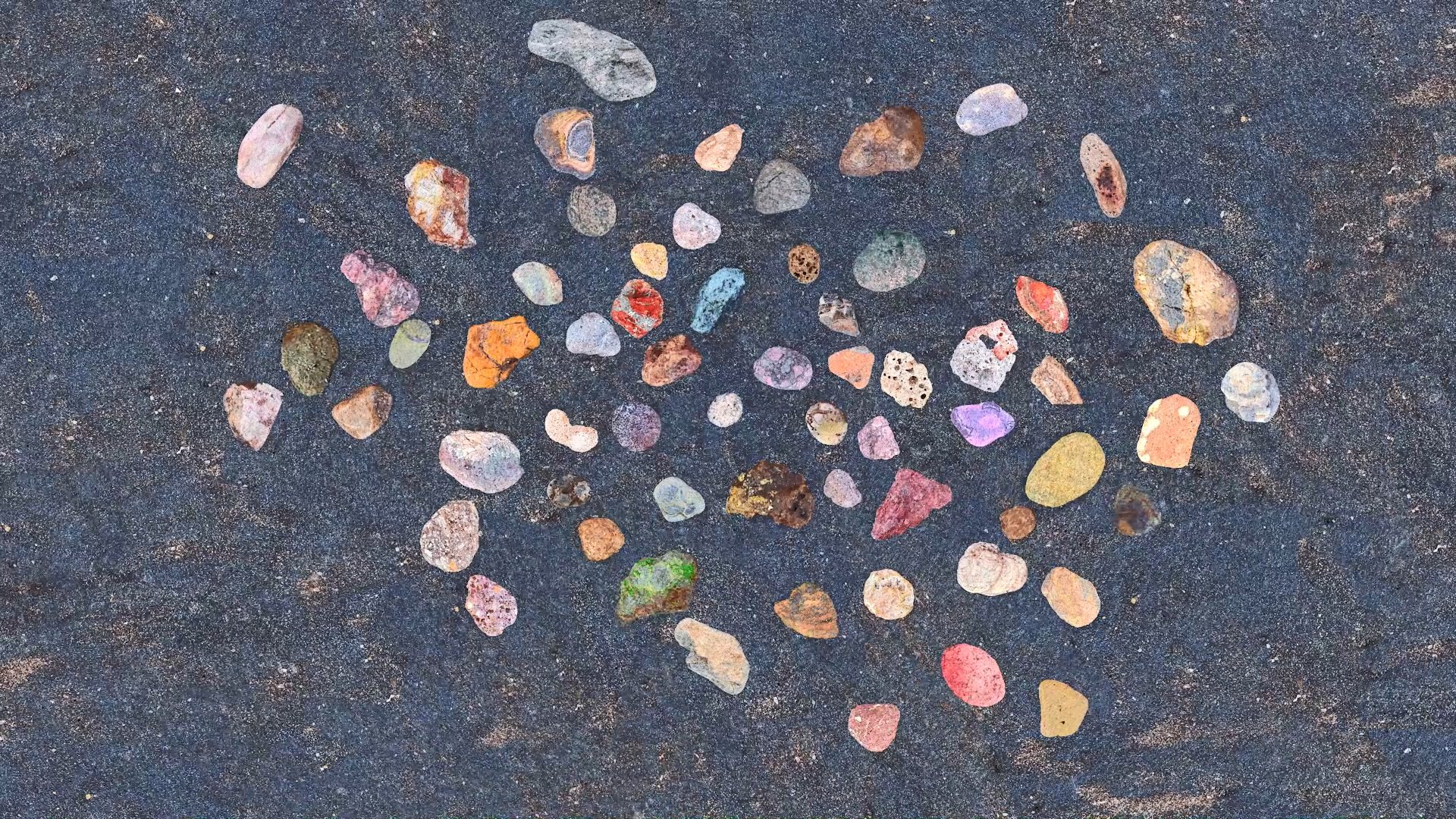
An experimental film where artistic research focuses on the physical manipulation of the medium itself. The work’s uniqueness lies in the fact that the film strip was literally machine-sewn. To achieve specific visual effects, the filmmaker used various types of needles, stitches, and colored threads of different thicknesses. Furthermore, the experimentation involved adjusting the thread tension during the sewing process directly onto the celluloid, resulting in a tactile and abstract visual experience.
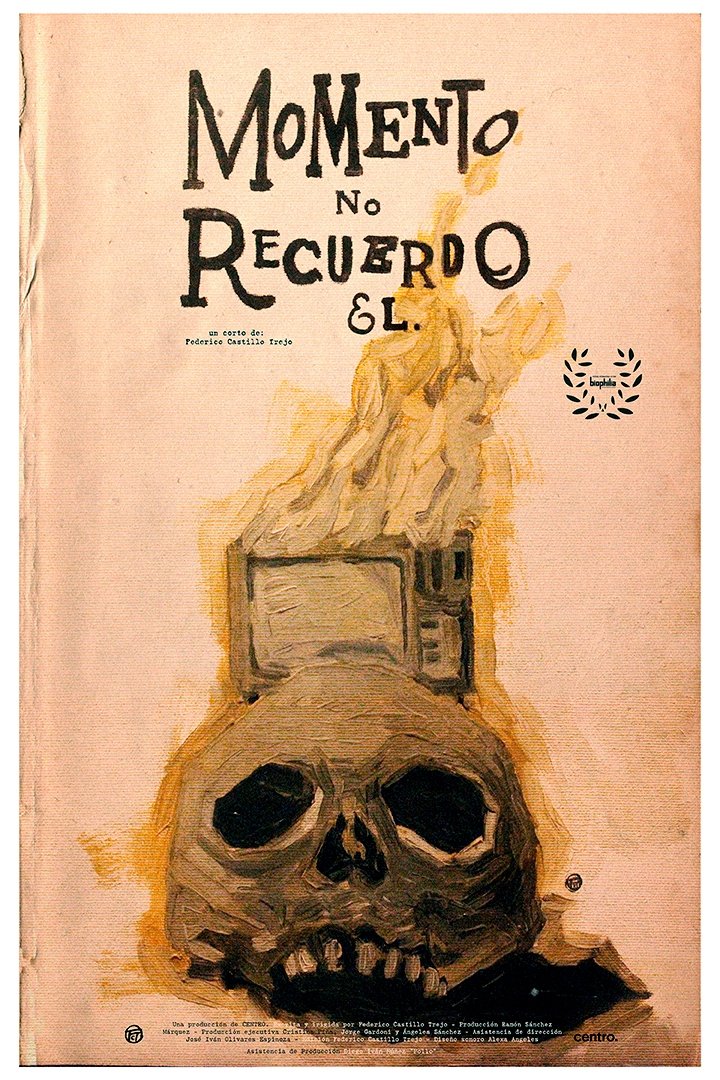
A journey through time, memory, cinema, and loss. How will we be remembered?
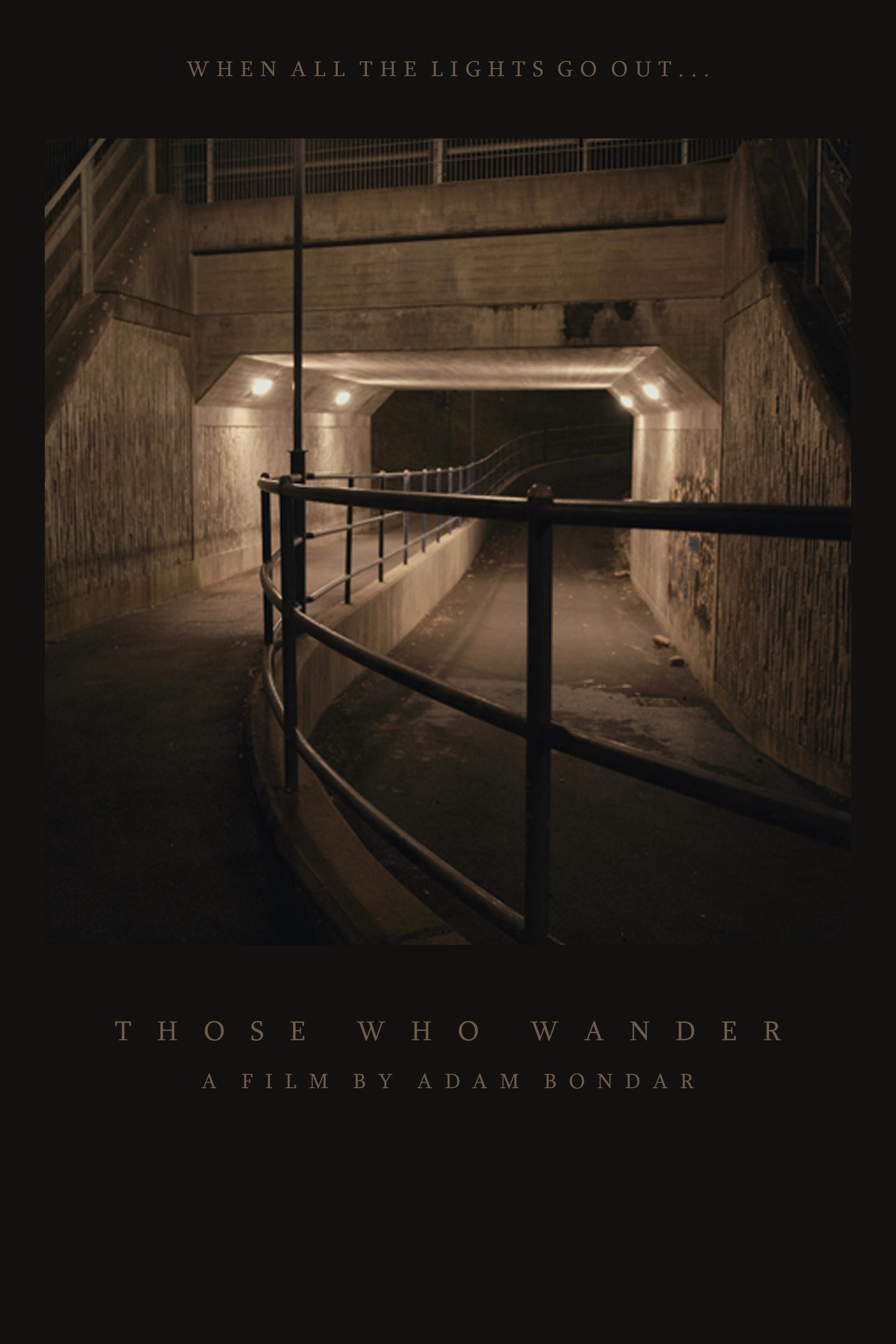
What are they? What do they seek? When all the lights go out, they will wander. And you will never see them.
This poetic experimental documentary is a tribute to the multifaceted life of Brianna, Jorge Lozano's daughter, a collaborative reflection intertwining fiction film archives, acting, and photographs to evoke memories and breathe life into moments and events. Her singing serves as a connecting thread, offering parallel interpretations. The film explores events since 1978, employing a non-chronological and non-linear approach, providing a unique artistic perspective. Shot in Colombia, Spain, and Costa Rica, it culminates in Victoria, BC, where she was tragically murdered. However, it focuses on celebrating her life and her essence employing diverse formats, including super 8mm, VHS, Super VHS, 3/4", 4K HD, Drone 5K video, GoPro, and Instant 360.
Fifteen images of a camera running in a park and in obscurity searching the space of light through distorsion and the sensory of rapid motion.
"SN was born out of an intense personal despair, and a desire to depict a failure of the self, coincident with my discovery of super-8 as a medium completely different from 16mm, well suited to a kind of analog for the written diary ... In part a portrait of Manhattan's constricted spaces, and more generally of the way humans occupy space, it also presents the failed journey of a self to organize, or become present in, the world ... I worked on this film between 1976 and 1984. It is super-8, color, silent, 18 fps, and in ten sections. All but one section is on a separate reel, and there are intended to be 40-second breaks between each reel, in darkness and silence, that are a planned part of the film. The eighth section is itself on three separate reels, each of them quite short, and the breaks between these reels should be a little shorter, about 20 seconds. With the breaks, the film runs about 105 minutes." - F.C.
A small group of French students are studying Mao, trying to find out their position in the world and how to change the world to a Maoistic community using terrorism.
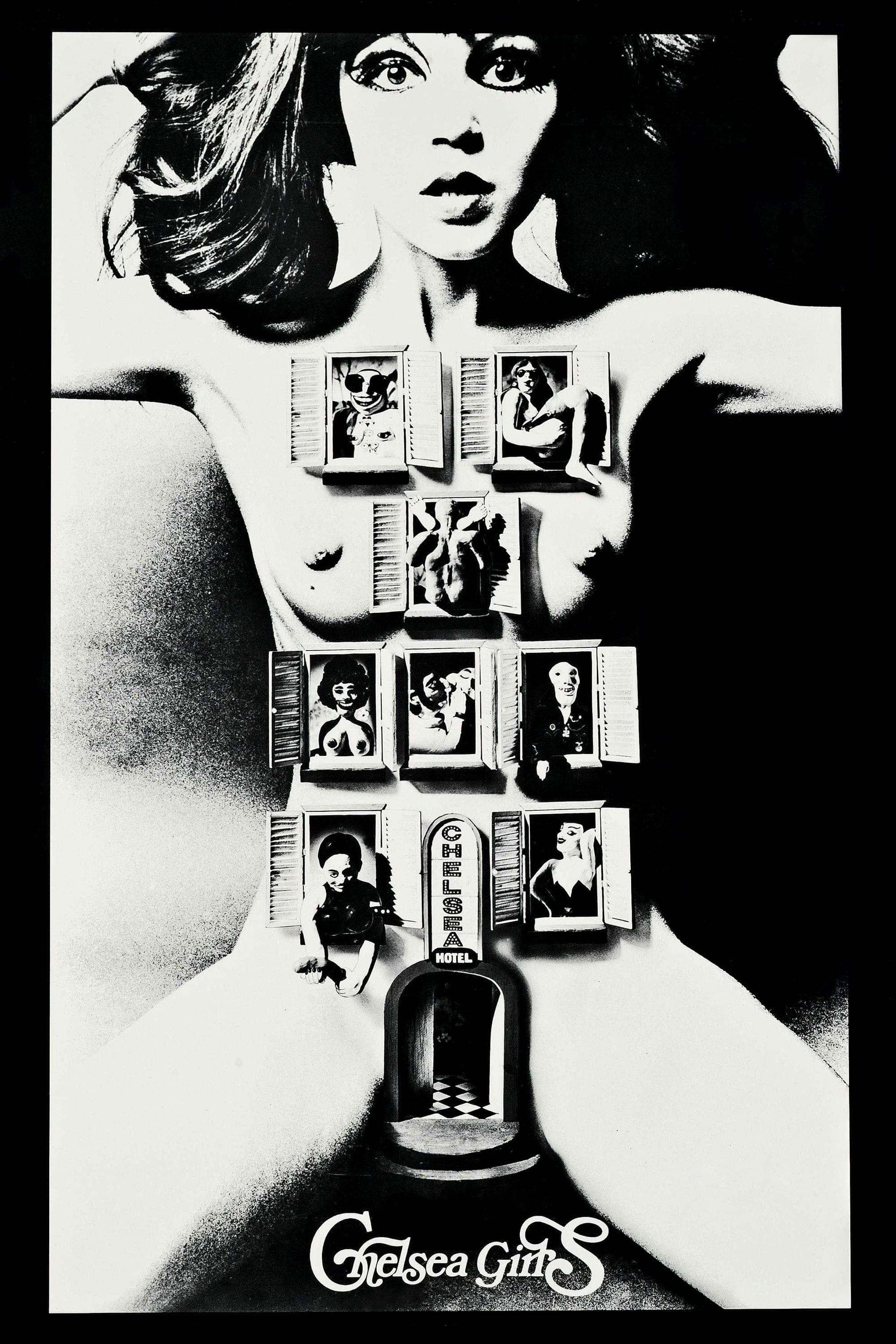
Follows various residents of the Chelsea Hotel in 1966 New York City.
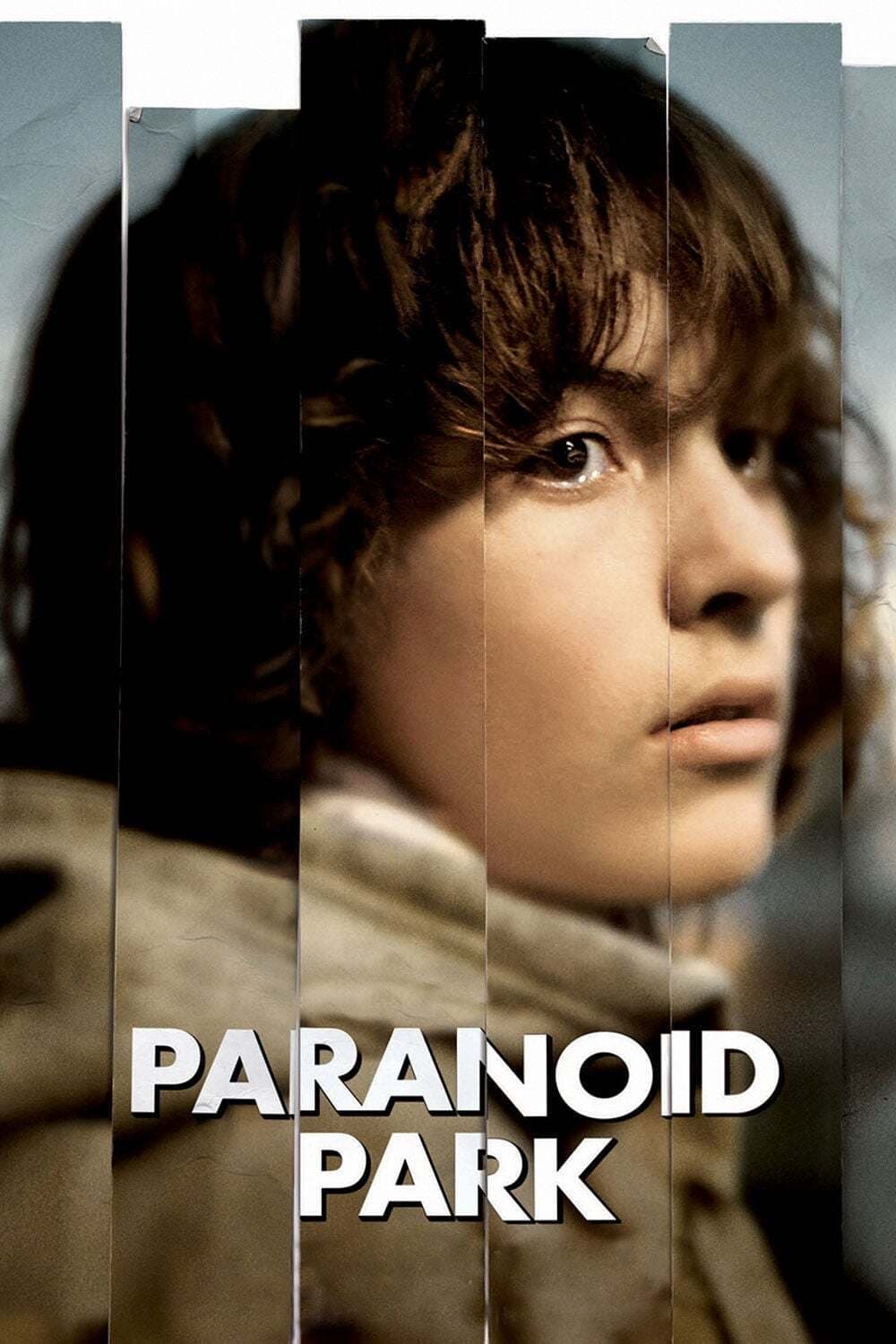
A teenage skateboarder becomes suspected of being connected with a security guard who suffered a brutal death in a skate park called "Paranoid Park".
yaya/ayat explores identities, being lost in translation and distance. But at its core it's about the filmmaker longing for a relationship with her geographically distant grandma and her journey to Greece to find her. This is an experimental documentary about how being a part of any diaspora shapes a person's identity.
Landscapes revealed themselves through text, paper through movement, while the sun gave them relief. This is a journey across found words, enunciating a discovery, their textures constructing the sea and the waves, in a travelogue from the first exploration, the first step over the sand towards the shore. “Amor” writes this joy to underline it in its time, captured on paper. This film has been composed through a scanner, and it’s the first chapter of the “Reír al Sol” series.
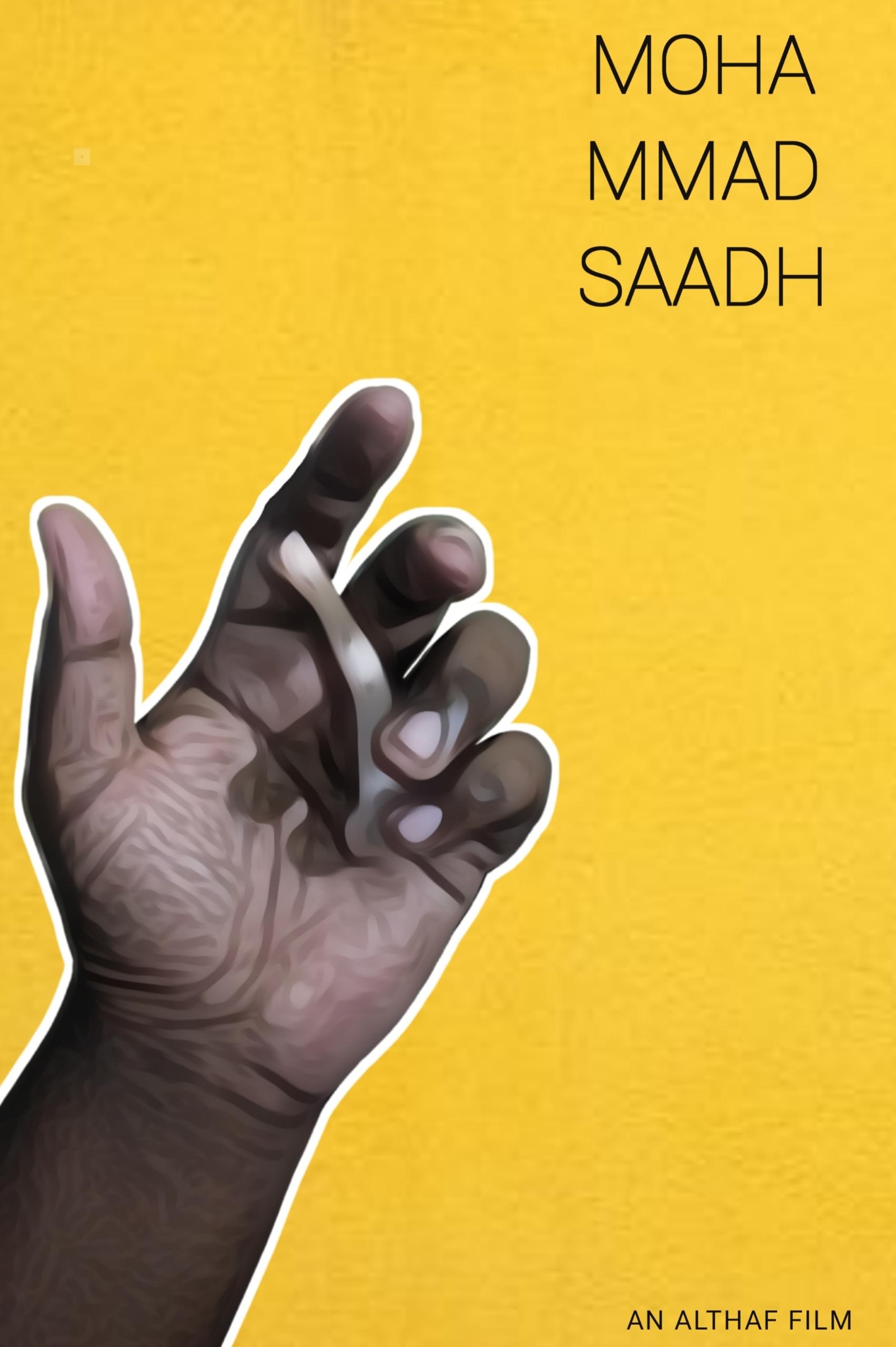
An Art and a Short Film in which the director records his childhood experiences and memories through the mischievous activities of a boy named Mohammad Saadh.
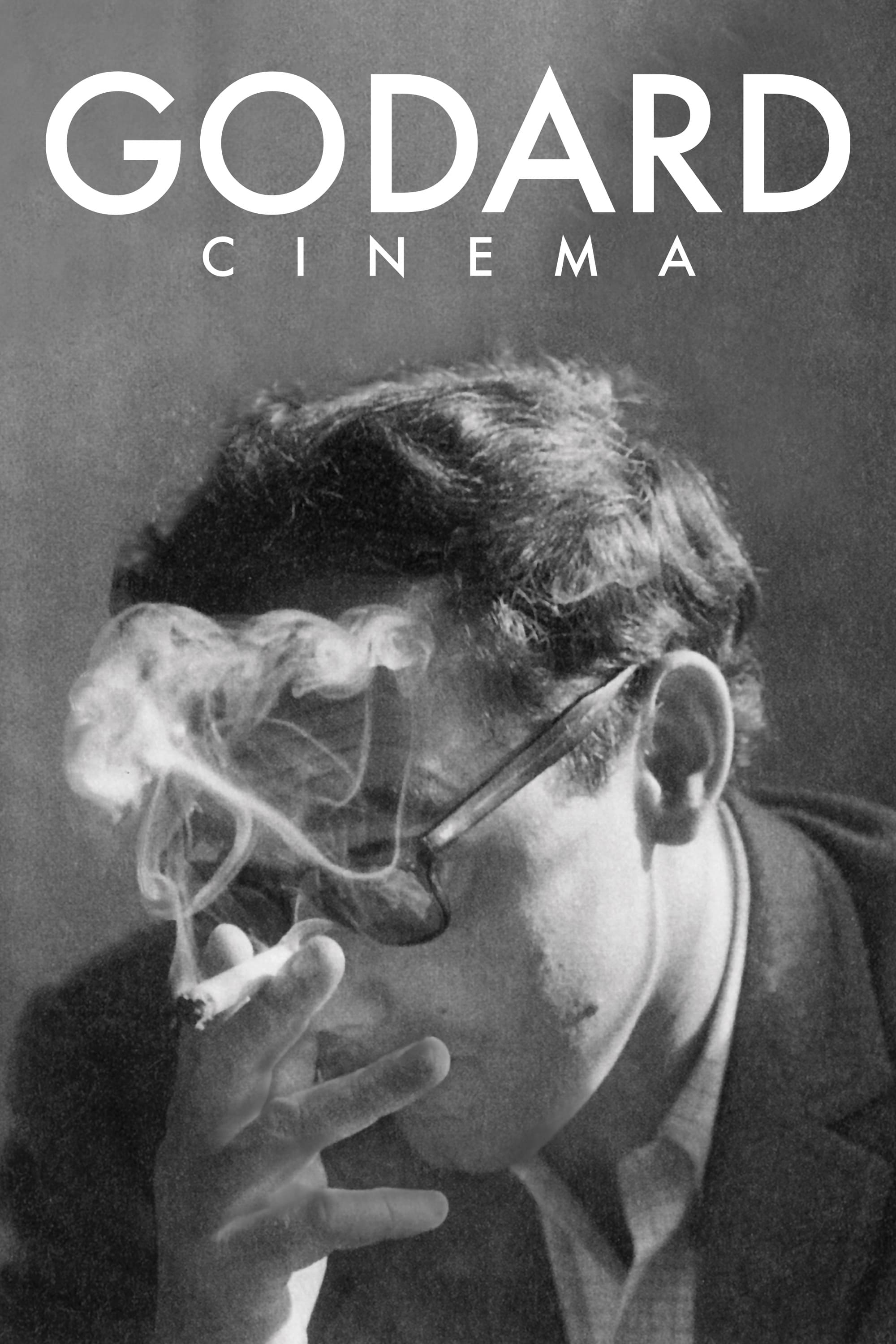
Jean-Luc Godard is synonymous with cinema. With the release of Breathless in 1960, he established himself overnight as a cinematic rebel and symbol for the era's progressive and anti-war youth. Sixty-two years and 140 films later, Godard is among the most renowned artists of all time, taught in every film school yet still shrouded in mystery. One of the founders of the French New Wave, political agitator, revolutionary misanthrope, film theorist and critic, the list of his descriptors goes on and on. Godard Cinema offers an opportunity for film lovers to look back at his career and the subjects and themes that obsessed him, while paying tribute to the ineffable essence of the most revered French director of all time.
in my darkest moment, fetal and weeping, the moon tells me a secret, a confidant As full and bright as I am, this light is not my own and a million light reflections pass over me, the source is bright and endless. She resuscitates the hopeless. Without her, we are lifeless satellites drifting.
A tour de force exercise in optical printing shot in the Chicago Loop
An ecstatic exploration of a Chicago parking garage
An experiment with three dimensions in a moment of clarity: the focus of the camera's lens towards the present, the speed of the train and the material world distorted by the movements of the train.
Haunted by a strange pain in her side whose cause she cannot explain, a young woman examines her body and the possible causes of her increasingly severe illness. Only a friend, a doctor and a florist helped her.
After I had already begun to conduct my first cinematographic experiments in 2015, I shot between 2016 and 2019 (during my time as a student in Rostock) exclusively for this "No Budget Feature-Length Experimental Film", now titled "Transfragmentation", which was originally conceived to last three hours, based on Werner Fritsch's "Faust Sonnengesang" (2011), but now has a running time of approximately two hours. In 2015, I also began my correspondence with the Brussels-based Sound-Artist Unenthüllte, who eventually composed four twenty-minute pieces for this work and has to be regarded as my sole artistic collaborator in this sense. My cinematographic concept was clearly outlined from the beginning: The duration of each shot is exactly 1 minute. Only two elements diverge from this primary premise: The Seventeen Minute Prelude, Created In Post-Production (2020-2022), And The Slow Motion Sequences Involving My Voice-Over, Which Linger In The Heart And At The End Of The Work.
This motion picture photogram was made during a 5 hour plunge into the darkroom; a procession of herbs.
20 men are chosen to participate in the roles of guards and prisoners in a psychological study that ultimately spirals out of control.
In the Realms of the Unreal is a documentary about the reclusive Chicago-based artist Henry Darger. Henry Darger was so reclusive that when he died his neighbors were surprised to find a 15,145-page manuscript along with hundreds of paintings depicting The Story of the Vivian Girls, in What is Known as the Realms of the Unreal, of the Glodeco-Angelinnian War Storm, Cased by the Child Slave Rebellion.
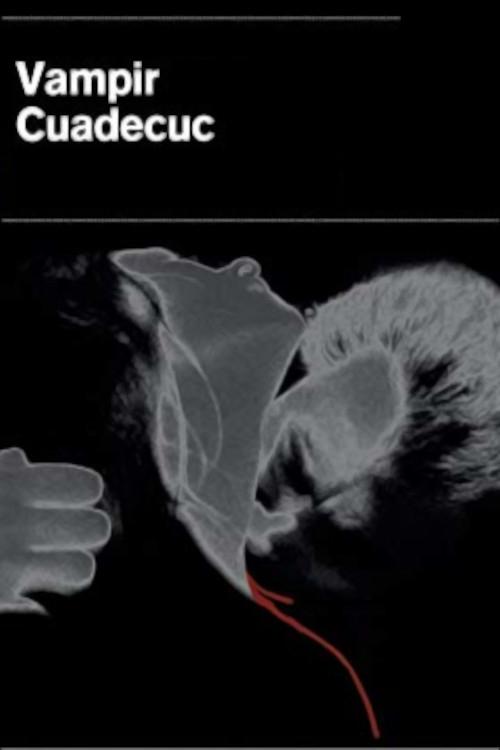
An atmospheric essay, which is an alternative version of Count Dracula, a film directed by Jess Franco in 1970; a ghostly narration between fiction and reality.
Film geek Josh is looking for the subject of his new documentary when a chance meeting puts the perfect star in his sights—Dylan, his school's most popular junior. But Dylan's hopes of using the film to become Blossom Queen don't quite match with Josh's goal to make a hard-hitting exposé about popularity. Will Josh shoot the film as planned, or show Dylan as the truly interesting person she is?
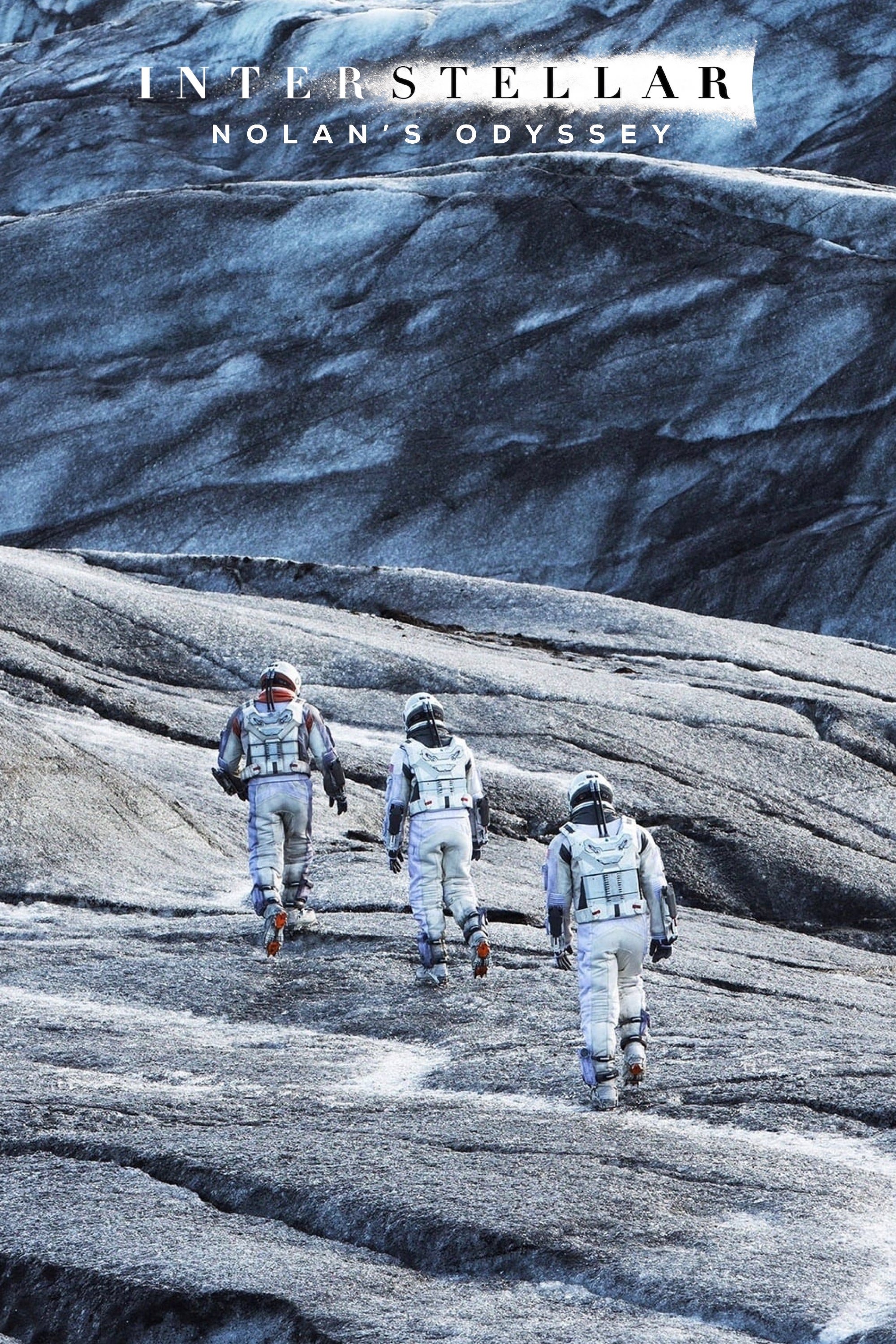
A look behind the lens of Christopher Nolan's space epic.
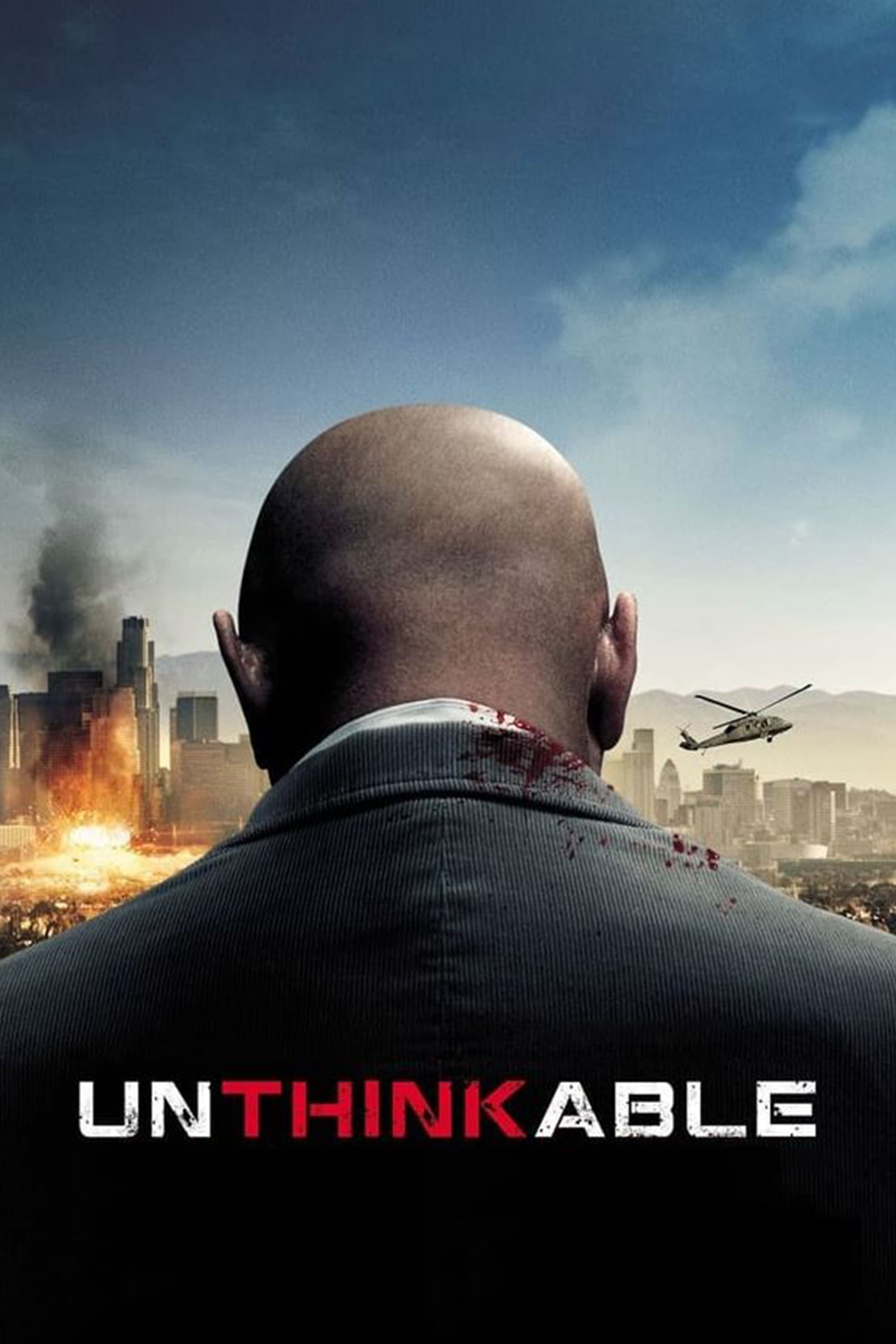
The government gets wind of a plot to destroy America involving a trio of nuclear weapons for which the whereabouts are unknown. It's up to a seasoned interrogator and an FBI agent to find out exactly where the nukes are.
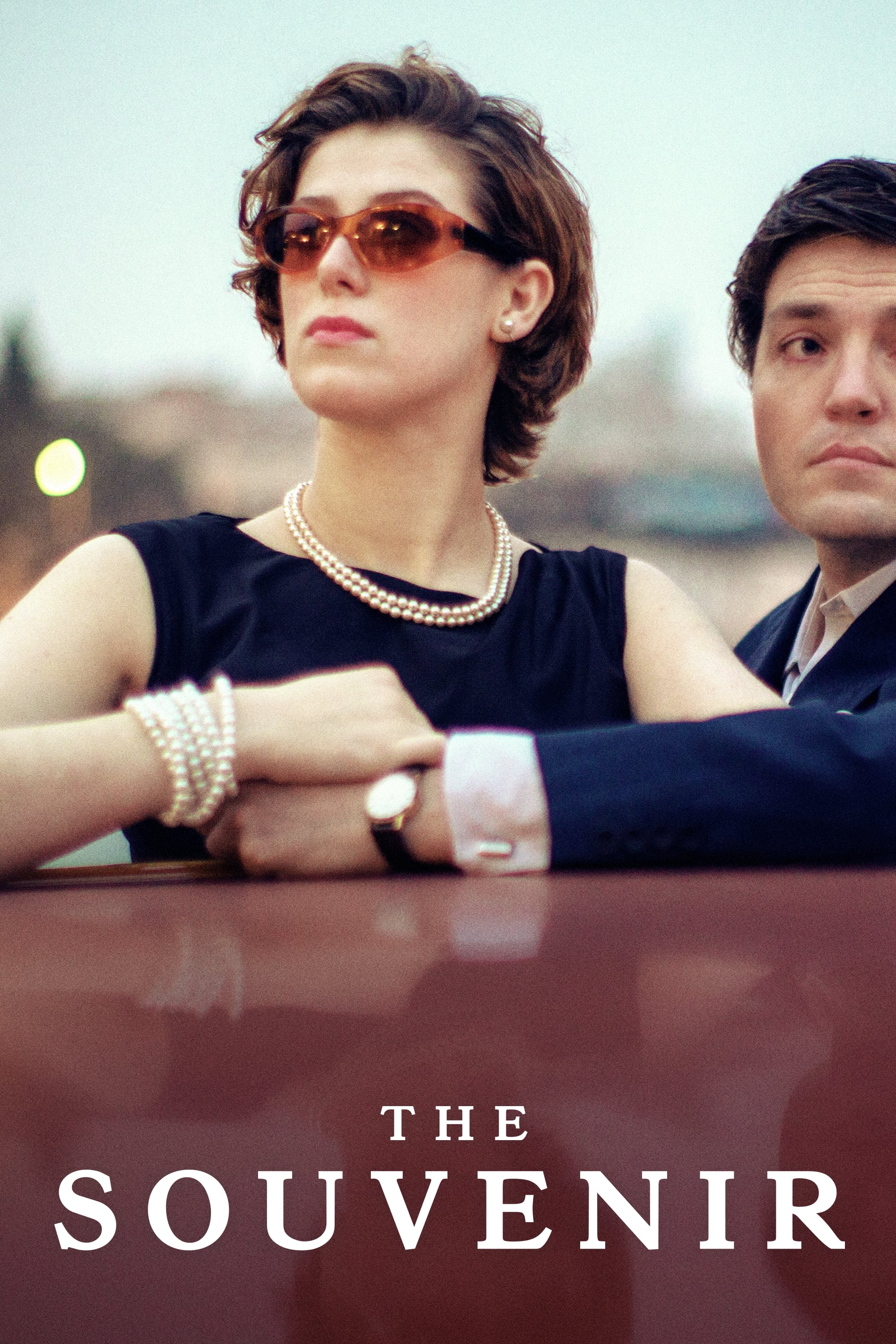
A shy but ambitious film student falls into an intense, emotionally fraught relationship with a charismatic but untrustworthy older man.
A subjective documentary that explores various theories about hidden meanings in Stanley Kubrick's classic film The Shining. Five very different points of view are illuminated through voice over, film clips, animation and dramatic reenactments.
A documentary filmmaker interviews the now-famous Trevor Slattery from behind bars.
A string of threatening emails escalates into a revenge plot involving a newly married US marshal and his ex-girlfriend.
Takes us to locations all around the US and shows us the heavy toll that modern technology is having on humans and the earth. The visual tone poem contains neither dialogue nor a vocalized narration: its tone is set by the juxtaposition of images and the exceptional music by Philip Glass.
Lyrical and powerfully personal essay film that reflects on the deaths of her husband Lou Reed, her mother, her beloved dog, and such diverse subjects as family memories, surveillance, and Buddhist teachings.
This special explores the return of Obi-Wan Kenobi and Anakin Skywalker to the screen, as well as Ewan McGregor and Hayden Christensen to their classic roles. Director Deborah Chow leads the cast and crew as they create new heroes and villains that live alongside new incarnations of beloved Star Wars characters, and an epic story that dramatically bridges the saga films.
Amber Heard and Nicole Kidman discuss their characters Mera and Atlanna.
As a visually radical memoir, CAMERAPERSON draws on the remarkable footage that filmmaker Kirsten Johnson has shot and reframes it in ways that illuminate moments and situations that have personally affected her. What emerges is an elegant meditation on the relationship between truth and the camera frame, as Johnson transforms scenes that have been presented on Festival screens as one kind of truth into another kind of story—one about personal journey, craft, and direct human connection.
Whitney Wolfe uses extraordinary grit and ingenuity to break into the male-dominated tech industry.
In 2019, Nepalese mountain climber Nirmal “Nims” Purja set out to do the unthinkable by climbing the world’s fourteen highest summits in less than seven months. (The previous record was eight years). He called the effort “Project Possible 14/7” and saw it as a way to inspire others to strive for greater heights in any pursuit. The film follows his team as they seek to defy naysayers and push the limits of human endurance.
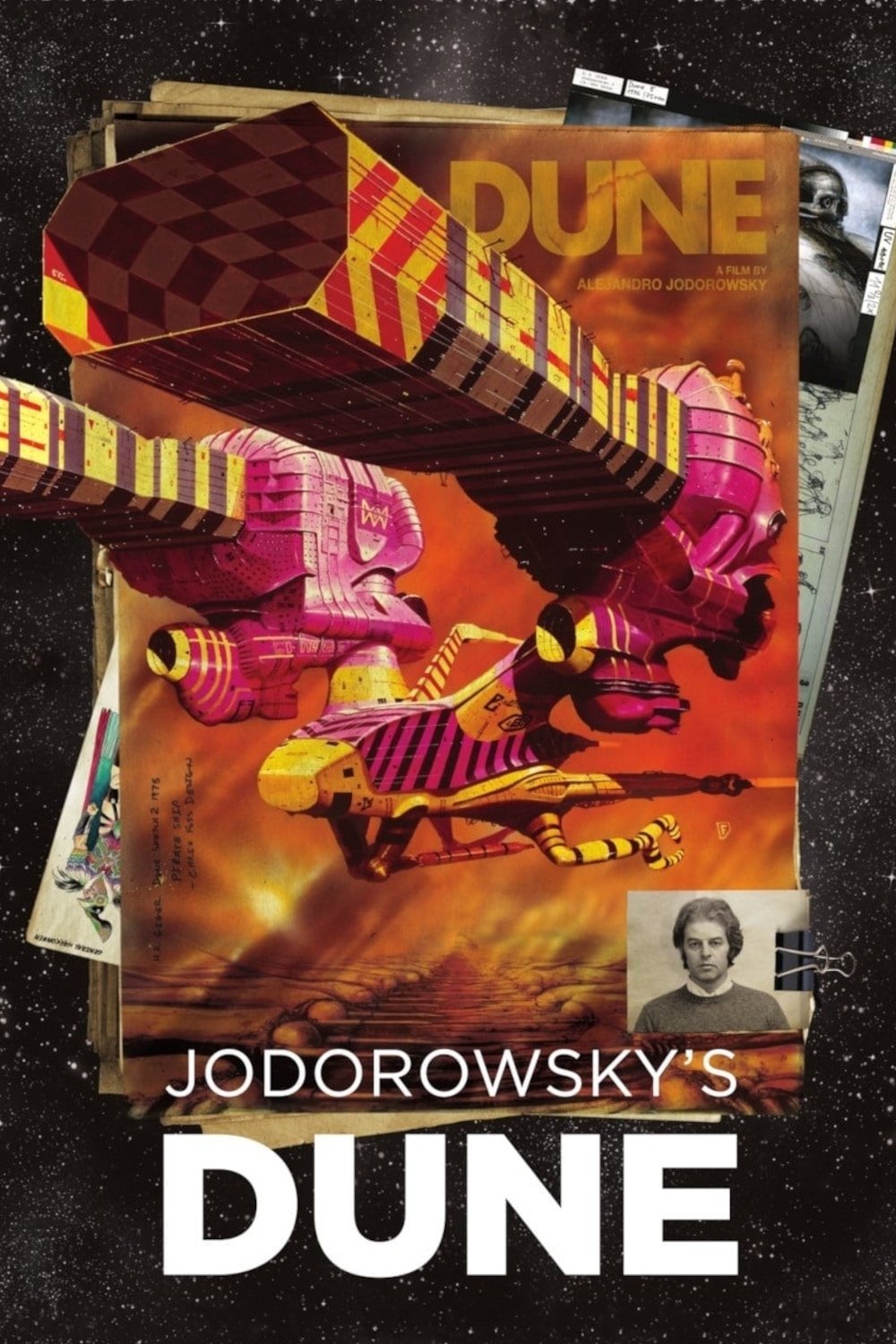
In 1974, Chilean-French director Alejandro Jodorowsky embarked on the quixotic project of adapting Frank Herbert's influential novel Dune (1969) for the big screen. After investing two years, and millions of dollars, the gigantic project ended in failure; but the artists Jodorowsky brought together to carry it out continued to work together, and ended up laying the foundations for modern science fiction cinema.
Conman Robert Freegard poses as an undercover MI5 agent and kidnaps countless victims amidst a high-stakes manhunt, until the woman who fell for him brings him to justice.
As his life comes to its end, famous Hollywood director Orson Welles puts it all on the line at the chance for renewed success with the film The Other Side of the Wind.